Whitetail Bedding Areas: How to Find, Read, and Hunt Them Right
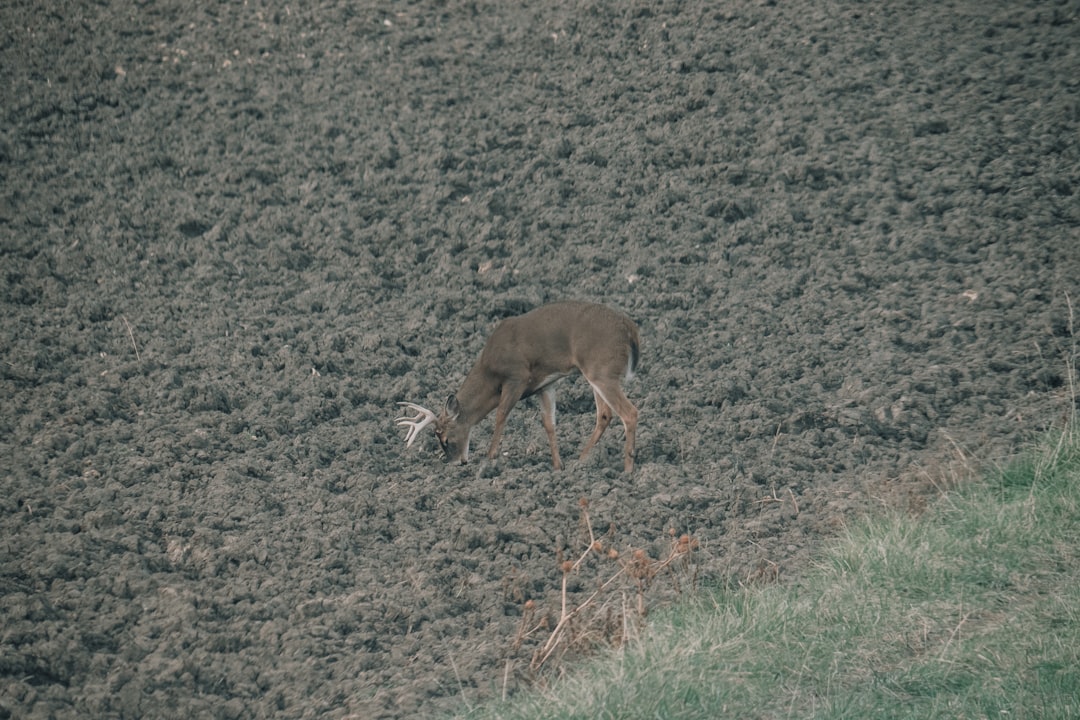
Whitetail bedding areas are the foundation of every successful hunt plan. A mature buck will tolerate hunting pressure near a food source, but once you push him out of his bedding cover, he is gone. The best whitetail hunters do not just know where deer bed — they understand why deer choose specific spots, how to approach those areas without detection, and when to stay out entirely.
This guide breaks down how to locate bedding areas through e-scouting and field sign, what terrain features whitetails prefer for daytime security, and how to hunt bed-to-feed transitions without burning your best spots.
What Makes a Good Whitetail Bedding Area
Whitetails bed where they feel safe, not where humans think they should. Mature bucks prioritize three things: thick cover for concealment, multiple escape routes, and the ability to monitor wind and entry points. Does and younger deer bed closer to food and tolerate more human activity, but big bucks carve out sanctuaries deep in the nastiest cover available.
The best bedding areas combine elevation or terrain breaks that allow deer to see or smell danger before it arrives. A south-facing slope warms faster in winter. A finger ridge offers wind advantage from multiple directions. Swamp edges, clear-cuts, and dense conifer stands provide overhead cover that breaks up a deer's outline from above.
Bedding cover does not have to be impenetrable. In agricultural country, a small grass waterway or plum thicket might be the only security cover for miles. In big timber, deer bed on benches, saddles, and ridge points where they can monitor trails below. The common thread is always security first, comfort second.
How to Identify Bedding Sign Without Pushing Deer
Beds themselves are oval depressions in leaves, grass, or snow where a deer's body heat and weight compressed the ground. Fresh beds show defined edges, and the vegetation inside is often matted flat. Old beds fade into the surrounding cover and lose their sharp bowl shape.
Rubs and scrapes near bedding areas indicate a buck is core-area secure. A rub line leading toward thick cover often marks the final 100 yards before a bedding zone. Scrapes in or near bedding cover are made by dominant bucks, not young deer passing through.
Pellet piles stack up fast in bedding areas. Mature buck droppings are larger, more cylindrical, and clumped in tight groups. If you find a cluster of beds with big pellets and no doe tracks or fawn-sized beds nearby, you have found a buck-only staging zone.
Never push into suspected bedding areas during season. Scout them in late winter after deer have shifted to different cover, or use aerial imagery and topo maps to predict bed locations without stepping foot in the zone.
Reading Terrain to Predict Bedding Locations
Whitetails bed where terrain gives them an advantage. In flat country, look for the only elevation change available — even a 10-foot rise can hold deer. In hill country, bucks bed on points, benches, and saddles where thermals and prevailing wind let them monitor multiple approaches.
South and east-facing slopes warm first in the morning and hold bedding deer during cold snaps. North-facing slopes stay cooler in early season and hold more moisture, which often means thicker cover. During the rut, bucks shift to doe bedding areas, which are closer to food and easier to access.
Inside corners where two terrain features meet — a ridge meeting a creek bottom, a field edge touching a swamp — concentrate deer movement and create natural funnels. Bucks bed just off these funnels where they can monitor doe traffic without exposing themselves.
Use topo maps to identify benches (flat areas on steep slopes), saddles (low points between two peaks), and fingers (ridges extending from a main hillside). These terrain features show up as tight contour lines on a map and almost always hold bedding deer.
The Difference Between Buck Bedding and Doe Bedding
Does bed closer to food, often within 200 yards of a field edge or known feeding area. They tolerate more human activity and bed in groups with fawns. Doe bedding areas show multiple beds clustered together, small pellets, and trails leading directly to nearby food sources.
Mature bucks bed alone or with one other subordinate buck. Their bedding areas sit deeper in cover, farther from roads and human travel corridors, and always offer multiple escape routes. A buck will bed where he can see, hear, or smell danger from at least two directions, and he will position himself with the wind at his back and eyes on the most likely approach.
During the rut, bucks abandon their core bedding areas and cruise near doe bedding zones. This is when bucks become vulnerable — they are not bedding in their usual sanctuaries, and they are moving during daylight to monitor doe activity. Hunting the transition zone between buck bedding and doe bedding is the single best rut strategy for mature deer.
Understanding this separation lets you plan stand locations that intercept bucks traveling between their bedding area and doe bedding or feeding zones. You are not hunting the bed itself — you are hunting the first 100 to 300 yards of travel after a buck leaves his daytime hideout.
How to Hunt Bedding Areas Without Burning Them
Hunting bedding areas requires discipline. The closer you set up to a bed, the less room for error you have. One bad wind, one careless entry, and you teach every deer on the property to avoid that zone for weeks.
The golden rule is to hunt the edge, not the interior. Set up 75 to 150 yards downwind of suspected bedding on the first available trail or terrain funnel. Let deer come to you as they leave the bedding area toward food or does. Never push into bedding cover to check for sign or hang a stand during season.
Entry and exit routes matter more than stand location. If you have to walk through a bedding area to reach your stand, you have already lost. Plan access routes that use terrain, wind, and low-traffic corridors to reach your setup without alerting deer. Hunt morning sits only if you can access your stand in full darkness without crossing deer trails.
Save aggressive bedding-area setups for the rut or late season when deer movement is predictable and bucks are distracted. Early season bedding-area pressure teaches deer to go nocturnal faster than any other mistake.
Common Mistakes That Blow Out Bedding Areas
Walking through bedding areas during midday scouting is the fastest way to ruin a property. Deer bed during shooting light — if you are moving through thick cover between 10 a.m. and 2 p.m., you are pushing deer out of their beds and teaching them your property is not safe.
Hanging trail cameras in bedding areas creates the same problem. Every time you check a camera, you leave scent and push deer. If you must run cameras near bedding, use cell cameras and access them only during midday in the off-season.
Poor wind discipline destroys bedding-area setups faster than anything else. If your wind is wrong, do not hunt. Deer will tolerate one bad encounter and adjust. Two or three blown setups and they will abandon the area entirely or shift to nocturnal patterns.
Over-hunting bedding-area stands is another killer. Even a perfect setup should be hunted sparingly — maybe three to five times per season max. The more you hunt it, the more scent you leave, and the more likely deer pattern your schedule.
Using Bedding Areas to Plan Stand Locations
Once you have identified bedding areas, everything else falls into place. Draw imaginary lines from bedding to food, water, and doe bedding zones. Those travel corridors are where you set up — not at the destination, but along the route.
Morning stands should intercept deer returning to bedding from overnight feeding. Set up 100 to 200 yards from bedding on trails deer use as they filter back into cover. Wind direction must carry your scent away from both the bedding area and the direction deer are traveling.
Evening stands target deer leaving bedding toward food or rut activity. Position yourself far enough from bedding that deer are on their feet and moving, but close enough that you catch them in daylight. The first 15 minutes of shooting light in the evening is often the only window you get on a mature buck.
During the rut, set up between buck bedding and doe bedding. Bucks cruise these transition zones all day checking for estrous does. A stand positioned on a ridge saddle or inside corner between these two zones will see buck traffic that never touches a food source.
FAQ — Whitetail Bedding Areas
Where do mature bucks bed during daylight?
Mature bucks bed in the thickest, most secure cover available, often on ridges, benches, or saddles that offer wind advantage and visibility on multiple approaches. They avoid easy-access areas and human travel corridors.
How close should I hunt to a bedding area?
Set up 75 to 150 yards from the bedding edge, not inside the bedding area itself. This gives deer room to move naturally without detecting you and prevents you from contaminating their core security zone.
Can you hunt the same bedding-area stand multiple times?
Yes, but sparingly. Limit bedding-area setups to three to five hunts per season and only when conditions are perfect. Each hunt leaves scent and increases the chance deer pattern your activity.
What terrain features hold the most bedding deer?
Benches, saddles, ridge points, south-facing slopes, and inside corners where two terrain features meet. These spots offer elevation, wind advantage, and visibility, which whitetails prioritize for daytime security.
Do does and bucks bed in the same areas?
Rarely outside the rut. Does bed closer to food and in groups. Bucks bed alone in more remote, secure cover. During the rut, bucks shift toward doe bedding areas to monitor estrous activity.
How do I scout bedding areas without spooking deer?
Use aerial imagery and topo maps to predict bedding zones, then confirm with late-winter scouting after deer have moved to different cover. Never push into suspected bedding areas during hunting season.
Was this article helpful?
Previous
Best Crossbows for Whitetail Deer Hunting in 2025
Choosing the right crossbow can make or break your whitetail season. This guide breaks down the top crossbows for different hunting styles, budgets, and state regulations, helping you find the perfect setup for treestand, ground blind, or spot-and-stalk hunting.
Next
Complete Beginner's Guide to Elk Calling — Master the Basics
Learn the fundamentals of elk calling from bugle basics to cow calls. This guide covers when to call, which sounds to use, and common mistakes that spook bulls instead of bringing them in.