Where Do Elk Live? Complete Guide to Elk Habitat Across North America
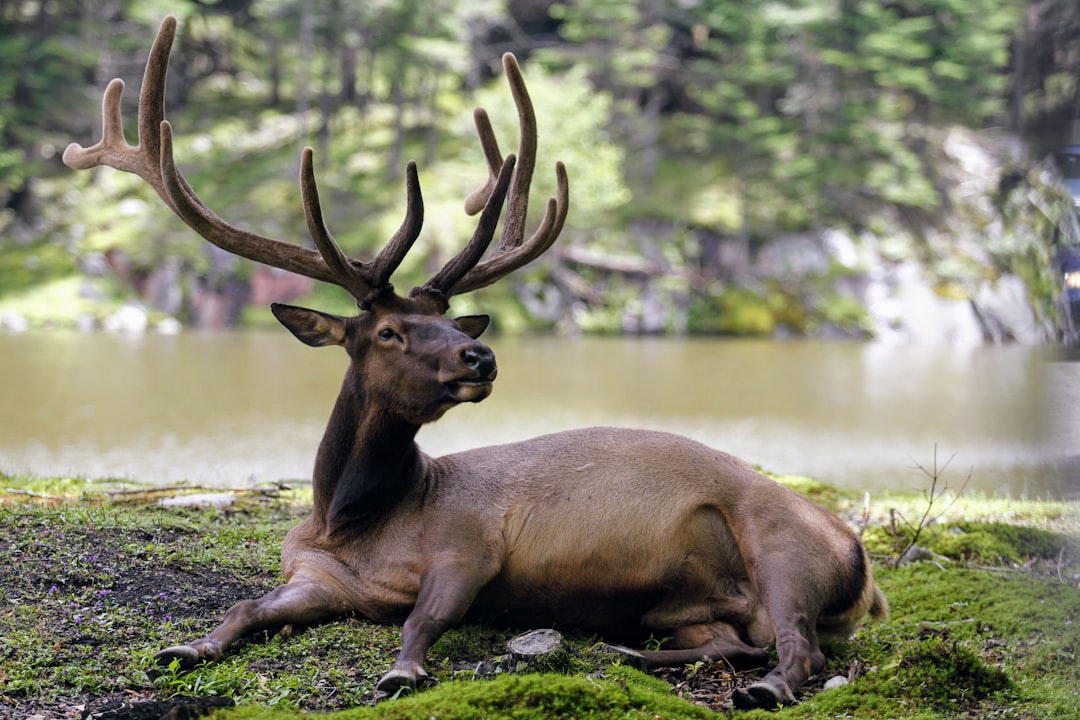
Elk inhabit mountain forests, alpine meadows, grasslands, and high-desert terrain across the western United States and parts of Canada. Rocky Mountain elk range from Arizona and New Mexico north through Colorado, Wyoming, Montana, and Idaho into Alberta and British Columbia. Roosevelt elk occupy coastal forests from northern California through Oregon, Washington, and into British Columbia. A smaller population of Tule elk lives exclusively in California's Central Valley and coastal ranges.
Understanding where elk live and why they choose specific terrain gives hunters a massive advantage when selecting units, scouting remotely, and planning hunts. Elk do not roam randomly. They follow predictable patterns tied to food, water, security cover, and seasonal pressure. Knowing these patterns helps you narrow thousands of square miles down to huntable ground.
Elk Range Across North America
Rocky Mountain elk occupy the largest range, spanning roughly 1.1 million square miles across eleven western states and two Canadian provinces. Colorado holds the largest population with over 280,000 elk, followed by Montana with around 150,000. Wyoming, Idaho, Oregon, and Washington each support populations exceeding 100,000 animals. New Mexico, Utah, Arizona, Nevada, and California maintain smaller but huntable populations.
Roosevelt elk live in dense coastal rainforests from northern California through the Pacific Northwest. These elk are darker, stockier, and adapted to thick timber and wet conditions. Tule elk, the smallest subspecies, number roughly 5,700 animals confined to specific wildlife areas and preserves in California.
In Canada, elk populations thrive in Alberta and British Columbia, with smaller numbers in Saskatchewan and Manitoba. Alberta's elk population exceeds 35,000 animals spread across foothill forests and prairie grasslands.
Mountain and Forest Habitat
Elk are fundamentally mountain animals. They prefer terrain that offers varied elevation, broken topography, and a mix of timber and open areas. During summer, elk move to high-elevation meadows and alpine basins where grasses, forbs, and wildflowers provide high-quality forage. These areas often sit above 8,000 feet in states like Colorado and Wyoming.
As fall approaches and hunting pressure increases, elk retreat into timber. Dark, north-facing slopes with lodgepole pine, Douglas fir, or spruce-fir forests provide security cover. Elk bed in these areas during midday, moving to feed in adjacent parks and meadows during dawn and dusk.
Mature bulls prefer the thickest, nastiest timber they can find during September and October. These bedding areas are often on steep, timbered ridges where thermals and wind give elk a scent advantage. Hunters who learn to identify this security cover dramatically increase their odds of finding mature bulls during archery and rifle seasons.
Grasslands and Prairie Habitat
Elk also thrive in prairie grasslands, foothill benches, and semi-arid ranges where timber is sparse or absent. Eastern Montana, parts of Wyoming, and the foothill zones of Alberta support large elk populations in open country. These elk behave more like mule deer or antelope, using terrain features like ridges, draws, and isolated timber patches for cover.
Grassland elk tend to be more visible and easier to glass from long distances. Hunters in these units often rely on spot-and-stalk tactics, glassing ridges and benches during morning and evening feeding periods. Wind and terrain knowledge become critical when planning a stalk across open country.
In New Mexico and Arizona, elk occupy high-desert terrain mixed with ponderosa pine forests and sagebrush flats. These elk adapt to arid conditions, concentrating near water sources and moving between feeding and bedding areas along predictable routes.
Seasonal Movements and Migration
Elk are migratory animals in many regions, moving between high-elevation summer range and lower-elevation winter range. These migrations can span 20 to 50 miles or more. In Wyoming, some elk herds migrate over 100 miles between summer and winter habitat.
Summer range typically sits at higher elevations where snow melts early and new vegetation provides abundant, high-quality forage. Elk calve in these areas during late May and early June. As fall progresses and snow begins to accumulate, elk migrate down-mountain to winter range where south-facing slopes, lower snowfall, and accessible forage allow them to survive harsh conditions.
Understanding migration timing is critical for hunters. Early-season archery hunts often target elk still in high country. Late-season rifle hunts may catch elk transitioning between summer and winter range or fully settled into winter habitat. Units with diverse elevation ranges and migration corridors often provide better hunting opportunities across multiple seasons.
TAGZ provides migration pattern data, elevation breakdowns, and terrain maps that help hunters identify where elk are likely to be during specific hunt dates. Matching hunt timing to elk movement patterns increases your chances of finding animals where you expect them.
Terrain Features Elk Prefer
Elk select habitat based on specific terrain features that provide food, water, cover, and escape routes. Successful hunters learn to recognize these features on maps and in the field.
Benches and Saddles
Elk frequently bed on timbered benches just below ridgelines. These benches offer thermal advantages, visibility over lower terrain, and quick escape routes uphill or down. Saddles between peaks provide natural travel corridors where elk move between drainages.
North-Facing Slopes
Dark timber on north-facing slopes holds snow longer in spring and stays cooler in summer. Elk prefer these slopes for bedding during warm weather. In fall, these same slopes provide security cover when hunting pressure increases.
Water Sources
Elk need water daily, especially during warm weather. Springs, creeks, wallows, and seeps concentrate elk activity. Glassing water sources during morning and evening hours can reveal elk patterns. In arid units, water becomes even more critical. Elk may travel several miles between bedding and water.
Transition Zones
Elk use edge habitat where timber meets meadows, aspen groves transition to sagebrush, or dark timber borders avalanche chutes. These transition zones provide both food and quick access to cover. Setting up on transition zones during feeding times increases encounter rates.
Public Land vs. Private Land Habitat
Elk occupy both public and private land, but access and hunting pressure differ dramatically. In states like Colorado, Montana, and Idaho, elk spend significant time on national forest land, wilderness areas, and BLM ground. These public lands offer vast, huntable terrain but also attract more hunters.
Private ranches, timber company land, and tribal land often hold elk with less pressure. Some states offer landowner tags, trespass fees, or outfitter access to private ground. In units with mixed public and private ownership, elk frequently move between the two, using private land for feeding and sanctuary.
TAGZ maps show public and private land boundaries, helping hunters identify accessible terrain and avoid trespassing. Understanding land ownership patterns within a unit is essential when planning hunts and selecting application strategies.
How Habitat Affects Unit Selection
Not all elk units are created equal. Habitat quality, terrain diversity, and access directly affect draw odds, hunter density, and success rates. Units with large roadless areas, diverse elevations, and abundant security cover often produce older bulls and better hunting experiences, even if draw odds are lower.
Units dominated by private land or checkerboard ownership may have limited access but lower pressure on accessible public ground. Desert units with scattered water sources concentrate elk in predictable areas. Prairie units with minimal timber push elk into isolated pockets that savvy hunters can identify.
When researching units, ask yourself: Does this habitat match my hunting style? Can I access productive terrain without a horse? Does the unit offer escape cover where elk go when pressured? Does terrain favor spot-and-stalk, calling, or ambush tactics?
TAGZ allows you to compare units side by side using terrain maps, elevation profiles, and public land overlays. You can filter units by habitat type, access difficulty, and draw odds to find hunts that match your preferences and point totals.
Roosevelt Elk Habitat in the Pacific Northwest
Roosevelt elk inhabit coastal rainforests and temperate forests west of the Cascade Range. These elk live in dense timber with thick understory vegetation, salal, ferns, and devil's club. Visibility is often measured in yards, not miles.
Roosevelt elk prefer creek bottoms, alder thickets, and logged areas where new growth provides abundant forage. Logging roads and clearcuts create access, but elk quickly retreat into impenetrable timber when pressured. Successful Roosevelt elk hunters use predawn setups near feeding areas, aggressive calling in thick cover, and patience when still-hunting dark timber.
Oregon and Washington offer the most Roosevelt elk hunting opportunities, with some units available as over-the-counter tags. California's Roosevelt elk population is smaller and mostly limited to draw tags or private land access.
Tule Elk Habitat in California
Tule elk are endemic to California, occupying grasslands, oak savannas, and coastal ranges. Most Tule elk live within designated wildlife areas, state parks, or private ranches. Hunting opportunities are extremely limited, with only a few draw tags issued annually.
Tule elk prefer open grasslands with scattered oaks, seasonal wetlands, and agricultural edges. They are highly visible and accessible compared to Rocky Mountain or Roosevelt elk. Hunters who draw Tule elk tags typically glass open country and plan stalks across rolling grasslands.
Elk Habitat and Climate Change
Climate shifts are altering elk habitat across the West. Warmer temperatures, earlier snowmelt, and extended droughts affect forage quality, water availability, and migration timing. Some elk populations are shifting to higher elevations or adjusting migration patterns in response to changing conditions.
Wildfires are reshaping elk habitat on a massive scale. Burned areas initially reduce cover and forage, but regeneration creates high-quality browse and open feeding areas within a few years. Many western units now contain large burn scars that elk are beginning to reoccupy.
Hunters who monitor habitat changes, water conditions, and fire history gain an edge when planning hunts. Units that seem marginal on paper may offer excellent hunting if recent habitat improvements have occurred.
Using Habitat Knowledge to Hunt Smarter
Understanding where elk live is only the first step. Applying that knowledge to unit selection, scouting, and hunt planning separates successful hunters from those who struggle.
Before applying for tags, study unit maps and identify terrain features that match your hunting style and fitness level. Use TAGZ to compare elevation ranges, public land percentages, and terrain types. Filter units by weapon, season, and draw odds to build a multi-year application strategy.
Once you draw a tag, use habitat knowledge to scout remotely. Identify benches, water sources, and transition zones on digital maps. Look for timbered ridges near alpine parks, saddles connecting drainages, and north-facing slopes with escape cover. Eliminate flat, featureless terrain and focus on productive ground.
In the field, let terrain guide your decisions. Glass benches during midday when elk are bedded. Watch transition zones during feeding hours. Move quietly through dark timber when elk are on their feet. Adjust tactics based on pressure, weather, and elk behavior.
TAGZ provides unit boundaries, topographic maps, and terrain overlays that help you identify productive habitat before you leave home. Track your preference points and bonus points across multiple states so you are ready when draw odds align with your goals.
FAQ — Where Do Elk Live
Where do most elk live in the United States?
Colorado holds the largest elk population with over 280,000 animals, followed by Montana, Wyoming, Idaho, Oregon, and Washington. Elk live primarily in mountainous regions across eleven western states.
What type of terrain do elk prefer?
Elk prefer mountainous terrain with a mix of timber and open meadows, north-facing slopes for bedding, and transition zones between forest and grassland. They also thrive in prairie grasslands and high-desert ranges in some regions.
Do elk migrate between summer and winter range?
Yes. Many elk herds migrate 20 to 50 miles or more between high-elevation summer range and lower-elevation winter range. Migration timing varies by region and snow conditions.
Can you hunt elk on public land?
Yes. Elk occupy national forests, wilderness areas, and BLM land across the West. Public land access is available in most western states, though some units have limited public ground or checkerboard ownership.
What is the difference between Roosevelt and Rocky Mountain elk habitat?
Roosevelt elk live in dense coastal rainforests with thick undergrowth west of the Cascades. Rocky Mountain elk occupy mountain ranges, alpine meadows, and grasslands across the inland West.
How do I find the best elk habitat in a unit?
Use topographic maps to identify benches, saddles, water sources, and transition zones. Look for timbered ridges near open parks, north-facing slopes, and terrain features that provide food, water, and cover. TAGZ provides terrain maps and unit overlays to help identify productive habitat remotely.
Continue Planning Your Hunt
Understanding where elk live and how they use terrain is foundational to successful western hunting. Whether you are chasing Rocky Mountain bulls in Colorado's high country, glassing Roosevelt elk in Oregon's coastal forests, or planning a prairie hunt in Montana, habitat knowledge drives every decision from unit selection to final shot placement.
TAGZ helps you compare units side by side using terrain maps, unit boundaries, and historical draw data. Track your preference points and bonus points across multiple states so you never miss a draw deadline. Whether you are chasing OTC tags or planning a trophy limited-entry hunt, TAGZ gives you the tools to make smarter decisions before you ever step into the field.
Explore more hunting strategies, unit breakdowns, and application tips on the TAGZ Insights blog. Ready to start planning your next elk hunt? Check out TAGZ pricing and see how our platform simplifies western hunting applications and hunt planning. Visit the TAGZ homepage to learn more about how we help hunters maximize draw opportunities and confidently plan hunts from application season through the moment you step into elk country.
Was this article helpful?
Previous
Why Bulls Hang Up at 80 Yards: The Frustrating Reality of Calling Elk
Bulls hanging up just out of bow range is one of elk hunting's most maddening experiences. Understanding why it happens and how to counter it can turn frustrating encounters into punched tags.
Next
Reading Hunting Pressure on Digital Maps: Find Less-Crowded Areas
Learn how to identify hunting pressure patterns on digital maps using terrain features, access points, and barrier analysis. Discover practical techniques that help you find overlooked areas where other hunters aren't going.