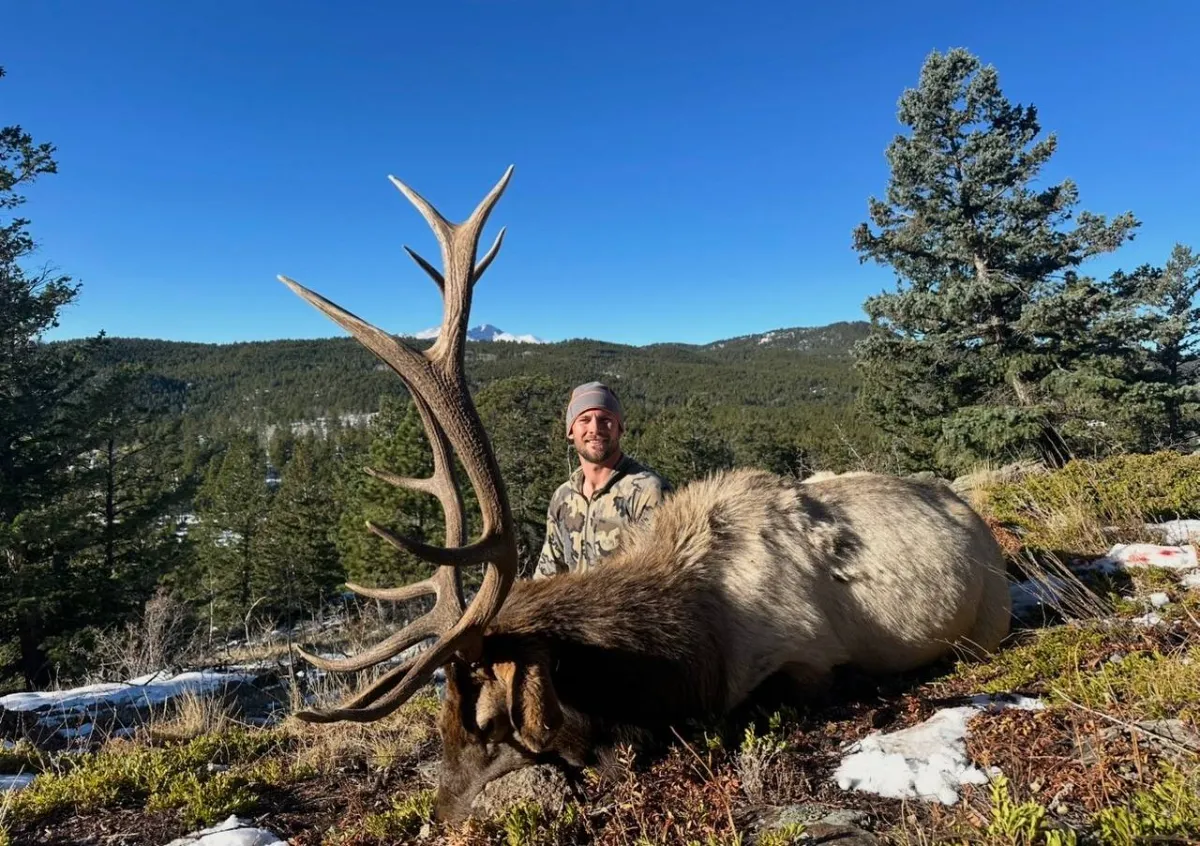
Hunting Draw Deadlines: Why Most Guys Miss Them and Lose a Season
Most hunters don’t miss a season because of bad luck. They miss it because they missed a date.
It sounds simple, but it happens every year. Guys think they’ve got time, push it off, and then realize the deadline already passed. At that point, it doesn’t matter how good your plan was—you’re done for that year.
That’s the part most people don’t take seriously enough. Draw deadlines don’t move. They don’t give reminders. You either hit them or you don’t hunt.
The mistake usually starts with timing. Most people assume deadlines fall later than they actually do. They think they’ve got until summer to figure things out, when in reality, most of the important applications are already closed by then.
A lot of states start early. Arizona and New Mexico come up fast, right at the start of the year. If you’re not paying attention in January and February, you can miss some of the biggest opportunities before most people even start thinking about hunting season.
From there, things stack up quickly. Wyoming, Utah, Colorado—all start rolling through spring. By the time late spring hits, most of the primary draws are already locked in. If you’re just getting around to it then, you’re already behind.
The real issue isn’t just missing the deadline—it’s not being ready before it shows up.
If you’re scrambling the week of the deadline trying to figure out units, odds, and what you can afford, you’re setting yourself up to make bad decisions. Rushed applications usually mean you either apply for something unrealistic or miss better opportunities that were right in front of you.
The guys who stay consistent already know what they’re doing before deadlines open. They’ve looked at units, they understand their odds, and they’ve got a plan. When the deadline hits, it’s just execution.
That’s how it should feel.
Even if you miss or don’t draw in the main round, the process isn’t over—but you still need to be ready. Secondary draws and leftover tags come up fast, and they don’t hang around. These windows are short, and if you’re not watching for them, you’ll miss those too.
A lot of hunters treat these like afterthoughts. That’s a mistake. Every year, tags get picked up in these phases by guys who are paying attention while everyone else has already checked out.
Point systems add another layer that people overlook. In some states, just building or maintaining points has its own deadline. Miss it, and you’re not just losing a year—you’re losing ground.
That’s the part that hurts long term.
Some states require you to apply or buy points every year to stay active. Skip it, and you can fall behind without even realizing it. Then you’re spending the next few years trying to catch back up.
This is where things start to get messy for most hunters. Once you’re applying across multiple states, tracking everything becomes harder than it should be. Different deadlines, different systems, different rules—it’s easy to miss something if you’re trying to keep it all in your head.
That’s usually how it happens. Not because someone didn’t care, but because they didn’t have a system.
The guys who don’t miss deadlines aren’t smarter—they’re organized. They treat it like something that needs to be managed, not remembered. They know what’s coming up, what they’ve already handled, and what’s left.
That’s the difference between staying in the game and falling out of it.
That’s also where something like TAGZ actually makes sense. Instead of trying to track everything yourself, it keeps your deadlines, applications, and states all in one place. You’re not guessing, and you’re not hoping you didn’t forget something—you know where you stand.
That alone takes a lot of pressure off.
Where most guys mess this up is predictable. They rely on memory. They wait too long. They assume deadlines are later than they are. Or they focus on the main draw and completely forget about point deadlines.
It’s rarely complicated—it’s just overlooked.
At the end of the day, deadlines are the easiest part of the entire process to control. You can’t control draw odds. You can’t control tag numbers. But you can control whether you’re in or out.
If you miss the deadline, none of the rest matters.
Was this article helpful?
Previous
Why OTC Tags Are Disappearing: The System Got Overrun
OTC tags are declining due to increased hunter demand, pressure on wildlife and habitat, and a shift toward controlled hunts that offer better long-term sustainability
Next
What Makes a Hunting Unit Hard to Draw: It’s Not Just About Big Animals
Units become hard to draw due to limited tags, high demand, nonresident caps, point systems, and hunter behavior—not just hunting quality.