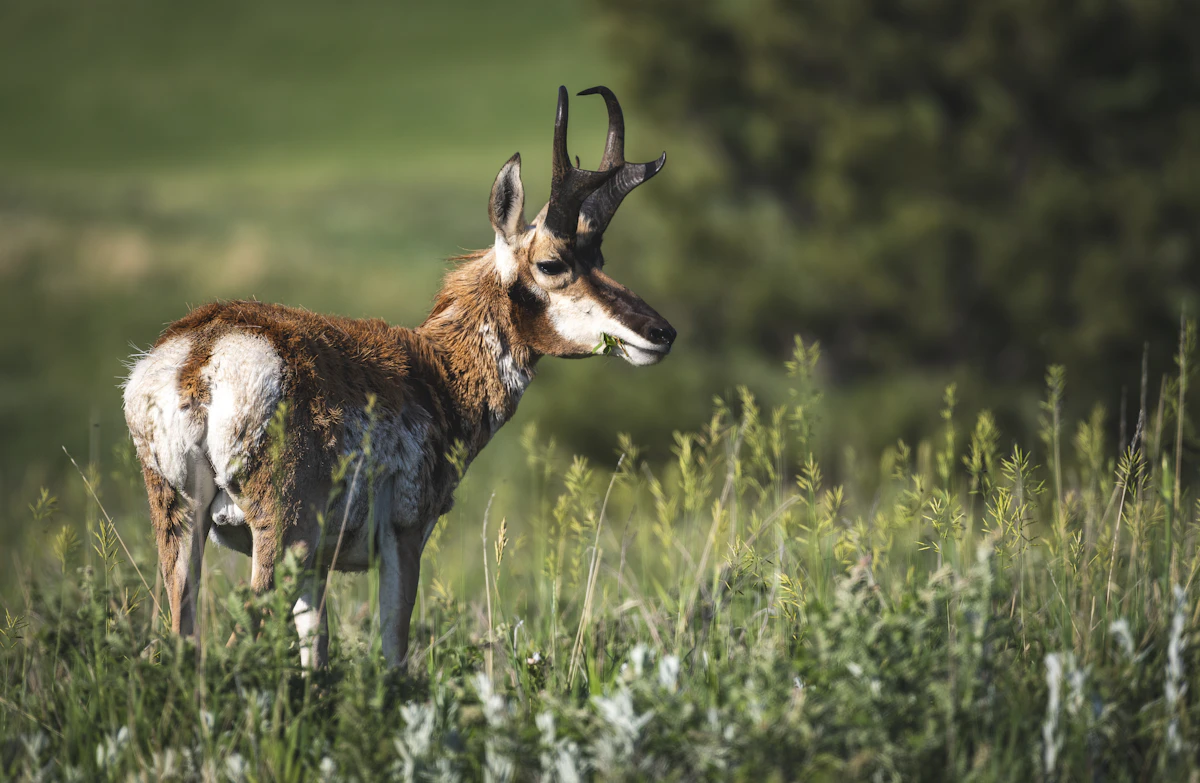
Backup Plans for Hunters
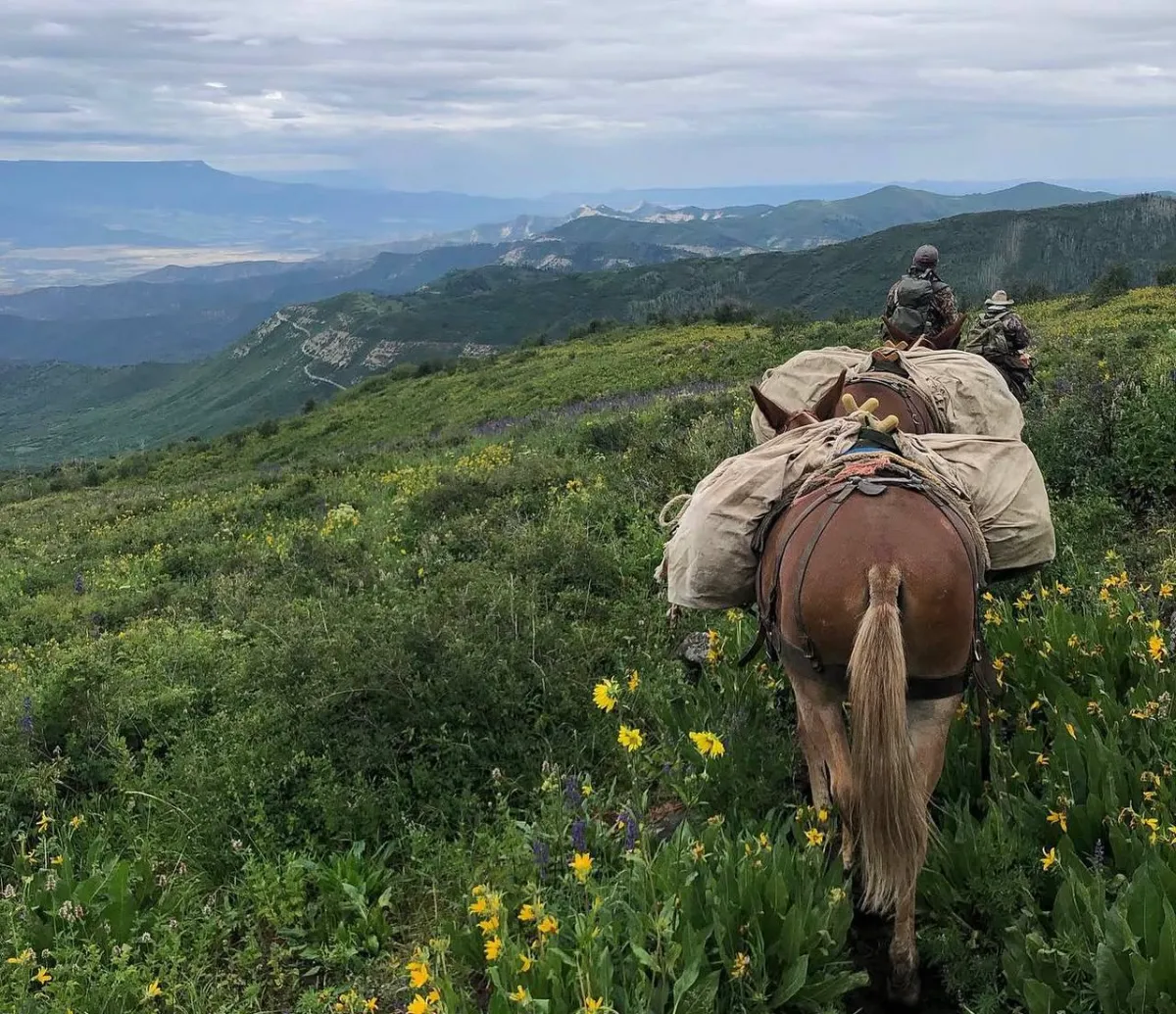
Most hunters don’t have a backup plan—they have a wish. They apply for one tag, maybe two, and hope something hits. When it doesn’t, the season’s over before it even starts.
That’s the difference right there. The guys who hunt every year aren’t luckier. They’re prepared. They’re running layers. When one option falls through, they already know what they’re doing next. They’re not reacting—they’re executing.
If you’re relying on one draw, you’re not running a system. You’re rolling dice.
The reality is, the odds aren’t in your favor. Draw systems are tighter than they’ve ever been. Nonresident caps limit opportunity, point creep keeps pushing tags further out, and more hunters are entering the system every year. Even if you’re doing everything right, you’re still going to miss draws.
That’s not failure—that’s how the system works.
The problem is most guys don’t plan for that. They build everything around the idea that they’ll draw. When they don’t, they’re stuck scrambling for whatever’s left, and by then, it’s picked over or gone.
The hunters who stay in the field don’t think like that. They assume they won’t draw—and build from there.
One of the first layers that gets overlooked is the secondary draw. These are tags that didn’t get filled the first time around, which usually means less competition. A lot of hunters don’t even pay attention to them because they’re focused on the main draw.
That’s exactly why they work.
If you’re flexible on units or timing, secondary draws can save your season before it ever falls apart. Every year, guys pick up tags here while everyone else has already checked out.
Then you’ve got leftover tags and reissues. This is where timing matters more than anything. Some states run leftover draws, others release tags first-come, first-served, and some reissue tags that get turned back in.
This is one of the most consistent ways to get into the field—but only if you’re paying attention. If you’re late, they’re gone. If you’re ready, you’ve got a real shot.
A lot of hunters ignore this layer completely, and it costs them.
Over-the-counter and capped sales still have a place too, even though they’ve changed. They’re not the easy option they used to be, but they’re still one of the fastest ways to salvage a season. More pressure, more competition, but also more immediate access.
If your goal is to hunt, not just wait, this layer matters.
Then there’s the one most guys avoid—private land and landowner tags. This is where things get real. In some states, tags can be transferred, sold, or accessed through outfitters. It’s not cheap, but it’s reliable.
That’s the tradeoff. You’re paying for certainty.
If you’re serious about not missing seasons, this is one of the strongest backup options out there. Most hunters ignore it because of cost, but the ones who use it don’t sit out.
Flexibility across species and states is another layer that separates guys who hunt from guys who wait. Too many hunters lock themselves into one animal, one state, one outcome. If that doesn’t hit, they’re done.
That’s a mistake.
If elk doesn’t line up, deer might. If one state doesn’t work, another might. Expanding your options instantly increases your chances. The more flexible you are, the harder it is to get shut out.
Sometimes it’s even smaller adjustments than that. Switching seasons, changing weapon choice, or picking a different unit can open doors you didn’t see before. Early vs late season, archery vs rifle—these decisions matter more than most people think.
The guys who stay in the field are the ones willing to adjust.
But none of this works if you’re building it after the fact. A real backup plan isn’t something you throw together when you don’t draw. It’s built ahead of time. Before results even come out, you should already know your next move.
You should know when secondary draws open. You should know when leftover tags drop. You should have alternate hunts picked out.
That’s what turns this from chaos into a system.
Timing is what separates people here. Most hunters are late. They wait for draw results, then start looking for options. By then, the best opportunities are already gone.
The hunters who stay consistent are watching everything before it happens. They’re ready when things open, not reacting after they close.
That’s how you stay ahead.
There’s also a mental side to this that doesn’t get talked about enough. A lot of guys lose momentum when they don’t draw. They get frustrated, skip a season, and fall behind. Then the system gets even harder because they’re not staying active.
The guys who keep going treat it like part of the process. Missing draws isn’t a setback—it’s expected. They plan around it, not against it.
That mindset alone keeps them in the game while others drop out.
Where most people mess this up is simple. They rely on one plan. Or they have options, but no structure behind them. Some ignore leftover and secondary opportunities. Others won’t consider private land or different species.
The biggest mistake is not preparing ahead of time.
At the end of the day, the system is built with multiple entry points. You just have to use them. If you stack enough options, it becomes hard not to hunt. If you rely on one, it becomes easy to miss.
That’s the difference between hoping for a season and making sure you have one.
Was this article helpful?
Previous
Hunting Gear That Actually Matters: Stop Overthinking It
Most hunters overthink gear. Here's what actually matters in the field—boots, pack, optics, and layering—and why a system you trust beats chasing the newest equipment.
Next
Easiest Pronghorn (Antelope) Units to Draw With 0–Low Points Across the West (2026)
Wyoming, Colorado, Montana, and New Mexico all offer antelope units you can draw with 0–3 points. Focus on access, opportunity, and hunting smart to stay in the field.