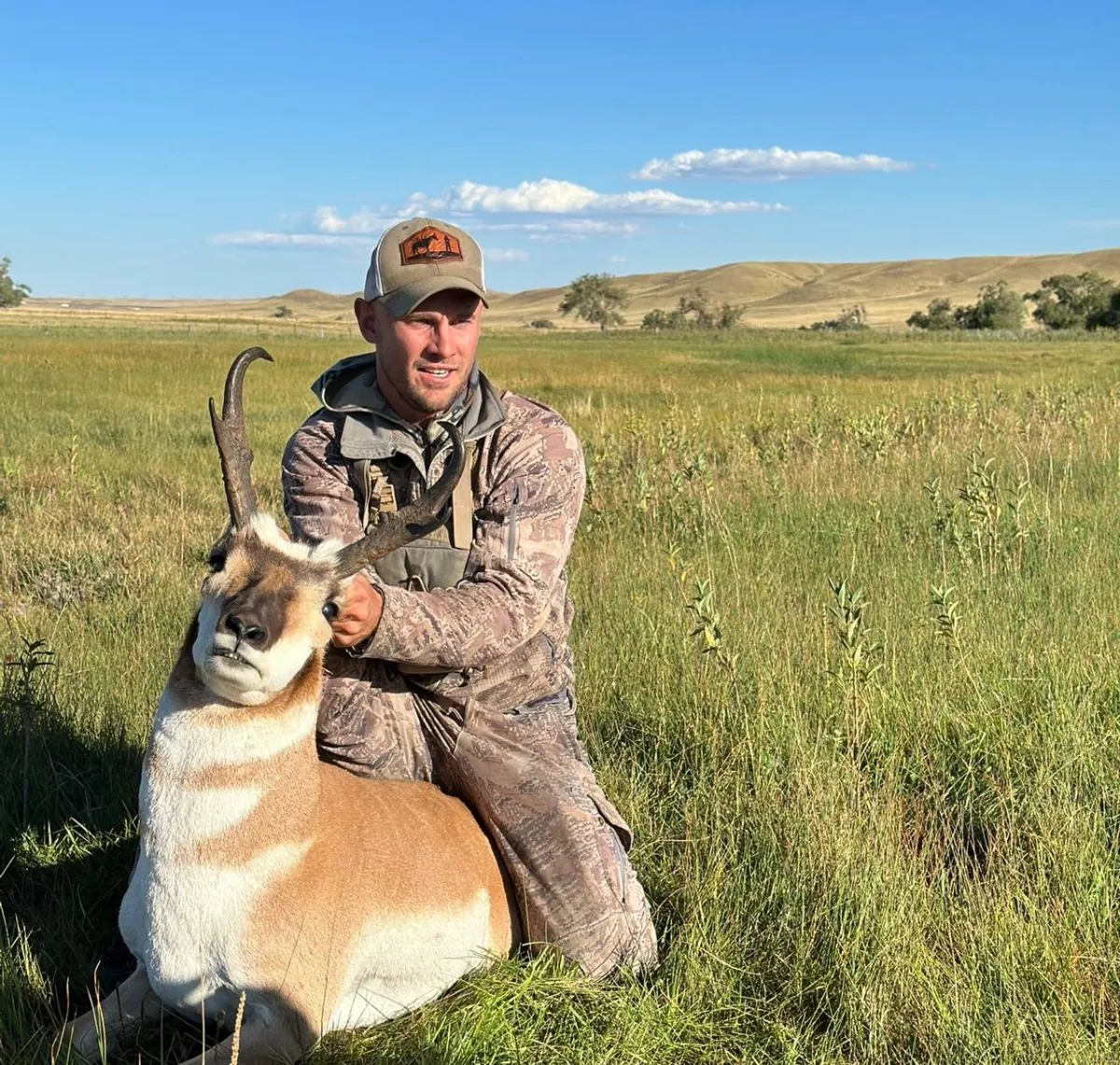
What Is OTC Hunting
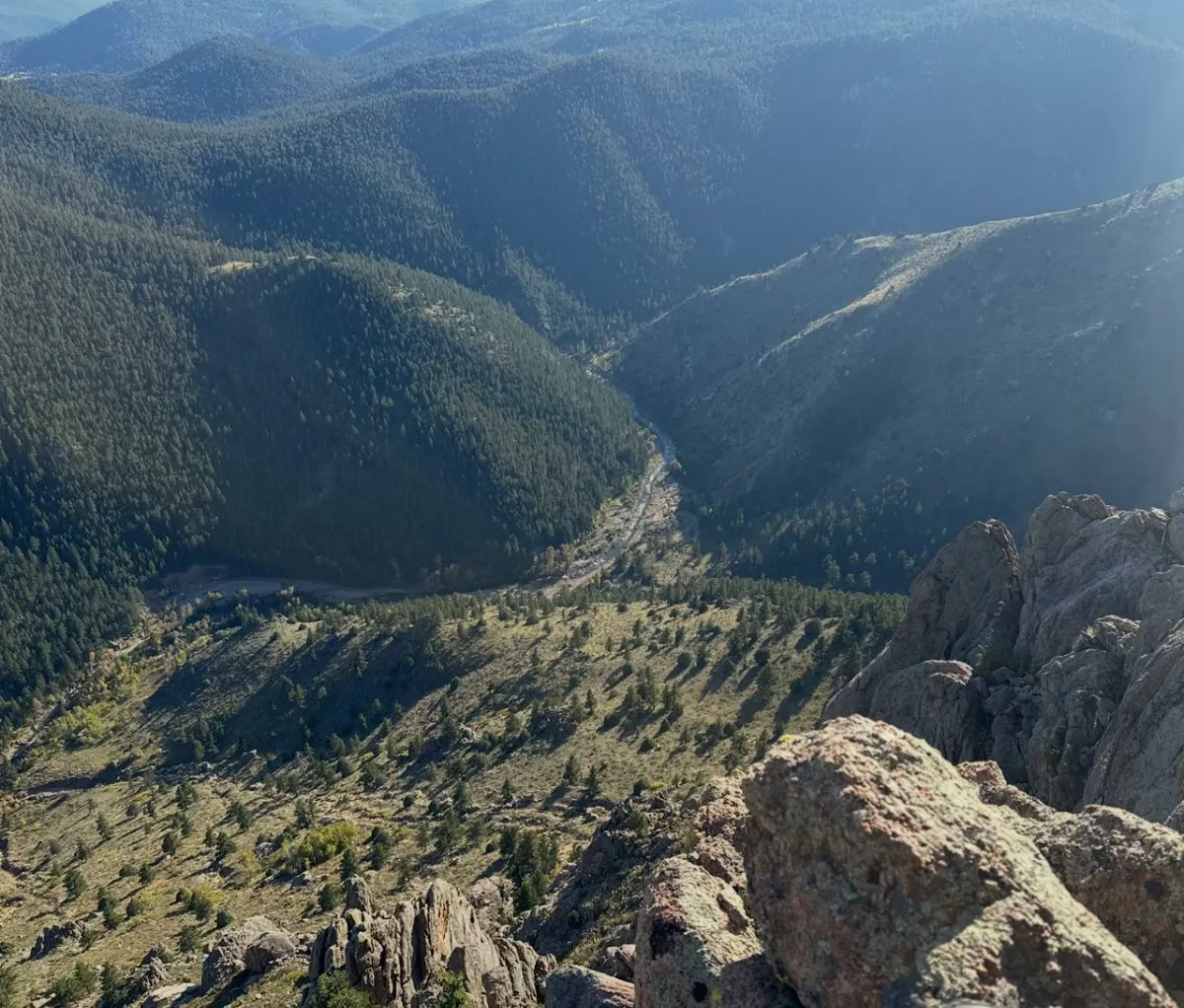
OTC hunting stands for over-the-counter hunting, which means you can purchase a tag without going through a draw, so if tags are available you can buy one and hunt that same season. It's the most direct way to get into the field, but increasing demand has changed what OTC really looks like today. In practice, OTC tags are sold either as unlimited tags or as capped tags on a first-come basis, where unlimited OTC means anyone can buy until the season starts and capped OTC means there's still a limit but it's first come, first served rather than a draw. Some states release these tags months in advance while others drop them on specific dates that sell out quickly, but either way you're skipping the draw process entirely.
Why it mattered, and what's changed
For years OTC hunting was the backbone of western hunting, letting hunters go every year without worrying about points or draw odds while building experience, learning units, and staying consistent, which is exactly why so many hunters relied on it and why pressure has increased so much. OTC isn't disappearing overnight, but it is shrinking, because more hunters enter the system every year and states respond by reducing OTC availability or converting those hunts into draw systems, so what used to be wide open is now more competitive and in some places harder to access than people expect. The opportunities that remain are limited and changing: Colorado has been one of the biggest OTC states, especially for elk, and some options still exist but changes are ongoing and pressure is high; Idaho offers some OTC-style opportunities, though many tags, especially for non-residents, have shifted into controlled sales or draws; Montana has limited OTC opportunities tied mostly to general licenses and certain regions; Oregon and Washington offer OTC or general season tags in some areas, mainly for deer and elk, but pressure can be heavy; and Alaska offers a mix of OTC-style and controlled hunts depending on species and unit, with more flexibility than most lower-48 states.
Making OTC work and where it fits
The biggest downside to OTC hunting is pressure, because easy access means more hunters in the same areas, and animals respond by moving more, using thicker cover, or shifting to less accessible terrain, so success often comes down to how well you deal with that pressure by getting away from roads, hunting deeper, and adjusting your plan. That's the core difference from controlled hunts, which limit access through a draw to reduce pressure and often improve conditions, making the tradeoff a simple one of access versus quality. From a management standpoint, OTC hunting is used where wildlife agencies want higher harvest numbers, since allowing more hunters helps manage population growth and reduce strain on habitat, but as pressure increases agencies often reduce OTC tags to protect herd health and maintain balance. The biggest driver of change is demand, because more hunters, better technology, and more information have increased participation, pushing states toward controlled systems, with Idaho moving non-resident tags into a draw and Colorado adjusting its OTC structure as clear examples of a trend toward more control, not less. OTC still works if you adjust your approach by focusing on less popular units, hunting harder-to-access areas, and being willing to move when pressure builds, because the days of easy, close-to-the-road hunting are mostly gone. Where people go wrong is assuming OTC means easy hunting, hunting obvious areas without adjusting when pressure increases, or not realizing how fast tags can sell out and missing their chance entirely. OTC hunting is still one of the best ways to stay in the field, but it's no longer the easy option it once was, and the hunters who understand how it's changing are the ones who keep making it work, which is exactly what TAGZ is built to help with, identifying opportunity units, pressure patterns, and tag timing.
Was this article helpful?
Previous
What Makes a Hunting Unit Hard to Draw: It’s Not Just About Big Animals
Units become hard to draw due to limited tags, high demand, nonresident caps, point systems, and hunter behavior—not just hunting quality.
Next
Hardest Pronghorn (Antelope) Units to Draw With the Highest Trophy Potential Across the West (2026)
Top trophy pronghorn units across Wyoming, Arizona, Nevada, and Colorado produce 80+ inch bucks but require years to draw. Western slope Colorado units offer underrated potential with less pressure.