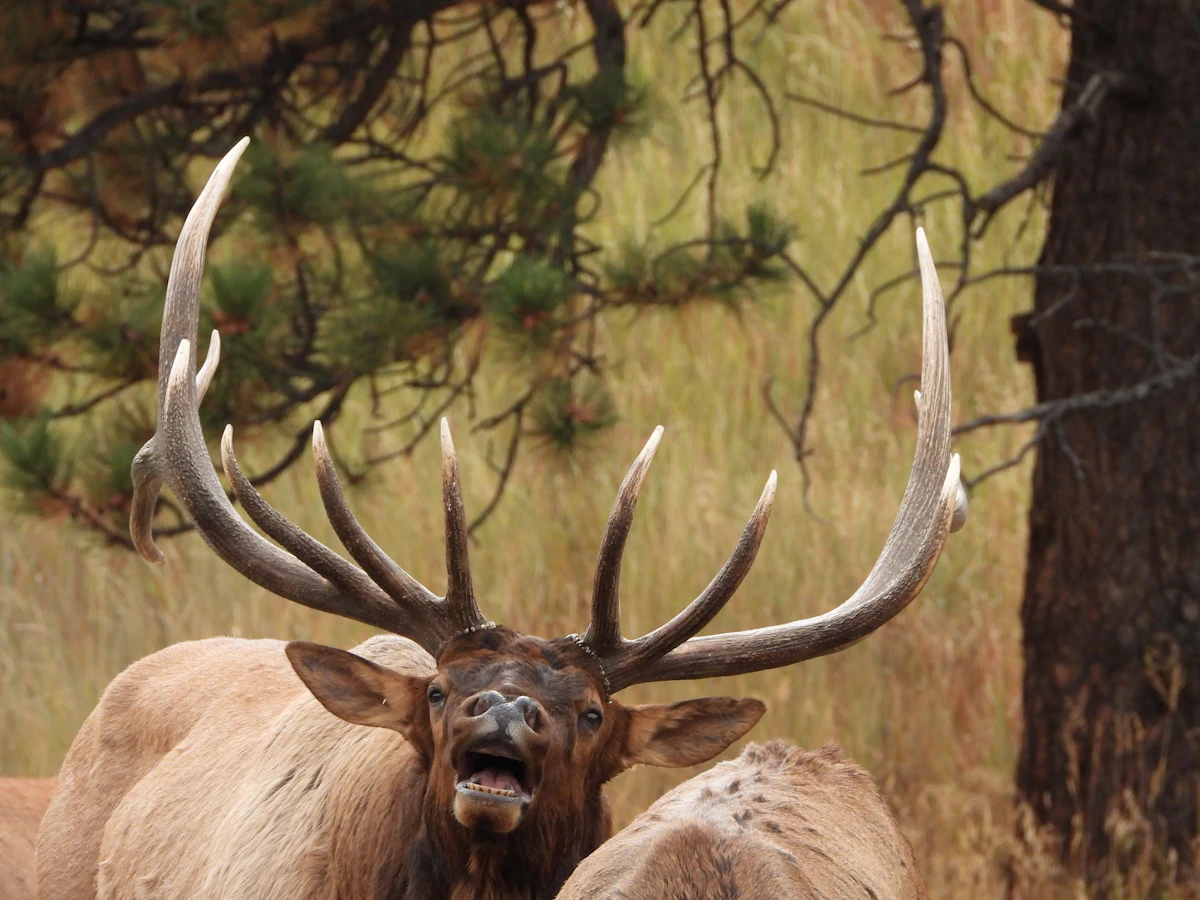
When Calling Hurts More Than It Helps: Reading the Moment Before You Reach for Your Call
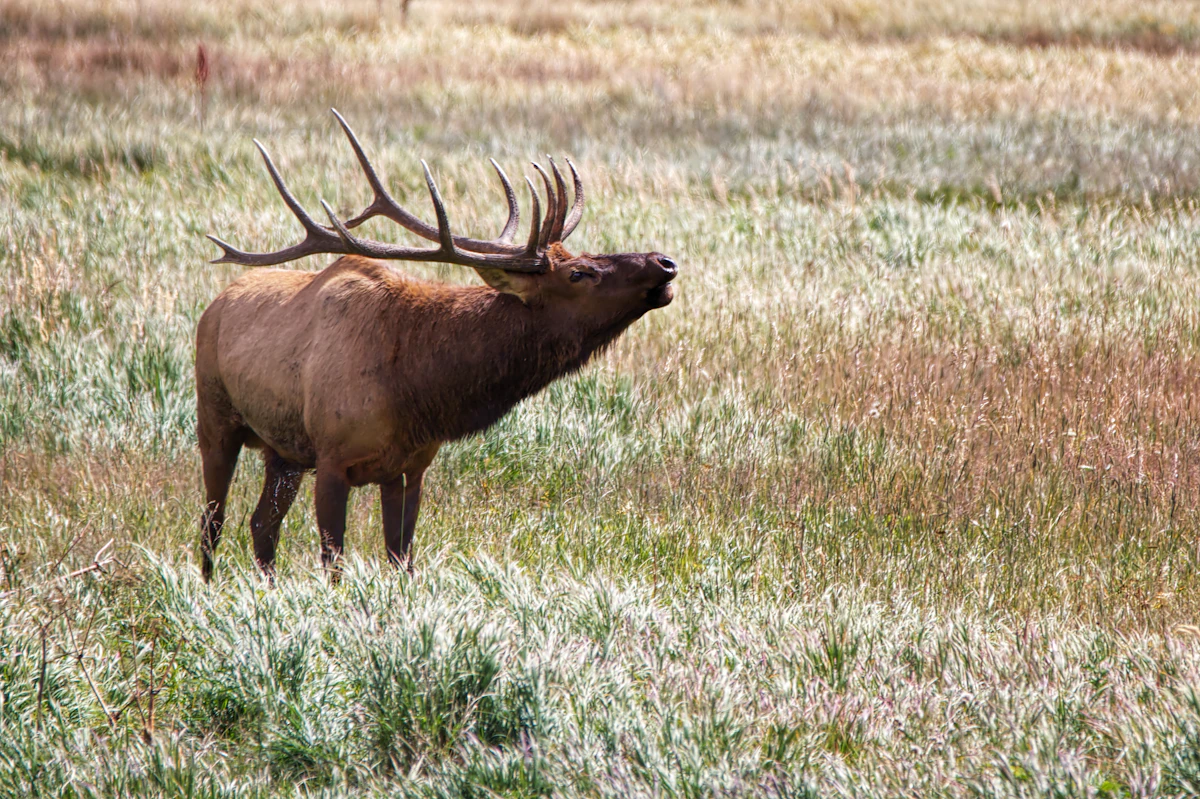
The best callers in the elk woods aren't the ones who sound the most realistic. They're the ones who know when to shut up. Every season, hunters blow opportunities not because their calling sounds bad, but because the timing was wrong. Understanding when calling hurts more than it helps separates consistently successful hunters from those who wonder why bulls hang up or bucks evaporate.
The Educated Animal Problem
By mid-September in heavily pressured units, mature bulls have heard every sequence in the book. They've watched satellite bulls get arrowed responding to cow calls. They've seen other hunters skylined on ridges, tubes in hand. These animals aren't stupid — they pattern pressure just like we pattern them.
In these situations, calling often confirms what a wary bull already suspects: something isn't right. A bull that might have worked into range out of curiosity instead locks up at 80 yards, waiting for visual confirmation that never comes the way he expects. You've given him a reason to be cautious when silence might have let his natural movement bring him closer.
The same principle applies to whitetail bucks during the rut. A mature buck that's survived four or five seasons has heard grunt tubes, bleat cans, and rattling antlers. He's learned that not every sound means what it should. In areas with significant hunting pressure, subtle calling or no calling at all often outperforms aggressive sequences.
When an Animal Is Already Committed
One of the most common calling mistakes happens when hunters can't resist adding "one more" call to an animal that's already coming. A bull responds to your location bugle and starts closing the distance. He's at 200 yards, raking a tree, clearly fired up. The temptation to keep the conversation going is overwhelming.
But here's the problem: every call you make gives that animal more information about your exact position. A committed bull doesn't need encouragement — he needs you to be quiet so he can't pinpoint you. Each additional call lets him triangulate your location more precisely, increasing the chance he'll hang up just outside bow range or circle downwind.
The rule is simple: once an animal commits and begins closing distance, go silent. Let him search. His uncertainty about your exact position often brings him closer than continued calling ever would. You can always call again if he loses interest or starts moving away. You can't uncall the sequence that made him hang up at 70 yards.
Reading Body Language Before You Call
Before reaching for any call, read what the animal is telling you. Body language reveals whether calling will help or hurt.
A bull with his head high, ears forward, and body tense is already alert. Calling to an alert animal almost always makes things worse. He's trying to identify something that's bothering him — adding sound to that equation rarely calms him down. Better to freeze, let him relax, and call later when his body language shows he's settled.
Conversely, a bull feeding casually with his head down, moving slowly through timber, is in a receptive state. This is when calling can shift his trajectory toward you. The same applies to deer — a buck cruising with his nose to the ground during the rut is looking for interaction. A buck standing rigid with his head up, staring in your direction, has already detected something wrong.
Learn to recognize the difference between curious and alarmed. Curious animals take tentative steps toward the sound, often pausing to look and listen. Alarmed animals stand frozen or begin circling. Calling to curious animals can seal the deal. Calling to alarmed animals almost always seals your fate.
The Downwind Drift
Smart bulls and bucks don't charge straight toward calling. They circle downwind to confirm with their nose what their ears are telling them. When you're calling aggressively and an animal starts drifting laterally rather than closing distance, he's not confused — he's hunting you.
Continuing to call during a downwind drift is almost always a mistake. You're holding his attention while he executes exactly the move that will blow the encounter. Once you recognize the drift, your options are to reposition quickly (if terrain allows) or go completely silent and hope he commits before reaching your wind.
This is why understanding your hunt area matters before you ever make a sound. If you're set up with a cliff or thick brush blocking the downwind approach, you can call more aggressively. If your downwind is wide open, every call you make increases the odds that a smart animal will wind you before offering a shot.
Herd Bull Dynamics
Calling to a herd bull with cows is a different game than calling to a satellite or raghorn. A herd bull has what he wants. He's not lonely, he's not searching — he's defending. Aggressive challenging sequences might get a response, but they often push the whole herd away rather than pulling the bull toward you.
Herd bulls frequently respond to challenging bugles by gathering their cows and moving in the opposite direction. They're not cowards; they're smart. Why risk a fight when he can simply relocate his harem to a place without competition? Your aggressive calling just convinced him to leave the area entirely.
With herd bulls, subtle cow calls or complete silence often work better. Cow calls can create curiosity without triggering the defensive response. Silence lets you close distance while he's focused on keeping his cows together. The goal isn't always to make him come to you — sometimes it's to not push him away while you get into position.
Early Season vs. Late Season Timing
Calling effectiveness changes dramatically as the season progresses. Early season bulls, especially younger ones, respond to almost anything. They're eager, inexperienced, and haven't been pressured yet. This is when aggressive calling produces the most dramatic responses.
But by late September and into October, the dynamic shifts. Bulls have been called to for weeks. The eager ones have been killed or educated. What remains are the survivors — animals that have learned to be cautious about responding to calls. In late season scenarios, less is almost always more. A single location bugle to get a response, followed by silence and patient positioning, typically outperforms the all-day calling marathons that work early.
The same pattern holds for deer. Early rut bucks respond aggressively to rattling and grunting. Late rut bucks, especially in pressured areas, have learned that not every grunt comes from another deer. Adjusting your calling intensity to match the season and pressure level is critical.
The Solo Setup Advantage
Calling works best when someone else is running the call while you focus on the shot. The classic caller-shooter setup exists because it solves the fundamental problem: calls pull attention directly to the sound source. When you're calling and shooting, the animal is looking exactly where you need to draw or raise your rifle undetected.
Solo hunters have to be more selective about when calling makes sense. If you can't reposition after calling, every sound you make pins you to a spot where the animal will be focused. Solo calling works best when you can call from one position, then move quickly to an ambush point before the animal arrives. Sitting in one spot and calling repeatedly as a solo hunter is a low-percentage play against mature animals.
Consider using terrain features to your advantage. Call from behind a ridge, then move to where you can see the approach. Use thick cover that forces animals to commit to a shooting lane before they can identify the call source. Planning your hunt with tools that show terrain and unit boundaries helps you identify these setups before you're in the field.
When Silence Wins
Some of the best elk and deer hunters rarely call at all. They've learned that woodsmanship — reading sign, understanding travel patterns, being in the right place at the right time — produces more consistent results than trying to manipulate animal behavior with sound.
Waterhole setups, saddle ambushes, and bedding-area approaches often work better in silence than with calling. You're playing the odds that an animal will move through a predictable location. Calling in these scenarios can actually pull animals off their natural patterns onto routes that don't bring them past you.
The hunters who consistently fill tags in tough units often describe the same thing: they called less as they got better. Not because calling doesn't work, but because they learned to recognize the situations where it does and doesn't. That recognition — knowing when to reach for the call and when to leave it in your pack — is the real skill.
Building Your Situational Awareness
Start paying attention to what happens after you call, not just whether an animal responds. Did that response lead to a shot opportunity, or did it lead to a hung-up bull you never saw again? Did your cow calls bring that buck closer, or did he circle downwind and blow out?
Keep mental notes (or actual notes) on the conditions when calling worked versus when it didn't. Time of day, stage of rut, pressure level, animal's initial behavior — these variables matter more than what call you used or how realistic it sounded. Over time, you'll develop instincts for reading situations that no article can fully teach.
The goal isn't to stop calling. It's to call with intention rather than hope. Every time you make a sound in the woods, you're giving information to an animal that's trying to figure you out. Make sure that information helps your cause rather than hurting it.
FAQ — When Calling Hurts More Than It Helps
How do I know if an animal is too pressured to call to?
Watch for immediate alertness or movement away from your first call. Pressured animals often freeze, stare toward the sound, then begin circling downwind or retreating rather than approaching. If your first subtle call gets that reaction, go silent.
Should I ever call to a bull that's already bugling?
Yes, but match his intensity and read his response. If he bugles back and moves toward you, you're in a conversation. If he bugles but moves away or goes silent, he's likely gathering cows to leave. Overcalling a vocal bull that's moving away just speeds up his departure.
What's the biggest calling mistake hunters make?
Calling to animals that are already coming. Once an elk or deer commits and starts closing distance, additional calls give away your exact position. Silence makes them search, which often brings them closer than continued calling.
Is it better to call too little or too much?
Too little. You can always add another call if an animal loses interest. You can't take back the call that made him hang up or go downwind. When in doubt, wait longer between sequences than you think you should.
Does realistic calling matter if timing is wrong?
Not really. A perfectly realistic bugle at the wrong moment still pushes animals away. A mediocre call with good timing often produces results. Focus on reading the situation first, then worry about sounding good.
How do I practice reading animal body language?
Spend time watching animals without hunting them. Early season scouting, wildlife cameras, and even watching elk in parks like Estes Park teaches you the difference between relaxed, curious, and alarmed postures. That baseline makes in-season reads much easier.
Building the skills to read calling situations starts with knowing where animals are and how they're using the landscape. TAGZ helps you analyze draw odds and identify units where your hunting style matches the terrain and pressure levels, so you can build a long-term strategy around hunts that fit how you like to hunt.
Was this article helpful?
Previous
Glunking Explained: What Western Hunters Need to Know About This Draw Strategy
Glunking is a lesser-known draw strategy where hunters intentionally burn preference points on lower-demand units to reset and rebuild. Here's when it makes sense and when it backfires.
Next
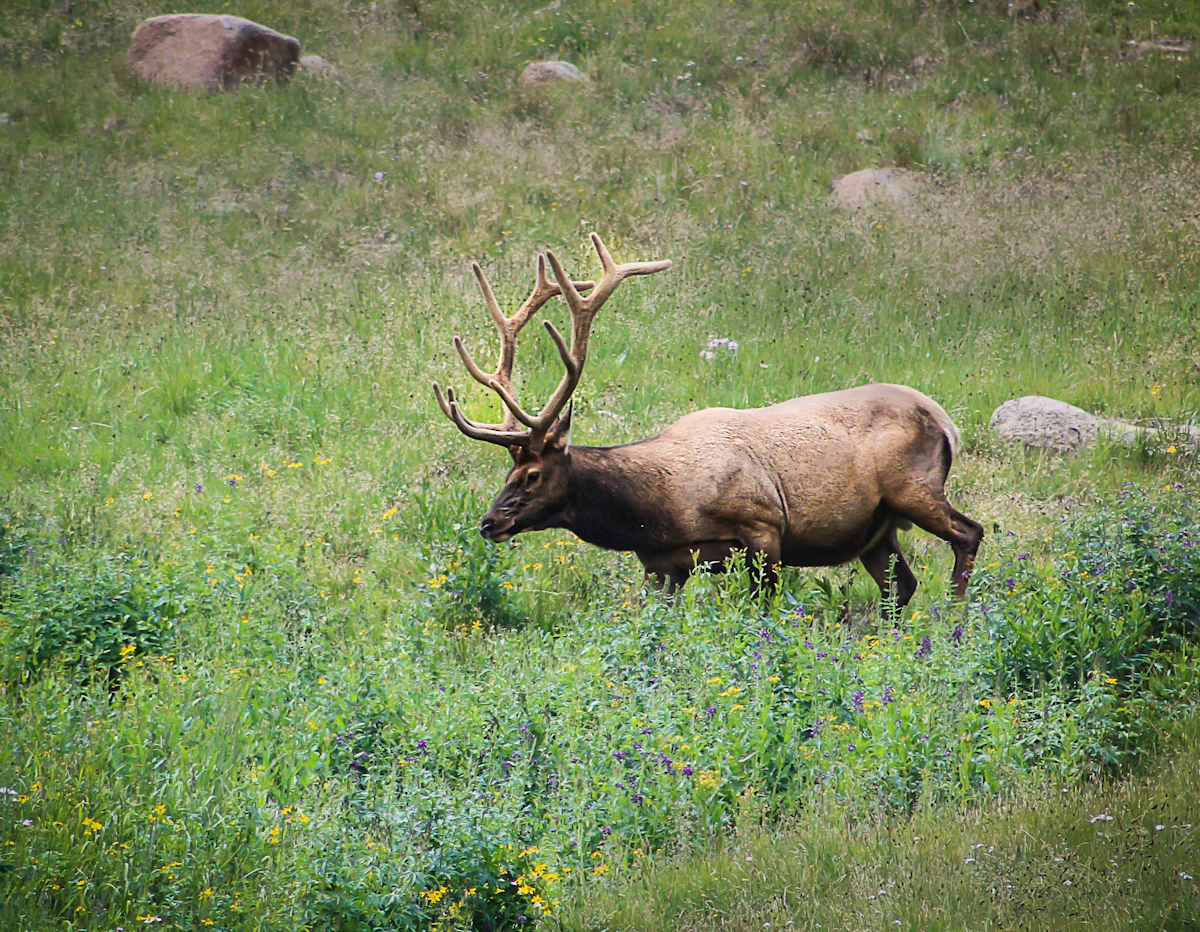
What Bulls Are Thinking During the Rut: Inside the Mind of a Rutting Elk
Understanding bull elk behavior during the rut gives hunters a critical edge. Here's what drives their decisions and how to exploit those instincts in the field.