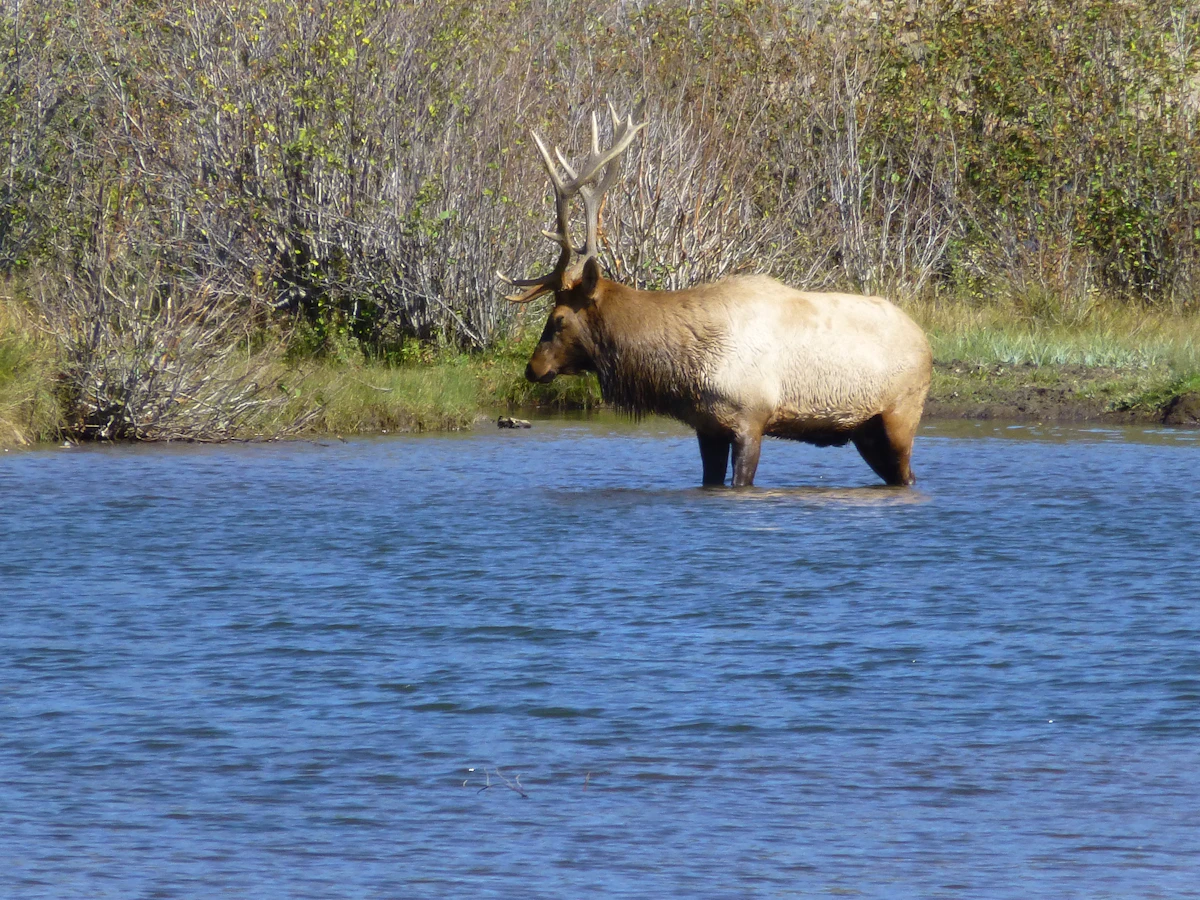
What Bulls Are Thinking During the Rut: Inside the Mind of a Rutting Elk
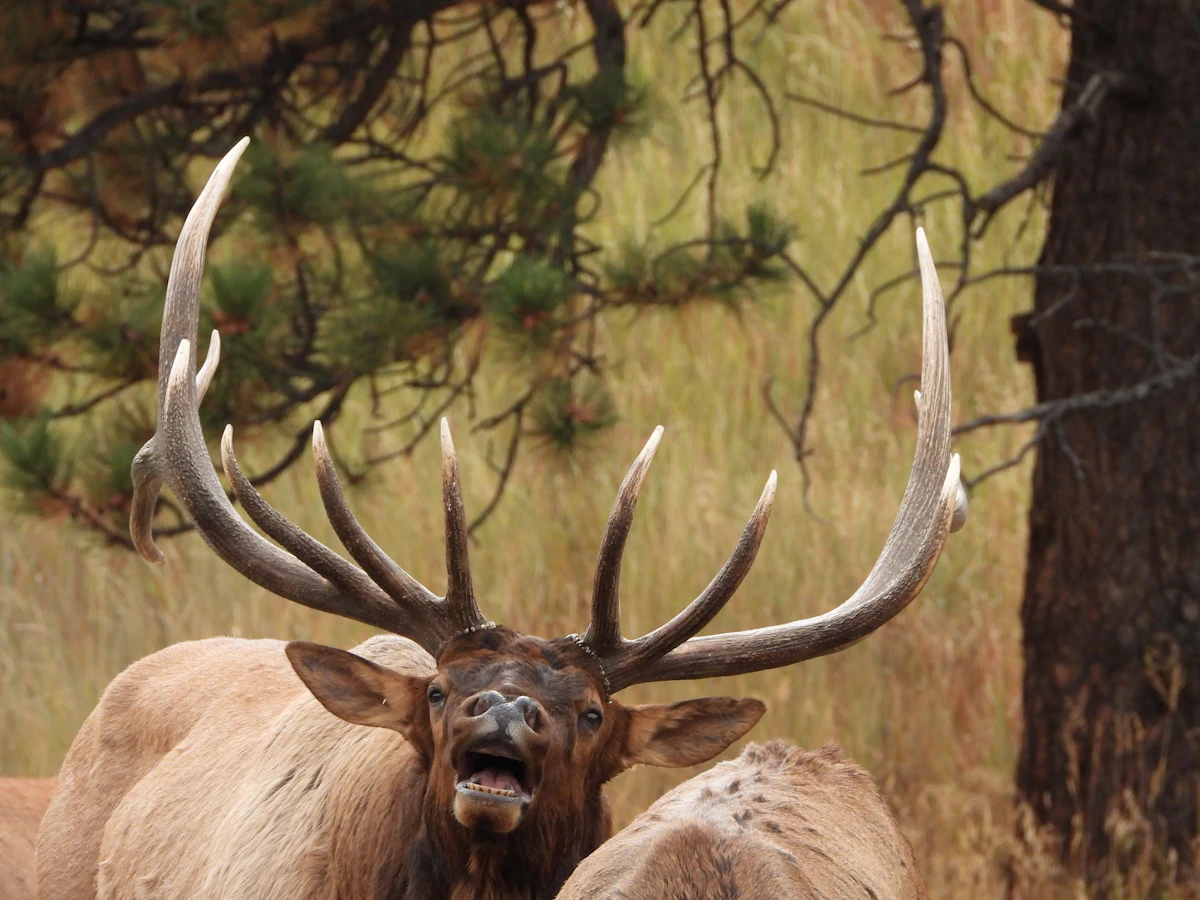
A rutting bull elk is not thinking clearly, and that's exactly why September is the best time to kill one. His brain is flooded with testosterone, his body is burning thousands of calories daily, and his singular focus on breeding makes him vulnerable in ways he won't be for the rest of the year. Understanding what's happening inside that bull's head transforms your calling sequences, setup choices, and shot opportunities.
Hormones Override Survival Instincts
For most of the year, a mature bull elk is one of the wariest animals in North America. He didn't reach six years old by making mistakes. But when testosterone peaks in mid-September, the neurological scales tip dramatically. Breeding drive begins suppressing the fear responses that normally keep him alive.
This doesn't mean bulls become stupid. It means they become willing to take risks they'd never accept in July or October. A bull that would hang up at 200 yards in August might close to 40 yards in September because the potential reward of breeding outweighs his instinctive caution. Your job as a hunter is to create scenarios where that risk-reward calculation favors aggression.
The practical takeaway: bulls respond best to calling when they believe the reward is real and immediate. Weak, tentative cow calls don't trigger the risk tolerance you need. Neither does bugling from the same position for 30 minutes. You need to sound like an opportunity that's about to disappear.
Herd Masters vs. Satellite Bulls Think Differently
Not all bulls experience the rut the same way. A herd bull with 15 cows has fundamentally different priorities than a satellite bull with none, and your tactics must account for this.
Herd Bulls Are Playing Defense
A dominant bull controlling cows is stressed, exhausted, and paranoid. He's not actively seeking more cows because he's too busy keeping the ones he has. Every bugle from another bull represents a threat. Every cow that wanders off is a crisis. He's sleeping two to three hours per night and losing up to 20 percent of his body weight over three weeks.
This bull often won't come to a bugle challenge because leaving his cows unattended is too risky. But he will respond to a cow that sounds like she's drifting away from the herd. Cow calls positioned on the edge of his herd can pull him out of the timber when a bugle won't. If you're working a herd bull, think like a cow that's giving him one more thing to worry about.
Satellite Bulls Are Playing Offense
Younger bulls and older bulls who lost their harems are hungry. They're actively searching for opportunities: cows coming into estrus away from the herd bull, small groups of cows without protection, or any sign that a herd bull is vulnerable.
These bulls often respond aggressively to bugles because they have nothing to lose. They're also more likely to investigate cow calls alone, hoping to find an unattended female. Satellite bulls are generally easier to call but often smaller. If you're specifically targeting mature bulls, recognize that the biggest herd master might require patience and subtlety rather than aggressive calling.
Timing Within the Rut Matters More Than Most Hunters Realize
The rut isn't a single three-week event with consistent behavior. It's a progression with distinct phases, each requiring adjusted tactics.
The pre-rut (late August through early September) features bulls establishing dominance hierarchies. Bugling is frequent but often posturing rather than true aggression. Bulls are responsive but not yet fully committed to risking their safety for breeding.
Peak rut (mid-September, typically September 10-25 depending on location) is when testosterone peaks and cows begin cycling into estrus. Bulls are most vocal, most aggressive, and most vulnerable. This is when a hot cow call sequence can bring a bull on a string.
Post-rut (late September into October) sees declining testosterone but continued breeding of late-cycling cows. Bulls are physically exhausted and mentally burned out. They're still callable but far less aggressive. Subtle tactics and patience work better than loud calling sequences.
Match your aggression level to the phase. Going in too hot during pre-rut can educate bulls. Being too subtle during peak rut can leave opportunities on the table.
The Role of Location and Competition
Bulls don't just respond to what they hear. They respond based on where they hear it. A bugle from 400 yards away in open timber might be ignored. The same bugle from 100 yards away in thick cover might trigger an immediate charge.
This comes down to perceived threat and opportunity. A distant call is just information. A close call is a direct challenge to either his breeding access or his territory. When you're closing distance on a bull, you're not just getting within bow range. You're escalating the social pressure in a way that forces a response.
Competition also matters. In areas with high bull-to-cow ratios, bulls are more aggressive because the stakes are higher. Every interaction could mean the difference between breeding and getting shut out. In areas where bulls have easy access to cows, they're often lazier about responding because there's no urgency. Check your draw odds data for unit-specific bull ratios when planning your hunt. Units with lower bull-to-cow ratios often have less responsive bulls.
Exploiting Their Weaknesses Ethically
Understanding bull psychology isn't about manipulating animals unfairly. It's about hunting effectively during the narrow window when elk are most vulnerable. Bulls have evolved these behaviors over thousands of years, and hunters pursuing them have been using calls and tactics for just as long.
The hunters who consistently kill good bulls are the ones who think about what the elk is experiencing rather than just what the hunter wants to happen. Every calling sequence should have a purpose. Every setup should account for wind, terrain, and how a bull is likely to approach. If you're just bugling randomly and hoping something shows up, you're not hunting. You're making noise.
Build your season strategy around what you now know about bull behavior. Use TAGZ to identify units where bull quality and hunter pressure align with your goals. Compare pricing options to access the draw odds analysis that helps you find units where mature bulls have room to reach their potential.
FAQ — Bull Elk Rut Behavior
Why won't a herd bull come to my bugle?
He's protecting cows, not seeking them. Try cow calls instead to simulate a female drifting from his herd, which forces him to respond without abandoning his group.
When is the absolute best week to hunt the elk rut?
Most Western states see peak rut activity September 15-22, though elevation and latitude shift this slightly. Earlier dates at higher elevations, later dates in southern or lower-elevation units.
Do bulls respond better to bugles or cow calls?
It depends on his status. Satellite bulls often charge bugles. Herd bulls usually respond better to cow calls. Read the situation before committing to one approach.
How far will a bull travel to respond to calling?
Aggressive bulls in peak rut may cover 400+ yards if they believe the opportunity is real. Cautious or educated bulls might not cross 100 yards of open ground regardless of what they hear.
Can I call too much and spook a bull?
Yes. Overcalling from a stationary position tells the bull exactly where you are without creating urgency. If you're calling without movement or changing tactics, a smart bull will hang up or circle downwind.
Is it worth hunting the rut in heavily pressured units?
Yes, but adjust expectations. Pressured bulls often go nocturnal or respond only to subtle tactics. Check hunter density data and consider alternative units with better bull-to-hunter ratios.
Was this article helpful?
Previous
When Calling Hurts More Than It Helps: Reading the Moment Before You Reach for Your Call
Knowing when to stay silent can be just as important as knowing how to call. This guide breaks down the situations where aggressive calling pushes animals away and how to read the moment before making a sound.
Next
The Biggest Mistakes Hunters Make Looking for Elk
From glassing the wrong terrain to bugling at the wrong time, elk hunters repeatedly make predictable mistakes that cost them opportunities. Learn the most common errors and how to fix them before your next hunt.