What Separates Successful DIY Elk Hunters from Everyone Else
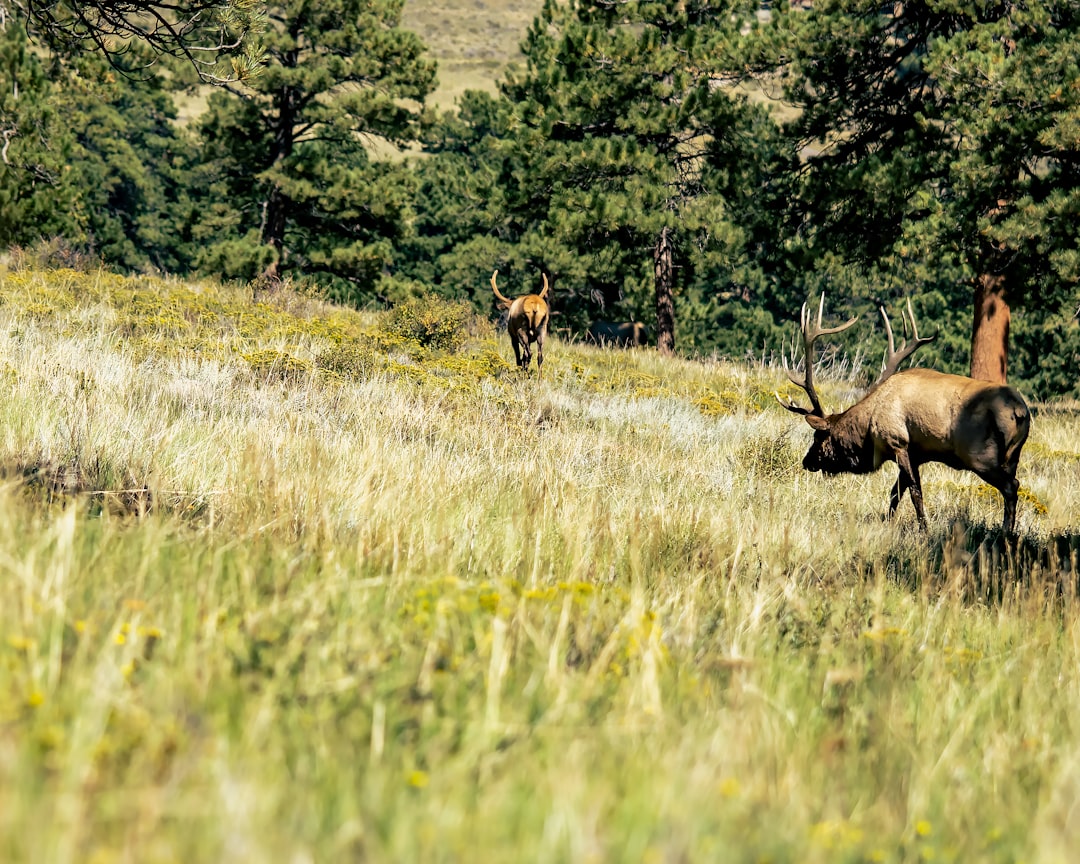
Every fall, thousands of hunters head into elk country with high hopes and heavy packs. Most go home empty-handed. A small percentage consistently fill tags year after year, often on public land, without guides or outfitters. The gap between these two groups is not luck. It comes down to specific decisions, habits, and mindsets that separate serious DIY elk hunters from casual participants.
They Scout Like It's Part of the Hunt
Successful DIY elk hunters treat scouting as seriously as the hunt itself. They are not showing up opening morning hoping for the best. They have spent weekends in the summer glassing basins, identifying travel corridors, marking water sources, and learning where elk bed during different weather patterns. They know where bugles echo at first light because they have been there to hear it.
Casual hunters might check a unit map the week before season. Serious hunters have boots on the ground months ahead. They understand that elk move predictably between feed, water, and security cover. Finding those patterns before opening day gives them a massive advantage when pressure scatters herds.
TAGZ helps hunters identify promising units using terrain maps, unit boundaries, and historical draw data. But the platform cannot replace fieldwork. Use TAGZ to narrow your search, then commit the time to learn the landscape before you ever carry a rifle or bow into it.
They Hunt Farther Than Most Hunters Will Walk
Distance from roads is one of the clearest dividing lines. Most hunters stay within a half-mile of their truck. Successful DIY hunters are comfortable going two, three, even five miles into the backcountry. They accept the harder work because they know elk learn quickly where safety lies.
By day three of rifle season, pressured elk have already shifted away from road corridors and into the steepest, nastiest terrain available. If you are hunting where everyone else is hunting, you are competing for the same shrinking pool of opportunity. Go farther, and you are hunting elk that see fewer hunters and behave more naturally.
This does not mean you need to backpack ten miles into wilderness. It means being willing to hike past the easy spots. Park where others park, then keep walking another hour. The effort filters out most of the competition.
They Adapt Quickly When Plans Fall Apart
Elk do not cooperate with your strategy. Weather changes. Other hunters move in. The herd you scouted in August is gone in September. Successful hunters adapt without losing focus.
They carry backup plans. If the basin they glassed all summer is silent, they shift to a different drainage instead of wasting days hoping elk return. If calling is not working, they switch to still-hunting or ambushing trails. If pressure pushes elk nocturnal, they adjust their timing and hunt transition zones at dawn and dusk.
Casual hunters stick to one approach and blame bad luck when it fails. Serious hunters read conditions, adjust tactics, and stay aggressive even when the original plan is dead.
They Understand Elk Behavior Better Than Unit Statistics
Draw odds and point creep matter when choosing where to apply. But once you are in the field, success comes down to understanding elk. Successful hunters know how elk respond to pressure, how wind shifts affect their movement, and how terrain dictates where they feel safe.
They have learned these lessons through experience, not articles. They have watched herds react to gunshots. They have tracked bulls into dark timber and learned where they bed. They have failed enough times to recognize what does not work.
TAGZ gives you the tools to compare units side by side using terrain maps, public land data, and draw history. It helps you make smarter application decisions and track preference points across multiple states. But no platform can teach you how elk think. That comes from time in the field and paying attention to what the animals tell you.
They Prioritize Fitness Year-Round
Elk country is unforgiving. Successful DIY hunters train for it. They are running hills in July, carrying weighted packs in August, and showing up in September ready to hike hard every day without breaking down.
Fitness is not optional when you are hunting miles from the truck in steep terrain at altitude. It dictates how far you can go, how long you can stay out, and whether you can pack an elk out without calling for help. Casual hunters underestimate this. They arrive out of shape and spend the hunt struggling to breathe instead of focusing on elk.
If you want to hunt where successful hunters hunt, you need to be able to get there and back without your body quitting.
They Hunt During the Week When Possible
Weekend warriors face the worst pressure. Successful DIY hunters, when they can, take time off mid-week. Fewer hunters mean less pressured elk and more natural behavior. If you are locked into weekend-only hunting, you are competing with everyone else who has the same schedule.
Taking Monday through Wednesday off during archery season or mid-week during rifle season can double your odds. Elk that were hiding on Saturday are often feeding openly by Tuesday. Pressure drops, and so does competition for camping spots and parking.
If you cannot take weekdays off, focus on hunting the edges of weekends. Early Monday morning or late Thursday afternoon can give you a window before the weekend crowd arrives.
They Learn From Every Failed Hunt
Successful hunters do not see empty tags as wasted trips. They see them as education. Every failed stalk, every missed opportunity, every herd that slipped away teaches something. They take notes. They remember what did not work and adjust for next time.
Casual hunters blame conditions or bad luck. Serious hunters ask what they could have done differently. Did they approach from the wrong angle? Move too fast? Hunt the wrong elevation? Miss a pattern they should have noticed?
This mindset compounds over years. A hunter who learns from failure gets better every season. A hunter who blames external factors stays stuck.
They Invest in Quality Gear and Know How to Use It
Successful DIY elk hunters do not need the most expensive gear, but they invest in reliable equipment and know how to use it. Their boots fit. Their packs are dialed in. Their optics are good enough to glass effectively at distance. They have tested their rifle or bow and know exactly where it shoots.
They also know how to field dress an elk, quarter it efficiently, and pack it out without wasting meat or time. These are not skills you learn on the first hunt. They are built through practice and repetition.
Gear matters, but only if you have put in the work to use it correctly. A $3,000 rifle means nothing if you have not practiced shooting from field positions at varying distances.
They Hunt Solo or With the Right Partners
Many successful DIY hunters hunt alone. Solo hunting forces you to be self-reliant, quiet, and deliberate. It also gives you complete control over pace, timing, and strategy. There is no negotiating where to go or waiting for someone else to catch up.
When they do hunt with partners, they choose carefully. Good hunting partners share the same work ethic, stay quiet, and hunt independently without constant coordination. Bad partners slow you down, make noise, and turn the hunt into a social trip instead of a focused effort.
If you are serious about success, hunt with people who match your intensity or hunt alone.
They Focus on Meat, Not Antlers
This might sound contradictory, but many of the most successful DIY hunters are not trophy obsessed. They are focused on filling the freezer. That mindset keeps them flexible. They will shoot a raghorn or a cow if it means bringing home meat. They are not passing opportunities waiting for a 350-inch bull that might never show.
Trophy hunters often go home empty because they are hunting for one specific animal. Meat hunters are hunting for elk, period. That broader focus increases their odds and keeps them aggressive throughout the season.
If you want to fill tags consistently, hunt elk, not inches.
They Use Technology as a Tool, Not a Crutch
Successful DIY hunters use tools like TAGZ to research units, compare draw odds, track preference points and bonus points, and identify promising areas before they ever apply. They use onX or Gaia for navigation and unit boundaries. They use weather apps to predict wind and temperature shifts.
But they do not rely on technology to do the hunting for them. Apps cannot tell you where elk are today. Maps cannot predict how a herd will react to pressure. Technology helps you make better decisions, but success still comes down to boots on the ground and reading what the mountain is telling you.
TAGZ gives you the decision-making platform to simplify western hunting applications and hunt planning. It helps you filter hunts by weapon, season, and species, track draw deadlines across multiple states, and compare units using terrain breakdowns and public land information. But once you draw the tag, the work is on you.
They Commit Fully to the Hunt
Maybe the biggest separator is commitment. Successful DIY hunters do not treat elk hunting as a casual hobby. They structure their year around it. They save money, train hard, scout relentlessly, and show up ready to hunt every single day of the season if that is what it takes.
They are not distracted by side trips or sightseeing. They are not checking their phone every hour. They are hunting with singular focus until they punch a tag or the season ends.
Casual hunters hope for success. Serious hunters expect it because they have done everything possible to earn it.
FAQ — DIY Elk Hunting Success
What is the biggest mistake DIY elk hunters make?
Staying too close to roads and not adapting when their initial plan fails. Most hunters give up after a few days of slow action instead of adjusting tactics and pushing deeper.
How far should I hike from the road to find unpressured elk?
Two to three miles is a good baseline during rifle season. Archery season you can sometimes find success closer, but distance always improves your odds by filtering out casual hunters.
Do I need to be in perfect shape to hunt elk?
No, but better fitness directly increases your success. You do not need to be an ultramarathoner, but you should be able to hike several miles with a weighted pack at altitude without struggling.
Is it better to hunt solo or with a partner?
Solo gives you the most control and forces self-reliance. Hunting with the right partner can improve safety and help with packing out meat, but only if they match your work ethic and hunting style.
How important is scouting compared to research?
Research helps you pick the right unit. Scouting helps you kill elk in that unit. Both matter, but boots-on-the-ground scouting is what separates hunters who know the unit from hunters who fill tags.
Can I be successful without expensive gear?
Yes. Reliable boots, good optics, and a weapon you have practiced with matter more than brand names. Successful hunters invest in quality where it counts and skip the hype everywhere else.
Continue Planning Your Hunt
If you are ready to make smarter application decisions and improve your DIY elk hunting strategy, start by identifying units that match your goals. TAGZ helps you compare units side by side using terrain maps, unit boundaries, and historical draw data. Track your preference points and bonus points across multiple states so you never miss a draw deadline.
Whether you are chasing OTC tags or planning a trophy limited-entry hunt, TAGZ gives you the tools to make smarter decisions before you ever step into the field. Explore more hunt planning resources on the TAGZ Insights page, compare subscription options on our pricing page, or get started by creating an account on our home page.
Was this article helpful?
Previous
7 Common Mistakes First-Time Elk Hunters Make (And How to Avoid Them)
Most first-time elk hunters make the same preventable errors that cost them opportunities. Learn the most common mistakes—from conditioning to calling—and how to hunt smarter from day one.
Next
Florida Black Bear Hunting: Complete Beginner's Guide
Florida's black bear season offers a rare opportunity for hunters willing to navigate a complex draw system and densely vegetated terrain. This guide covers everything from eligibility and draw odds to gear selection and field tactics for hunting one of the state's most elusive trophies.