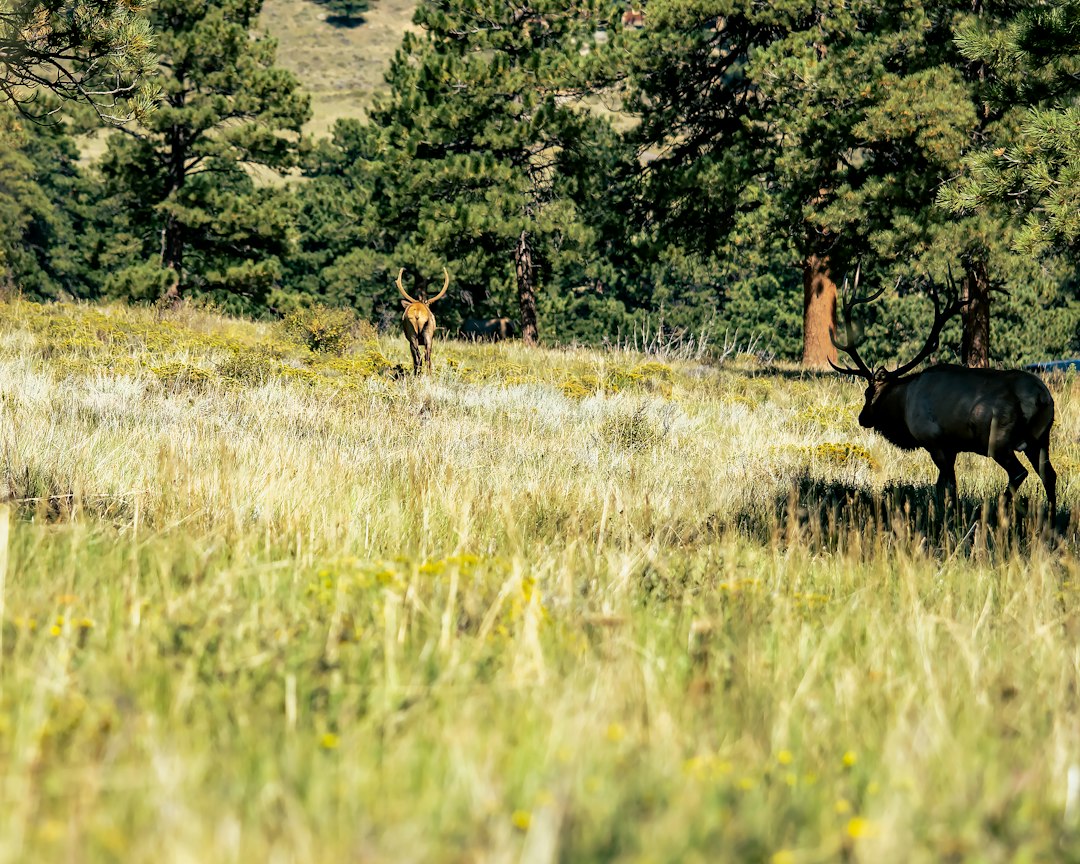
Utah Mule Deer Draw Odds With Five Points: What 2027 Applicants Need to Know
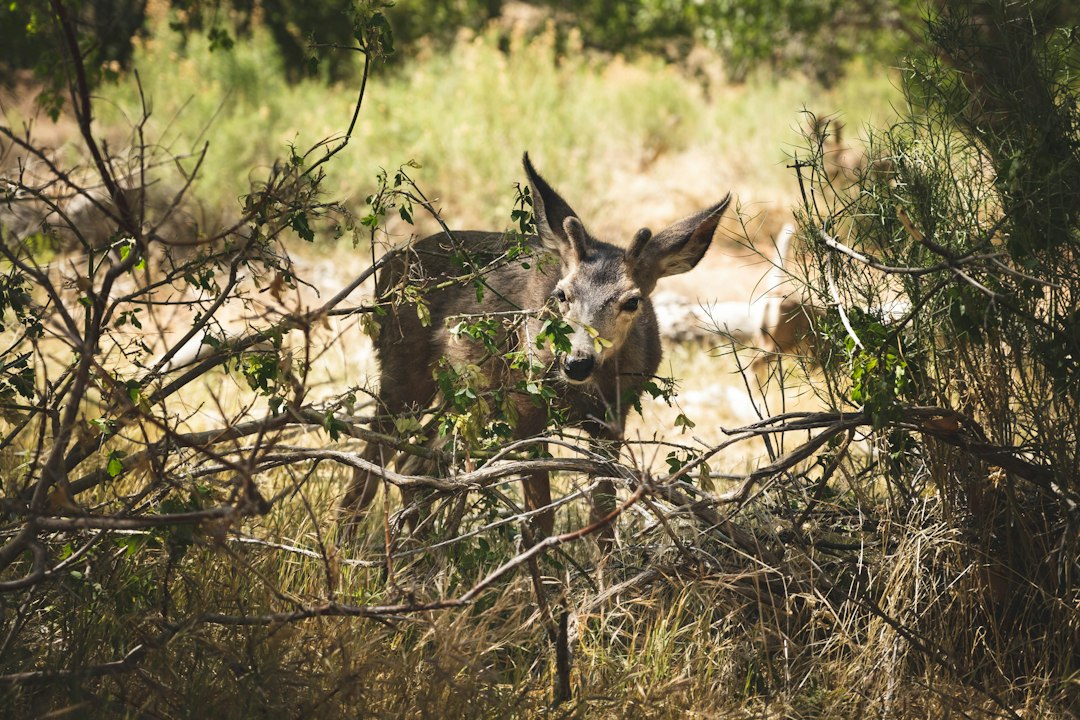
Five preference points in Utah's mule deer draw puts you in serious contention for quality hunts, but the units you can realistically draw vary widely by weapon type and region. With five points, nonresidents can draw several premium general-season any-legal-weapon tags and gain competitive odds in mid-tier limited-entry units, while residents have even broader options across both general and limited-entry categories. The key is matching your points to units where historical draw data shows consistent success at the five-point threshold, rather than chasing trophy units that require a decade or more.
How Utah's Preference Point System Works for Mule Deer
Utah operates a true preference point system for big game, meaning applicants with more points draw ahead of those with fewer points. When you apply for a mule deer permit and don't draw, you automatically receive one preference point for that species. Points accumulate indefinitely until you draw a limited-entry permit, at which point your points reset to zero for that species only. General-season permits do not consume your points, allowing you to hunt annually while building points for limited-entry opportunities.
The draw runs in a straightforward bonus structure. If 100 tags are available and 200 applicants have five points while 150 applicants have six points, all six-point applicants draw first. Once they're satisfied, the remaining tags go to the five-point pool in a random draw. This means five points guarantee nothing unless you're applying for a unit where five points meet or exceed the maximum point holder. Understanding where the point creep sits for your target units is essential.
Utah's system treats residents and nonresidents separately, with most limited-entry deer units allocating up to 10% of permits to nonresidents. General-season units split tags differently depending on the specific hunt, but nonresidents face much tighter competition due to smaller allocations. Residents with five points have significantly better odds across nearly every unit category.
General-Season Units Accessible With Five Points
General-season any-legal-weapon mule deer tags in Utah are the most accessible option for five-point holders, particularly for nonresidents. These hunts don't consume preference points, so you can draw one annually while continuing to accumulate points for limited-entry hunts. However, not all general-season tags are guaranteed draws. Some high-demand general units require multiple points even for the general season.
Nonresidents with five points typically draw general-season any-legal-weapon tags in units like the Southwest Desert (statewide) or the Northern Region hunts without issue, though specific unit demand fluctuates based on recent harvest data and word-of-mouth reputation. Recent draw reports show five points puts nonresidents at or above the cutoff for most general any-legal-weapon tags, though a few high-profile units occasionally creep higher.
Residents face almost no competition for general-season tags at five points, drawing nearly any general unit they prefer. The general archery and muzzleloader seasons also see lower point requirements than any-legal-weapon, often drawing with zero to two points for most units. If you're sitting at five points and want to hunt this year, a general-season tag is a safe bet while you scout for limited-entry opportunities.
Limited-Entry Units Within Reach at Five Points
Five points open the door to several limited-entry muzzleloader and archery hunts, plus a narrow selection of limited-entry any-legal-weapon units. Limited-entry hunts offer better buck-to-doe ratios, higher age-class bucks, and more restrictive harvest management than general units. These tags consume your points upon drawing, so choosing the right unit matters.
For muzzleloader hunters, five points puts you in the mix for mid-tier units like the Nine Mile (Muzzleloader), South Slope (Muzzleloader), and certain hunts on the Wasatch Mountains. Draw odds at this level typically range from 15% to 40% depending on the year and exact hunt code. You're competitive but not guaranteed, meaning you may apply multiple years before drawing even with five points.
Archery hunters with five points can draw several limited-entry archery tags with good odds. Units like Cache/East and certain Book Cliffs archery hunts often draw at or below five points for residents, though nonresidents face tighter odds. Archery tags generally require fewer points than any-legal-weapon tags for the same unit due to weapon-specific management and lower applicant competition.
Any-legal-weapon limited-entry hunts are the most competitive, but five points puts you on the radar for a few units. The lower-tier limited-entry any-legal-weapon units occasionally draw at five points for residents, though most premier units require eight to fifteen points or more. Nonresidents with five points rarely draw limited-entry any-legal-weapon tags except in the lowest-demand units where applicant pools are small.
Regional Variations in Draw Competition
Point creep and competition vary significantly by region. Northern Utah units near the Wasatch Front see heavier applicant pressure due to proximity to population centers, while remote southern and eastern units often draw with fewer points despite comparable or better hunting quality. The Book Cliffs, La Sal Mountains, and Henry Mountains are classic examples of high-demand units where point creep runs well ahead of five points for any-legal-weapon tags.
Southwestern Utah units, particularly those in the Paunsaugunt and Zion regions, command high point totals due to trophy potential and public reputation. Five points won't crack these units for any-legal-weapon hunts, though archery and muzzleloader hunts in the same regions may be accessible. The Cache, Box Elder, and East Canyon units in northern Utah offer solid hunting but draw heavy local interest, making five points competitive but not dominant.
Eastern Utah's remote units like the San Juan and Nine Mile offer some of the best odds for five-point holders willing to travel. These hunts see fewer applicants despite excellent mule deer habitat and mature buck potential. If you're sitting at five points and prioritize drawing over waiting for a marquee unit, eastern and southern remote units deliver the best odds-to-quality ratio.


Free to join
Download mobile app
- Detailed draw odds
- Point tracking
- Deadline reminders
- 19 states covered





Free to join
Download mobile app
- Detailed draw odds
- Point tracking
- Deadline reminders
- 19 states covered






Free to join
Download mobile app
- Detailed draw odds
- Point tracking
- Deadline reminders
- 19 states covered

Resident vs. Nonresident Draw Realities
The resident-nonresident split dramatically affects what five points can draw. Residents with five points have realistic odds at mid-tier limited-entry muzzleloader and archery tags, plus guaranteed draws for nearly all general-season hunts. Nonresidents face a much tighter funnel. The 10% nonresident allocation on limited-entry hunts means nonresidents compete for a fraction of the tags, pushing effective point requirements higher.
For nonresidents, five points is enough to draw most general-season any-legal-weapon tags and puts you in the running for a handful of limited-entry muzzleloader or archery hunts in low-demand units. Premium limited-entry any-legal-weapon tags remain out of reach. Many nonresidents use five points to draw a general-season tag while continuing to apply for limited-entry hunts as their points accumulate, maximizing hunt frequency without burning points prematurely.
Residents often face the strategic choice of burning five points on a mid-tier limited-entry hunt or banking points for another two to three years to access higher-quality units. The opportunity cost of drawing at five points versus waiting for eight or ten points is a personal decision based on how often you want to hunt versus how selective you want to be about trophy potential.
Strategic Application Choices for 2027
Applying in 2027 with five points requires balancing odds, hunt quality, and point-burning strategy. If you want to hunt this year, apply for a general-season tag as your first choice and a limited-entry hunt as your second and third choices. Utah's application system processes choices in order, so you'll draw the general tag without consuming points, then remain in the limited-entry draws with your points intact if you don't draw your top limited-entry choices.
If you're willing to wait for a better unit, apply only for limited-entry hunts where five points gives you legitimate odds. Study the previous three years of draw reports to identify units where the maximum point holder had five or six points. These are your best targets. Units where the max point holder had ten or more points are unrealistic and waste your application unless you're banking on a fluke.
Group applications with other five-point holders can improve odds slightly by averaging points, though Utah's system doesn't heavily favor groups the way some states do. If you're applying with a partner, ensure both applicants have similar point totals to avoid averaging down. Solo applicants should focus on units where historical data shows consistent five-point draws rather than hoping for statistical noise.
Point Creep and the Five-Point Window
Point creep in Utah is real but manageable for mid-tier units. The most prestigious units see one to two points of creep per year, meaning a unit that drew at eight points five years ago may now require ten. Units that consistently draw at five to six points tend to creep more slowly because they're middle-tier choices rather than bucket-list hunts.
Five points in 2027 likely represents a stable window for a specific tier of hunts. If you draw at five points this year, you'll have hunted a quality unit without waiting a decade. If you wait another year or two to reach six or seven points, you'll unlock a slightly higher tier but risk those units creeping further. The calculus depends on whether you value hunting sooner or holding out for a marginally better unit.
Tracking draw odds year-over-year helps predict where five points will land in 2027. Units that drew at four points last year but five points this year show upward pressure. Units that have drawn at five points for three consecutive years show stability. Focus on stable or slightly softening units rather than betting on downward swings in high-demand areas.
FAQ — Utah Mule Deer Draw With Five Points
Can I draw a Utah general-season mule deer tag with five points?
Yes. Five points puts both residents and nonresidents well above the cutoff for nearly all general-season any-legal-weapon mule deer tags. General tags don't consume your points, so you can hunt annually while building points for limited-entry opportunities.
Will five points draw a limited-entry any-legal-weapon mule deer tag in Utah?
Five points gives you competitive odds for a few low-demand limited-entry any-legal-weapon units, but most premium units require eight to fifteen points or more. Your best odds at five points are in limited-entry muzzleloader or archery hunts, where weapon-specific competition is lower.
Do nonresidents have the same draw odds as residents with five points?
No. Nonresidents compete for 10% or less of limited-entry tags, making effective point requirements higher. Residents with five points have significantly better odds across all hunt categories. Nonresidents should focus on general-season tags and low-demand limited-entry muzzleloader or archery hunts.
Should I burn my five points on a mid-tier unit or keep building points?
It depends on your priorities. If you want to hunt quality mule deer sooner, five points draws several solid limited-entry muzzleloader and archery tags. If you're willing to wait two to four more years, seven to nine points unlock higher-tier units. Point creep is gradual at this level, so waiting a few years is reasonable if you prefer delayed gratification.
Which Utah mule deer units draw most consistently at five points?
Mid-tier limited-entry muzzleloader hunts like Nine Mile and South Slope, plus limited-entry archery hunts in Cache and certain Book Cliffs areas, have historically drawn at or near five points for residents. Nonresidents see tighter odds but can still draw these tags. Check the previous three years of draw reports for the most current data.
Does applying for a general-season tag first waste my limited-entry chances?
No. Utah processes choices in order and awards the first available tag without consuming points unless it's limited-entry. Apply for a general tag as your first choice and limited-entry hunts as subsequent choices. You'll draw the general tag and stay in the limited-entry pool with your points intact if you don't draw your top limited-entry picks.
Was this article helpful?
Previous
Arizona Nonresident Mule Deer Draw Odds 2027: What Out-of-State Hunters Need to Know
Arizona's bonus point system gives nonresidents realistic odds in quality mule deer units, but strategy matters. Here's how to navigate the 2027 draw and pick units that match your point total.
Related
Montana Big Game Combination Draw Odds 2027: Point Requirements & Success Rates by Region
Montana's 2027 big game combination licenses require 0-3 preference points for most nonresidents, with the best draw odds in Regions 2, 3, and 4. Elk-deer combos draw easier than deer-only licenses in high-demand districts.

Next
Colorado Big Game Draw 2027: Application Deadlines, Preference Points & Strategy
Colorado's 2027 big game draw opens in early April with separate deadlines for deer, elk, pronghorn, bear, and moose. Learn how preference points work, what changes for 2027, and how to maximize your odds.