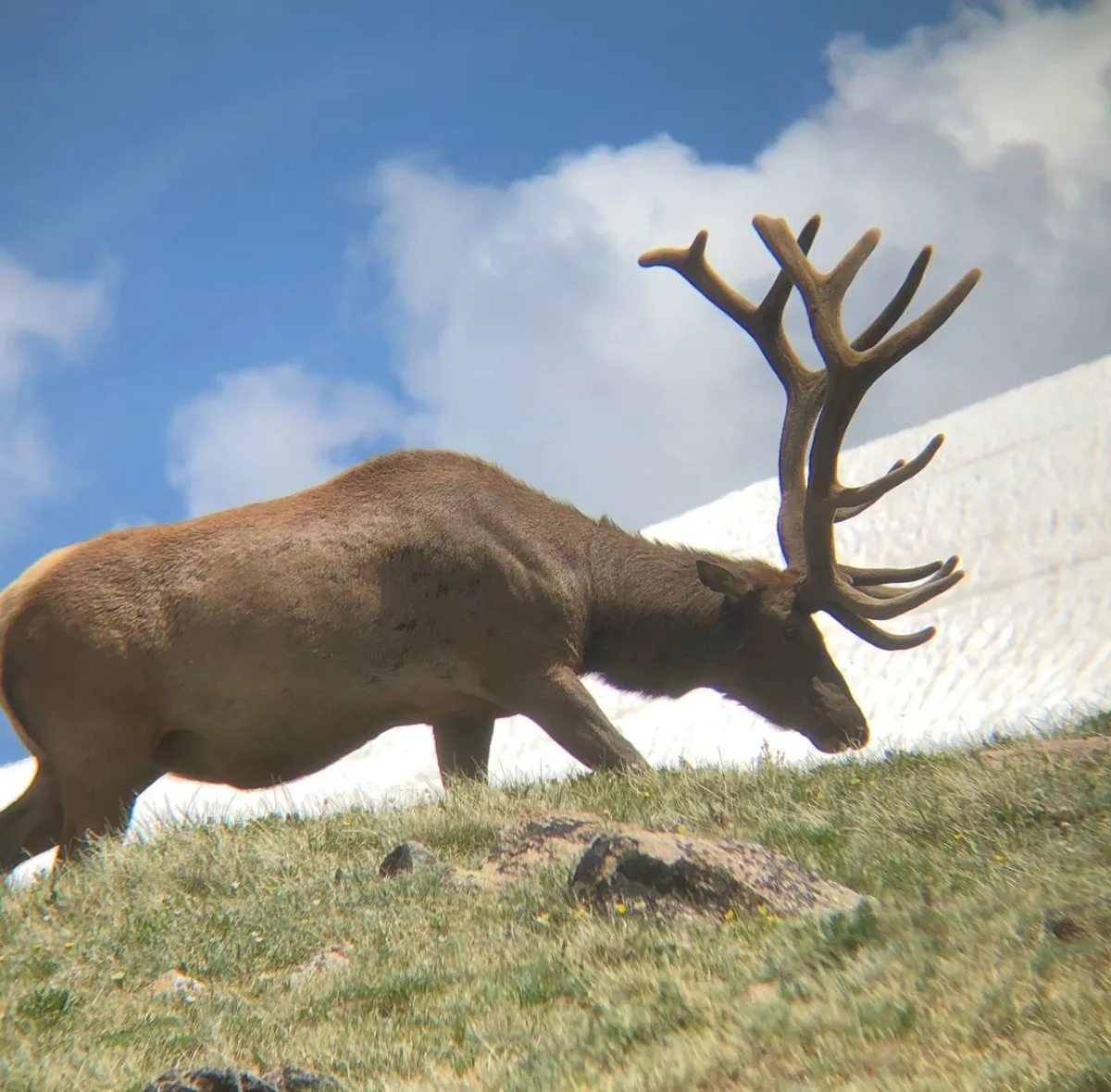
Trophy vs Opportunity Hunting
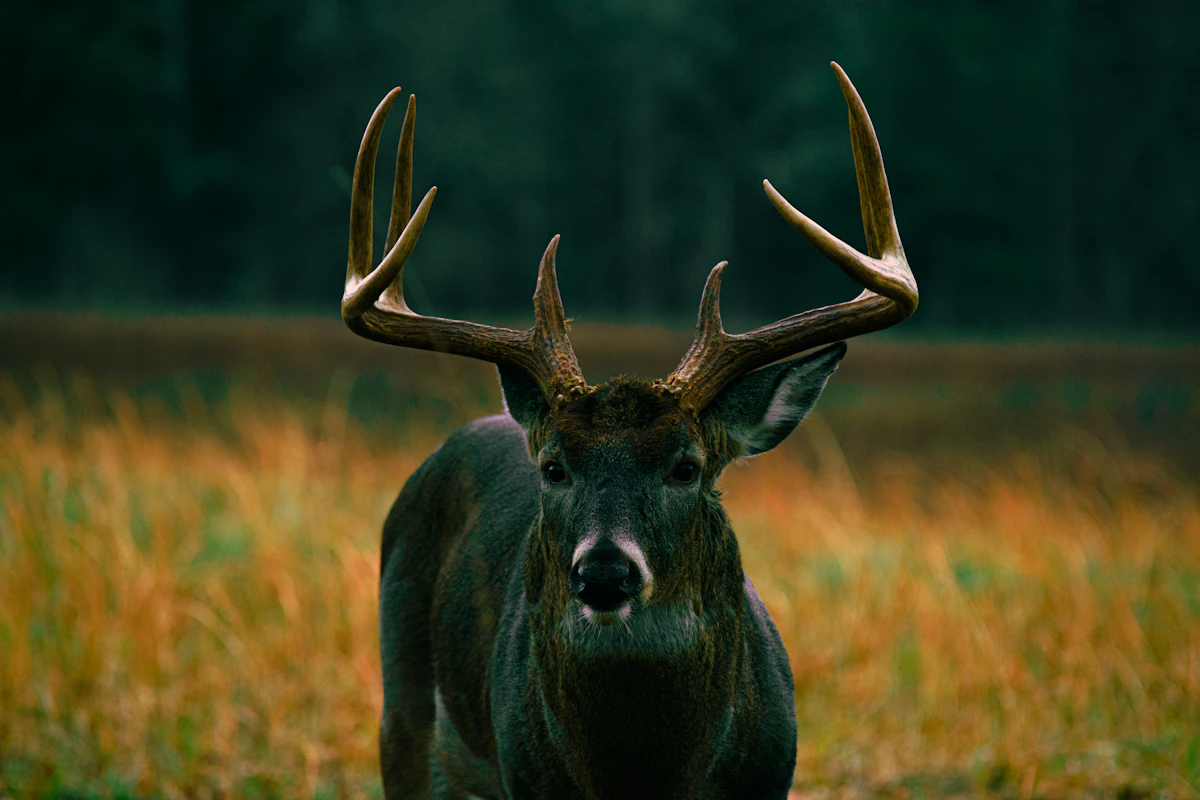
You can’t maximize both at the same time
Every hunter has to make this decision at some point. Are you trying to hunt more often, or are you holding out for a top-end animal? Trophy hunting and opportunity hunting require completely different strategies, and trying to do both usually leads to doing neither well.
What trophy hunting actually means
Trophy hunting is about targeting the best units, the best genetics, and the highest potential animals. These are the hunts everyone talks about—big bulls, big bucks, limited tags. The tradeoff is time. You’re committing to years of building points, lower draw odds, and fewer chances to hunt. It’s a long-term investment, not a yearly plan.
What opportunity hunting really is
Opportunity hunting is about getting into the field consistently. You’re targeting units you can draw more often, even if they’re not top-tier. These hunts still offer solid experiences and animals, but the focus is on time in the field, not maximum antler size. This is how you build experience fast.
Why this matters beyond hunting
For people outside of hunting, this conversation often gets misunderstood. Hunting isn’t just about taking animals—it’s part of how wildlife populations are managed. States set tag numbers based on herd size, habitat conditions, and long-term sustainability.
In trophy units, where older, mature animals are more common, selective harvest can actually benefit the herd. Removing older animals that are past their prime can reduce competition for resources like food and space, which helps younger animals develop and keeps the herd balanced.
Opportunity hunts play a role too by managing overall population levels. When herds grow too large for the available habitat, it leads to overgrazing, disease spread, and poor animal health. Controlled harvest keeps populations in line with what the land can support.
Why most hunters get stuck in between
A lot of hunters try to split the difference without a plan. They apply for high-end units but expect to draw quickly, or they hunt low-point units but feel like they’re missing out on something better. That middle ground is where people lose years without clear progress.
The role of point systems
Point systems push hunters toward trophy thinking. The more points you have, the more pressure you feel to “save them” for something big. That’s where people start passing on good opportunities, waiting for something that may take much longer than expected.
Understanding how long those top-tier hunts actually take is key to making the right call.
Where opportunity hunting wins
If your goal is to improve, learn terrain, and stay consistent, opportunity hunting is the better path. The more time you spend in the field, the faster you develop real skills. You learn how animals move, how pressure affects behavior, and how to adapt.
Those skills carry over when you do draw a better tag.
Where trophy hunting makes sense
Trophy hunting works best when it’s part of a long-term plan. You’re applying every year, building points, and waiting for the right moment. But it shouldn’t be your only strategy unless you’re willing to accept long gaps between hunts.
The best approach — combine both
The strongest strategy is using both approaches at the same time. Hunt opportunity units regularly while building points for higher-end hunts in the background. That way you’re not choosing between hunting and waiting—you’re doing both.
Managing expectations
Not every hunt needs to be your biggest. If you expect every tag to be a trophy hunt, you’re going to be disappointed. The hunters who stay consistent are the ones who value the experience just as much as the outcome.
Where people go wrong
Some hunters refuse to burn points because they’re waiting for the perfect hunt. Others never build points because they only focus on short-term opportunity. Both approaches leave something on the table.
The mistake isn’t choosing one—it’s not having a balanced plan.
Final thought
Trophy vs opportunity isn’t just about personal goals—it’s part of a bigger system that keeps wildlife populations healthy and sustainable. When managed correctly, both approaches play a role.
Was this article helpful?
Previous
Hardest Pronghorn (Antelope) Units to Draw With the Highest Trophy Potential Across the West (2026)
Top trophy pronghorn units across Wyoming, Arizona, Nevada, and Colorado produce 80+ inch bucks but require years to draw. Western slope Colorado units offer underrated potential with less pressure.
Next
Tag Allocation Explained: Why You’re Not Competing for What You Think
Tag allocation determines how many tags you’re truly competing for by splitting them across residency, points, and hunt types, making it one of the biggest factors in draw success.