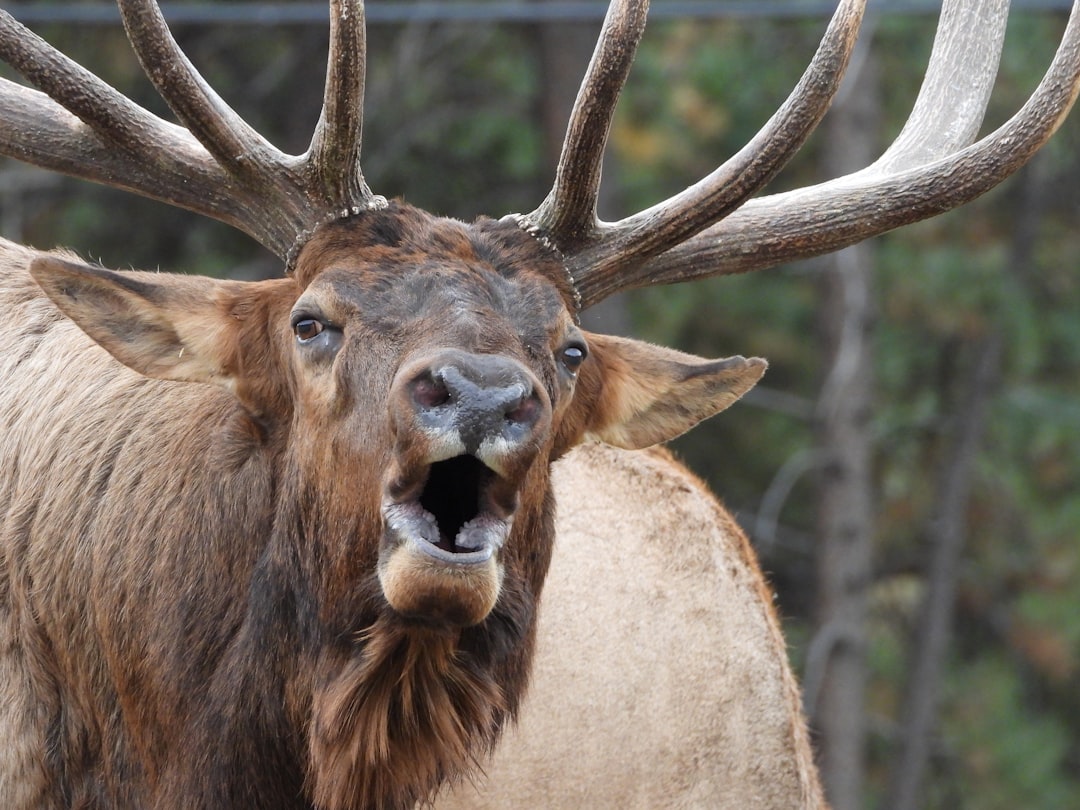
The Biggest Elk Cow Calling Mistakes — And How to Fix Them
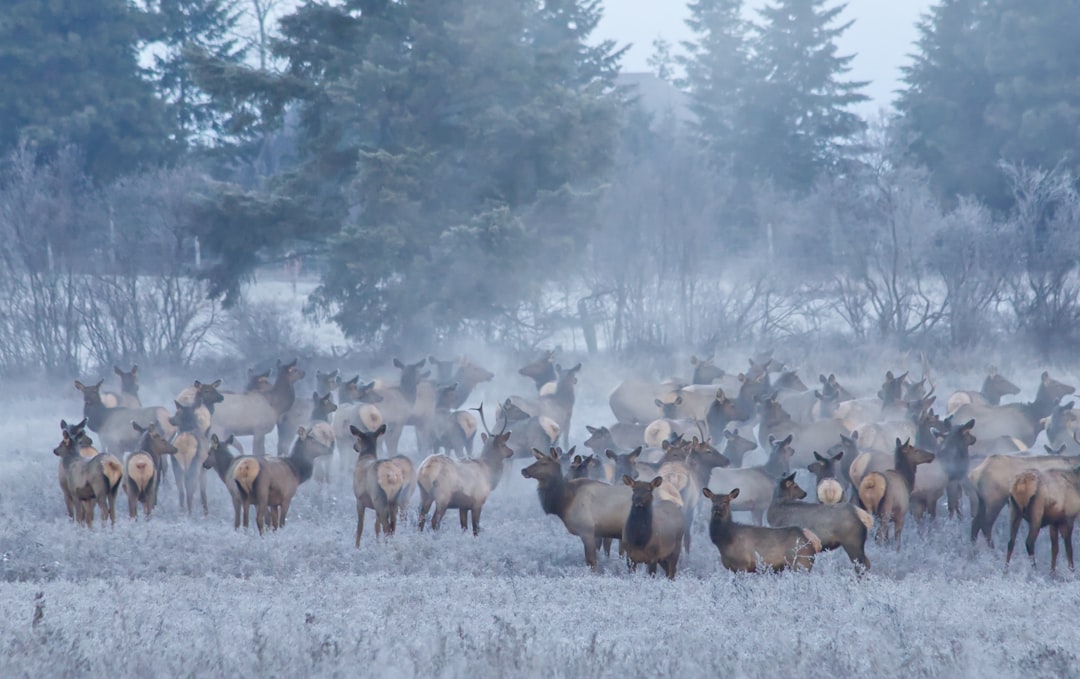
You set up in primo elk country, a bull screams 200 yards uphill, and you hit him with your best cow call. He goes silent. Ten minutes later, you hear him bugling a half-mile away with his cows.
That scenario plays out in elk camps across the West every September because most hunters make the same critical cow calling mistakes. The good news? Once you understand what bulls actually respond to, your success rate climbs fast.
Calling Too Loud
The number one mistake is blasting cow calls like you're trying to reach the next drainage. Real cow elk rarely scream at full volume unless they're separated from the herd or genuinely distressed. A relaxed cow feeding in timber sounds conversational, not desperate.
When a bull already knows where his cows are, an overly aggressive call tells him something's wrong. He either hangs back to assess the threat or pushes his herd away from the noise. Drop your volume by half and focus on sounding content rather than panicked. Save the loud, urgent calls for specific situations when you need to pull a bull away from competing cows or convince him you're leaving.
Calling Too Often
Real cows don't mew every 30 seconds. They feed, move, and occasionally vocalize to maintain herd contact. When you call nonstop, you sound like a hunter, not an elk.
The most effective cow calling sequences involve long silences. Call once or twice, then wait three to five minutes. If a bull answers, resist the urge to immediately call back. Let him wonder where you went. Bulls will often cover ground to investigate a cow that sounds like she's drifting away, but they'll circle downwind and leave if you sound like you're standing in one spot begging for attention.
During mid-rut when bulls are henned up tight, less is always more. One soft mew every ten minutes often outperforms constant calling by a factor of ten.
Using the Wrong Tone and Cadence
Cow elk make a variety of sounds depending on their mood and the situation. A lost calf mew sounds completely different from a cow talking to her herdmates while feeding. Most hunters default to one generic mew regardless of context.
Pay attention to cadence and tone. Relaxed feeding cows produce soft, irregular mews with natural pauses. Anxious cows trying to locate the herd use sharper, more insistent calls. Excited cows near a fired-up bull hit higher pitches with faster repetition.
Match your calling to the situation. If you're trying to sound like part of the herd, keep it mellow and spaced out. If you're trying to make a satellite bull think the herd bull's cows are getting worked up by a challenger, inject urgency and slight aggression into your sequence. The wrong tone in the wrong scenario will flare every alarm bell in a mature bull's brain.
Calling from a Bad Setup
Even perfect calling won't work if your setup is wrong. Bulls circle downwind, and if your scent gives you away before they step into range, the calling sequence doesn't matter.
Always set up with wind advantage and a shooting lane. If you're calling solo, position yourself where a bull has to commit to a specific approach route to get downwind. If you're hunting with a partner, the shooter should be 30 to 50 yards downwind of the caller so when the bull circles, he walks into the arrow or bullet.
Elk also prefer to come in on the contour or slightly downhill. Calling from the bottom of a canyon and expecting a bull to climb to you rarely works unless he's extremely fired up. Position yourself at his elevation or slightly above, and let terrain funnel him into range.
Ignoring Visual Cues
Calling blind is a mistake when you can add movement or visual appeal. A cow decoy, especially during early rut, can seal the deal when a bull hangs up just out of range. Movement is even better.
If you're hunting thick timber and a bull commits but can't pinpoint your exact location, raking branches with a stick or crunching through dry leaves while calling gives him something to lock onto. Elk are social animals that rely on both sound and sight. A motionless hunter calling from thick cover often leaves bulls confused and reluctant to close the final 50 yards.
In open country, waving a hat or a branch above brush can mimic the flick of a cow's ear or tail. Small visual cues combined with soft calling often pull hesitant bulls across openings where louder calling alone would spook them.
Calling to Every Bull You Hear
Not every bull is callable, and wasting energy on the wrong bull costs you opportunities with the right one. A herd bull surrounded by a dozen cows in wide-open country is almost never going to leave his harem to investigate your calls. A satellite bull lurking nearby, however, might sprint in hoping to steal a cow while the big guy's distracted.
Read the situation before you commit to a calling sequence. If a bull sounds henned up and comfortable, don't waste time trying to pull him off his cows. Instead, close distance and look for a satellite bull, or set up along a route the herd might travel and ambush them as they move.
Conversely, a lone bugling bull in the morning or evening is often cruising for cows and highly receptive to calling. Prioritize responsive bulls over the big herd bull that sounds locked down.
Giving Up Too Soon — or Staying Too Long
Elk hunting involves a delicate balance between persistence and knowing when to move. Bulls that go silent after your initial call sequence aren't necessarily spooked. They might be closing distance quietly, or they might have decided to hang back and wait for the cow to come to them.
Give a bull at least 20 to 30 minutes after he quits responding before you assume it's over. Some of the best encounters happen when a bull ghosts in silently after going quiet for 15 minutes. Stay alert, keep the wind right, and don't start packing up too early.
That said, if a bull answers once and then moves away despite your best efforts, don't chase him into the next county. Aggressive pursuit often pushes elk out of the area entirely. Mark the location, check wind and terrain for a better ambush point, and try again later or the next day.
How TAGZ Helps You Find Better Elk Habitat
Successful cow calling starts with being in elk-rich country. TAGZ helps hunters identify units with strong elk populations, break down terrain to locate prime calling setups, and filter hunt options by weapon and season. The platform's unit maps and public land data let you scout remotely and plan setups where bulls are most likely to respond. When you combine smart calling tactics with quality hunt planning, your odds of tagging a bull climb significantly. See how TAGZ simplifies hunt research at getmytagz.com/product.
FAQ — Elk Cow Calling Mistakes
What's the most common cow calling mistake hunters make? Calling too loud. Most hunters blow cow calls at full volume when real cows sound relaxed and conversational. Dropping volume by half immediately makes your calling more realistic.
How often should I cow call when a bull goes silent? Wait at least three to five minutes between call sequences. Real cows don't mew constantly, and overcalling makes you sound like a hunter instead of an elk.
Do I need to use different cow call tones for different situations? Yes. Relaxed feeding cows sound mellow and irregular. Anxious or excited cows near bulls use sharper, faster calls. Match your tone to the scenario or risk sounding fake.
Should I use a decoy when cow calling? In early rut or when bulls hang up just out of range, a cow decoy combined with movement can close the deal. Visual cues help bulls commit when they can't pinpoint your exact location.
How long should I wait after a bull quits answering before moving? Give him 20 to 30 minutes. Bulls often go silent while closing distance or waiting for the cow to come to them. Moving too soon can blow your chance.
Is it worth calling to a henned-up herd bull? Rarely. Focus on satellite bulls lurking nearby or set up along travel routes to ambush the herd. Trying to pull a herd bull off a dozen cows in open country almost never works.
Can calling from the wrong setup ruin my chances even if my calling sounds perfect? Absolutely. Bulls circle downwind, so if your scent reaches them before they step into range, perfect calling won't matter. Always prioritize wind and shooting lanes over calling volume.
What's the best way to practice realistic cow calling cadence? Listen to real cow elk vocalizations online or in the field. Pay attention to the irregular timing, soft volume, and natural pauses. Most practice calls sound too rhythmic and mechanical compared to the real thing.
Continue Planning Your Hunt
Ready to put these calling tactics to work in units with strong elk populations? TAGZ helps you research draw odds, compare units side by side, and access detailed terrain maps for every western elk state. Whether you're chasing OTC tags in Colorado or applying for limited-entry hunts in Montana, TAGZ simplifies the planning process so you can focus on the hunt. Explore unit data and draw strategies at getmytagz.com, dive into more hunting insights at getmytagz.com/insights, or see how the platform works at getmytagz.com/product. Check pricing and subscription options at getmytagz.com/pricing.
Was this article helpful?
Previous
The 5 Biggest Elk Cow Calling Mistakes (And How to Fix Them)
Most elk hunters blow their setup with cow calls before the bull ever gets close. Learn the five most common cow calling mistakes that spook mature bulls and how to adjust your calling strategy to close the distance this season.
Next
How Often Should You Cow Call for Elk? Timing Your Calls to Avoid Spooking Bulls
Calling too much or too little can ruin your elk hunt. Learn the exact cadence, timing, and situational adjustments that trigger responses from both herd bulls and satellites without educating the elk you're chasing.