Spot-and-Stalk vs. Stand Hunting Florida Bears: Which Strategy Works Best?
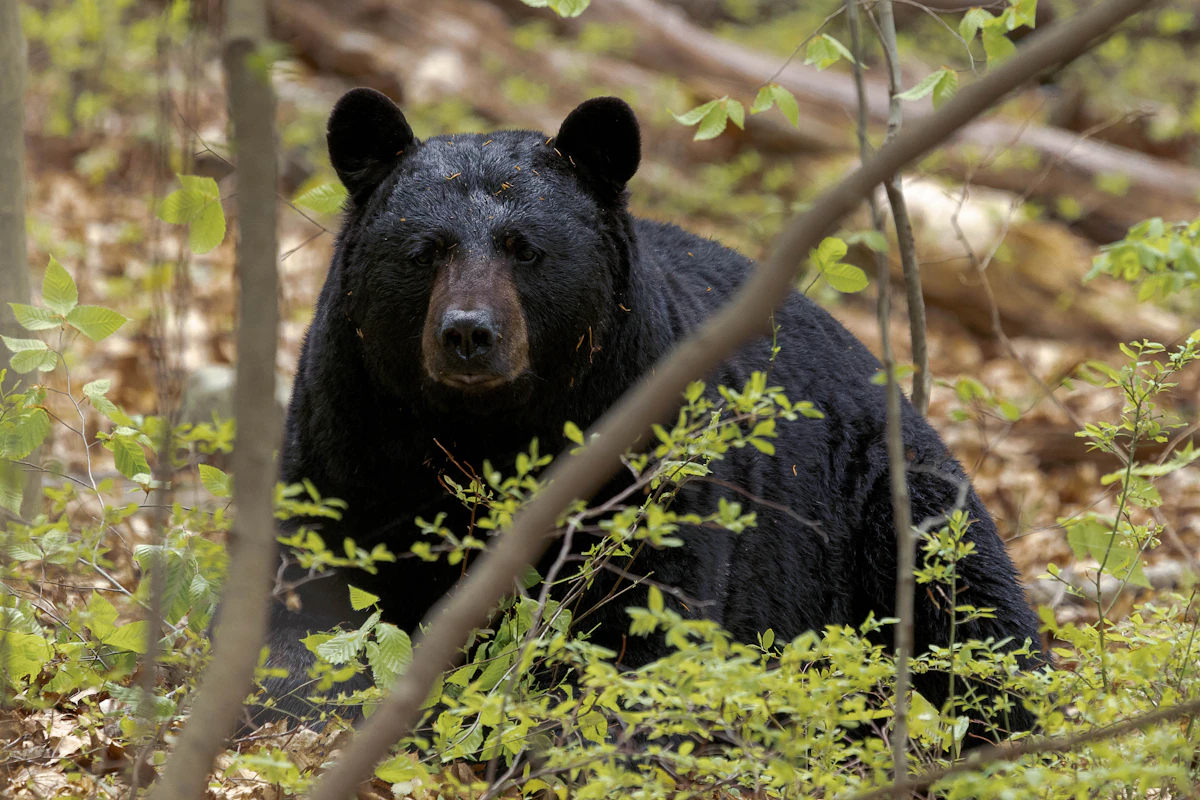
Florida bear hunting presents unique challenges that force hunters to rethink traditional tactics. Unlike Western hunts where glassing open basins from ridgelines is standard, Florida's thick vegetation, flat terrain, and humid climate create conditions where neither pure spot-and-stalk nor classic treestand hunting works exactly as you'd expect. Success comes from understanding how bears use Florida's habitat and matching your approach to the specific terrain you're hunting.
The decision between spot-and-stalk and stand hunting isn't binary in Florida. Most successful bear hunters use a hybrid approach, shifting tactics based on habitat type, time of day, and bear activity patterns. Here's how to choose the right strategy and execute it effectively.
Understanding Florida Bear Behavior and Habitat
Florida black bears concentrate their activity around food sources that change throughout the fall season. Early hunts coincide with acorn drops in oak hammocks. Later in the season, bears shift to palmetto berries and other browse. Unlike Western bears that feed in alpine meadows visible from miles away, Florida bears move through dense cover where visibility rarely exceeds 50 yards.
Bears travel along hardwood drainages, swamp edges, and transition zones between habitat types. They bed in thick palmetto patches, cypress heads, and dense hardwood pockets where thermals help them detect danger. Understanding these movement patterns determines which hunting method gives you the advantage.
Florida's bear management units vary dramatically in terrain. The Apalachicola unit features rolling hills and pine plantations with some visibility. Central Florida units are flat with thick scrub oak and palmetto. South Florida units include cypress swamps and wet prairies. Your hunting method must match the specific landscape you're hunting.
Stand Hunting Florida Bears: When Static Positions Work
Stand hunting works best when you've identified specific travel corridors, feeding areas, or staging zones where bears move predictably. Oak flats during acorn season are prime stand locations. Set up on the edge of productive oak hammocks where you can cover multiple entry points.
Water sources become critical during hot early-season hunts. Bears visit seeps, pond edges, and creek crossings regularly. A well-placed stand near water during the first week of the season can produce multiple encounters. Position yourself downwind of the approach trail with shooting lanes cleared to 40 yards.
Palmetto thickets with fresh bear sign indicate bedding areas. Rather than hunting directly in the thick stuff, set stands along the edges where bears enter and exit. Morning hunts catch bears returning to bed. Evening sits intercept them leaving to feed.
Treestand height matters less in Florida than it does for whitetails. Bears don't pattern danger from above the same way deer do. A 12 to 15-foot stand provides enough elevation to keep your scent above ground-level thermals without requiring tall trees. In palmetto flats and scrub oak, ground blinds work equally well if positioned in natural cover.
The biggest limitation of stand hunting in Florida is thermal unpredictability. Dense vegetation heats and cools unevenly, creating swirling winds that make scent control nearly impossible by midmorning. Plan morning sits to end by 10 AM unless cloud cover keeps conditions stable. Evening sits work better for scent management as thermals settle.
Spot-and-Stalk Tactics for Florida's Dense Cover
True spot-and-stalk hunting—glassing from a distance then executing a stalk—rarely works in Florida's thick terrain. You can't glass bears from ridgelines because there are no ridgelines, and you can't see through palmetto and oak scrub far enough to plan a conventional stalk.
Instead, Florida's version of spot-and-stalk is mobile still-hunting through known bear habitat. You're moving slowly through productive areas, using wind direction and cover to stay undetected while looking for bears at close range. This works best in areas with minimal hunting pressure where bears move during daylight.
Target habitat transitions: where pine forest meets hardwood hammock, where dry ground meets swamp edge, where palmetto flats border oak stands. Bears travel these edges. Move at a pace of 100 yards per hour, glassing ahead constantly. Stop every 20 to 30 yards to scan for movement, listen for rustling vegetation, and check the wind.
Carry quality binoculars even though visibility is limited. In palmetto flats, you'll spot patches of black fur at 60 to 80 yards through gaps in the vegetation. The key is seeing the bear before it sees or smells you, then using available cover to close the distance for a shot.
Rain benefits still-hunters. Wet vegetation muffles footsteps and keeps scent down. Bears move more during light rain, especially if a cold front follows several hot days. Drizzly mornings after a warm week create ideal conditions for covering ground quietly while bears are active.
The biggest advantage of mobile hunting is adaptability. If wind shifts, you adjust your route. If you cut fresh tracks or find torn-up palmetto berries, you can work that area instead of committing to a fixed stand location. You're hunting the bear, not waiting for the bear to come to you.
Hybrid Strategies: Combining Both Approaches
Most successful Florida bear hunters don't pick one method and stick with it all season. They read conditions daily and adjust tactics accordingly.
Start mornings on stand in known feeding areas or travel corridors. The first two hours of light are when bears move most predictably. If nothing shows by mid-morning and thermals start swirling, climb down and begin still-hunting through the area. You've already confirmed bears are using the habitat—now cover ground to find them.
Use trail cameras to identify high-traffic areas, then decide whether to set a stand or plan a still-hunt route based on what the cameras reveal. If a bear is using one specific trail repeatedly at the same time, a stand makes sense. If bears are moving randomly through a large palmetto flat, mobile hunting lets you adapt.
Late-season hunts often favor mobile tactics. After opening weekend pressure, bears become more nocturnal and avoid obvious food sources during shooting hours. Still-hunting thick bedding cover midday gives you a chance at catching a bear on its feet when stand hunters are back at camp.
Some hunters run both strategies simultaneously by having a partner sit a stand while they still-hunt a loop that pushes bears toward the stander. This isn't a drive—it's slow, deliberate movement through cover that might bump a bear into view of the stationary hunter. Coordinate with radios and plan routes that keep wind in your favor.
Gear Considerations for Each Method
Stand hunting requires less physical gear but more scouting investment. A lightweight climber or hang-on stand, basic scent control, and shooting sticks for the off-hand shot are sufficient. Focus on quiet clothing that handles humidity without soaking through. Merino wool blends work better than synthetics in Florida's heat.
Still-hunting demands quieter boots, lighter rifles or bows, and layering systems you can adjust as you move. Ankle-fit gaiters keep palmetto needles and fire ants out of your boots. A light daypack lets you carry water, rain gear, and game bags without bulk. Choose earth-tone camo that blends with both green palmetto and brown oak leaf litter.
Rangefinders matter more for mobile hunters. Stand hunters know their distances in advance. When still-hunting, you're constantly evaluating shooting opportunities at unknown ranges through cluttered cover. A compact rangefinder on a chest harness saves critical seconds when a bear appears.
Both methods benefit from quality optics. For stand hunting, 8x or 10x binoculars let you identify approaching animals before they're in bow range. For still-hunting, a smaller 8x32 or 8x42 pair works better because you're glassing at closer distances and need a wider field of view to pick up movement in tight cover.
Shot Opportunities and Effective Range
Florida bear hunting rarely offers long shots. Average shot distance across all methods is 30 to 60 yards. Stand hunters might get opportunities at 80 yards if they're set up on field edges or wide logging roads, but most encounters happen inside 50 yards.
Still-hunters typically shoot closer—20 to 40 yards—because you're working through thick cover where bears appear suddenly. Be ready for quick shots through small shooting windows. Practice offhand shooting at close range before the season. You won't have time to set up shooting sticks when a bear materializes at 25 yards moving through palmetto.
Vitals placement is critical. Bears are tough animals with heavy shoulder bones and thick fat layers. Broadside shots behind the shoulder into the lungs are ideal. Quartering-away angles work if you aim for the far shoulder. Avoid frontal shots unless you're confident you can thread the narrow chest opening. Marginal hits on bears lead to difficult tracking in dense cover with limited blood trails.
Stand hunters have the advantage of waiting for the perfect shot. A bear feeding under an oak tree will eventually turn broadside or quartering-away. Still-hunters often must decide quickly whether to shoot or let the bear pass and hope for a better opportunity as it moves through the cover. Know your effective range and don't push it.
Reading Sign to Choose Your Method
Fresh bear sign tells you whether to set up or keep moving. Multiple trails converging on one oak flat or water source indicate a stand location. A single line of tracks wandering through open palmetto suggests mobile hunting will be more productive.
Scat composition matters. Acorn-heavy scat means bears are hitting the oak trees hard—set a stand. Palmetto berry and browse scat indicates bears are moving through varied habitat feeding opportunistically—still-hunt those areas.
Bed sites in thick cover suggest bears are using the area to escape pressure. If you find multiple beds in one cypress head or palmetto thicket, that's a midday still-hunting target. Bears bed where they feel secure. A careful, wind-conscious approach through bedding cover can catch them on their feet during the heat of the day.
Dig sites and torn logs show where bears are foraging. Fresh digging in the morning means the bear was there recently and likely bedded nearby. That's a good indicator for a quick still-hunt loop through the area. Old digging from days prior suggests setting a stand if there's a pattern of repeated use.
Weather and Timing Influence Tactics
Hot, humid early-season conditions favor evening stand hunts near water and morning still-hunts while bears are active. As the season progresses and temperatures drop, midday movement increases, making mobile hunting more productive.
Cold fronts trigger bear activity. The first cool morning after a warm spell brings bears out to feed aggressively. This is prime stand-hunting weather. Position yourself in feeding areas before dawn and expect movement within the first hour of light.
Overcast days extend movement periods. Instead of bears bedding down by 9 AM, they'll stay active until late morning. This gives still-hunters more time to cover ground while bears are moving. Plan longer hunting windows on cloudy days.
Wind speed affects both methods but differently. Light, steady wind benefits stand hunters by carrying scent away consistently. Variable or swirling wind makes stand hunting nearly impossible in Florida. When wind is unpredictable, still-hunting lets you adjust your route constantly to stay downwind of areas you're working.
Common Mistakes and How to Avoid Them
The biggest mistake stand hunters make is setting up in places that look good but lack recent bear sign. Just because an area has oaks or water doesn't mean bears are using it right now. Confirm current activity with cameras or fresh sign before committing to a location.
Still-hunters often move too fast. This isn't a hike—it's a deliberate, slow-motion search through cover. If you're covering more than 200 yards per hour, you're going too fast. Slow down, glass more, listen constantly.
Both methods fail when hunters ignore wind direction. In Florida's flat terrain, you can't rely on ridgeline thermals to predict airflow. Bring wind-checking powder or milkweed seeds and test direction every 15 minutes. One wind shift can ruin an entire sit or stalk.
Overhunting productive areas burns them out quickly. If you jump bears off a stand location two mornings in a row, leave it alone for several days. Bears learn fast. Rotate between multiple stand sites and still-hunt routes to avoid patterning yourself.
Wearing too much or too little clothing creates problems. Stand hunters sitting in humid mornings sweat through clothes, then freeze when temperatures drop. Dress in removable layers. Still-hunters overheat if they wear the same insulation as a stationary hunter. Start cold—you'll warm up as you move.
Making the Decision: Which Method Fits Your Hunt
Choose stand hunting when you have solid intel on bear movement patterns, predictable food sources, and stable wind conditions. If your trail cameras show bears hitting the same oak flat every evening, there's no reason to wander around hoping to bump into them. Set up and wait.
Choose still-hunting when sign is widespread but not concentrated, when bears are pressured and nocturnal, or when conditions are too variable for effective stand placement. If the wind is swirling every morning by 8 AM, you're wasting time on stand. Get mobile.
Many successful hunts combine both. You're not locked into one approach for the entire season or even the entire day. Read the conditions, adapt your tactics, and stay flexible. Florida bears don't follow textbook patterns, and neither should your hunting strategy.
TAGZ helps hunters research bear management units across Florida, compare harvest statistics, and track application deadlines for the limited draw. Whether you're planning your first Florida bear hunt or refining tactics from previous seasons, understanding unit-specific terrain and bear density influences which hunting method will be most effective.
FAQ — Florida Bear Hunting Tactics
Which hunting method produces more shot opportunities in Florida?
Stand hunting near active food sources typically creates more encounters, but still-hunting through thick cover can produce shots when bears are pressured and avoiding open feeding areas. Success rates depend more on reading current bear activity than choosing one method over the other.
Can you spot-and-stalk Florida bears like Western hunts?
No. Florida's dense vegetation and flat terrain eliminate long-range glassing. The mobile hunting approach is slow still-hunting through cover at close range, not spotting from a distance and planning a stalk.
How important is scent control for Florida bear hunting?
Extremely important for both methods, but thermal unpredictability in dense cover makes perfect scent control impossible. Focus on wind direction, hunt mornings before thermals swirl, and accept that you'll occasionally get busted despite your best efforts.
Do bears react differently to hunters on the ground versus in trees?
Florida bears aren't conditioned to look up for danger like whitetails, so treestand height matters less. A 12-foot stand provides enough elevation for scent control without requiring tall trees. Ground blinds work equally well if positioned in natural cover with good wind.
Should you hunt feeding areas or bedding areas?
Feed areas during morning and evening when bears move predictably. Bed areas during midday when pressured bears are less active. Avoid pushing bedding cover repeatedly or you'll relocate bears out of the area entirely.
What's the ideal shot range for Florida bear hunting?
Most shots happen between 30 and 60 yards regardless of method. Still-hunters typically shoot closer due to thick cover. Practice offhand shooting at these distances because you rarely have time to set up a perfect rest.
Continue Planning Your Hunt
Florida's limited bear season demands preparation and strategy. Whether you're applying for a draw tag or planning your hunt approach, having the right information makes the difference between sitting in unproductive stands and intercepting bears where they're actually moving.
TAGZ helps hunters track draw deadlines, research unit-specific harvest data, and compare bear management zones across Florida using terrain maps and historical success rates. Instead of guessing which unit offers the best combination of bear density and public land access, you can compare zones side by side and make informed decisions before the application deadline.
Explore more hunting strategy content on the TAGZ Insights blog, where you'll find unit breakdowns, draw odds analysis, and tactical guides for Western big game and specialty hunts. If you're ready to start planning your next hunt with data-driven tools, check out TAGZ pricing options to see which membership level fits your hunting plans.
The platform's filtering tools let you sort hunts by species, weapon type, and season dates, then dig into unit boundaries, public land percentages, and terrain characteristics that determine whether stand hunting or mobile tactics will work best. Learn more about how the platform works on the TAGZ product page.
Was this article helpful?
Previous
Best Muzzleloaders for Deer in 2025: Top Picks for Accuracy and Performance
From CVA's Paramount to Thompson/Center's Strike series, modern muzzleloaders deliver rifle-level accuracy at extended ranges. We break down top picks for deer hunters across budget tiers, break-action vs. bolt-action designs, and what features actually matter in the field.
Next
Diaphragm Calls vs External Reed Calls: Which Elk Call Should You Use?
Diaphragm calls offer hands-free convenience and versatility for close encounters, while external reed calls deliver louder, more consistent bugles for long-distance communication. Most serious elk hunters carry both.