Resident vs Non-Resident Draw Odds — What No One Really Explains (And Why It Matters in 2026)
Introduction
If you’ve spent any time looking at draw odds for western hunts and felt like something wasn’t adding up, you’re not wrong. A lot of hunters look at percentages, make a decision, and then wonder why they never seem to draw. The truth is, most people don’t actually understand how resident and non-resident draw odds work, and that gap is where years get wasted. With more people applying every season and point creep getting worse across the board, you can’t afford to just “throw in” anymore. You need a plan.
Understanding the Core Difference
At the base level, every western state is built to favor its residents. That’s just reality. States like Colorado, Wyoming, and Montana all allocate more tags to residents, and in many cases, it’s not even close. What that means in real terms is residents are drawing from a bigger pool of tags with fewer people competing against them. Non-residents are usually stuck fighting over a smaller slice with a much larger crowd. So when two hunters look at the same unit and see the same odds listed, those numbers don’t tell the full story. Residency changes everything.
Why Non-Resident Draw Odds Feel Like a Grind
If you’re applying as a non-resident, it probably feels like you’re always just on the outside looking in. That’s because you usually are. A unit might show a 10 percent draw rate, but that number can be misleading depending on how tags are split and how many applicants are jumping in each year. Add in point creep, and it gets even tougher. What looked like a two- or three-year plan turns into five or more before you even realize what happened. That’s where most guys get stuck—chasing something that keeps moving just out of reach.
The Problem With Most Draw Odds Tools
A lot of tools out there lean hard on past data, and while that has value, it doesn’t always reflect what’s happening right now. Hunting is changing fast. More people are applying, information spreads quicker, and “hidden gem” units don’t stay hidden long. Most platforms won’t show you how many new applicants are entering the pool or how quickly a unit is gaining popularity. So hunters end up making decisions based on numbers that are already outdated by the time they apply.
What Actually Matters When You’re Building a Strategy
Instead of asking if you can draw a tag, it’s a lot smarter to ask where your odds actually work in your favor. That shift alone changes how you approach everything. The guys who consistently hunt aren’t always chasing the best units—they’re chasing the best opportunities for where they’re at. That usually means spreading applications across multiple states, mixing in realistic mid-tier units, and not getting tunnel vision on one “dream tag.” It’s less about hitting a home run and more about staying in the game year after year.
Resident vs Non-Resident Strategy
Residents have more room to be aggressive. They can swing for better units more often and still have a solid chance of drawing something. They also have easier access to leftover tags and second-choice options, which gives them flexibility. Non-residents don’t have that luxury, so the strategy has to be tighter. That means being selective, avoiding units everyone talks about, and building a plan that actually lines up with your points and timeline. If you’re not thinking a few years ahead, you’re already behind.
Where TAGZ Fits In
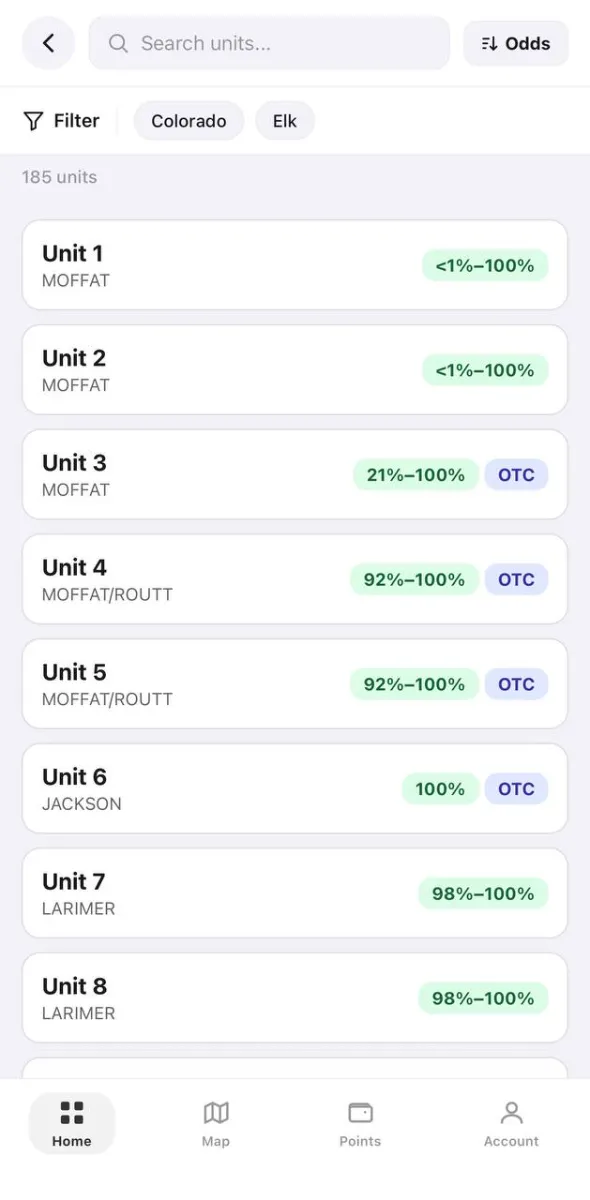
This is the part where most hunters either figure it out or keep spinning their wheels. Understanding draw odds is one thing—turning that into a real plan is another. TAGZ helps bridge that gap by breaking down how resident and non-resident odds actually play out and showing you what’s realistic based on your situation. Instead of guessing or relying on outdated averages, you can start making decisions that actually line up with how the system works today. That’s a big difference.
Final Thoughts
At the end of the day, draw odds aren’t just numbers—they’re a reflection of pressure, demand, and timing. Hunters who take the time to understand that tend to hunt more often and waste fewer years. The ones who don’t usually stay stuck applying for the same tags and hoping something changes. In today’s draw system, success isn’t luck. It comes down to making better decisions and playing the long game the right way.
Was this article helpful?
Previous
Arizona Big Game Draw — How It Works (Resident vs Non-Resident) 2026
Arizona uses a bonus point system with tags split between high-point holders and a weighted random draw. Residents get more tags, while non-residents face tougher odds, making it a long-term strategy state.

Next
Idaho OTC and Controlled Hunt Tags — How It Works (And How to Actually Get a Tag) 2026
Idaho now requires non-residents to draw general elk and deer tags instead of buying OTC. A separate veteran draw gives additional opportunity, making planning ahead critical.