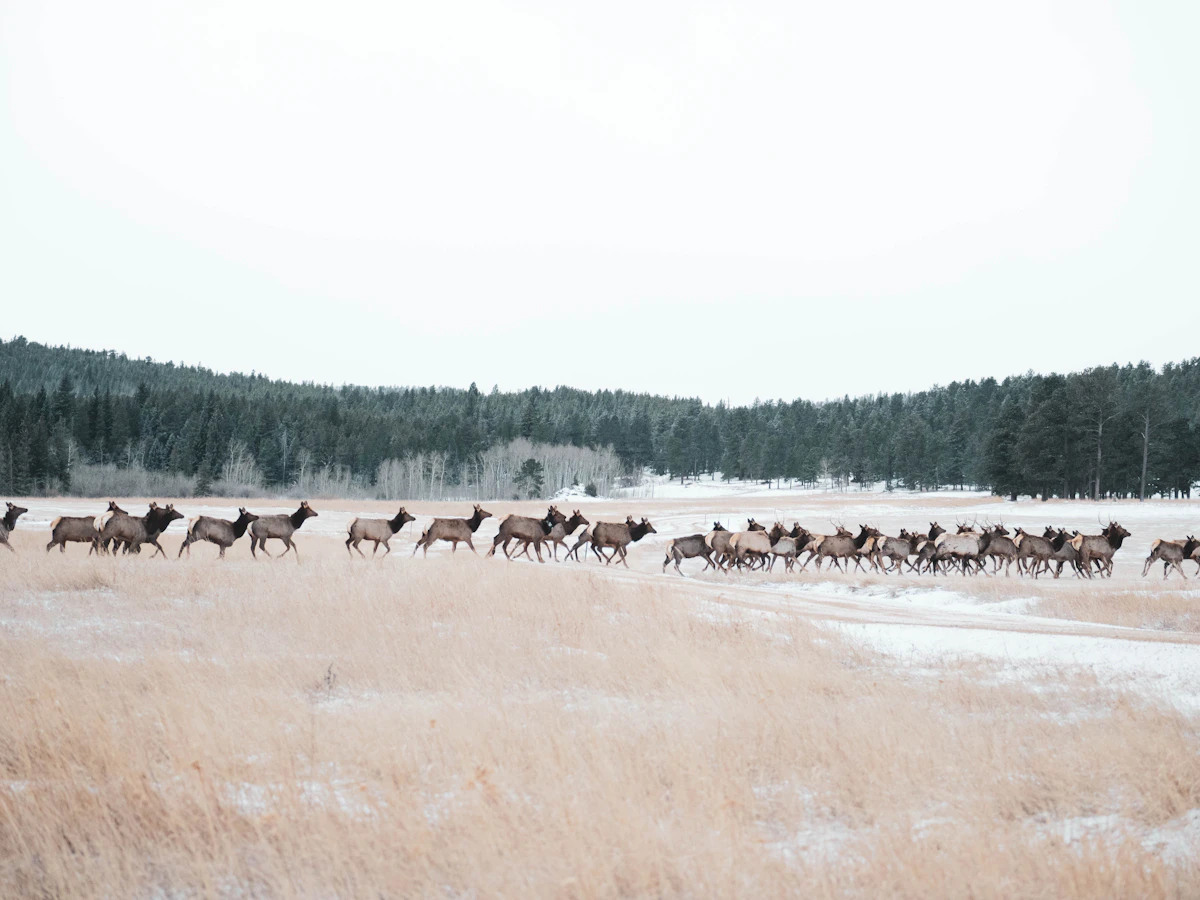
Colorado OTC Elk Hunting Is Dying — Here’s What Smart Hunters Are Doing Instead (2026) Introduction
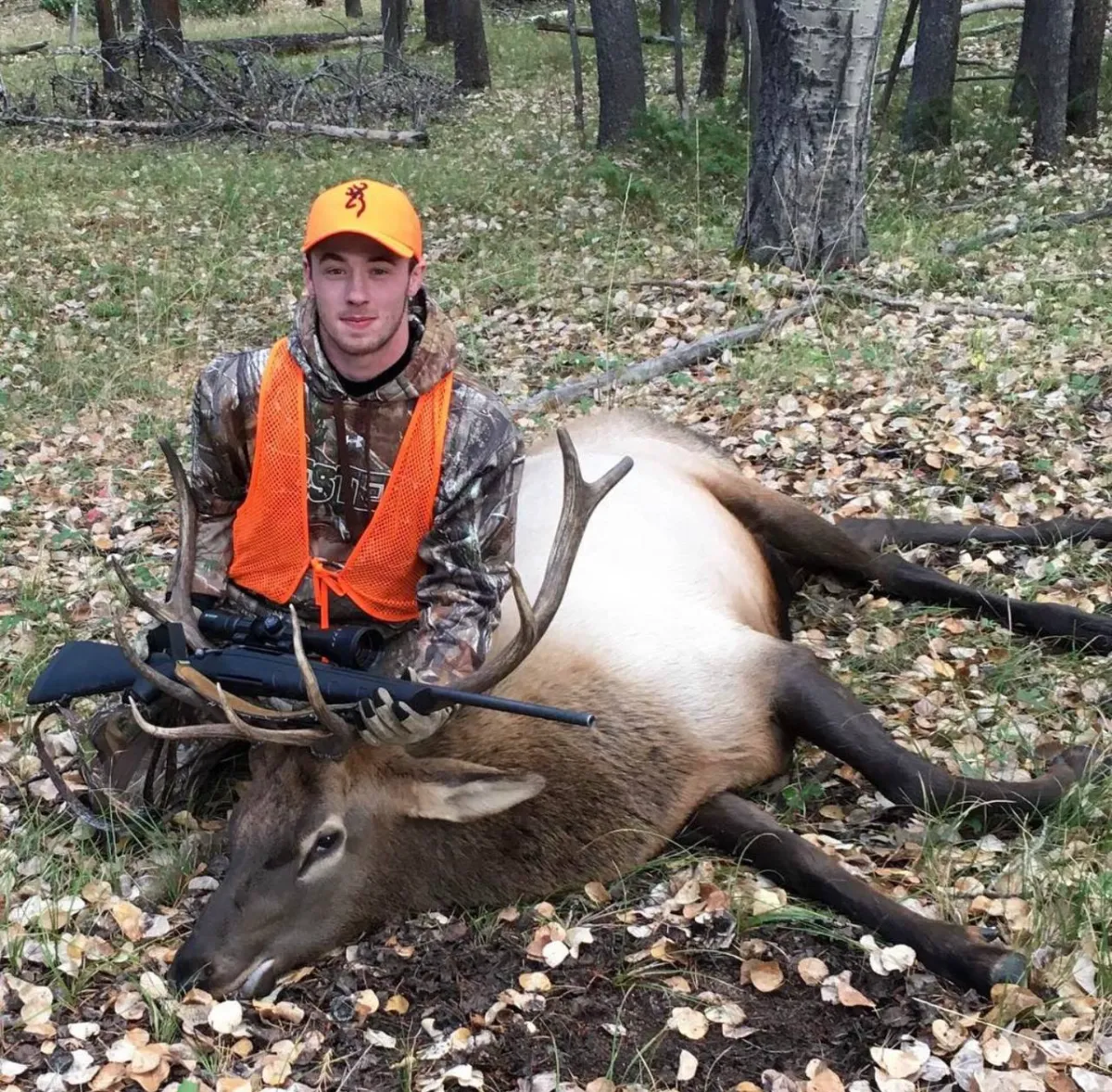
Introduction
There was a time when Colorado OTC elk hunting was about as straightforward as it gets. Buy a tag, load the truck, and go figure it out in the mountains. A lot of guys cut their teeth that way. No points, no long-term planning, just boots on the ground and learning as you went.
That version of OTC hunting is fading. It’s not gone, but it’s definitely not the same. If you’ve been out there the last few seasons, you’ve probably already seen it.
What It Feels Like Out There Now
You don’t have to spend much time in an OTC unit these days to notice the difference. Trailheads fill up fast, sometimes the night before the opener. You hike in thinking you’re getting away from people, and then you spot headlamps in the next drainage over.
The elk feel it too. They don’t hang out in the same spots, and they don’t act the same once pressure hits. Early season bugling can shut off quick, and by rifle season, it can feel like everything with antlers has either gone quiet or moved somewhere you can’t get to. The elk are still there—you just have to work a lot harder, and smarter, to stay on them.
Why It Changed
It didn’t happen overnight. More hunters are getting into western hunting every year, especially non-residents. At the same time, information spreads fast now. Spots that used to take years to find are all over the internet in one season.
Then you’ve got the draw system tightening up. Harder to pull tags means more guys fall back on OTC, and that pressure builds year after year. It all stacks up, and OTC ends up carrying the weight of everyone who didn’t draw somewhere else.
What Smart Hunters Are Doing Differently
The guys who are still finding elk consistently aren’t just grinding harder—they’ve changed how they approach it. A big shift is mixing in draw hunts, even with low points. You don’t need a decade of points to get into a decent unit, and in a lot of cases, those hunts feel way less crowded than OTC.
Another thing you’ll see is people moving away from the “popular” spots. Not chasing the units everyone talks about, but looking for places that fall in that middle ground. Not famous, not easy, but overlooked. That’s where things start to open up again.
Some hunters are also backing off the idea of going every single year no matter what. Instead, they’ll be more selective, draw a better tag, and make that hunt count. It’s less about punching a tag every year and more about putting yourself in a position where it can actually happen.
How Hunting Style Has Shifted
The way you hunt OTC has changed too. It used to be all about covering ground and getting deep. That still matters, but it’s not the whole picture anymore. Now it’s more about paying attention—where pressure is coming from, how elk are reacting to it, and where they’re slipping off to once things heat up.
Sometimes the best move isn’t going farther, it’s hunting smarter edges. Places where pressure drops off just enough that elk feel comfortable again. Guys who figure that out tend to stay in the game longer throughout the season.
Where TAGZ Comes Into Play
Most hunters can tell OTC is getting tougher, but figuring out what to do next is where things get messy. There are too many options, too many states, and too much guesswork.
That’s where something like TAGZ starts to make sense. It helps cut through all of that and shows you what you can realistically draw, where your odds are actually decent, and how to build a plan instead of just winging it every year. It takes a lot of the trial and error out of the process.
Final Thoughts
OTC elk hunting in Colorado isn’t dead—it’s just not what it used to be. If you go into it with the same mindset from ten years ago, it’s going to feel frustrating. But if you’re willing to adjust, look at other options, and think a little more strategically, there’s still plenty of opportunity out there.
The hunters who adapt are the ones still packing meat out. The rest are just putting in miles and hoping something changes.
Was this article helpful?
Previous
Colorado Secondary Draw and Leftover Tags — How It Works (And How to Actually Use It) 2026
Colorado’s secondary draw and leftover tags give hunters a second chance at licenses after the primary draw. No points are used, and leftover tags are first come, first served, making it a key way to hunt more often.
Next
Wyoming Elk Draw — How It Works (Resident vs Non-Resident) and Why It’s Basically Pay to Play (2026)
Wyoming’s elk draw uses preference points, group applications, and a split draw system. Non-residents face a pay-to-play setup, and stopping point purchases can set you back due to point creep.