Easiest Pronghorn (Antelope) Units to Draw With 0–Low Points Across the West (2026)
Introduction
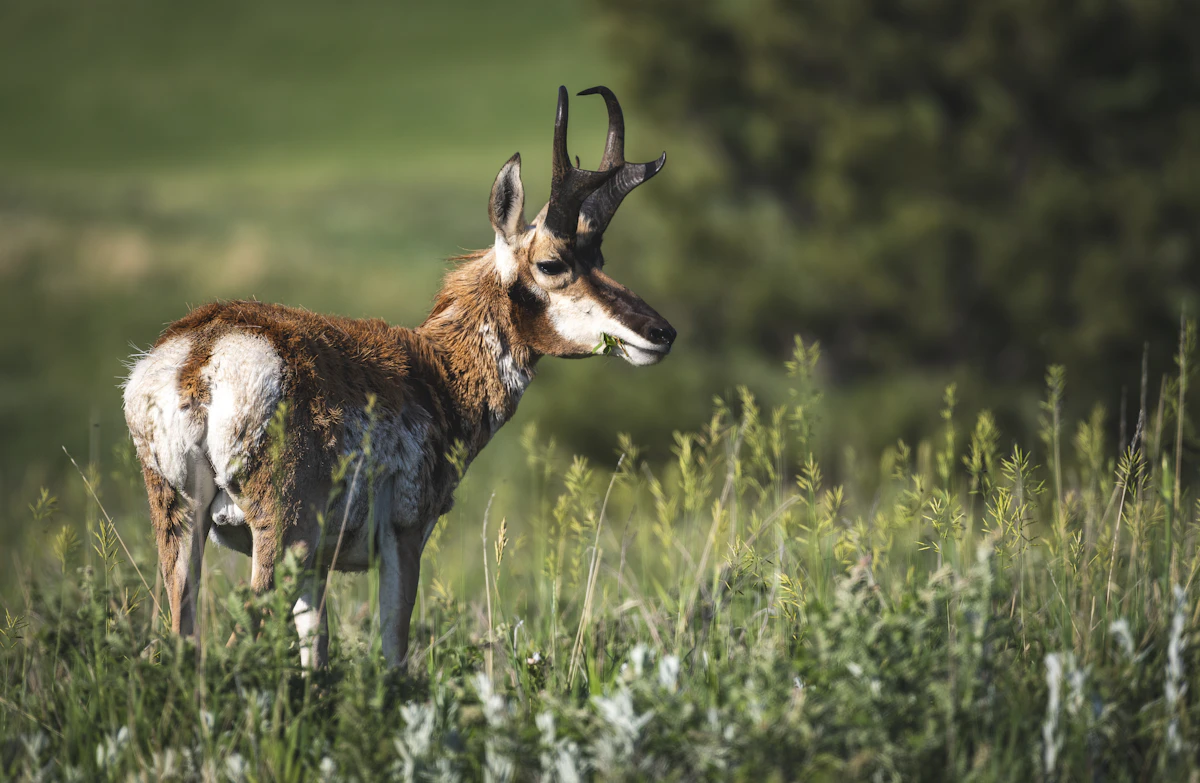
Pronghorn—most guys just call them antelope—is one of the best ways to hunt out West without getting stuck in the draw system for years. Some people even search it as “antalope,” and no matter how it’s spelled, the opportunity is still there. While there are definitely top-end units that take a long time to draw, there are just as many areas where you can pull a tag with zero to a couple points and have a real hunt. If your goal is to be in the field instead of waiting, these are the units that matter.
What Low-Point Pronghorn (Antelope) Hunting Looks Like
When you’re in that 0–2 or 0–3 point range, you’re not hunting the famous antelope units putting out giant bucks every year. You’re hunting opportunity. That usually means dealing with access challenges, smaller average buck size, and needing to cover some ground. But even in these units, 65–75 inch antelope bucks are realistic, and better ones show up if you stay patient and hunt smart.
Wyoming — Best State for Easy Antelope Tags
Wyoming is still the go-to state for pronghorn or antelope hunting with low points. There are a lot of units that can be drawn with zero to a couple points, especially if you’re not locked into chasing the most well-known areas.
Units like 23, 24, 25, 26, 27, 29, 30, 31, 32, and 34 all fall into that easier-to-draw category depending on the year. These central and eastern Wyoming units hold plenty of antelope, but access and pressure are what separate a good hunt from a frustrating one.
If you’re willing to do a little homework and hunt smart, Wyoming is one of the best ways to chase antelope consistently without waiting years.
Colorado — Easy Draw Antelope, Harder Access
Colorado offers some of the easiest antelope tags to draw, but there’s always a catch—access. Most of the easy units are on the eastern plains, where private land dominates.
Units like 100, 101, 102, 103, 112, 113, 114, 115, and 116 can often be drawn with zero to one point. These areas hold antelope, and there are good bucks around, but success usually comes down to how well you’ve figured out access before the season starts.
If you can solve that piece, Colorado becomes one of the more consistent states to hunt antelope every few years.
Montana — Quiet Antelope Opportunity
Montana doesn’t get talked about as much for antelope hunting, but it should. There are multiple units across central and eastern Montana where you can draw with little to no points.
Units like 620, 621, 622, 631, 632, and 652 all offer realistic odds and decent antelope numbers. Like Colorado, access matters, but there’s enough public land mixed in to make it work if you’re willing to scout.
Montana hunts tend to be more relaxed overall, and that alone makes it a good option for staying consistent.
New Mexico — Random Antelope Chance Every Year
New Mexico throws the whole point system out the window. Whether you call it pronghorn or antelope, every year you apply, you’ve got a shot.
Units like 46, 47, 50, 51, and 52 don’t get the same hype as top-tier units, but they still offer solid antelope hunting. You might draw right away or wait a few years, but it’s always worth being in the game.
Arizona — Not Easy, But Still Worth a Shot
Arizona antelope hunting is known for being tough to draw, but there are a few options that can fall into the low-point range depending on the year.
Units like 1, 2B, and 10 sometimes offer archery or less competitive options that are worth applying for. It’s not something you count on, but it’s a good addition to a broader antelope strategy.
The Reality Most Hunters Miss
A lot of hunters overthink antelope hunting. They either chase the best units or assume the easy ones aren’t worth it. The truth is, most hunters would be better off hunting more often in these lower-point units and building experience.
If you’re willing to deal with access, do your homework, and stay mobile, you can have a solid antelope hunt almost every year.
Final Thoughts
Whether you call them pronghorn, antelope, or even type in “antalope,” this is one of the best hunts in the West for staying consistent. You don’t need years of points, and you don’t need a perfect unit. You just need to be willing to go hunt.
Was this article helpful?
Previous
Point Creep: Why You Keep Building Points and Still Aren’t Any Closer
Point creep is when rising demand pushes point requirements higher every year, making some hunts harder to draw even as you keep building points.
Next
Backup Plans for Hunters
Backup plans aren’t one option—they’re layers. Secondary draws, leftovers, OTC, private land, and flexibility are what keep you hunting every year.