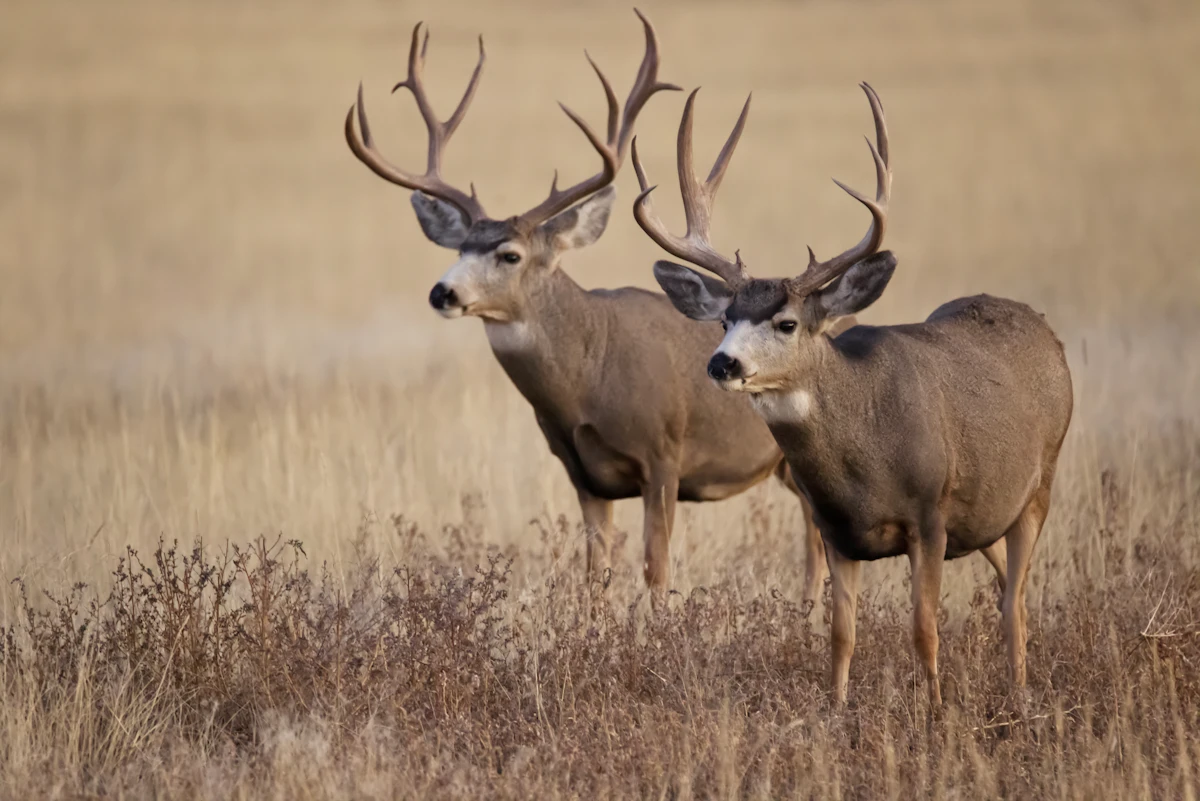
Rattling for Whitetail Bucks — When, Where, and How It Works
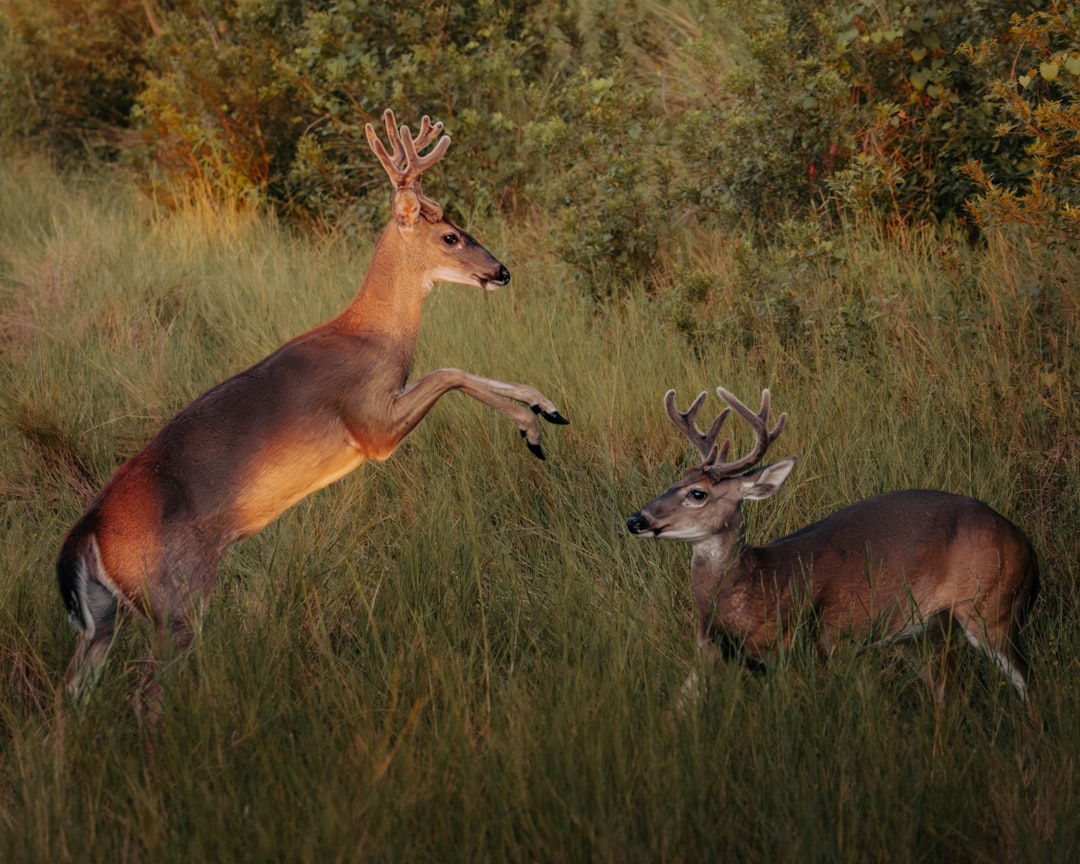
Rattling works because mature bucks are hardwired to investigate the sounds of competition during the breeding season. When two bucks lock antlers over territory or does, the clash echoes through the timber, and nearby bucks often abandon cover to either join the fight or assess the situation. Understanding when and where to rattle — and how aggressive to make your sequence — is the difference between pulling a shooter into range and educating deer.
When Rattling Works Best
The pre-rut and peak rut offer the highest success rates. From late October through mid-November across most whitetail range, bucks are actively searching for does and will travel to investigate other bucks in their core area. The seeking phase, when bucks are covering ground but does are not yet in estrus, is prime time. Bucks are frustrated, aggressive, and willing to challenge competitors.
Peak rut rattling works when does are cycling, but bucks are still mobile and receptive to the sounds of competition. Once the lockdown phase begins and dominant bucks pair with hot does, rattling success drops. Bucks with does are less likely to leave them, and subordinate bucks are often pressured into nocturnal movement.
Post-rut rattling can work during the second rut when does that were not bred cycle again, typically three to four weeks after peak activity. The window is shorter, but mature bucks will respond if competition is limited and the doe-to-buck ratio is balanced.
Best Terrain for Rattling
Rattling works best in areas where bucks can approach quickly and from multiple angles. Open hardwoods, oak flats, transition zones between bedding and feeding areas, and field edges with scattered cover allow bucks to move confidently while scanning for the source of the sound. Thick cover limits visibility and often causes bucks to hang up just out of range.
In agricultural country, rattle near staging areas where bucks gather before entering fields at dusk. In big timber, focus on ridges, benches, and saddles where bucks travel between bedding and feeding zones. Desert and scrub terrain requires louder, more aggressive rattling to carry sound over long distances.
Wind matters. Set up crosswind or with a slight quartering wind so approaching bucks can scent-check downwind without walking directly into your position. Mature bucks will circle to confirm what they hear, and if your setup forces them downwind, they will catch your scent and vanish.
How to Rattle Effectively
Start with lighter tickling and grinding to mimic sparring or a brief scuffle. If no response after five minutes, escalate to a full rattling sequence. Crash the antlers together hard, grind the bases, rake nearby brush, and stomp the ground to simulate two bucks fighting. A full sequence should last 60 to 90 seconds.
After rattling, wait 20 to 30 minutes before moving. Bucks often approach silently and will hang up in cover to watch for movement. Use this time to glass the area, watch downwind lanes, and stay ready. If no response, move 200 to 300 yards and repeat.
Vary your cadence and intensity. Early pre-rut benefits from shorter, less aggressive sequences. Peak rut allows for louder, longer fights with more ground-stomping and brush-raking. If hunting pressured areas, consider subdued rattling to avoid spooking cautious bucks that have heard aggressive sequences before.
Common Mistakes That Ruin Rattling Setups
Over-rattling is the most common error. Rattling every 10 minutes trains deer to associate the sound with danger rather than opportunity. Space sequences 30 to 45 minutes apart and change locations between sessions.
Poor shot lanes kill opportunities. Bucks will approach from downwind, and if thick cover blocks your shooting window, the encounter ends before it begins. Clear lanes during the off-season or choose setups where natural openings already exist.
Rattling in the wrong phase of the rut wastes time. If does are locked down with bucks, save your energy. If bachelor groups have not yet broken up, rattling will produce minimal results. Focus on the seeking and chasing phases when bucks are most responsive.
Movement after rattling costs shots. Bucks often circle or approach slowly, scanning for visual confirmation. Any unnecessary movement — adjusting your pack, checking your phone, shifting position — will alert incoming deer. Stay still and let the sequence work.
Combining Rattling with Other Tactics
Rattling pairs well with calling. After a rattling sequence, use a grunt tube to sound like a buck responding to the fight. This adds realism and can pull hesitant bucks closer. Doe bleats work during peak rut when bucks assume the fight is over a receptive doe.
Decoys increase success rates in open terrain. A buck decoy positioned in a submissive or aggressive posture gives approaching bucks a visual target and pulls their attention away from your position. Use decoys downwind and within 15 yards of your stand or blind.
Rattling from a blind offers movement freedom that treestand hunters lack. You can rattle more aggressively, adjust your position, and use windows to scan multiple directions without being seen. Ground blinds also allow rifle hunters to rattle and shoot from the same setup.
TAGZ Helps You Plan Rut-Timing Hunts
Whether you are planning an early-season bow hunt or targeting peak rut rifle seasons, TAGZ helps you compare draw odds, track application deadlines, and analyze units based on terrain, public land access, and historical success rates. Use unit maps and terrain breakdowns to identify transition zones, bedding areas, and field edges where rattling setups produce the best results.
TAGZ tracks your preference points and bonus points across multiple states, so you know when you are in position to draw limited-entry tags during the rut. Filter hunts by weapon type, season dates, and species to find opportunities that align with peak rattling windows. Whether you are chasing Midwest giants or high-country mule deer during the rut, TAGZ gives you the tools to plan smarter hunts before you ever step into the field.
FAQ — Rattling Bucks
Does rattling work for mule deer?
Yes, but mule deer are less responsive than whitetails. Rattling works best during peak rut in areas with high buck density, particularly in limited-entry units where competition is intense.
How loud should I rattle?
Loud enough to carry 200 to 300 yards in open terrain, but not so loud that it sounds unnatural. Start moderate and escalate if no response. Pressured areas benefit from quieter, more realistic sequences.
Can I rattle from a treestand?
Yes, but movement is limited. Use a rattling bag or synthetic antlers that are easier to manipulate in tight spaces. Avoid over-reaching or shifting weight, which creates noise and motion.
What time of day is best for rattling?
Morning hunts from daylight to 10 a.m. and evening hunts from 3 p.m. to dusk produce the most responses. Midday rattling during peak rut can work when bucks are actively cruising.
How often should I rattle during a hunt?
Every 30 to 45 minutes if you are mobile, or twice per sit if hunting from a stand. Over-rattling trains deer to avoid the area.
Will rattling work in heavily pressured areas?
Yes, but tone it down. Use shorter, less aggressive sequences that sound like brief sparring rather than full-blown fights. Mature bucks in pressured zones are cautious and will hang up at the slightest sign of danger.
Should I rattle if I already see a buck?
No. If a buck is already working toward your position, let him come. Rattling can spook deer at close range or cause them to change direction if the sound does not match their expectations.
Do I need real antlers or will synthetic rattling antlers work?
Both work. Real antlers sound more authentic, especially when clashed hard, but synthetic antlers are lighter, quieter to carry, and easier to use in a treestand. Choose based on your hunting style and terrain.
Continue Planning Your Hunt
For more strategies on timing your hunts around the rut, read our article on Understanding Western Big Game Draw Systems. If you are planning hunts across multiple states, check out How to Maximize Bonus Points and Preference Points to build a long-term application strategy.
Ready to start planning your next rut hunt? Explore units, compare draw odds, and track application deadlines at TAGZ. Create a free account and start filtering hunts by weapon type, season dates, and terrain to find the setups where rattling gives you the best chance at a mature buck. Check out our pricing options to unlock detailed unit maps, historical draw data, and multi-state point tracking.
For more insights on hunt planning and application strategies, visit the TAGZ Insights blog.
Was this article helpful?
Previous
50 Guide Secrets for Killing More Elk
Professional elk guides share hard-won field tactics that consistently put hunters on bulls—from glassing techniques and shot placement to calling sequences and wind management strategies that separate successful elk hunters from those who tag out early.
Next
Best Compound Bows for Mule Deer Hunting in 2025
Choosing the right compound bow for mule deer hunting means balancing draw weight, speed, and accuracy for Western terrain. This guide breaks down the top bows for spot-and-stalk hunting, key specs to prioritize, and how to match your setup to your hunting style.