Questions to Ask Before Booking a Whitetail Deer Hunt: Complete Outfitter Checklist
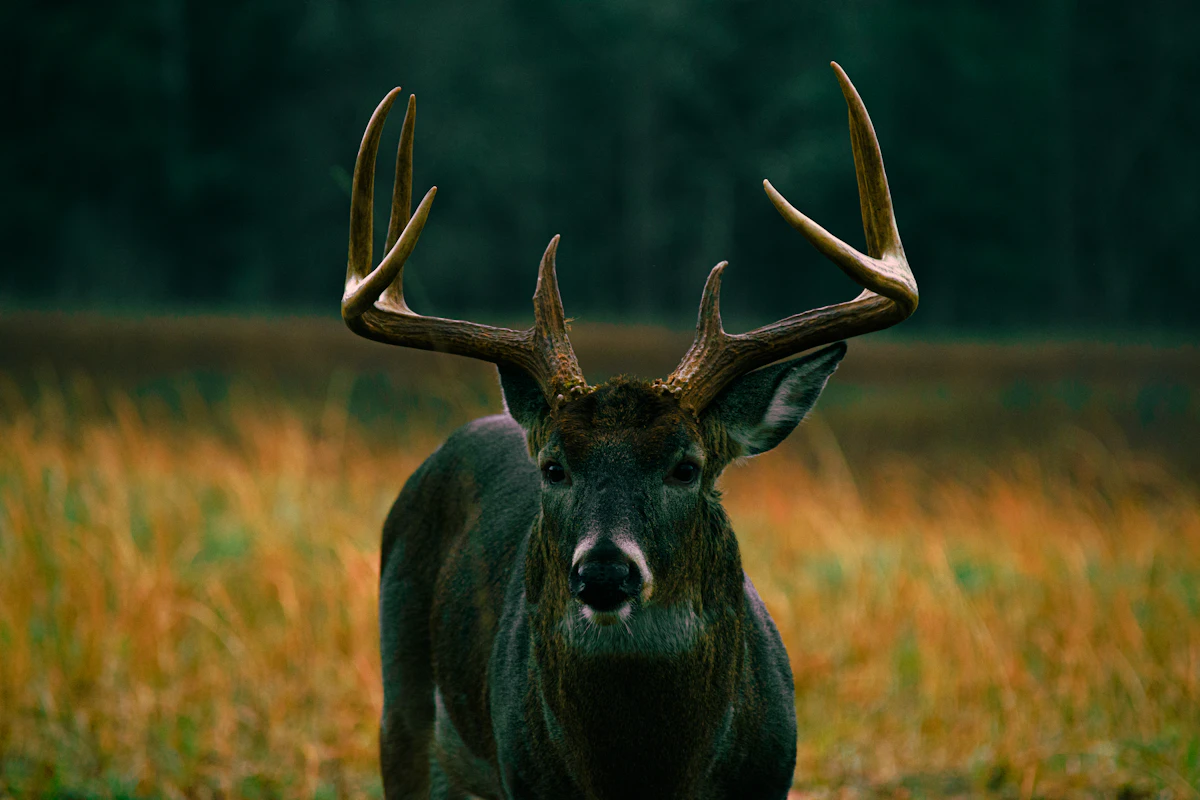
30 Questions to Ask Before Booking a Whitetail Deer Hunt
Booking a guided whitetail deer hunt can be one of the most exciting investments a hunter makes. Whether you're planning a Kansas archery hunt, an Illinois rut hunt, a Missouri rifle hunt, or a trophy whitetail trip to Iowa, choosing the right outfitter can determine whether the experience meets your expectations.
But not all guided whitetail hunts are created equal.
Some outfitters operate thousands of acres of carefully managed private land. Others lease smaller properties, rotate multiple hunters through the same stands, or advertise trophy opportunities without providing enough information about their actual operations.
The difference between a quality hunting experience and an expensive disappointment often comes down to the questions hunters ask before booking.
Before paying a deposit, hunters should verify an outfitter's recent success rates, available acreage, hunting pressure, trophy expectations, total costs, licensing requirements, cancellation policies, and exactly what services are included.
This guide covers 30 important questions every hunter should ask before booking a guided whitetail deer hunt, along with warning signs, budgeting considerations, and practical advice from a hunting-industry perspective.
Why Asking the Right Questions Matters
Guided whitetail hunts can cost thousands of dollars before travel, licenses, processing, and taxidermy are included.
For many hunters, the trip represents months or years of planning.
However, the quality of a guided hunt cannot be determined by price alone.
An expensive outfitter may have excellent accommodations but heavily pressured hunting ground. A smaller operation may provide outstanding hunting opportunities with basic lodging and fewer amenities.
Hunters should focus on the actual hunting experience rather than marketing claims.
Important considerations include:
How the outfitter manages its hunting property.
Whether deer populations support the advertised hunting opportunities.
How frequently stands are hunted.
Whether the guide understands seasonal deer movement.
Whether the outfitter communicates honestly about success rates.
Whether the hunter's expectations match the type of hunt being offered.
The following questions can help hunters evaluate those details before committing.
Questions About Hunting Success and Trophy Quality
1. What Is Your Actual Whitetail Hunting Success Rate?
This should be one of the first questions you ask.
Some outfitters advertise extremely high success rates without explaining how those numbers were calculated.
Ask for:
Total number of hunters hosted annually.
Number of hunters who harvested a deer.
Number of hunters who harvested a mature buck.
Success rates for the past three to five seasons.
Separate results for archery and firearm hunts.
Separate results for different hunting weeks.
Why it matters: A 90% success rate means little if it includes does, young bucks, or management deer when your goal is a mature trophy whitetail.
Ask specifically for the percentage of clients who harvested bucks meeting your target age or antler criteria.
2. What Is the Average Age and Antler Size of Harvested Bucks?
Trophy quality is subjective.
One hunter may be thrilled with a 120-inch buck, while another may be holding out for a mature deer exceeding 150 inches.
Ask the outfitter:
What is the average age of harvested bucks?
What is the typical gross antler score?
How many bucks over 140 inches were harvested last season?
How many bucks over 150 inches?
Are harvest estimates verified or simply guide estimates?
Does the outfitter have an age-based or antler-based harvest policy?
Why it matters: An outfitter advertising 160-inch whitetails may have harvested only one buck of that size in several years.
You want realistic expectations, not the largest deer ever taken on the property.
3. Can You Provide Harvest Records From the Last Three Years?
Recent records can reveal whether an operation consistently produces quality hunts.
Request:
Annual harvest totals.
Photographs from recent seasons.
Dates of harvest.
General hunting conditions.
Approximate age or antler class.
Number of hunters hosted.
An outfitter does not need to disclose confidential client information, but it should be able to provide a reasonable picture of recent results.
4. What Percentage of Hunters See Mature Bucks?
Harvest success is not the only useful measure of hunt quality.
Ask:
How many hunters encounter mature bucks?
How often do clients receive legitimate shooting opportunities?
What percentage of hunters see bucks meeting the outfitter's minimum?
How does buck activity change throughout the season?
An outfitter that consistently provides mature-buck encounters may offer a worthwhile experience even when not every hunter harvests a deer.
5. What Happens if I Shoot a Buck Below Your Minimum?
Many trophy-focused whitetail outfitters establish minimum antler or age requirements.
Ask:
Is there a minimum gross score?
Is there a minimum age requirement?
Are there penalties for harvesting smaller bucks?
Who determines whether a buck is legal under outfitter rules?
Are management bucks treated differently?
Are these policies written into the contract?
Why it matters: Some operations charge additional fees for bucks that do not meet their management standards.
Make sure you understand these rules before hunting.
Questions About Hunting Land and Deer Management
6. How Many Acres Do You Actually Have Available to Hunt?
Large acreage numbers can be misleading.
An outfitter may advertise 10,000 acres, but that does not necessarily mean every hunter has access to all 10,000 acres.
Ask:
How many acres are actively hunted?
How much land is owned versus leased?
Is the property contiguous or divided into separate parcels?
How many hunters share the available acreage?
Are some properties reserved for certain clients?
Why it matters: The amount of usable, lightly pressured deer habitat matters more than the total acreage advertised.
7. How Many Hunters Do You Book Per Week?
Hunting pressure can substantially influence deer behavior.
Ask:
How many hunters are in camp at one time?
How many hunters use each property?
Are stands rotated?
How many weeks is each farm hunted?
Are certain properties rested between hunts?
How many total hunters are booked for the season?
A property hosting six hunters for one week may be managed very differently from the same property hosting six hunters every week for two months.
8. How Often Are Your Hunting Properties Pressured?
Even productive whitetail habitat can become difficult to hunt when deer experience repeated disturbance.
Ask:
Are stands hunted daily?
Are properties rotated?
Are certain areas reserved for the rut?
How are wind conditions considered?
Are bedding areas protected from unnecessary intrusion?
How does the outfitter manage vehicle and foot traffic?
A quality operation should have a clear approach to minimizing unnecessary disturbance.
9. Is the Hunt Fair-Chase, Free-Range, or High-Fence?
Hunters should understand exactly what type of hunting experience they are purchasing.
Ask:
Are deer free-ranging?
Is the hunting property enclosed?
Are deer bred, stocked, or released?
Are there supplemental feeding programs?
Is the hunt conducted under ordinary state wildlife regulations or a separate preserve system?
Are harvest opportunities or trophy sizes guaranteed?
A free-range hunt and a high-fence preserve hunt are different products.
Neither should be misrepresented as the other.
10. How Do You Manage the Deer Herd?
Ask whether the outfitter practices any form of herd or habitat management.
Possible management activities include:
Habitat improvements.
Timber management.
Food plot development.
Native vegetation management.
Selective harvest policies.
Doe harvest programs where appropriate.
Trail-camera monitoring where legal.
Reduced hunting pressure.
Coordination with neighboring landowners.
Not every productive whitetail property requires an intensive management program.
However, an outfitter should understand the habitat and deer populations on the ground it hunts.
Questions About the Actual Hunting Experience
11. Is This a Fully Guided or Semi-Guided Hunt?
The term guided hunt can mean different things.
A fully guided hunt may include a guide accompanying the hunter or providing close assistance throughout the hunt.
A semi-guided hunt may involve being dropped off at a stand with limited additional assistance.
Ask:
Will a guide accompany me?
Will I be transported to and from my stand?
Who selects stand locations?
Will I receive daily hunting recommendations?
Is tracking assistance included?
Who handles field dressing and recovery?
Make sure the service matches your expectations.
12. How Are Stand Locations Selected?
Stand placement can strongly influence the quality of a whitetail hunt.
Ask:
Are stands selected based on recent deer movement?
Are trail cameras used where legal?
Are stand locations adjusted for wind direction?
Are there different stands for morning and evening hunts?
Are rut travel corridors hunted differently from feeding areas?
Can hunters change locations if activity is poor?
A good outfitter should have a reason for placing a hunter in a particular location.
13. What Types of Stands or Blinds Will I Hunt From?
Different setups work better for different hunters.
Ask about:
Ladder stands.
Hang-on tree stands.
Ground blinds.
Elevated enclosed blinds.
Permanent shooting houses.
Spot-and-stalk opportunities where appropriate.
Also ask:
How high are the stands?
Are safety harnesses provided or required?
Can the outfitter accommodate physical limitations?
Are rifle rests available?
What are typical shooting distances?
14. How Much Scouting Is Done Before My Hunt?
Preseason and in-season scouting can make a meaningful difference.
Ask:
When does scouting begin?
Are mature bucks identified before the season?
Are trail cameras used legally?
Does the outfitter monitor food sources?
Are stands adjusted as deer patterns change?
Does the guide scout during the hunting season?
Scouting does not guarantee success, but it can demonstrate preparation and familiarity with the hunting area.
15. What Happens if Deer Activity Is Poor?
Weather, hunting pressure, crop harvest, and changing deer behavior can affect a hunt.
Ask:
Can hunters move to another property?
Are alternative stands available?
Does the outfitter adjust strategies based on conditions?
Can hunting locations change during the week?
What happens if the original property becomes inaccessible?
A reputable outfitter should have a practical plan for changing conditions.
Questions About Hunting Seasons and Timing
16. What Is the Best Week to Book for My Hunting Goals?
The best hunting dates depend on the state, region, weapon, and type of deer you want to pursue.
Ask:
When does mature-buck daylight activity typically increase?
When does the local rut usually occur?
Which weeks have historically produced the most mature-buck encounters?
Are early-season feeding patterns predictable?
How does hunting pressure change throughout the season?
Are late-season food sources available?
For example:
Kansas: Late October and November can be popular for archery hunters targeting rut-related activity.
Illinois: November is often a highly sought-after period for mature-buck movement.
Iowa: Rut-period archery hunting can be especially desirable.
Missouri: Rifle season timing can overlap important fall deer activity.
Ohio: Archery opportunities extend across multiple seasonal phases.
Wisconsin: Firearm season and late-season conditions create different hunting strategies.
Exact dates and rut activity vary by year and location.
17. How Does Weather Affect Your Hunting Area?
Ask how the outfitter adjusts to:
Warm temperatures.
Cold fronts.
Heavy rain.
Snowfall.
High winds.
Drought.
Changing crop harvest schedules.
An experienced guide should be able to explain how local deer behavior changes under different conditions without promising that a particular weather event guarantees success.
18. Are There Different Success Rates for Archery and Rifle Hunts?
Archery and rifle hunts can have different success rates and encounter opportunities.
Ask:
What percentage of archery hunters harvest mature bucks?
What percentage of rifle hunters do?
Are archery hunters using different properties?
What are typical shooting distances?
Are certain weeks reserved for one weapon type?
Do not assume a statewide rifle success rate reflects the outfitter's actual results.
Questions About Tags, Licenses and Regulations
19. Is My Deer Tag Guaranteed or Do I Need to Draw?
This is especially important for nonresident hunters.
Different states have different systems.
Examples include:
Iowa: Nonresident deer hunting opportunities generally require a drawing, with preference points affecting access.
Kansas: Nonresident deer permits are issued through a drawing process.
Illinois: Nonresident permit requirements vary by season and weapon.
Missouri: Many nonresident deer opportunities are available through permit purchases, subject to current regulations.
Ohio: Nonresident deer hunting opportunities generally involve purchasing the applicable licenses and permits rather than accumulating deer preference points.
Ask:
Is the required tag available over the counter?
Is a drawing required?
What is the application deadline?
Are preference points involved?
What happens if I do not draw?
Is the deposit transferable to another year?
Never assume a booked hunt guarantees a legal deer tag.
20. What Hunting Regulations Should I Know Before Arriving?
Ask the outfitter about:
Legal weapons.
Blaze-orange requirements.
Tagging and harvest reporting.
Legal shooting hours.
Baiting and feeding restrictions.
Trail-camera regulations.
Crossbow eligibility.
Chronic wasting disease transportation restrictions.
Mandatory check stations.
Meat and carcass transport rules.
Regulations vary significantly by state and sometimes by county or hunting area.
The hunter remains responsible for following the law, even when using a guide.
Official resources include:
Questions About Hunting Costs and Booking Policies
21. What Is the Total Cost of the Hunt?
Always ask for the complete price, not just the advertised package rate.
Request a written breakdown of:
Base hunt price.
Deposit.
Remaining balance.
Lodging.
Meals.
Guide services.
Transportation.
License and tag fees.
Trophy fees.
Additional harvest fees.
Field dressing.
Meat processing.
Taxidermy arrangements.
Applicable taxes.
Gratuities.
Why it matters: A hunt advertised at $4,000 may cost substantially more after travel and additional services.
22. What Is Included in Lodging and Meals?
Some outfitters offer full-service lodges, while others provide basic cabins or require hunters to arrange their own accommodations.
Ask:
Is lodging included?
Are rooms private or shared?
Are meals provided?
Is there access to refrigeration?
Is there a place to store hunting equipment?
Is laundry available?
Is Wi-Fi or cell service available?
How far is lodging from the hunting area?
Comfort may not determine hunting success, but it affects the overall trip.
23. What Is Your Deposit and Cancellation Policy?
Before paying a deposit, request the written cancellation policy.
Ask:
Is the deposit refundable?
Can the hunt be rescheduled?
What happens if I do not draw a tag?
What happens if I become ill?
What happens if severe weather prevents hunting?
What happens if the outfitter cancels?
Is the remaining balance due before arrival?
Can the outfitter change the hunt location?
Avoid relying solely on verbal promises.
24. Are There Additional Trophy or Harvest Fees?
Some outfitters charge based on antler size, trophy category, or the number of animals harvested.
Ask:
Is the hunt a flat rate?
Are trophy fees charged?
Is there an additional fee for bucks above a certain score?
Are management deer included?
Are there penalties for shooting smaller bucks?
Is there a fee for harvesting a doe?
What happens if an animal is wounded but not recovered?
All fees should be disclosed before the hunt begins.
25. What Happens if I Wound a Deer?
This is an important ethical and financial question.
Ask:
Does a wounded deer count as the hunter's harvest?
Will guides assist with tracking?
Are tracking dogs used where legal?
How long will the outfitter continue recovery efforts?
Can the hunter continue hunting if the deer is not recovered?
Are additional fees involved?
A responsible outfitter should prioritize recovery and explain its wounded-animal policy clearly.
Questions About References, Safety and Reputation
26. Can I Speak With Previous Clients?
References can provide information that marketing materials cannot.
Ask for contact information from:
Hunters who harvested mature bucks.
Hunters who did not harvest a deer.
Recent archery clients.
Recent firearm clients.
Repeat customers.
Questions for former clients include:
Did the outfitter deliver what was advertised?
Were the hunting properties heavily pressured?
Was the guide knowledgeable?
Were accommodations as described?
Were there unexpected fees?
Would you book again?
Independent reviews can be helpful, but firsthand conversations are often more informative.
27. Are You Properly Licensed, Insured and Authorized to Guide?
Outfitter and guide requirements vary by state.
Ask:
What licenses or registrations are required for your operation?
Are you in compliance with applicable state requirements?
Do you have permission to guide on the properties being hunted?
Do you carry appropriate business liability insurance?
Are guides trained in basic safety and emergency procedures?
Some states do not require the same type of outfitter licensing as others.
Hunters should verify the requirements that apply to the specific operation.
28. What Is Your Emergency Plan?
Hunting often takes place in remote areas where immediate medical assistance may not be available.
Ask:
Do guides carry first-aid equipment?
Is emergency communication available?
What happens if a hunter is injured?
Are stand safety harnesses required?
How are hunters transported from remote locations?
Does the outfitter have an emergency contact procedure?
Safety should be a standard part of the operation, not an afterthought.
29. Who Handles Field Dressing, Meat Processing and Trophy Care?
Harvesting a deer is only part of the hunting experience.
Ask:
Does the guide field dress the deer?
Is skinning included?
Is a walk-in cooler available?
Is meat processing arranged?
Can the outfitter recommend a local taxidermist?
Is caping included?
Who transports the deer from the hunting property?
Can meat be shipped or prepared for airline travel?
Hunters traveling long distances should also research state-specific carcass transportation restrictions.
30. What Makes Your Outfitter Different From Others in the Area?
This final question gives the outfitter an opportunity to explain its approach.
A good answer may include:
Limited hunting pressure.
Experienced local guides.
Long-term landowner relationships.
Habitat management.
Realistic harvest expectations.
Consistent communication.
Ethical hunting practices.
High repeat-client satisfaction.
Personalized hunting experiences.
Be cautious when the only answer is that the outfitter has the biggest bucks or guarantees success.
Red Flags When Booking a Guided Whitetail Hunt
Hunters should be cautious of operations displaying several of the following warning signs.
Warning Signs to Watch For
Refuses to provide recent hunter references.
Advertises unrealistic success rates without documentation.
Uses old trophy photos without identifying the harvest year.
Cannot explain how much hunting land is available.
Avoids questions about hunting pressure.
Promises guaranteed free-range trophy deer.
Changes prices after receiving a deposit.
Has no written booking agreement.
Cannot explain licensing requirements.
Refuses to disclose wounded-deer policies.
Has inconsistent information about lodging or meals.
Pressures hunters to pay immediately.
Cannot demonstrate permission to access hunting properties.
One concern does not automatically prove an outfitter is dishonest, but repeated inconsistencies should be taken seriously.
How Much Does a Guided Whitetail Deer Hunt Cost?
Guided whitetail hunting prices vary substantially by state, hunt duration, lodging, weapon, and trophy expectations.
The following are broad planning estimates, not verified quotes or statewide averages.
Budget and Semi-Guided Whitetail Hunts
Estimated range: $1,500–$3,000.
Often includes access to hunting properties and predetermined stands.
Lodging and meals may be separate.
Guides may provide limited daily assistance.
Hunters may handle more of their own recovery and logistics.
Standard Guided Whitetail Hunts
Estimated range: $3,000–$5,500.
Often includes several hunting days.
May include lodging and meals.
Guide assistance and stand selection may be provided.
Hunting takes place on leased, private, or otherwise authorized properties.
Premium Trophy Whitetail Hunts
Estimated range: $5,500–$10,000 or more.
May involve carefully managed private properties.
Often includes more personalized guiding.
May focus on mature-buck opportunities.
Some packages include premium lodging.
Trophy and additional harvest fees may apply.
High-Fence or Specialty Trophy Hunts
Prices vary substantially by operation.
Some charge according to antler score.
Deer management and hunting conditions differ from free-range hunts.
Hunters should understand enclosure size, animal sourcing, and hunt terms.
What Should You Budget Beyond the Hunt Price?
Additional expenses may include:
Nonresident hunting license.
Deer permit or drawing application.
Travel.
Rental vehicle.
Guide gratuities.
Meat processing.
Taxidermy.
Meat and antler transportation.
Travel insurance where appropriate.
A written total-cost estimate helps prevent surprises.
Best States to Research for Guided Whitetail Hunts
The best state depends on your budget, preferred weapon, tag availability, and expectations.
Iowa Guided Whitetail Hunts
Iowa is known for mature whitetail hunting opportunities and a competitive nonresident drawing system.
Important considerations:
Nonresident deer permit drawing.
Preference-point requirements.
Limited nonresident availability.
Archery and firearm season options.
Agricultural habitat and timber corridors.
Official resource: Iowa DNR.
Kansas Guided Whitetail Hunts
Kansas offers a combination of agricultural land, creek bottoms, grassland habitat, and mature whitetail opportunities.
Important considerations:
Nonresident deer permit drawing.
Hunt unit selection.
Archery and firearm seasons.
Land access and leasing arrangements.
Outfitter hunting pressure.
Official resource: Kansas Department of Wildlife and Parks.
Illinois Guided Whitetail Hunts
Illinois has a longstanding reputation for mature whitetail hunting.
Important considerations:
Nonresident permit requirements.
Archery and firearm seasons.
Agricultural and hardwood habitat.
Rut-period hunting demand.
Outfitter property management.
Official resource: Illinois DNR.
Missouri Guided Whitetail Hunts
Missouri offers extensive whitetail habitat and opportunities for nonresident hunters.
Important considerations:
Applicable nonresident permits.
Archery and firearm seasons.
Hunting pressure.
Regional deer populations.
Property access and management.
Official resource: Missouri Department of Conservation.
Ohio Guided Whitetail Hunts
Ohio offers opportunities to pursue mature whitetails across agricultural, wooded, and mixed habitats.
Important considerations:
License and permit purchases.
Archery and firearm season dates.
Public and private land opportunities.
Hunting pressure.
Local deer population management.
Official resource: Ohio DNR.
Wisconsin Guided Whitetail Hunts
Wisconsin offers substantial deer hunting opportunities across farmland, hardwood forests, and northern timber.
Important considerations:
Deer management units.
County-specific regulations.
Archery and firearm opportunities.
Baiting and feeding restrictions.
Chronic wasting disease regulations.
Official resource: Wisconsin DNR.
How to Compare Two Whitetail Hunting Outfitters
When evaluating multiple outfitters, compare the actual hunting experience rather than the advertised price alone.
Outfitter A: Lower Price, Higher Hunting Pressure
Hypothetical example:
Five-day hunt.
$3,000 package.
2,000 acres of hunting access.
Eight hunters in camp.
Limited stand rotation.
Basic lodging.
No documented mature-buck success rate.
Outfitter B: Higher Price, Lower Hunting Pressure
Hypothetical example:
Five-day hunt.
$4,500 package.
3,000 acres of hunting access.
Four hunters in camp.
Documented stand rotation.
Lodging and meals included.
Three years of harvest records.
Recent client references available.
Outfitter B may provide better value for a hunter prioritizing mature-buck encounters, but that conclusion depends on the accuracy of the claims and the quality of the properties.
The cheapest hunt is not always the best value, and the most expensive hunt is not automatically the best hunting opportunity.
When Should You Book a Guided Whitetail Deer Hunt?
Booking timelines depend on the state, outfitter, and season.
12–18 Months Before the Hunt
Research states and outfitters.
Review tag and drawing requirements.
Compare previous harvest results.
Identify preferred hunting dates.
Begin budgeting.
6–12 Months Before the Hunt
Contact outfitters.
Request written pricing.
Speak with references.
Review application deadlines.
Confirm available hunting dates.
3–6 Months Before the Hunt
Submit required applications.
Verify tag availability.
Finalize travel.
Review gear requirements.
Confirm lodging and transportation.
Final 30 Days
Confirm your license and permits.
Review current regulations.
Check firearm or archery equipment.
Confirm outfitter arrival instructions.
Discuss expected weather.
Review meat processing arrangements.
For states with competitive nonresident draws, hunters should understand the tag process before making nonrefundable travel commitments.
Frequently Asked Questions About Booking a Whitetail Deer Hunt
1. What should I ask a whitetail hunting outfitter before booking?
Ask about success rates, recent harvest records, trophy expectations, available acreage, hunting pressure, guiding services, total costs, tag requirements, cancellation policies, and references.
2. How much does a guided whitetail deer hunt cost?
Broad planning estimates range from approximately $1,500 for some semi-guided hunts to $10,000 or more for premium trophy packages. Actual prices vary considerably.
3. Are guided whitetail hunts worth the money?
They can be, particularly for hunters with limited scouting time or unfamiliarity with a hunting area. Value depends on the outfitter's honesty, access, experience, and services.
4. What is a good whitetail outfitter success rate?
There is no universal benchmark. Hunters should request recent, clearly defined statistics for mature-buck harvests and encounters rather than relying on a single advertised percentage.
5. Should I book a guided whitetail hunt during the rut?
Rut-period hunts can offer increased mature-buck movement, but exact timing varies by region. These dates may also be more expensive or book quickly.
6. How many acres should a whitetail outfitter have?
There is no minimum acreage that guarantees a quality hunt. Habitat, hunting pressure, property layout, access, and management are more important than acreage alone.
7. Is a fully guided hunt better than a semi-guided hunt?
Not necessarily. Fully guided hunts provide more assistance, while semi-guided hunts may offer greater independence and lower costs.
8. Can a whitetail outfitter guarantee a trophy buck?
No reputable free-range fair-chase outfitter can guarantee the harvest of a particular wild deer.
9. Do guided whitetail hunts include licenses and tags?
Often not. Hunters should confirm exactly what is included in the package.
10. What happens if I don't draw my deer tag?
That depends on the outfitter's written booking agreement. Some may offer rescheduling or deposit transfers, while others may have restrictive cancellation policies.
11. Should I ask for references before booking?
Yes. Speak with recent clients, including unsuccessful hunters, to better understand the experience.
12. What is the biggest mistake hunters make when booking an outfitter?
One of the most common mistakes is focusing on trophy photographs or advertised prices without investigating actual hunting pressure, success rates, and contract terms.
13. How far in advance should I book a whitetail hunt?
Popular rut-period hunts may book a year or more in advance. The appropriate timeline depends on the outfitter and state drawing requirements.
14. Are private-land whitetail hunts always better than public-land hunts?
No. Private land can offer controlled access and lower pressure, but public land can also provide excellent opportunities. Habitat, management, and hunting conditions matter.
15. What should a guided whitetail hunt contract include?
The agreement should identify hunt dates, location, services, total price, payment schedule, cancellation terms, trophy policies, and responsibilities for wounded or harvested animals.
Final Whitetail Hunt Booking Checklist
Before sending a deposit, make sure you can answer the following:
Have I verified the outfitter's recent harvest history?
Do I understand the realistic trophy expectations?
Have I confirmed the type of hunting property?
Do I know how many hunters will be in camp?
Have I asked how hunting pressure is managed?
Do I understand whether the hunt is fully guided or semi-guided?
Have I confirmed what lodging and meals are included?
Have I reviewed the total cost in writing?
Do I understand the tag and license requirements?
Have I reviewed the cancellation policy?
Have I spoken with recent clients?
Have I verified the outfitter's legal authority to guide?
Do I understand the wounded-deer policy?
Have I confirmed meat processing and recovery arrangements?
Does the outfitter's approach match my hunting goals?
If several important questions remain unanswered, continue researching before committing.
Plan Your Next Whitetail Hunt With TAGZ
Finding the right whitetail hunting outfitter begins with understanding where, when, and how you want to hunt.
Before contacting an outfitter, hunters should research state regulations, nonresident tag availability, hunting seasons, and application requirements.
TAGZ was built by hunters, guides, and outfitters who understand what goes into planning a successful hunting trip.
The idea for TAGZ originated in Idaho's guiding country, where firsthand experience navigating hunting opportunities and complex application systems inspired the development of a more accessible hunting research platform.
Today, TAGZ helps hunters explore supported states and species, research draw information, organize applications, and plan future hunting opportunities.
Whether you're researching an Iowa whitetail draw, comparing Kansas deer opportunities, or planning a Western big game hunt, TAGZ can help bring your hunting research together.
Explore TAGZ:
Research the hunt before you book it. Plan your next hunting season with TAGZ.
Official State Hunting Resources
Editorial Note — October 2026
This article provides general guidance for evaluating guided whitetail deer hunts across the United States.
Hunting regulations, nonresident permit systems, outfitter requirements, and season dates vary by state and may change annually.
The price ranges included are general planning estimates, not verified current outfitter quotes or statewide averages.
Hunters should independently confirm outfitter credentials, property access, permit eligibility, and written booking terms before making financial commitments.
Last editorial review: October 12, 2026.
Was this article helpful?
Previous
Alaska Hunting Draw Guide 2027: Dates, Odds, Tags & Applications
Alaska uses a random drawing system for limited-entry hunting permits rather than a preference-point system. Important information for the 2027 hunting season: Drawing system: Random lottery with no accumulated preference or bonus points. Application opening: November 1, 2026, under Alaska's established annual schedule. Application deadline: December 15, 2026, at 5 p.m. Alaska Standard Time, subject to the official 2027 supplement. Drawing results: Third Friday of February 2027, expected February 19. Applications per species: Generally up to six, with important hunt-specific exceptions. Standard application fee: $5 per entry for moose, caribou, sheep, goats, elk, black bear, and brown/grizzly bear. Bison and muskox application fee: $10 per entry. Preference points: None. Bonus points: None. Nonresident guide requirements: Generally required for brown/grizzly bear, Dall sheep, and mountain goat unless an eligible resident-relative exception applies. Nonresident aliens: Generally must be accompanied by a licensed Alaska guide for any big game species. Hunt-specific restrictions: May limit repeat applications, party applications, or eligibility. 2027 quotas and hunt numbers: Must be verified in the 2027–2028 Alaska Drawing Permit Hunt Supplement. The most effective Alaska draw strategy is to compare permit numbers with historical application demand, understand guide requirements, and select hunts that match your budget and logistical capabilities.
Related
Arizona Coues Deer Draw Odds 2027: Best Units, Bonus Points & Hunt Strategy
Arizona's Coues deer drawing offers opportunities for both residents and nonresidents, with drawing odds varying by hunt number and season. Key information for 2027: Species: Coues whitetail deer, a southwestern form of white-tailed deer. Primary habitat: Southern and central Arizona mountain ranges. Drawing system: Arizona bonus-point system. Preference points: Arizona does not use traditional preference points for deer. Bonus-point pass: Up to 20% of hunt permit-tags are allocated during the bonus-point phase, subject to drawing rules. Remaining permits: Distributed through subsequent random drawing phases. Nonresident allocation: Generally limited to no more than 10% of permits for a hunt number. 2026 deer draw deadline: June 2, 2026, at 11:59 p.m. Arizona time. 2027 deer draw deadline: Not yet officially announced. 2026 deer results: Released June 22, 2026. 2027 draw odds: Cannot be known exactly before the 2027 drawing. Best odds strategy: Compare individual hunt numbers, season dates, bonus-point distributions, and historical applicant demand. Popular Coues deer units: 6A, 21, 22, 23, 24A, 27, 29, 30A, 30B, 31, 32, 33, 34A, 34B, 35A, 35B, 36A, 36B, and 36C. Alternative opportunities: Some archery deer hunts are available through Arizona's nonpermit-tag system, subject to current rules and nonresident availability. Hunters should use the Arizona Game and Fish Department's official draw reports to compare opportunities rather than relying on generalized statewide odds.
Next
California Guided Black Bear Hunts 2027: Tags, Seasons & Costs
California offers guided black bear hunting opportunities across portions of Northern California, the Sierra Nevada, and other authorized hunting areas. Important information for 2027: Tag availability: California bear tags are generally sold over the counter without a preference-point drawing. Preference points: Not required for black bear tags. Resident and nonresident eligibility: Both can purchase bear tags if they meet licensing requirements. Minimum age: Hunters must be at least 12 years old. Bag limit: One bear per hunting license year. 2026 archery season: August 15–September 6, 2026. 2026 general season: Opens according to the applicable bear zone and deer season; scheduled to end December 27, 2026, unless the statewide harvest limit is reached earlier. Statewide harvest threshold: The 2026 general season closes early if 1,700 bears are reported taken. Guided hunt costs: Current published packages commonly fall around $3,500–$6,600, depending on duration and accommodations. 2026–27 resident bear tag: $62.90. 2026–27 nonresident bear tag: $397.60. 2026–27 resident hunting license: $64.54. 2026–27 nonresident hunting license: $225.46. Dogs: Hunting bears with dogs is prohibited. Bait: Hunting bears over bait is prohibited. 2027 dates and fees: Must be verified through the California Department of Fish and Wildlife (CDFW). A guided hunt can simplify scouting, access, logistics, and animal recovery, but no legitimate outfitter can guarantee a bear harvest.