California Guided Black Bear Hunts 2027: Tags, Seasons, Outfitters & Hunting Costs
California is one of the more overlooked destinations for guided black bear hunting in the Western United States. While hunters frequently look toward Idaho, Montana, Alaska, and British Columbia for bear hunting opportunities, California offers extensive mountain habitat, healthy black bear populations in many regions, and over-the-counter bear tags.
For hunters planning California guided black bear hunts in 2027, the state offers an opportunity to pursue black bears without accumulating preference points or waiting for a limited-entry drawing.
From the rugged Klamath Mountains and Trinity Alps to the forests surrounding Mount Shasta and the Sierra Nevada, California has substantial black bear habitat.
Hunters can pursue bears using legal spot-and-stalk, still-hunting, and stand-hunting methods, depending on the location, season, and property access.
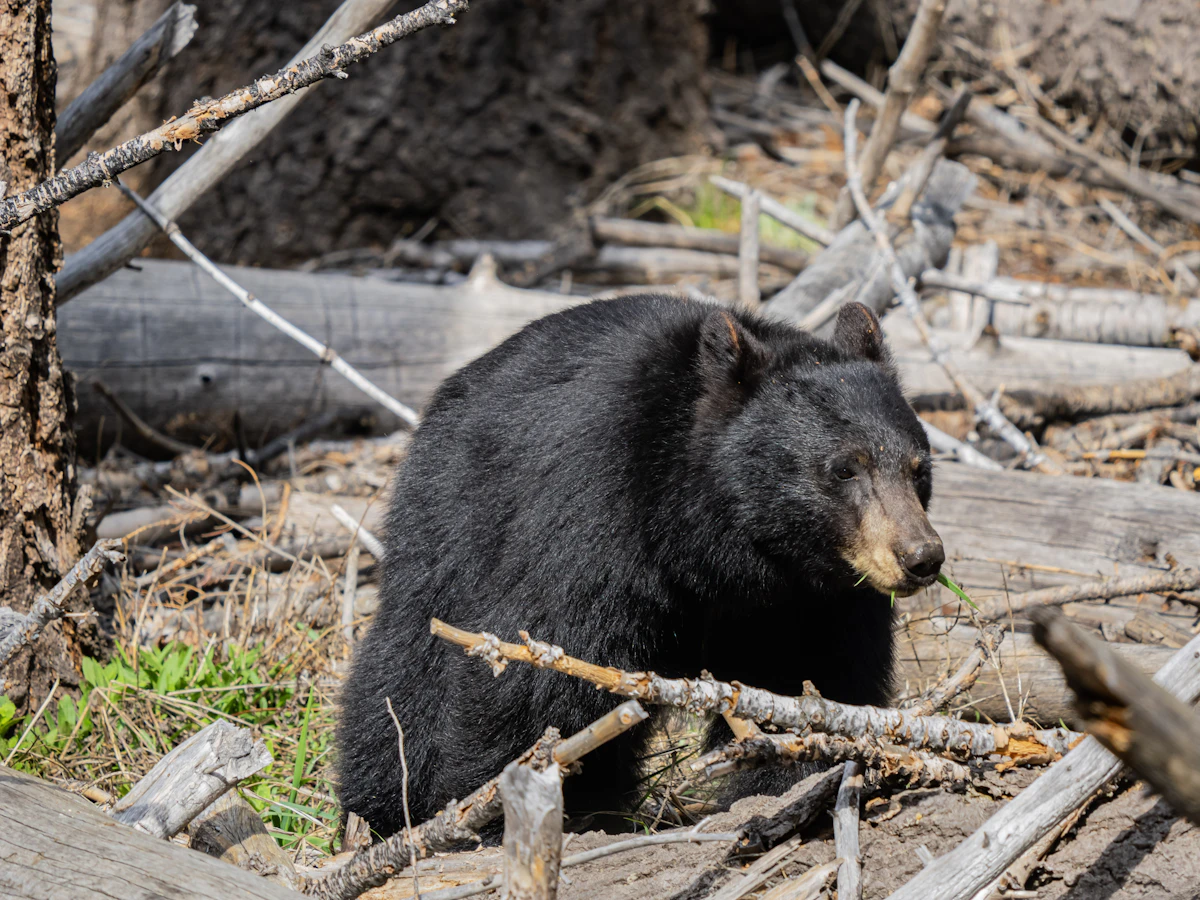
California also offers opportunities for color-phase black bears, including cinnamon and brown-colored animals.
However, California bear hunting has several important restrictions. Hunters cannot use dogs to pursue bears, baiting is prohibited, and the state has specific harvest reporting and tag validation requirements.
This guide covers the 2027 planning process, including guided hunt prices, license and tag costs, hunting seasons, legal methods, hunting regions, outfitter selection, and considerations for resident and nonresident hunters.
Can You Hunt Black Bears in California in 2027?
Yes. California allows regulated black bear hunting during established seasons in authorized areas.
Black bears are classified as game mammals under California law.
Hunters must obtain the appropriate hunting license and bear tag, comply with the current regulations, and follow all harvest reporting requirements.
Unlike premium deer, elk, pronghorn, and bighorn sheep opportunities, California bear tags do not require accumulated preference points.
This makes California an option for hunters seeking a Western black bear hunt without waiting years to draw a tag.
Do You Need to Draw a California Bear Tag?
No.
California generally sells bear tags over the counter to eligible hunters.
Hunters do not need to enter the annual big game drawing to obtain a standard bear tag.
However, tag availability does not guarantee that the hunting season will remain open for the entire scheduled period.
California has a statewide reported-harvest threshold that can trigger an early closure.
Can Nonresidents Hunt Black Bears in California?
Yes.
Nonresident hunters can purchase California bear tags if they meet the state's eligibility requirements.
Nonresidents generally need:
A valid California nonresident hunting license.
A California bear tag.
Acceptable hunter education documentation.
A legal hunting weapon.
Permission to access the hunting property.
Compliance with all applicable hunting regulations.
Official resource: California Black Bear Hunting.
California Black Bear Hunting Seasons 2027
California offers archery and general black bear hunting seasons.
The exact opening date depends on the season and hunting area.
California Archery Bear Season
For the 2026 hunting season:
Opening date: August 15, 2026.
Closing date: September 6, 2026.
Legal methods: Archery equipment meeting California requirements.
Hunting areas: Authorized bear hunting areas.
2027 dates: Await official confirmation.
Early-season archery hunting can provide opportunities to locate bears feeding in mountain habitats before colder weather changes their movements.
However, hunters should be prepared for warm temperatures, difficult terrain, and the challenges of recovering meat quickly.
California General Bear Season
For 2026:
In deer zones A, B, C, D, X8, X9A, X9B, X10, and X12, the general bear season opens with the applicable general deer season.
In the remaining eligible X zones, the general bear season opens October 10, 2026.
The scheduled closing date is December 27, 2026.
The season closes earlier if the statewide reported harvest reaches 1,700 bears.
The exact 2027 dates have not yet been confirmed.
Because opening dates vary, hunters must identify the correct bear hunting area before planning their trip.
Can California Bear Season Close Early?
Yes.
California uses a statewide reported-harvest threshold for the general black bear season.
For 2026, the season closes when 1,700 bears have been reported taken, even if the scheduled closing date has not arrived.
This matters for guided hunts scheduled late in the season.
Hunters should check the current harvest count and season status before traveling.
Official resource: CDFW Bear Hunting Seasons and Harvest Updates.
How Much Does a California Guided Black Bear Hunt Cost in 2027?
California guided black bear hunt prices vary by outfitter, hunt length, lodging, meals, property access, and the services included.
Based on currently advertised guided hunt packages, hunters can use approximately $3,500–$6,600 per person as a practical planning range for many multi-day guided hunts.
These are published package examples, not a statewide average or guaranteed 2027 prices.
Typical Guided Bear Hunt Price Ranges
Three-day guided hunt: Approximately $3,500–$4,300.
Four-day guided hunt: Approximately $4,000–$5,200.
Five-day guided hunt: Approximately $5,000–$5,900.
Six-day guided hunt: Approximately $6,000–$6,600.
Private-ranch hunt: Pricing varies by property, accommodations, and guide services.
Combination deer and bear hunt: Pricing depends on the additional species, tags, and hunt duration.
Hunters should request a written quote for 2027 rather than assuming previously advertised rates will remain unchanged.
What Does a Guided California Bear Hunt Usually Include?
Depending on the outfitter, a package may include:
Professional guiding.
Preseason scouting.
Transportation within the hunting area.
Lodging or backcountry camping accommodations.
Meals and beverages.
Field dressing.
Meat packing or retrieval assistance.
Initial hide preparation.
Hunting area orientation.
Assistance locating legal hunting access.
Some outfitters include all these services, while others offer guiding only.
What Is Usually Not Included?
Additional expenses may include:
California hunting license.
Bear tag.
Travel to California.
Rental vehicle.
Airport transfers.
Guide gratuities.
Meat processing.
Taxidermy.
Shipping meat or hides.
Additional hunting days.
Extra trophy-care services.
Always confirm the package inclusions before paying a deposit.
California Guided Black Bear Hunt Prices: Real Outfitter Examples
Published outfitter pricing provides useful benchmarks for hunters comparing 2027 opportunities.
Tejon Ranch Guided Black Bear Hunts
Tejon Ranch advertises a guided fair-chase, spot-and-stalk black bear hunt.
Published package details include:
Single hunter: $3,535.
Two-hunter package: $6,570 total.
Hunt duration: Three nights and three hunting days.
Hunting method: Spot-and-stalk.
Accommodations: Included.
Meals: Included.
Transportation on the ranch: Included.
Basic field care: Included.
California bear tag: Not included.
Guide gratuity: Not included.
Tejon Ranch provides a private-property hunting experience rather than a conventional public-land backcountry hunt.
Official outfitter information: Tejon Ranch Guided Black Bear Hunt.
Trinity Fork Outfitters
Trinity Fork Outfitters advertises guided black bear hunts in Northern California.
Published package examples include:
Three-day, three-night hunt: $4,300.
Four-day, four-night hunt: $5,000.
Five-day, five-night hunt: $5,700.
Six-day, six-night hunt: $6,400.
Additional hunting day: Advertised at $500.
Additional night: Advertised at $200.
Advertised services include guiding, meals, accommodations, field care, and assistance packing out harvested animals.
These prices should be reconfirmed directly for 2027.
Other Northern California Guided Hunts
Additional published guided bear hunt listings advertise:
Three-day packages around $3,500.
Guided packages with lodging and meals.
Archery and rifle hunting options.
Spot-and-stalk and still-hunting opportunities.
Hunting in areas around Trinity County, Weaverville, and Mount Shasta.
Hunters should verify guide credentials, legal hunting methods, access permissions, current pricing, and cancellation policies before booking.
California Bear Hunting License and Tag Costs for 2027
California requires both a hunting license and a bear tag.
The state publishes fees by license year.
For the 2026–27 license year, July 1, 2026–June 30, 2027, published fees include:
Resident Hunting Costs
Resident annual hunting license: $64.54.
Resident bear tag: $62.90.
Combined license and bear tag: $127.44.
Nonresident Hunting Costs
Nonresident annual hunting license: $225.46.
Nonresident bear tag: $397.60.
Combined license and bear tag: $623.06.
These figures cover the required standard license and bear tag only.
They do not include guiding, travel, processing, or other expenses.
The license and tag fees for the 2027–28 license year may differ.
Do You Need a California Deer Tag to Hunt Bears?
No.
Hunters do not need a deer tag to hunt black bears.
A bear hunt requires the appropriate hunting license and bear tag.
However, hunters planning a deer-and-bear combination hunt must obtain the correct authorization for both species.
Official resource: CDFW Hunting Licenses and Tags.
Total Cost of a California Guided Black Bear Hunt in 2027
A guided hunt budget should include more than the outfitter's advertised price.
Example Resident Hunter Budget
A California resident booking a $3,535 guided hunt might budget:
Guided hunt: $3,535.
Resident hunting license: $64.54.
Resident bear tag: $62.90.
License, tag, and guiding subtotal: $3,662.44.
Travel, tips, meat processing, and taxidermy: Additional.
Example Nonresident Hunter Budget
A nonresident booking the same $3,535 hunt might budget:
Guided hunt: $3,535.
Nonresident hunting license: $225.46.
Nonresident bear tag: $397.60.
License, tag, and guiding subtotal: $4,158.06.
Flights, rental vehicle, tips, processing, and shipping: Additional.
How Much Should a Nonresident Budget Overall?
For a typical multi-day guided hunt, a reasonable preliminary planning budget is approximately $4,500–$8,000 or more, depending on the outfitter and travel arrangements.
That is an estimated planning range, not a quoted package price.
A hunter booking a longer backcountry hunt, adding taxidermy, or traveling a substantial distance could spend considerably more.
Best Areas for Guided Black Bear Hunting in California
California black bears occupy a variety of habitats, including coastal forests, mixed-conifer mountains, oak woodlands, and remote wilderness.
The best guided hunting area depends on season, bear activity, access, weather, and the outfitter's experience.
1. Trinity County and the Trinity Alps
Trinity County is a strong starting point for hunters researching Northern California bear hunts.
The region includes steep mountains, extensive forests, and remote public-land opportunities.
Hunting style: Spot-and-stalk, still-hunting, and legal stand hunting.
Terrain: Steep mountains, timbered ridges, and drainages.
Access: National forest lands, designated wilderness, and private property.
Best suited for: Hunters comfortable with physical backcountry hunting.
Outfitter considerations: Meat recovery, pack-out assistance, and access knowledge.
Hunters should research the Shasta-Trinity National Forest and the applicable bear hunting boundaries.
2. Siskiyou County and Mount Shasta
Siskiyou County offers extensive mountain terrain and black bear habitat.
The Mount Shasta region contains timbered slopes, volcanic landscapes, and a variety of elevations.
Hunting style: Spot-and-stalk and still-hunting.
Terrain: Forested mountains, ridgelines, and steep drainages.
Access: Public lands and private properties.
Best suited for: Hunters interested in mountain bear hunting with varied access options.
Planning consideration: Bear movements can change with seasonal food availability.
3. Humboldt and Del Norte Counties
Northwestern California contains extensive coastal forest habitat supporting black bears.
Hunting style: Still-hunting, legal stands, and spot-and-stalk where visibility permits.
Terrain: Dense timber, steep slopes, and brushy drainages.
Access: Mixed public and private ownership.
Best suited for: Hunters interested in Roosevelt elk country and coastal forest ecosystems.
Planning consideration: Dense vegetation can limit visibility and shooting opportunities.
4. Shasta County
Shasta County provides another option for guided bear hunting.
Hunting style: Spot-and-stalk, still-hunting, and legal stand hunting.
Terrain: Forested mountains, oak woodlands, and mixed-elevation habitats.
Access: National forest lands and private ranches.
Best suited for: Hunters looking for a combination of mountain and foothill habitat.
Planning consideration: Food sources and weather influence bear activity.
5. Sierra Nevada Bear Hunting Areas
Portions of the Sierra Nevada offer black bear hunting opportunities.
Hunting style: Spot-and-stalk and still-hunting.
Terrain: Mountain forests, granite ridges, and high-elevation habitat.
Access: Public lands, subject to applicable restrictions.
Best suited for: Hunters interested in mountain hunting and wilderness experiences.
Planning consideration: Verify that the specific area is open to bear hunting.
Not every part of California is open to bear hunting. Always consult the current CDFW Bear Hunting Regulations.
Best Time to Hunt Black Bears in California
Bear hunting conditions change throughout the season.
August and Early September
Early-season hunts can offer opportunities to locate bears feeding in mountain habitats.
Potential advantages:
Longer daylight hours.
Opportunities to scout open slopes.
Early-season archery hunting.
Access to higher-elevation areas before winter weather.
Challenges:
Warm temperatures.
Meat-care concerns.
Dense vegetation.
Potential wildfire restrictions.
September and October
Fall hunting can provide opportunities as bears concentrate on available food sources.
Potential advantages:
Changing feeding patterns.
Acorn and other seasonal food sources.
Cooler temperatures.
Opportunities to combine scouting for deer and bear.
Challenges:
Variable food availability.
Hunting pressure.
Difficult terrain.
Changing weather conditions.
November and December
Late-season hunts may provide opportunities where the season remains open and bears remain active.
Potential advantages:
Reduced vegetation in some habitats.
Cooler temperatures.
Opportunities to track activity around remaining food sources.
Challenges:
Snow and difficult road conditions.
Shorter daylight hours.
Reduced bear activity.
Possible early season closure.
Hunters should not assume that late-season bears will remain active in every area.
Legal California Black Bear Hunting Methods
California restricts certain bear hunting practices.
Spot-and-Stalk Hunting
Spot-and-stalk is a common guided hunting method where terrain provides sufficient visibility.
Hunters locate bears using binoculars or spotting scopes before planning an approach.
Still-Hunting
Still-hunting involves moving slowly through likely bear habitat while watching for movement, feeding activity, and travel patterns.
This method can be effective in timbered country where long-distance glassing is difficult.
Stand Hunting
Legal stand hunting may be used where access and hunting regulations permit.
However, hunters must not use prohibited bait or attractants.
Can You Hunt Bears With Dogs in California?
No.
California prohibits using dogs to pursue bears.
Hunters should be cautious of any outfitter advertising dog-assisted California black bear hunts.
Is Bear Baiting Legal in California?
No.
California prohibits using feed or bait to attract bears for hunting.
Can You Hunt California Bears With a Rifle?
Yes, during applicable general seasons and where firearm use is legal.
Hunters must follow California firearm, ammunition, and hunting regulations.
California requires nonlead ammunition when taking wildlife with a firearm.
Can You Hunt California Bears With a Bow?
Yes.
California offers a dedicated archery bear season, and legal archery equipment may also be used during the general season.
Hunters must comply with current equipment requirements.
California Black Bear Hunting Regulations for 2027
Hunters should review the current CDFW regulations before booking or beginning a hunt.
Important Legal Requirements
Obtain a valid hunting license and bear tag.
Hunt only within authorized bear hunting areas.
Follow the applicable season dates.
Do not use prohibited bait.
Do not pursue bears with dogs.
Do not harvest cubs or females accompanied by cubs.
Use legal weapons and ammunition.
Follow tag validation and reporting requirements.
Check for emergency closures and fire restrictions.
How Many Bears Can You Harvest?
California's Fish and Game Commission adopted regulatory amendments in April 2026 intended to increase the annual bear harvest limit from one to two bears and expand certain hunting boundaries.
However, published CDFW materials have contained conflicting one-tag and two-tag language while regulatory implementation is being reflected across agency resources.
For 2027, verify the effective tag limit, bag limit, and current regulations directly with CDFW before purchasing additional tags or planning a second harvest.
The statewide reported-harvest closure threshold is a separate rule.
What Happens After Harvesting a California Black Bear?
California has specific tag validation and biological sampling requirements.
Successful hunters generally must:
Complete the required harvest reporting promptly.
Arrange tag validation through an authorized CDFW employee.
Present the bear skull within the required period, generally 10 days.
Allow collection of the required biological sample, including a premolar tooth.
Follow applicable transportation and possession requirements.
Hunters who do not harvest a bear must also complete the required reporting.
The published unsuccessful-hunter reporting deadline is generally February 1 following the hunting season.
Official resource: CDFW Hunting Tag Reporting Requirements.
How to Choose a California Black Bear Hunting Outfitter
Not every guided hunt offers the same experience.
Hunters should evaluate outfitters based on legal compliance, experience, access, and the quality of the hunting opportunity.
Questions to Ask Before Booking
How many years have you guided California black bear hunts?
Where does the hunt take place?
Is the hunting area public land, private land, or both?
What hunting methods are used?
What is the guide-to-hunter ratio?
How many full hunting days are included?
What is your documented recent harvest success?
Are meals and lodging included?
Who handles meat recovery?
Is transportation within the hunting area provided?
Are there additional fees for trophy care or packing?
What happens if the season closes early?
What is the cancellation and refund policy?
Can you provide recent hunter references?
What licenses, registrations, and land-use authorizations do you hold?
Hunters should verify that an outfitter meets California's applicable guide licensing and access requirements.
Are Guided Bear Hunts Guaranteed?
No.
A legitimate fair-chase outfitter cannot guarantee that a hunter will harvest a black bear.
Weather, food availability, hunting pressure, animal movement, and the hunter's preparation all influence success.
A professional guide can improve scouting and logistics, but the outcome remains uncertain.
Guided vs. DIY California Black Bear Hunting
California allows hunters to pursue bears without hiring a guide, provided they meet all applicable requirements.
Advantages of a Guided Hunt
Local knowledge.
Preseason scouting.
Assistance identifying productive habitat.
Hunting access coordination.
Field care and recovery assistance.
Reduced logistical burden.
Experience with local weather and terrain.
Advantages of a DIY Hunt
Lower direct hunting costs.
More control over scheduling.
Greater independence.
Ability to scout and explore at your own pace.
Opportunity to develop familiarity with a hunting area over multiple seasons.
Which Is Better for Nonresidents?
A guided hunt may be particularly useful for nonresidents unfamiliar with California's terrain, access, and hunting regulations.
However, experienced hunters with sufficient scouting time may prefer a DIY approach.
The best option depends on available time, hunting experience, and budget.
What Gear Do You Need for a California Black Bear Hunt?
Equipment requirements vary by season and hunting area.
Recommended Hunting Equipment
Legal rifle or bow.
Appropriate nonlead ammunition when hunting with a firearm.
Binoculars.
Spotting scope where useful.
Rangefinder.
GPS or offline mapping.
Layered clothing.
Waterproof outerwear.
Durable hunting boots.
Headlamp and spare batteries.
First-aid kit.
Navigation equipment.
Meat bags.
Game-processing equipment.
Emergency communication device.
Adequate water and food.
Hunters should confirm equipment recommendations with their outfitter.
Can You Combine a California Bear Hunt With Deer Hunting?
Yes, where the applicable seasons, tags, and hunting areas overlap.
California offers opportunities for hunters to pursue deer and black bears during compatible hunting periods.
However, a hunter must possess the required authorization for each species.
Benefits of a Deer-and-Bear Combination Hunt
More than one potential hunting opportunity.
Shared travel expenses.
Additional time in the field.
Opportunities to scout for multiple species.
Important Considerations
Deer and bear season dates may differ.
Legal hunting areas may not overlap.
Deer tags may require a drawing.
Additional outfitter fees may apply.
Hunters must comply with species-specific reporting rules.
A combination hunt should be planned around the exact deer zone and bear hunting area.
Frequently Asked Questions About California Guided Black Bear Hunts 2027
1. Can you hunt black bears in California in 2027?
Yes, California maintains regulated black bear hunting opportunities. The exact 2027 season dates and rules must be confirmed through CDFW.
2. Do you need preference points for a California bear tag?
No. California bear tags are generally available over the counter without preference points.
3. How much does a guided California black bear hunt cost?
Current advertised multi-day guided packages commonly range from approximately $3,500 to $6,600, depending on the outfitter and services.
4. How much is a California nonresident bear tag?
For the 2026–27 license year, the published nonresident bear tag costs $397.60.
5. How much is a California resident bear tag?
For the 2026–27 license year, the published resident bear tag costs $62.90.
6. Can nonresidents hunt California black bears?
Yes. Eligible nonresidents can purchase the required license and bear tag.
7. Can you hunt bears with dogs in California?
No. California prohibits using dogs to pursue bears.
8. Is bear baiting legal in California?
No. Hunting bears using prohibited bait or feed is unlawful.
9. What is the best area for California black bear hunting?
Northern California regions such as Trinity, Siskiyou, Shasta, Humboldt, and Del Norte counties are useful research starting points. The best area depends on access, habitat, season, and bear activity.
10. When does California bear season open?
Opening dates depend on the hunting season and area. The 2026 archery season opened August 15, while general season opening dates varied.
11. When does California bear season close?
The scheduled 2026 general season closing date is December 27, unless the statewide reported-harvest threshold triggers an earlier closure.
12. Can you hunt California bears on public land?
Yes, in authorized areas where public-land regulations permit hunting.
13. Are California black bears good eating?
Black bear meat can be used for food when properly handled and thoroughly cooked. Because bears can carry Trichinella parasites, hunters should follow USDA food-safety guidance and cook bear meat to a safe internal temperature of at least 165°F.
14. Are color-phase black bears found in California?
Yes. California black bears can have black, brown, cinnamon, and other coat color variations.
15. Does a guided hunt include the bear tag?
Usually not. Hunters should verify the package terms and purchase the required license and tag.
16. How long are guided California bear hunts?
Many advertised guided hunts last approximately three to six hunting days.
17. Can you hunt bears with a bow during California's general season?
Yes, subject to legal archery equipment requirements and applicable hunting regulations.
18. Do you have to report an unsuccessful bear hunt?
Yes. California requires bear tag reporting even when the hunter does not harvest an animal.
Plan Your California Black Bear Hunt With TAGZ
California offers hunters an opportunity to pursue black bears without navigating a limited-entry drawing or accumulating preference points.
But a successful hunt still requires research.
Understanding season dates, hunting areas, access restrictions, guide services, and licensing requirements can help hunters avoid costly mistakes.
TAGZ was built by hunters, guides, and outfitters with firsthand experience in Western big game hunting.
The platform's roots trace back to Idaho's guiding country, where navigating hunting opportunities and application systems inspired the development of a better planning experience.
Today, TAGZ helps hunters research supported states and species, explore available hunting information, and organize their future hunting plans.
Whether you're planning a guided California black bear hunt, researching Western elk tags, or preparing for multiple state applications, TAGZ can help you plan more efficiently.
Explore TAGZ:
Start planning your 2027 Western hunting season with TAGZ.
Official California Black Bear Hunting Resources
Editorial Note — October 2026
This article provides planning information for California guided black bear hunts during the 2027 hunting season.
The season dates referenced are based on published 2026 regulations. The license and bear tag fees are based on California's 2026–27 license year.
Guided hunt prices are examples from publicly advertised outfitter packages and are subject to change.
California's 2026 bear hunting regulatory amendments include changes to tag limits and hunting area boundaries. Hunters should verify the final effective regulations directly with CDFW before making plans.
The exact 2027 hunting dates, license fees, tag limits, and regulatory requirements must be confirmed through official publications.
Last editorial review: October 12, 2026.
Was this article helpful?
Previous
Alaska Hunting Draw Guide 2027: Dates, Odds, Tags & Applications
Alaska uses a random drawing system for limited-entry hunting permits rather than a preference-point system. Important information for the 2027 hunting season: Drawing system: Random lottery with no accumulated preference or bonus points. Application opening: November 1, 2026, under Alaska's established annual schedule. Application deadline: December 15, 2026, at 5 p.m. Alaska Standard Time, subject to the official 2027 supplement. Drawing results: Third Friday of February 2027, expected February 19. Applications per species: Generally up to six, with important hunt-specific exceptions. Standard application fee: $5 per entry for moose, caribou, sheep, goats, elk, black bear, and brown/grizzly bear. Bison and muskox application fee: $10 per entry. Preference points: None. Bonus points: None. Nonresident guide requirements: Generally required for brown/grizzly bear, Dall sheep, and mountain goat unless an eligible resident-relative exception applies. Nonresident aliens: Generally must be accompanied by a licensed Alaska guide for any big game species. Hunt-specific restrictions: May limit repeat applications, party applications, or eligibility. 2027 quotas and hunt numbers: Must be verified in the 2027–2028 Alaska Drawing Permit Hunt Supplement. The most effective Alaska draw strategy is to compare permit numbers with historical application demand, understand guide requirements, and select hunts that match your budget and logistical capabilities.
Related
Arizona Coues Deer Draw Odds 2027: Best Units, Bonus Points & Hunt Strategy
Arizona's Coues deer drawing offers opportunities for both residents and nonresidents, with drawing odds varying by hunt number and season. Key information for 2027: Species: Coues whitetail deer, a southwestern form of white-tailed deer. Primary habitat: Southern and central Arizona mountain ranges. Drawing system: Arizona bonus-point system. Preference points: Arizona does not use traditional preference points for deer. Bonus-point pass: Up to 20% of hunt permit-tags are allocated during the bonus-point phase, subject to drawing rules. Remaining permits: Distributed through subsequent random drawing phases. Nonresident allocation: Generally limited to no more than 10% of permits for a hunt number. 2026 deer draw deadline: June 2, 2026, at 11:59 p.m. Arizona time. 2027 deer draw deadline: Not yet officially announced. 2026 deer results: Released June 22, 2026. 2027 draw odds: Cannot be known exactly before the 2027 drawing. Best odds strategy: Compare individual hunt numbers, season dates, bonus-point distributions, and historical applicant demand. Popular Coues deer units: 6A, 21, 22, 23, 24A, 27, 29, 30A, 30B, 31, 32, 33, 34A, 34B, 35A, 35B, 36A, 36B, and 36C. Alternative opportunities: Some archery deer hunts are available through Arizona's nonpermit-tag system, subject to current rules and nonresident availability. Hunters should use the Arizona Game and Fish Department's official draw reports to compare opportunities rather than relying on generalized statewide odds.
Next
California Preference Point Strategy 2027: Draw Odds, Deer, Elk & Points
California's big game drawing system rewards hunters who accumulate preference points while preserving random drawing opportunities. Key information for 2027: Premium deer: Generally 90% preference-point allocation and 10% random allocation. Elk: Generally 75% preference-point allocation and 25% random allocation for qualifying hunts. Pronghorn: Generally 75% preference-point allocation and 25% random allocation for qualifying hunts. Bighorn sheep: Generally 75% preference-point allocation and 25% random allocation for qualifying hunts. Point categories: Deer, elk, pronghorn, and bighorn sheep have separate point balances. Point-only applications: Available through the appropriate preference-point application codes. Premium deer choices: Hunters may rank up to three deer tag choices. First-choice importance: Preference points are generally used when a hunter receives a premium deer tag as their first choice. 2026 main drawing deadline: June 2, 2026. 2027 deadline: Must be verified when California publishes its 2027 regulations. Nonresident hunting: Available for qualifying species and hunts, subject to eligibility and allocation rules. The best strategy is to compare historical point distributions, available tags, random opportunities, and hunting access before applying.