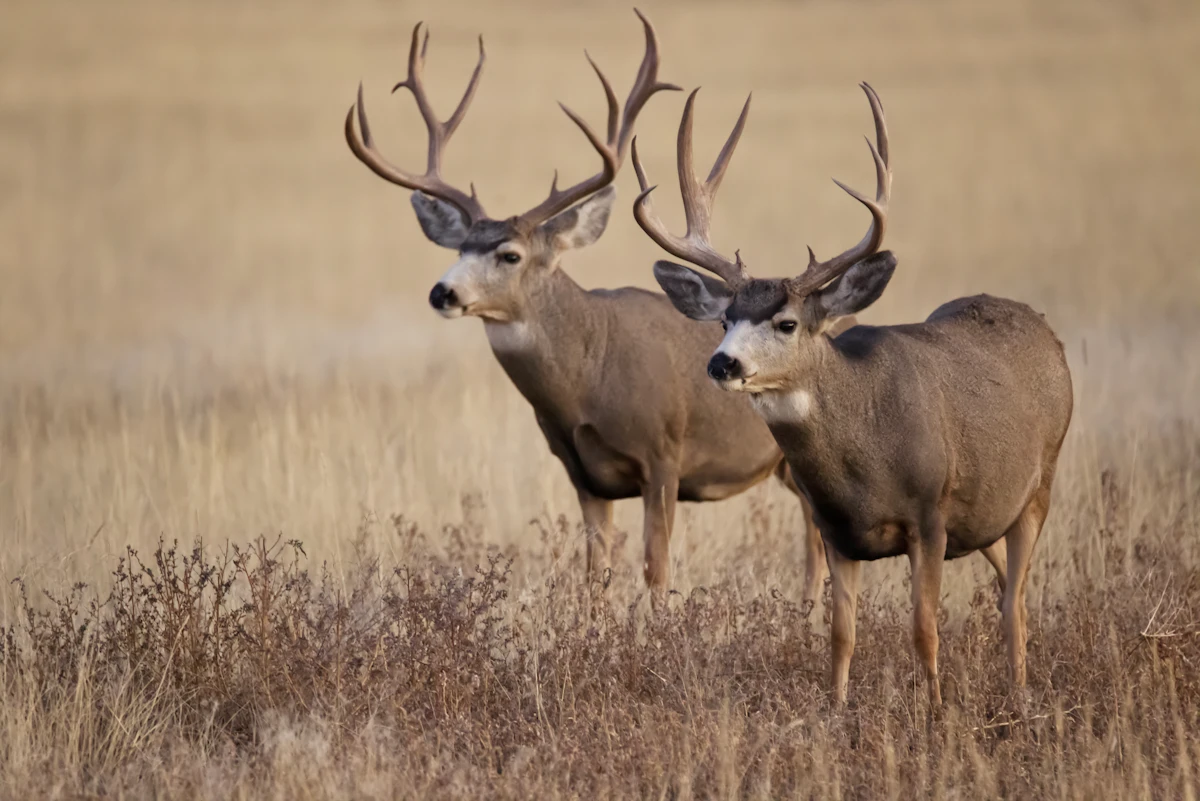
November Rut Hunting Tactics: Proven Strategies for Peak Whitetail Season
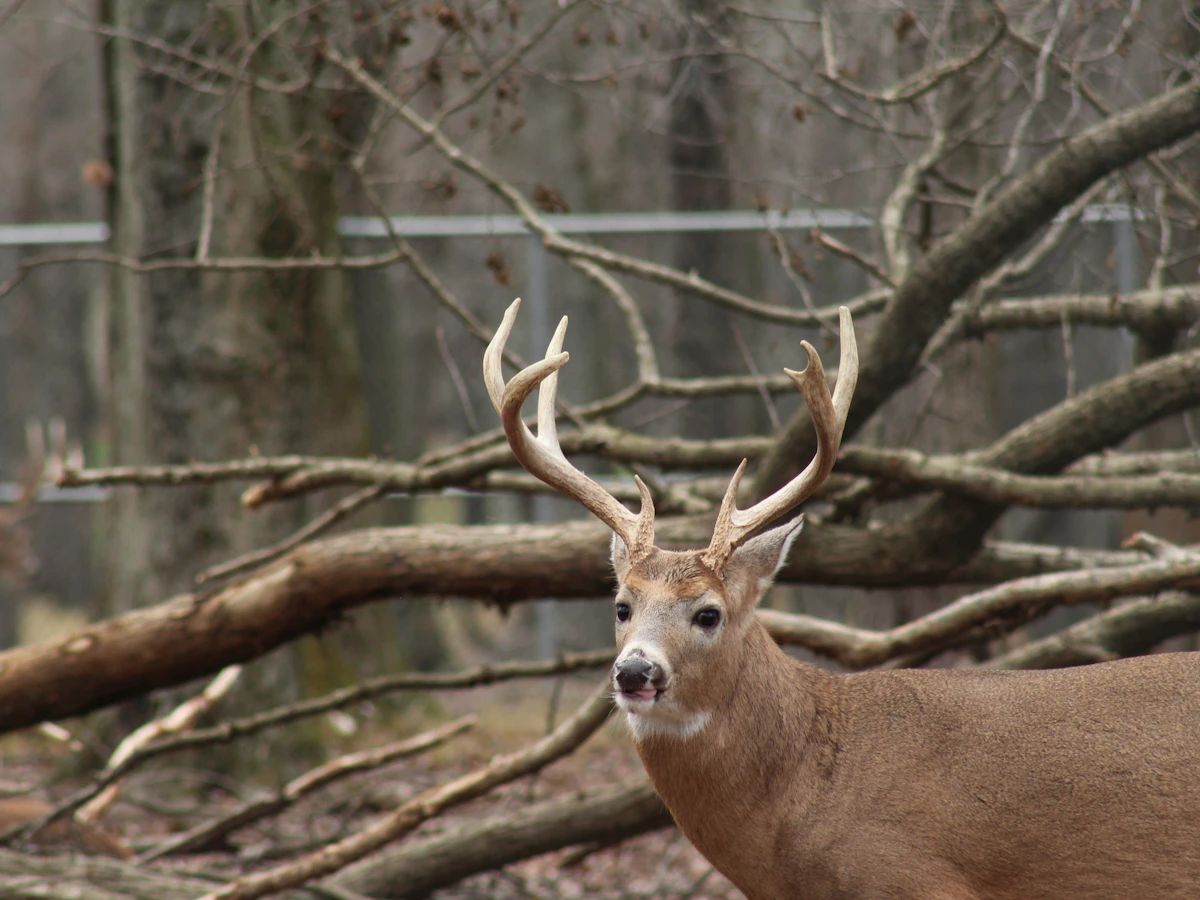
The November whitetail rut is the Super Bowl of deer hunting. Mature bucks that spent September and October moving only at night suddenly appear in daylight, chasing does across open fields and responding to calling. But the rut is not a single event. It unfolds in distinct phases over three to four weeks, and your tactics must shift as buck behavior changes. Hunters who recognize these phases and adapt their approach drastically improve their odds of tagging a mature animal.
Understanding the November Rut Timeline
The rut does not flip like a light switch. In most whitetail country, the November rut progresses through three overlapping phases: pre-rut (early November), peak breeding (mid-November), and post-rut or second rut (late November into early December). Each phase triggers different buck behavior, and recognizing which phase you are hunting determines whether you should sit a scrape line, rattle aggressively, or stake out a doe bedding area.
Pre-rut begins when daylight temperatures drop and photoperiod shortens. Bucks increase their ranging behavior, freshen scrapes, and begin checking doe groups more frequently. Peak breeding hits when the first wave of does enters estrus. Bucks go into lockdown mode with receptive does, and overall daytime movement can actually decrease during the first day or two of peak rut. Post-rut arrives after the majority of does have been bred. Bucks resume feeding heavily to recover lost body weight, and a second wave of younger does may cycle into estrus, triggering renewed chasing behavior.
Pre-Rut Tactics: Target Scrapes and Travel Corridors
Early November is prime time for hunting active scrape lines and staging areas near doe bedding cover. Bucks are on their feet during daylight, scent-checking their territories and advertising their presence. They are not yet chasing hard, so movement patterns remain somewhat predictable.
Set up on primary scrapes located along field edges, ridge saddles, or funnels between bedding and feeding areas. Hunt the downwind side of the scrape, ideally with multiple shooting lanes covering both the scrape itself and nearby trails. Mature bucks often scent-check scrapes from 20 to 40 yards downwind rather than walking directly to them.
Rattling and grunt calling work well during pre-rut, but keep sequences short and realistic. Start with light tickling and soft grunts. If a buck responds but hangs up out of range, resist the urge to overcall. Let him work his way in on his own timeline. Bucks are curious and competitive during this phase but not yet reckless.
Morning hunts targeting staging areas between bedding and feeding cover can be especially productive. Bucks often linger in these transition zones after does return to bedding at first light, scent-checking trails and freshening scrapes.
Peak Breeding: Hunt Does and Sit Longer
When peak breeding kicks in, your entire strategy shifts. Mature bucks pair up with hot does and disappear into thick cover for 24 to 36 hours. Scrape activity drops off. Rattling becomes less effective. Hunting pressure and cold fronts matter less than estrus timing.
Your best tactic during peak rut is to hunt where does are. Set up near doe bedding areas, especially in cover that offers thermal protection and security. Bucks will cruise these areas searching for the next receptive doe. All-day sits become incredibly valuable during this phase. Mature bucks may move at any hour, and some of the best mid-day encounters happen between 10 a.m. and 2 p.m. when other hunters have left the woods.
Use soft contact grunts and doe bleats sparingly. A buck locked on a hot doe may ignore calling entirely, but a buck that just lost a doe or is searching between encounters may respond to subtle vocalizations. Avoid aggressive rattling during peak breeding. Bucks are already occupied and less interested in fighting.
Stay mobile if your area allows it. Glass open areas and food sources from a distance, and if you spot a cruising buck, move quickly to intercept him. Peak rut bucks cover ground fast and rarely follow the same route twice in a day.
Post-Rut and Second Rut: Return to Food Sources
Late November brings a noticeable shift. Most does have been bred, and mature bucks return to feeding patterns to recover from weeks of chasing and minimal eating. Body language changes. Bucks move slower, feed longer, and bed closer to food sources. This is the best time of the entire season to hunt agricultural fields, mast crops, and other high-calorie food sources.
Set up on the downwind side of primary food sources with good access routes that allow you to slip in undetected during the afternoon. Bucks will often enter feeding areas 30 to 60 minutes before dark, and they may feed until full dark during cold snaps.
If your area experiences a second rut, typically 28 days after the initial peak, a smaller number of doe fawns and unbred yearling does will cycle into estrus. This triggers renewed chasing behavior, though it is less intense and widespread than the main rut. Hunting tactics during second rut mirror pre-rut strategies: focus on scrape lines, transition areas, and doe bedding cover. Light rattling and calling can work again as bucks compete for a limited number of receptive does.
Scent Control and Wind Management During the Rut
November bucks are on high alert despite their increased daytime activity. They may be distracted by breeding, but their noses still work perfectly. Scent control matters more during the rut than any other time of year because mature bucks cover so much ground and approach from unpredictable angles.
Play the wind first. No amount of scent-eliminating spray or carbon clothing will overcome a bad wind. Set multiple stands in the same area so you can hunt different wind directions without educating deer. Use a milkweed dispenser or wind indicator powder to monitor subtle shifts in wind direction throughout your sit.
Avoid ground travel through bedding areas and doe feeding zones. Bucks may tolerate human scent on distant trails, but they will abandon an area if they smell you near where does bed or feed. Plan your access and exit routes to minimize scent contamination in core areas.
Calling and Rattling: When to Be Aggressive
Calling during the rut is as much about timing as technique. During pre-rut, start conservatively with soft grunts and light rattling. Mature bucks are curious and will often circle downwind to investigate before committing. If a buck responds but hangs up, resist the urge to call again. Let silence work in your favor.
As the rut intensifies, you can become more aggressive with rattling sequences. Mid-morning rattling sessions often produce results when bucks are cruising between doe groups. Rattle hard for 30 to 60 seconds, then go silent for 10 to 15 minutes. If a buck is within earshot, he will often show up during the silent period.
During peak breeding, switch to soft doe bleats and contact grunts. A lone bleat can stop a cruising buck just long enough for a shot, and a trailing grunt may pull a buck away from a doe for a brief look. Save aggressive rattling for post-rut when bucks become more territorial again as breeding winds down.
Weather and Moon Phase: Separating Myth from Reality
Hunters love to blame the moon for slow rut activity, but science does not support the idea that moon phase significantly impacts peak breeding dates. Photoperiod drives estrus timing, not moon phase. However, weather does influence daytime movement within the rut window.
Cold fronts increase movement. Bucks are already active during the rut, but a sudden temperature drop or the first major cold snap of November can trigger exceptional all-day movement. Conversely, unseasonably warm weather pushes activity toward dawn and dusk and reduces mid-day movement.
Overcast skies and light rain also boost daytime activity. Bucks feel more secure moving in low-light conditions, and scenting conditions improve in humid weather. Do not sit home because of rain during the rut. Some of the best encounters happen in drizzle or light snow.
Stand Placement and All-Day Strategies
November is the one month where all-day sits consistently produce mature bucks. But sitting all day in the wrong spot is a waste of time. Choose stand locations that offer multiple advantages: proximity to doe bedding or feeding areas, access to water, and connection to multiple travel corridors.
Set up in locations where you can see long distances or cover multiple trails from one position. Mature bucks cruise during the rut, and they may appear from any direction. Avoid stands that only cover a single narrow trail or pinch point. You want visibility and shooting lanes that allow you to capitalize on bucks moving unpredictably.
Bring food, water, and layered clothing. Staying comfortable for 10 hours requires planning. Pack snacks that you can eat quietly, and bring a pee bottle or plan a mid-day break if your stand location allows it without contaminating the area.
How TAGZ Helps You Plan Your Rut Hunt
Whether you are chasing whitetails in Kansas, mule deer during their rut, or elk in late November archery seasons, TAGZ gives you the tools to plan smarter hunts before you ever step into the field. Filter hunts by season dates to target peak rut windows, compare unit boundaries and terrain using interactive maps, and track application deadlines so you never miss a draw opportunity.
TAGZ helps you identify which units offer the best combination of draw odds, public land access, and terrain that funnels rutting bucks into predictable locations. Track your preference points and bonus points across multiple states, and build a multi-year application strategy that maximizes your chances of drawing tags during prime rut seasons. Whether you are planning a DIY public land hunt or researching private land options, TAGZ simplifies the research process so you spend less time digging through regulations and more time preparing for the hunt.
FAQ — November Rut Hunting
When is the best time to rattle for whitetails during the rut?
Pre-rut and post-rut are the best windows for aggressive rattling. Bucks are competitive and responsive before breeding starts and again after most does are bred. During peak breeding, bucks are locked down with does and less likely to abandon them for a fight.
Should I hunt scrapes during peak rut?
No. Scrape activity drops dramatically once does enter estrus and bucks go into lockdown. Focus on doe bedding areas and food sources instead. Scrapes become relevant again during post-rut.
What time of day are mature bucks most active during the rut?
Mature bucks move throughout the day during the rut, but mid-morning (9 a.m. to noon) often produces the best encounters. Bucks cruise between doe groups during this window when hunting pressure is lowest.
Does calling work during peak breeding?
Soft calling works better than aggressive calling during peak rut. A doe bleat or contact grunt may pull a cruising buck within range, but avoid loud rattling or fighting sequences. Bucks are focused on breeding, not fighting.
How long should I sit on stand during the rut?
All day if possible. Peak rut movement happens unpredictably from dawn to dusk. Many mature bucks are killed between 10 a.m. and 2 p.m. when most hunters are out of the woods.
Do moon phases affect the rut?
No. Research shows that photoperiod, not moon phase, drives estrus timing. However, bright moon phases may shift some nocturnal activity to overnight hours. Weather has a much greater impact on daytime movement than moon phase.
Continue Planning Your Hunt
The November rut is your best opportunity to tag a mature buck, but success requires adapting your tactics as breeding phases shift and being in the right place at the right time. Whether you are planning a rut hunt on public land or researching draw odds for limited-entry units, TAGZ gives you the tools to make smarter decisions.
Explore detailed unit maps, compare draw odds across states, and track application deadlines so you never miss a chance to hunt during peak rut windows. Start planning your next rut hunt at getmytagz.com, or dive deeper into proven hunting strategies on the TAGZ Insights blog. Ready to take your hunt planning to the next level? Check out TAGZ pricing and see how the platform simplifies western big-game applications and unit research.
Was this article helpful?
Previous
50 Guide Secrets for Killing More Elk
Professional elk guides share hard-won field tactics that consistently put hunters on bulls—from glassing techniques and shot placement to calling sequences and wind management strategies that separate successful elk hunters from those who tag out early.
Next
Best Compound Bows for Mule Deer Hunting in 2025
Choosing the right compound bow for mule deer hunting means balancing draw weight, speed, and accuracy for Western terrain. This guide breaks down the top bows for spot-and-stalk hunting, key specs to prioritize, and how to match your setup to your hunting style.