Multi-State Hunting Strategy
Most guys treat hunting draws like a lottery ticket. Pick a state, throw in an application, and hope it works out. That mindset is exactly why so many people sit out seasons. If you’re only applying in one state, you’re putting your entire year on a single outcome that’s already stacked against you.
That’s not a strategy. That’s a gamble.
The reality is simple—draw systems are built so not everyone wins. Between nonresident caps, increasing demand, and point creep, even good applicants miss. You can do everything right and still not draw. That’s why experienced hunters don’t think in terms of one state or one tag. They build systems that give them multiple ways to hunt every year.
Once you understand that, everything changes.
A solid approach starts with spreading your risk across states that serve different purposes. Some states are built for opportunity right now. Others are long-term investments. If you mix both correctly, you stop waiting and start hunting consistently.
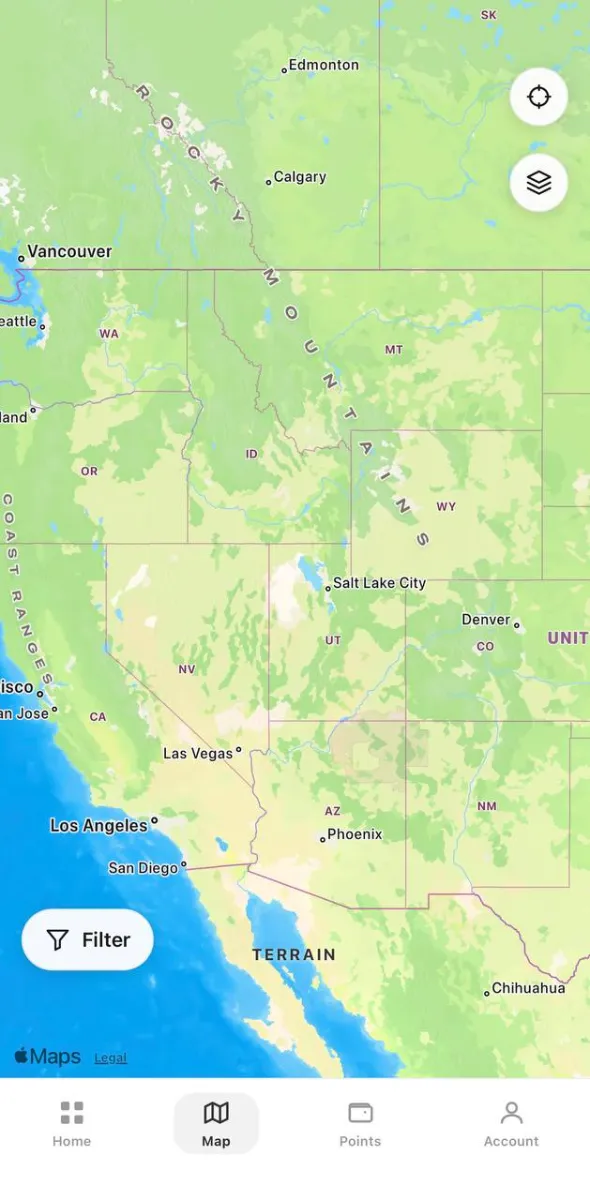
States like Colorado, Idaho, and New Mexico are where a lot of hunters find opportunity. They offer either better odds, random draw potential, or more accessible tags compared to others. These are the states that keep you in the field while everything else builds in the background. You’re not always chasing a perfect hunt—you’re chasing time in the field.
Then you’ve got the long-game states. Wyoming, Arizona, Utah, Nevada—these are where you build points and wait for better tags. The quality can be higher, but the timeline is longer. These aren’t your “this year” hunts. They’re the ones that pay off down the road if you stay consistent.
The mistake most guys make is leaning too hard one way. They either only chase long-term tags and never hunt, or they only chase opportunity and never build toward anything better. The balance between those two is what keeps your system working.
When you start layering your applications, things really open up. Instead of hoping for one tag, you’re creating multiple chances across different systems. Maybe you’ve got one or two states where you’re close to drawing. A couple where you’re just building points. And one random state where anything can happen.
Now you’re not relying on luck—you’re stacking probability.
Even then, you’re not done. Backup options matter more than most people realize. Leftover tags, secondary draws, and private land tags are what keep a bad draw year from turning into no season at all. These aren’t afterthoughts. They should be part of your plan before draw results even come out.
That’s where most guys fall behind. They wait until they don’t draw, then start scrambling. By that point, the best options are already gone. The hunters who stay consistent already know what they’re doing next before results hit.
Cost is where people either get smart or get sloppy. It’s easy to overspend if you’re applying everywhere without a plan. But it’s just as easy to undershoot and limit yourself by only applying in one or two states. The goal isn’t to apply everywhere—it’s to apply where it actually makes sense for your goals.
You want a system that gives you real chances, not just more applications.
The other piece most people don’t think about is how fast things are changing. States are shifting tag structures, OTC is shrinking, and more hunters are entering the system every year. What worked five years ago doesn’t always work now. If you’re not adjusting, you’re falling behind.
That’s why organization matters more than ever. Once you start applying in multiple states, things get messy fast—deadlines, different systems, different rules. Miss one detail and it can cost you a whole year.
That’s where something like TAGZ actually becomes useful. Instead of juggling everything in your head or bouncing between sites, it keeps your states, deadlines, and applications in one place. More importantly, it shows you where your points and odds actually line up so you’re not guessing your way through it.
It takes what most guys treat like chaos and turns it into something repeatable.
Where people mess this up is pretty consistent. Some hunters put everything into one or two states and hope it hits. Others go the opposite direction and apply everywhere without a clear plan, burning money without improving their odds. Both approaches lead to the same place—missed seasons and frustration.
The difference isn’t how many states you apply in. It’s whether you have a system behind it.
At the end of the day, a multi-state strategy is about control. You can’t control draw results, but you can control how many chances you give yourself. When you spread that out correctly, it becomes a lot harder to get shut out.
That’s how you stay in the field.
Was this article helpful?
Previous
Public Land Hunting Guide
Public land offers massive opportunity, but success comes from managing pressure, access, and terrain while staying flexible.
Next
Digital Scouting: Why the Hunt Starts Before You Ever Show Up
Digital scouting lets you find habitat, understand movement, and plan your hunt before you arrive, making your time in the field far more effective.