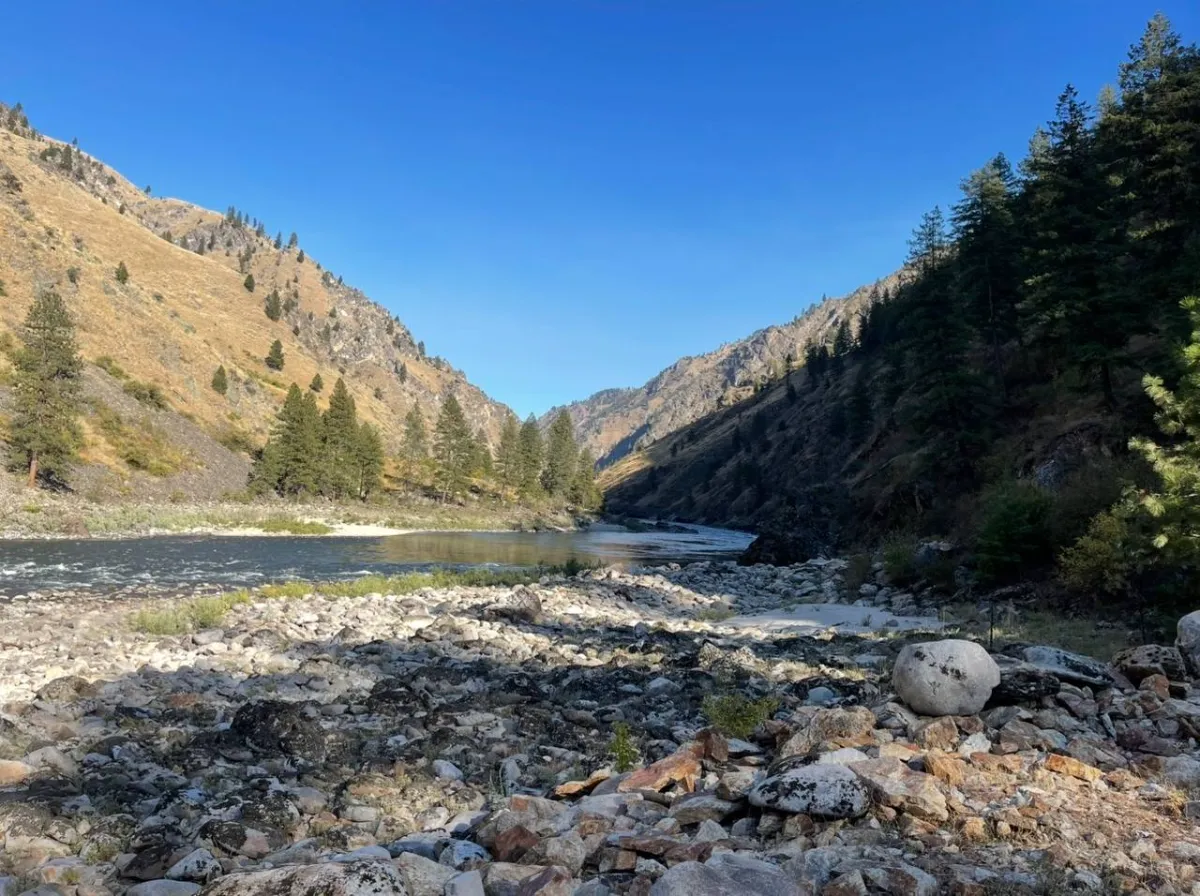
Can Nonresidents Still Hunt the West?
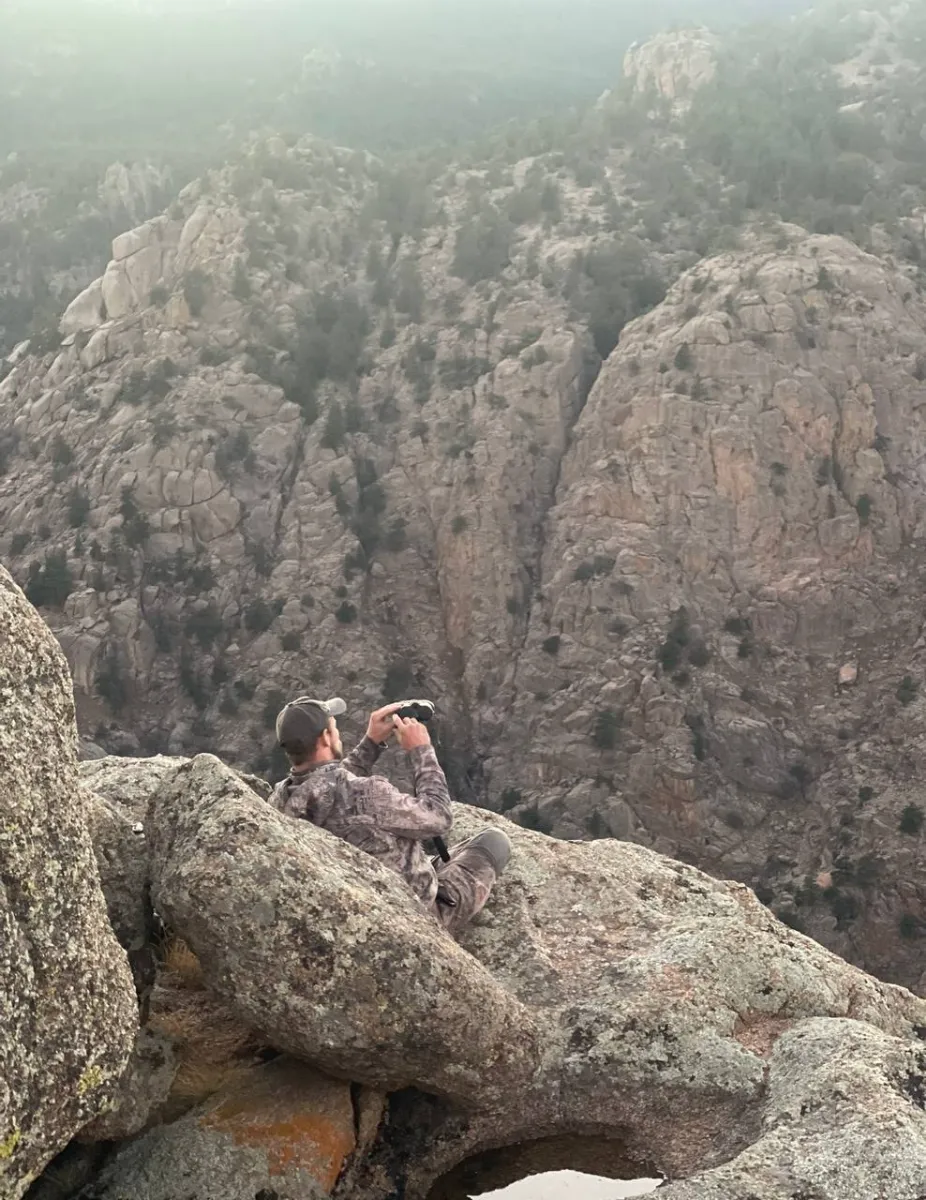
Nonresidents can still hunt the West, but it's not as simple as it used to be. Tag caps, higher costs, and increased demand have made it more competitive, and while that doesn't mean opportunity is gone, it does mean you need a better plan than just applying and hoping. Most western states limit how many tags go to nonresidents, which shrinks your odds right away compared to residents, and on top of that, application fees, license costs, and pay-to-apply systems have climbed, changing how many states people can realistically apply in each year. Access has tightened too, with states like Idaho moving nonresident tags into a draw and changes to OTC structures in places like Colorado showing where things are heading, toward more control and less open access.
Where the opportunity still is
There are still states where nonresidents can realistically hunt every year. Colorado remains one of the best, especially if you're willing to target mid-tier units, and Idaho and New Mexico are strong options too, since they don't rely on point systems and give everyone a chance each year, which is where you build consistency. States like Wyoming, Arizona, Utah, and Nevada are still good options but require a longer-term mindset, where you're building points and waiting for the right opportunity rather than hunting every year unless you get lucky, so they should be part of your plan, just not the whole plan. Private land and outfitter tags are another way a lot of nonresidents stay in the game, because landowner tags and outfitter allocations can grant access even when you don't draw, and in some states these tags are transferable or sold through landowners or outfitters; it's a different and usually more expensive approach, but it keeps you hunting instead of waiting.
Building a system that keeps you hunting
Flexibility matters now more than ever, because the nonresidents who stay flexible are the ones who keep hunting, which means being open to different units, different seasons, and even different species, since locking into one specific hunt makes your odds drop fast and the more adaptable you are the more opportunity you'll find. The best approach is to spread your applications across multiple states, hunting opportunity states now, building points in others, and keeping backup options like leftover tags or private land in mind, so you're not relying on one draw to decide your entire season. Where people go wrong is fairly consistent: a lot of nonresidents either give up too early or expect it to be easier than it is, some only apply in point-heavy states and end up waiting years, others chase top-tier units without understanding how limited the tags really are, and a big one is failing to adjust when systems change. Nonresidents can absolutely still hunt the West, but it takes a more intentional approach now, because the opportunity is still there, you just have to work for it, and TAGZ helps you build that multi-state system, track points and deadlines, and find the units where you can actually hunt.
Was this article helpful?
Previous
Cheapest Hunting States: Why “Cheap” Isn’t What You Think
Cheap hunting isn’t just tag price. Real value comes from states that balance cost, draw odds, and consistent opportunity in the field.
Next
Bonus Points vs Preference Points: Why Most Hunters Misplay Both
Preference points guarantee tags at a certain level, while bonus points increase your odds without guaranteeing anything. Both require different strategies.