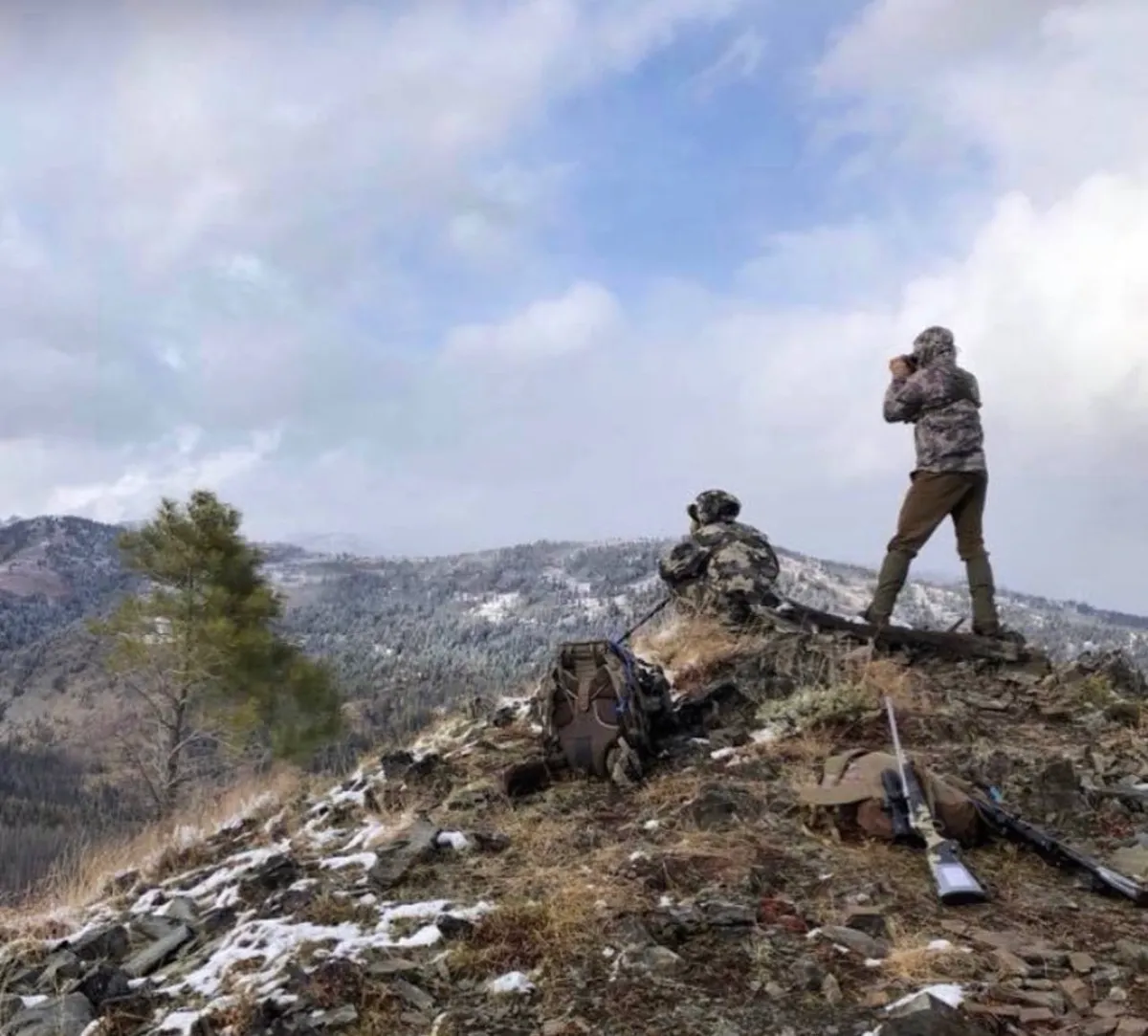
Why OTC Tags Are Disappearing: The System Got Overrun
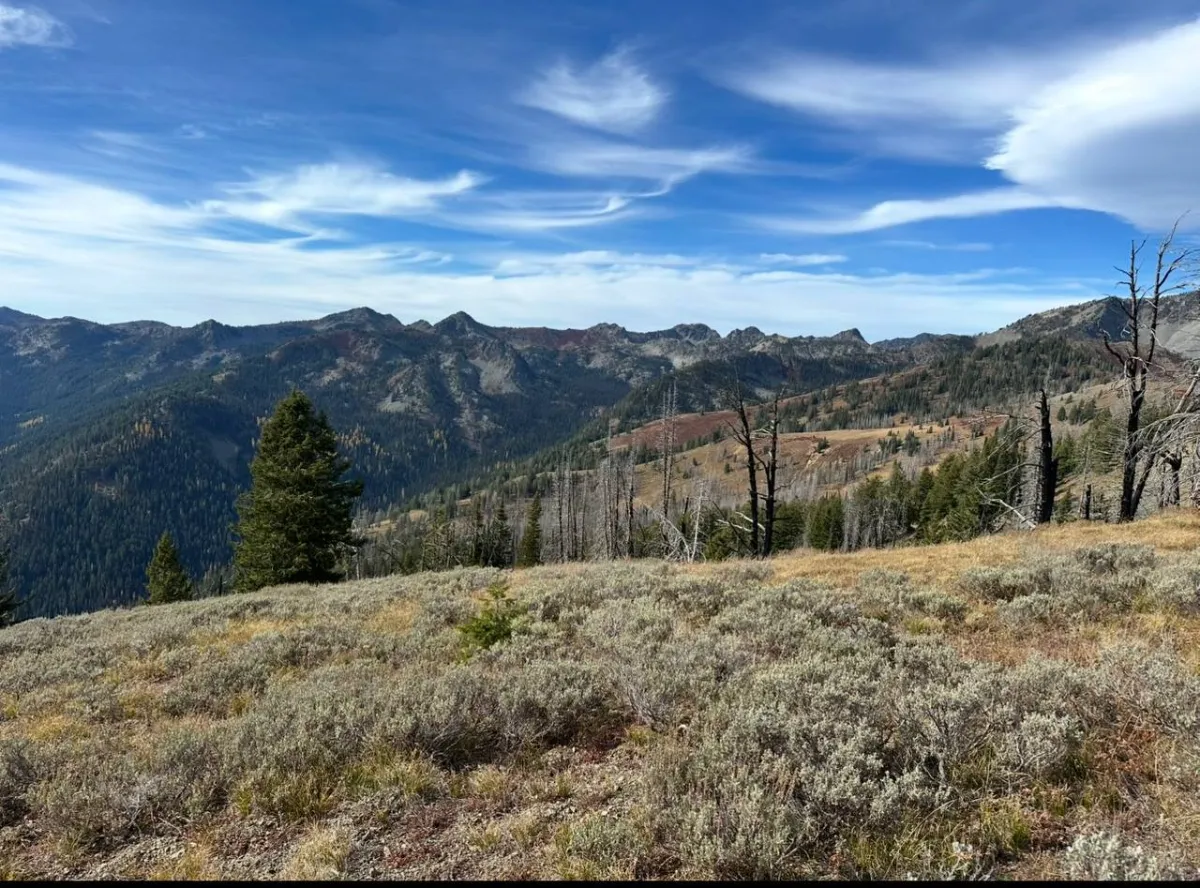
A lot of hunters think OTC is going away because states want to make things harder. That’s not what’s happening.
OTC is disappearing because too many people showed up.
What used to work years ago doesn’t work now. There are more hunters, better tools, and way more information out there. Units that used to fly under the radar are now common knowledge. Everyone knows where to go—or at least thinks they do.
That kind of pressure breaks an open system.
OTC was built around the idea that hunters would spread out. Big country, low density, plenty of room. It worked when participation was lower. Now it’s the opposite. Hunters don’t spread out—they stack up.
Same trailheads. Same drainages. Same “known” spots.
Once that happens, it doesn’t matter how big the unit is. Pressure concentrates, and everything changes.
Animals feel it first. Elk and deer don’t just stand there and take pressure. They adapt fast. They move into thicker cover, steeper terrain, or anywhere that gives them a break. A lot of times that means private land or places most hunters won’t go.
They also change when they move.
More nighttime activity. Less daylight movement. More caution. So even when populations are still there, it feels like the unit is empty. It’s not—you’re just behind how they’ve adjusted.
That’s what heavy OTC pressure does.
It’s not just the animals either. The land takes a hit. Trails get worn down, access points get crowded, and certain areas get used way more than they should. When too many people hit the same spots over and over, it adds up.
Agencies see that.
Their job isn’t just to manage harvest—it’s to manage the whole system. Animals, habitat, and pressure all tied together. When things get out of balance, they step in.
And the easiest lever to pull is tag numbers.
OTC doesn’t give them much control. Anyone can buy a tag, show up, and hunt wherever they want. That makes it hard to manage how many people are actually out there at any given time.
Draw systems fix that.
They can limit how many hunters are in a unit. They can adjust tag numbers year to year. They can respond to bad winters, drought, or herd changes. It gives them control they didn’t have before.
That’s why you’re seeing the shift.
This isn’t theory—it’s already happening. States are tightening things up across the board. Idaho moved nonresident deer and elk tags into a draw. Colorado has been cutting back OTC opportunities and restructuring seasons.
And they’re not the only ones.
Other states are watching the same trends and heading the same direction. More demand, same or fewer animals, more pressure on land. The response is always going to be more control.
That means fewer true OTC opportunities over time.
There’s a tradeoff in all of this. OTC gives access. Anyone can go. But that access comes with pressure, and pressure changes the hunt.
Controlled hunts take some of that access away, but they improve the experience. Fewer hunters, more natural animal movement, better overall conditions.
States are choosing control over chaos.
There’s also a financial side to it. Draw systems bring in application fees, licenses, and point revenue. That money goes back into conservation, habitat work, and management.
More hunters in the system means more funding—but only if it’s structured correctly.
OTC doesn’t handle that as well.
What this really means for hunters is simple—you can’t rely on OTC anymore as your only plan. It’s not gone, but it’s not what it used to be, and it’s not coming back.
If your entire strategy depends on just buying a tag every year, you’re going to feel that squeeze.
Opportunity didn’t disappear—it moved.
Secondary draws, leftover tags, mid-tier units, multi-state plans—that’s where things are going. The hunters who adapt to that will keep hunting. The ones who don’t are going to have fewer and fewer options.
This isn’t the end of hunting—it’s just a shift in how you get there.
Where most guys mess this up is thinking OTC will always be there. They don’t adjust. They keep hunting the same spots the same way, even as pressure builds and conditions change.
Or they ignore draw systems completely and limit themselves without realizing it.
The system isn’t closing—it’s tightening.
And it’s happening faster than most people think.
At the end of the day, OTC isn’t disappearing because hunting is dying. It’s disappearing because demand forced it to evolve. Too many people, not enough room, and a system that couldn’t keep up.
So it changed.
And if you want to keep hunting consistently, you have to change with it.
Was this article helpful?
Previous
Best Elk Seasons: When to Hunt and What Actually Matters
Elk seasons all offer different advantages. Understanding how elk behave during early season, rut, and late season is what leads to consistent success.
Next
Hunting Draw Deadlines: Why Most Guys Miss Them and Lose a Season
Most draw hunts require applying between January and April, with secondary and leftover opportunities later. Missing deadlines means missing your season, unless you’re tracking them properly.