Montana Nonresident Elk Draw Odds 2027: What Hunters Need to Know
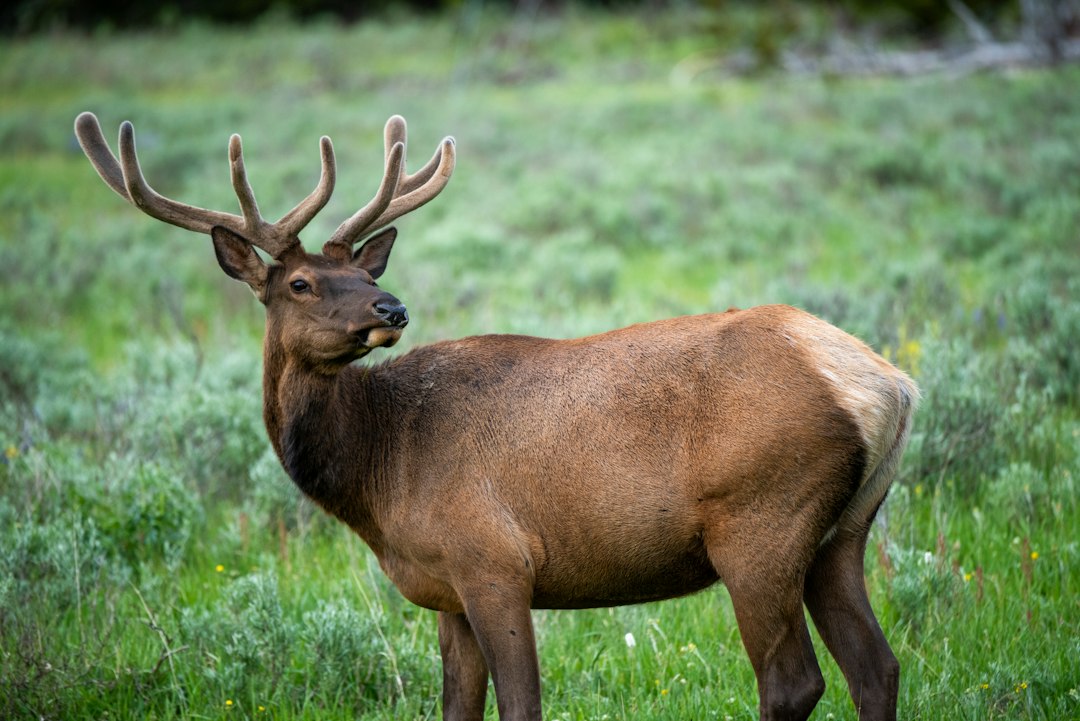
Montana operates two distinct nonresident elk draw systems that confuse many first-time applicants. The Big Game Combination License is your entry ticket to general elk hunting across most of the state, while limited-entry permits unlock specific districts with controlled quotas. Both use random draws, but only the combination license uses preference points. If you're planning a 2027 Montana elk hunt as a nonresident, you need to understand how both systems work and how they interact.
The Big Game Combination License Draw
Montana caps nonresident Big Game Combination Licenses at 17,000 total, split between 11,500 for deer and elk (B-10) and 5,500 for elk only (B-11). These licenses grant access to general hunting districts across the state but don't guarantee access to limited-entry areas. The draw is random, but Montana uses a preference point system that increases your odds with each unsuccessful year.
Nonresidents receive one preference point for each year they apply but don't draw a combination license. Each preference point gives you one additional entry in the random draw. If you have three points, your name goes in the hat four times (initial application plus three bonus entries). This system rewards loyalty but doesn't guarantee a tag — even applicants with maximum points can go undrawn in competitive years.
Historically, combination license draw odds have remained relatively favorable compared to other Western states. First-time applicants typically face 50-70% draw odds depending on the year, while applicants with multiple points often see odds above 90%. Montana FWP publishes updated draw statistics after each season, but these reflect past demand and can shift as hunter interest changes.
Limited-Entry Elk Permits for Nonresidents
Beyond the combination license, Montana offers limited-entry elk permits for specific hunting districts with controlled quotas. These permits are separate applications and require you to already hold or draw a combination license to hunt. Popular districts like the Breaks, Gardiner Late Season, and various archery-only areas fall under this category.
Limited-entry permits use a purely random draw with no preference points. A first-time applicant has the same odds as someone who's applied for twenty years. This levels the playing field but makes premium tags highly unpredictable. Draw odds for sought-after permits like the 410-20 (Gardiner Late Hunt) often sit below 5%, while less-pressured districts may offer 20-50% odds.
You can apply for up to five choices on your elk permit application, and Montana considers each choice sequentially. If you're not drawn for your first choice, you're automatically entered for your second, and so on. This structure rewards strategic unit selection — placing a longshot unit first and higher-odds backup units lower can maximize your chance of drawing something.
Nonresident Elk Permit Allocation
Montana allocates limited-entry elk permits differently depending on the district. Most districts reserve up to 10% of permits for nonresidents, though some popular units have higher allocations and others effectively function as resident-only due to tiny quotas. The 10% rule means that in a district with 50 total permits, nonresidents compete for approximately 5 tags.
This allocation structure creates a bottleneck in high-demand districts. If 500 nonresidents apply for 5 permits, draw odds sit around 1%. Meanwhile, a backcountry district with 20 permits and 60 nonresident applicants might offer 33% odds. Understanding these quotas helps you build a realistic application strategy rather than burning points on unattainable units.
Some hunters focus exclusively on the combination license for general-season flexibility, while others bank on drawing both the combination license and a premium limited-entry permit in the same year. Montana allows you to apply for both simultaneously, but you must draw the combination license to validate any limited-entry permit you draw.
2027 Application Timeline and Requirements
Montana's 2027 nonresident elk application period typically opens in mid-January and closes in late March, with results released in late April or early May. Exact dates are published by Montana FWP each fall, and missing the deadline means waiting another full year. The application fee for the combination license draw is nonrefundable, and drawing requires purchasing the license shortly after results are posted.
Nonresidents must also purchase a Montana Conservation License before applying, which costs approximately $10 and is valid for the calendar year. This is a prerequisite for all hunting and fishing license applications in Montana. If you draw a combination license, you'll pay the full license fee (around $1,000-$1,200 depending on B-10 or B-11) before receiving your physical license.
Limited-entry permit applications open simultaneously with the combination license draw. You can apply for elk permits even if you don't yet hold a combination license, but you must draw or already possess one for the permit to be valid. This allows you to cover both draws in one application season rather than waiting to see combination license results first.


Free to join
Download mobile app
- Detailed draw odds
- Point tracking
- Deadline reminders
- 19 states covered





Free to join
Download mobile app
- Detailed draw odds
- Point tracking
- Deadline reminders
- 19 states covered






Free to join
Download mobile app
- Detailed draw odds
- Point tracking
- Deadline reminders
- 19 states covered

Draw Odds vs. Hunting Quality Tradeoffs
Many nonresidents chase premium limited-entry districts with single-digit draw odds, but Montana's general elk hunting on a combination license offers legitimate opportunity. Districts like 292, 380, and portions of Region 3 provide solid public-land access and huntable elk populations without requiring a separate permit. If you draw a combination license but strike out on limited-entry permits, you're still holding a valid elk tag for much of the state.
Conversely, some limited-entry districts justify the low odds with exceptional hunting quality. The Breaks area, certain late-season hunts, and select archery districts offer less hunting pressure and higher success rates than general areas. Deciding whether to focus on high-odds general hunting or low-odds premium tags depends on your priorities: guaranteed hunting opportunity versus a chance at a higher-quality experience.
Strategic applicants often split the difference by applying for one or two reach units and backing them up with higher-odds districts. If you draw your backup unit, you still access better hunting than the general season. If you draw nothing, your combination license keeps you in the game. This approach balances ambition with practicality.
Preference Points: When They Help and When They Don't
Preference points apply only to the combination license draw, not to limited-entry elk permits. Each unsuccessful year in the combination license lottery earns you one point, which you carry forward indefinitely until you draw. Montana doesn't offer bonus points or squared bonus points — it's a straightforward additional-entry system.
Points accumulate value quickly in the combination license draw. An applicant with five points has six times the draw odds of a first-timer. However, points reset to zero once you draw, so burning them on a year when you can't hunt wastes accumulated odds. Many nonresidents strategically skip applying during years they can't hunt to preserve points for a guaranteed hunt later.
Limited-entry permits ignore points entirely, which frustrates applicants accustomed to point-based Western draws. Montana treats every limited-entry applicant equally regardless of application history. This randomness means you could draw a coveted tag on your first try or go decades without success. It also means there's no point creep — odds remain stable year to year unless hunter demand or quotas change.
Building a Nonresident Elk Application Strategy
Successful Montana nonresident applicants approach the draw with a multi-year perspective. Applying annually for the combination license builds points even if you're not drawn, positioning you for higher odds in future years. Simultaneously applying for limited-entry permits costs nothing beyond the application fee, and the random draw means you could hit a premium tag at any time.
Unit research matters more for limited-entry permits than the combination license. General elk hunting access is broad enough that most hunters can find opportunity regardless of which districts are open. Limited-entry permits, however, vary widely in terrain, access, hunting pressure, and elk populations. Studying Montana FWP's harvest statistics, talking to biologists, and scouting potential units separates realistic applications from wishful thinking.
Some nonresidents hire Montana outfitters, which changes the application landscape entirely. Outfitted hunters apply through a separate nonresident outfitted pool with different quotas and often better draw odds. This option appeals to hunters who value guided expertise and logistics support, but it comes at significant additional cost and commits you to hunting with that outfitter if drawn.
How Montana Draw Odds Compare to Other States
Montana's combination license draw odds remain more favorable than Colorado's limited elk licenses, Wyoming's nonresident elk lottery for high-demand units, and Nevada's any-elk tag. First-time Montana applicants face better than 50-50 odds in most years, while comparable entry-level tags in other states often require multiple preference points or sit below 10% draw odds.
Limited-entry Montana elk permits, however, rival or exceed the difficulty of premium tags elsewhere. Units like 410-20 or 380-20 are as hard to draw as Arizona's Kaibab, Utah's top-tier limited-entry units, or Wyoming's wilderness gems. Montana's random draw for these tags means you can't point-chase your way in — you either get lucky or you don't.
This two-tier structure gives Montana a unique position among Western elk states. Nonresidents can reasonably expect to hunt elk in Montana within a few years through the combination license, while also taking annual longshot swings at world-class limited-entry districts. Few states offer both accessible general tags and competitive trophy opportunities in the same application system.
FAQ — Montana Nonresident Elk Draw
Do I need to apply separately for the combination license and limited-entry permits?
Yes, but you can submit both applications during the same period. The combination license draw determines general hunting access, while limited-entry permits are a separate application for specific districts. You must hold or draw a combination license for any limited-entry permit to be valid.
How many preference points do I need to draw a Montana combination license?
Most nonresidents draw with 0-3 points, though this varies by year and demand. First-time applicants historically see 50-70% draw odds, while applicants with 2-3 points often exceed 90%. Montana doesn't guarantee tags at any point level — it's always a random draw weighted by points.
Can I apply for elk if I've never hunted Montana before?
Yes. Montana has no residency requirement, waiting period, or hunter education prerequisite beyond holding a valid hunter education certificate from any state. You'll need to purchase a Conservation License before applying, but first-time applicants compete in the same draws as returning hunters.
What happens if I draw a combination license but don't draw any limited-entry permits?
Your combination license is still valid for general elk hunting in open districts across Montana. You don't need a limited-entry permit to hunt — it simply opens additional districts that are otherwise closed. Many successful elk hunts happen on combination licenses without limited-entry permits.
Are Montana's nonresident elk draw odds getting worse every year?
Combination license odds have remained relatively stable, though they fluctuate slightly based on yearly demand. Limited-entry permit odds vary by unit and year depending on quota changes and applicant interest. Overall, Montana remains more accessible for nonresidents than many Western elk states.
Should I apply for limited-entry permits I probably won't draw?
Yes, if you're willing to hunt those units. The draw is random, and applying costs only the nonrefundable application fee. Many hunters include one or two low-odds premium units backed by higher-odds districts to balance their chances of drawing something worthwhile.
Was this article helpful?
Previous
Montana Preference Points Explained: How the Bonus Point System Works in 2027
Montana uses bonus points, not preference points, for most species. Understanding the weighted random draw system is essential for nonresident combination license and permit applications.
Related
Colorado Big Game Draw 2027: Application Deadlines, Preference Points & Strategy
Colorado's 2027 big game draw opens in early April with separate deadlines for deer, elk, pronghorn, bear, and moose. Learn how preference points work, what changes for 2027, and how to maximize your odds.
Next
Utah Mule Deer Draw Odds With Zero Points — 2027 First-Timer Strategy
Zero-point applicants can draw quality Utah mule deer tags in 2027, but unit selection is critical. General-season units offer decent odds while premium limited-entry hunts require years of points.