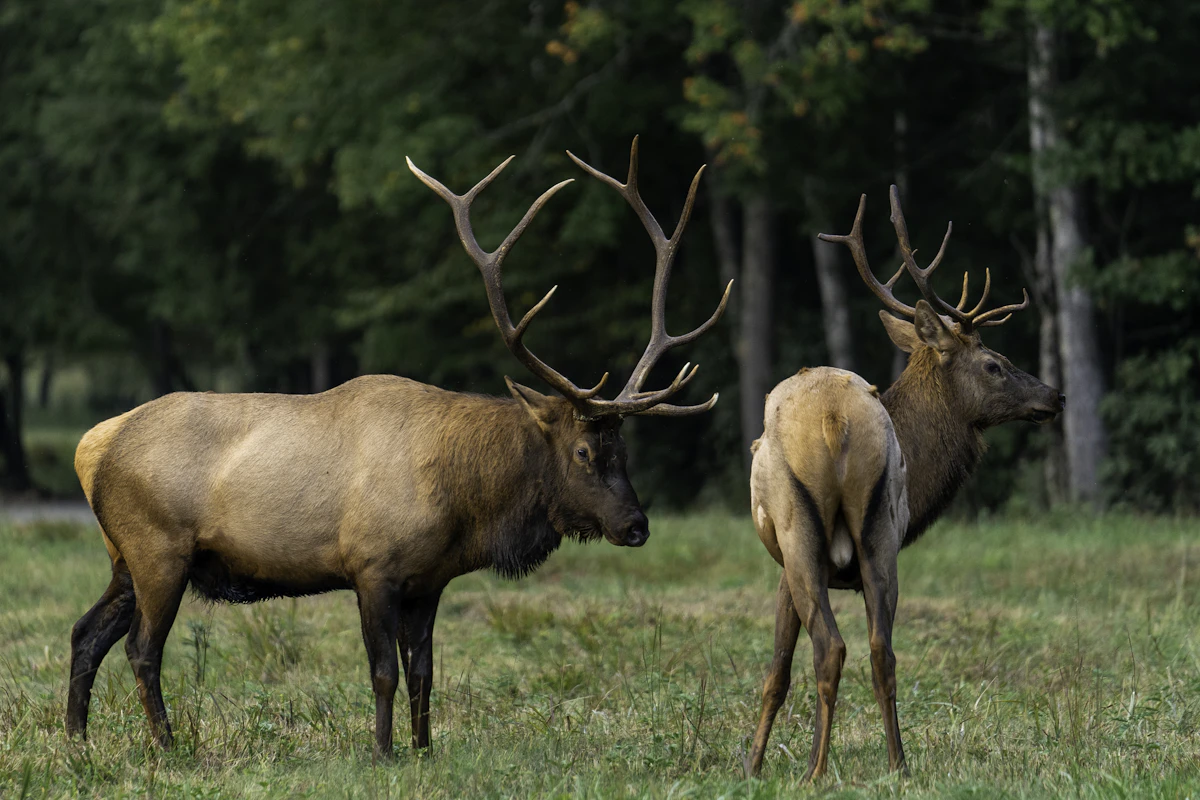
Late September Elk Calling — When Bulls Go Silent and How to Adapt
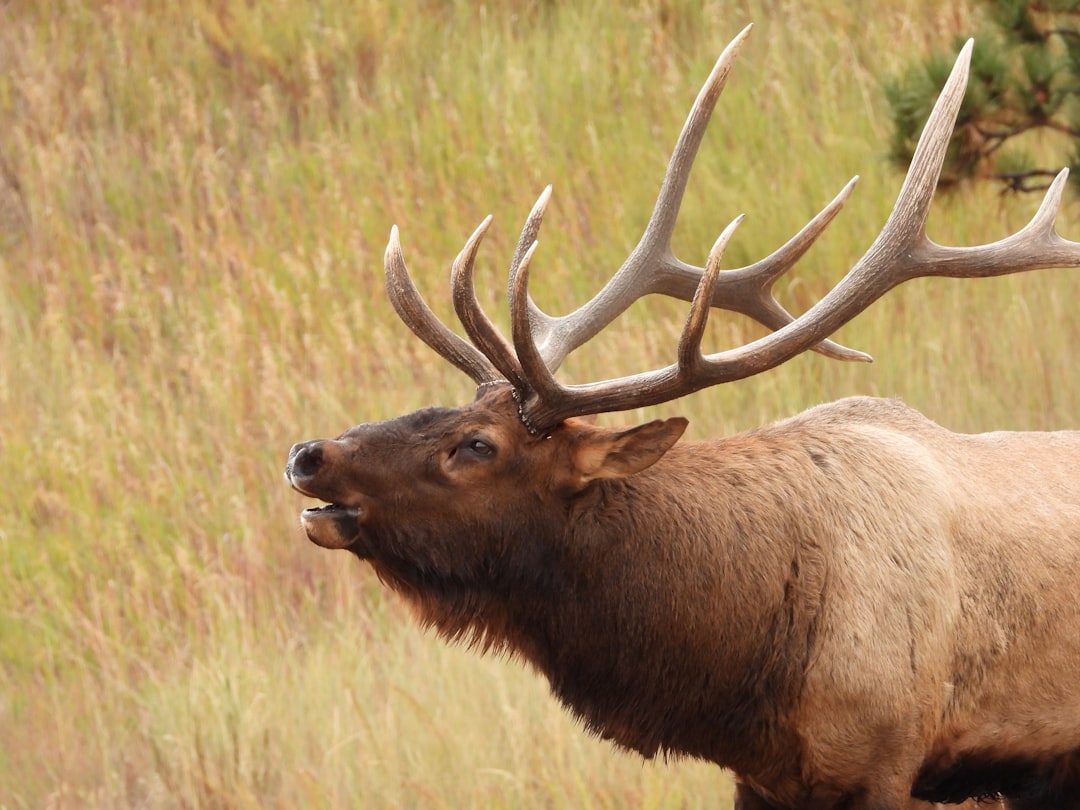
By late September, the elk woods sound different. The aggressive bugles and constant locator calls that defined early rut have faded. Bulls that were screaming at every cow call a week ago now ghost through the timber without a sound. This shift catches hunters off guard every year, but it is predictable, manageable, and still huntable if you adjust your calling strategy.
Why Bulls Go Quiet in Late September
Elk behavior changes as the rut progresses. Early September bulls are testosterone-fueled and aggressive, bugling to establish dominance and locate cows. By late September, most cows have been bred. Dominant bulls are exhausted from weeks of fighting, herding, and constant vigilance. Satellite bulls have learned that bugling draws unwanted attention from bigger opponents and hunters. The result is a quieter woods where elk are still active but far less vocal.
Hunting pressure accelerates this shift. In heavily hunted units, bulls learn quickly that bugles equal danger. A bull that screamed at every caller on opening weekend may refuse to make a sound by September 25th. This does not mean he has left the country — it means he has adapted. Your calling strategy must do the same.
Reading the Herd — When to Call and When to Stay Silent
Late September calling is about reading the situation before making noise. If you are hunting pressured public land where every ridge has been bugled at for three weeks, aggressive calling will push elk away more often than it pulls them in. If you are in remote country or private ground with light pressure, bulls may still respond to well-timed sequences.
Start every setup with silence. Glass, listen, and wait. If you hear distant bugles or cow chatter, you know elk are still vocal and you can engage. If the woods are dead quiet, assume you are dealing with silent bulls and adjust accordingly. A single locator bugle can help, but if nothing answers after 10 minutes, switch to soft cow calls and patience rather than hammering the mountain with challenge bugles.
Pay attention to time of day. Bulls are most likely to bugle at first light and last light, even late in September. Midday calling rarely works unless you stumble into bedded elk. Focus your vocal setups during prime movement windows and stay quiet during midday stillhunts.
Soft Cow Calls and Subtle Communication
When bulls go quiet, cows become your primary calling tool. Late September cows are still vocal as they reassemble into smaller groups after the chaos of peak rut. Soft mews, chirps, and contact calls sound natural and non-threatening. They suggest a lone cow or small group moving through the timber — exactly what a quiet bull is looking for.
Use a diaphragm call or open reed to produce realistic cow sounds. Avoid loud, aggressive cow calls that sound like a challenge. Instead, make soft, spaced-out mews every few minutes. Imagine a cow casually feeding through the forest, not a lost calf screaming for its mother. This approach works well in thick timber where bulls feel comfortable closing distance without announcing themselves.
If you are hunting with a partner, one caller and one shooter setup becomes even more effective. The caller stays slightly uphill and makes soft cow sounds while the shooter sets up 30 to 50 yards downwind. Silent bulls will often circle downwind to scent-check before committing, and this formation puts the shooter in position for the approach.
Cutting Distance Without Calling
Some of the best late September elk hunting happens without making a sound. If you locate a bull through glassing, track a bugle from the morning, or cut fresh sign, consider a silent stalk instead of calling. Bulls that refuse to bugle will still move, feed, and bed in predictable areas. Wind, terrain, and patience matter more than calling when you are dealing with educated elk.
Use terrain to stay hidden and get close. Timber edges, finger ridges, and creek bottoms allow you to move quietly while staying concealed. Plan your approach so the wind carries your scent away from the bull's likely position. If you bump elk during the stalk, do not panic — back out, wait 30 minutes, and try a soft cow call sequence. Sometimes a spooked bull will stop just out of sight and respond to gentle coaxing.
Still-hunting through known bedding areas can also produce results. Move slowly, glass constantly, and be ready for close shots. Late September bulls often bed in thick cover on north-facing slopes or near water. If you walk quietly and pay attention, you can catch them before they know you are there.
Challenge Bugles — When They Still Work
Challenge bugles are not dead in late September, but they require the right conditions. If you hear a bull bugling consistently, he is likely still holding cows and willing to defend them. A well-timed challenge bugle, followed by aggressive raking and cow calls, can pull him in for a fight. The key is commitment — if you start a challenge sequence, follow through with realistic emotion and escalation.
Rake branches and thrash brush to mimic a rival bull tearing up a tree. Follow it with a deep, guttural bugle and aggressive chuckles. If the bull answers, respond immediately with another bugle and close distance. Do not over-call. Make two or three intense sequences, then go silent and let him come looking for the intruder.
This tactic works best in areas with light hunting pressure or on private land where bulls have not been hammered all month. On heavily pressured public ground, challenge bugles often send bulls in the opposite direction. Know your unit, know the pressure level, and adjust your aggression accordingly.
Using Terrain and Setup to Maximize Success
Late September setups demand more attention to terrain than early season hunts. Bulls are warier, more likely to circle downwind, and less willing to charge across open country. Position yourself where terrain funnels elk movement and gives you the advantage.
Set up on benches, saddles, or ridgelines where elk naturally travel. Avoid calling from wide-open basins or exposed hillsides where bulls can spot you from a distance. Thick timber, creek bottoms, and transition zones between feeding and bedding areas are ideal. These spots give bulls cover to approach while limiting their ability to see or wind you from far away.
Always have the wind in your favor. Late September bulls will circle downwind more often than early rut bulls. Set up so a circling bull walks into shooting range instead of catching your scent and vanishing. If you are hunting solo, this means accepting that some bulls will walk behind you. If you are hunting with a partner, one of you should cover the downwind side.
Post-Rut Transition — What Happens After September
As September ends, elk transition into October patterns. Bulls leave cow herds and form bachelor groups or go solitary. Calling becomes even less effective, and hunting shifts toward glassing, tracking, and ambush setups near food sources. If your season runs into October, recognize that the game has changed and adapt your tactics accordingly.
Bulls that were call-shy in late September may return to vocal behavior during secondary rut cycles in mid-October, but this is inconsistent and location-dependent. Do not count on it. Instead, focus on locating elk through sign, glassing, and knowledge of feeding patterns. Fresh rubs, wallows, and tracks tell you where bulls are spending time, even if they refuse to make a sound.
How TAGZ Helps You Plan for Late Season Success
TAGZ helps you identify units with the best late September opportunities by analyzing terrain, public land access, and historical draw data. Use TAGZ to compare units side by side, filtering by weapon type, season dates, and success rates. Track your preference points and bonus points across multiple states so you never miss a draw deadline for premium late-season tags.
Terrain maps and unit boundaries show you where elk are most likely to transition as the rut winds down. Public land overlays help you find access points into remote bedding areas where pressured bulls retreat. Whether you are planning an OTC archery hunt or applying for a limited-entry rifle tag, TAGZ gives you the data to make smarter decisions before you ever step into the field.
FAQ — Late September Elk Calling
Do elk still bugle in late September?
Yes, but far less frequently. Most bulls go quiet as the rut winds down, though some will still bugle at first light or when holding cows. Expect long periods of silence and adjust your strategy accordingly.
What is the best call to use in late September?
Soft cow calls work best. Use realistic mews, chirps, and contact calls to mimic a lone cow or small group moving through the timber. Aggressive bugles often push pressured bulls away.
Should I still use challenge bugles late in the rut?
Only if you hear a bull bugling consistently and holding cows. In heavily hunted areas, challenge bugles rarely work after mid-September. On private land or remote units with light pressure, they can still pull in aggressive bulls.
How does hunting pressure affect late September calling?
Pressure makes bulls go silent faster. On heavily hunted public land, elk learn that bugles equal danger and stop responding within days of season opening. Light-pressure areas see more vocal activity throughout September.
What is the best setup strategy for silent bulls?
Set up in thick timber or transition zones where bulls feel safe approaching. Use terrain to funnel movement and position yourself downwind of likely travel routes. Call softly and sparingly, or consider a silent stalk if you locate a bull through glassing.
Can you over-call in late September?
Absolutely. Over-calling is one of the fastest ways to educate bulls and push them out of an area. Make a few soft calls, wait 10 to 15 minutes, and let the woods settle before calling again. Patience beats volume every time.
Was this article helpful?
Previous
Best Muzzleloaders for Deer in 2025: Top Picks for Accuracy and Performance
From CVA's Paramount to Thompson/Center's Strike series, modern muzzleloaders deliver rifle-level accuracy at extended ranges. We break down top picks for deer hunters across budget tiers, break-action vs. bolt-action designs, and what features actually matter in the field.
Next
Diaphragm Calls vs External Reed Calls: Which Elk Call Should You Use?
Diaphragm calls offer hands-free convenience and versatility for close encounters, while external reed calls deliver louder, more consistent bugles for long-distance communication. Most serious elk hunters carry both.