Idaho Super Hunt Combo: The Tag That Lets You Hunt Four Big Game Species
Idaho offers one of the most unique nonresident big game opportunities in the West: the Super Hunt Combo. This controlled hunt tag bundles four species — deer, elk, black bear, and mountain lion — into a single license valid statewide across most units and seasons. For hunters chasing multiple species or looking to maximize days in the field, the Super Hunt represents exceptional value and flexibility that no other Western state can match.
What Is the Idaho Super Hunt Combo?
The Super Hunt Combo is a nonresident controlled hunt license that includes general-season tags for mule deer or whitetail, elk, black bear, and mountain lion. Unlike standard nonresident licenses that require separate elk and deer tags, the Super Hunt bundles everything into one draw entry. Once you draw, you hold valid tags for all four species and can hunt them simultaneously or separately across Idaho's general hunt units.
The license is valid for all general deer and elk seasons — archery, rifle, and muzzleloader — in units open to nonresident general hunting. You are not restricted to a single weapon or season. Mountain lion and bear seasons run longer and give you additional months to chase predators before, during, or after your ungulate hunts.
Idaho issues approximately 1,000 Super Hunt tags annually. The exact number fluctuates based on statewide deer and elk populations, but the allocation has remained stable around this figure for the past several years. Draw odds hover between 15 and 25 percent depending on the year, making this a mid-difficulty draw compared to premium limited-entry tags but far from a guaranteed draw.
Species and Season Details
Each species included in the Super Hunt comes with specific season frameworks and unit restrictions. Understanding these details helps you plan a multi-species itinerary that maximizes the tag's value.
Deer
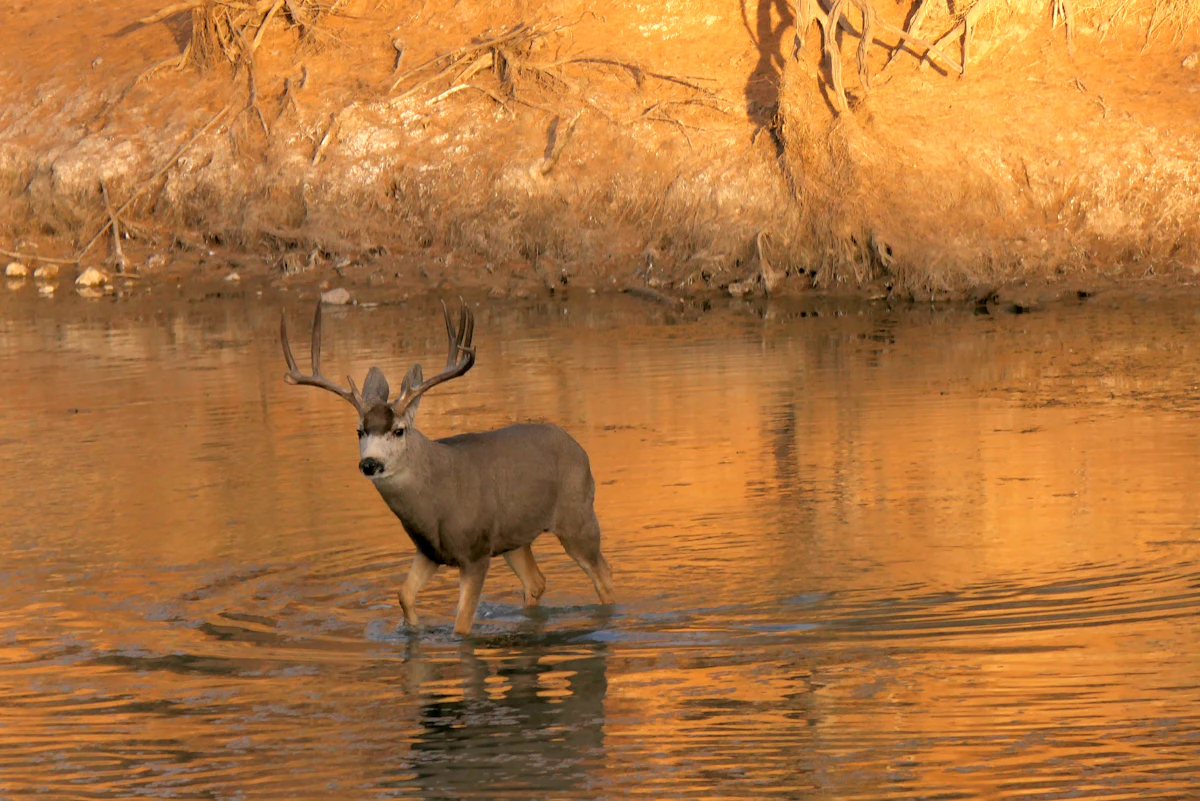
Your deer tag is valid for either mule deer or whitetail in any general hunt unit open to nonresidents. Most of Idaho is open, but some trophy units near the Wyoming and Montana borders are restricted to residents or require separate controlled hunt tags. You can hunt archery season in August and early September, then return for rifle season in October. The tag does not let you harvest both a mule deer and a whitetail — it is either-or, one buck total.
Elk
The elk portion of your Super Hunt license works the same way. You can hunt any general elk unit open to nonresidents across all weapon seasons. Idaho's general elk units cover vast roadless wilderness, broken timber country, and high-elevation basins from the Panhandle south to the Snake River Plain. Archery elk season runs late August through September. Rifle season typically opens in mid-October and runs into November in some zones. You can hunt both seasons if you want — there is no restriction forcing you to pick one.
Black Bear
Black bear season in Idaho runs spring and fall, but your Super Hunt tag is valid only during fall bear season, which coincides with deer and elk hunts. You can bait or hound hunt where legal, or spot-and-stalk during your ungulate hunts. Bear hunting is open statewide in nearly all units, giving you maximum flexibility. Your bear tag is valid until the statewide season closes, usually in late November or early December depending on the zone.
Mountain Lion
Mountain lion hunting is open year-round in most of Idaho, but your Super Hunt lion tag is valid only during the same fall and early winter window as your other species. Most nonresident lion hunters use hounds, and Idaho allows hound hunting statewide except in a few wilderness areas. If you are not set up to run hounds yourself, you can hire an outfitter. Spot-and-stalk lion hunting is possible but extremely difficult without snow and tracking skills.
How the Draw System Works
Idaho does not use preference points or bonus points for the Super Hunt Combo. Every applicant enters a true random draw with equal odds regardless of how many years they have applied. You submit your application during the spring controlled hunt deadline, typically in early May, and results are posted in late May or early June.
The application fee is nonrefundable. If you draw, you pay the full license cost, which is approximately $1,800 as of 2024. If you do not draw, you lose only the application fee, which is around $20. There is no point-creep to manage and no need to apply every year to build odds. You can apply once, draw, and never apply again, or skip years and apply only when you are ready to hunt.
Because Idaho does not publish unit-specific draw odds for the Super Hunt, estimating your chances requires looking at the total number of applicants versus tags issued. Historical data shows roughly 4,000 to 6,000 nonresident applications for 1,000 tags, putting draw odds between 17 and 25 percent in recent years. Those odds are better than most premium elk units in other states but worse than general-season draws in Montana or Wyoming.
TAGZ tracks Idaho controlled hunt applications, deadlines, and historical tag allocations so you can plan your application timeline and compare the Super Hunt to other nonresident opportunities across the West. If you are juggling preference points in multiple states, seeing all your deadlines and draw dates in one place saves time and keeps you from missing critical windows.
Where You Can Hunt
The Super Hunt license is valid in all general hunt units open to nonresidents. That means you have access to the vast majority of Idaho's 99 hunt units, excluding only a handful of trophy areas reserved for residents or controlled hunts.
Idaho's general hunt units span the state's most iconic elk and deer country. The Panhandle offers dense timber, steep drainages, and classic spot-and-stalk terrain for whitetail and mule deer. Central Idaho holds the Frank Church River of No Return Wilderness and the Selway-Bitterroot Wilderness — millions of acres of roadless backcountry where elk, deer, and bear roam far from trailheads. Southern Idaho transitions into sagebrush breaks, canyon systems, and high desert mule deer habitat that rivals anything in Nevada or Utah.
You are not locked into a single unit or zone. If you start archery elk hunting in Unit 27 and conditions are poor, you can move to Unit 36A or 45 without violating your tag. This statewide flexibility is rare in Western hunting. Most controlled hunt tags restrict you to a single unit or group of units. The Super Hunt lets you chase weather, rut activity, or migration patterns across the state as the season unfolds.
Public land access is abundant. Idaho holds over 60 percent public land when you combine national forest, BLM, and state ground. You can plan entirely self-guided hunts on foot or horseback, or hire an outfitter for drop camps or guided hunts in wilderness units that require outfitters for nonresident hunters in designated zones.
TAGZ provides unit boundaries, terrain maps, and public land overlays for every Idaho hunt unit so you can compare access, elevation, and habitat before you commit to a hunt area. Whether you are scouting from home or adjusting plans mid-season, seeing exactly where unit lines fall and where public land connects helps you move confidently.
Cost and Value
The Super Hunt Combo costs approximately $1,800, making it one of the most expensive nonresident licenses in the West. For comparison, a standard Idaho nonresident elk tag costs around $700, and a nonresident deer tag runs about $450. A bear tag adds another $250, and a mountain lion tag is roughly $300. If you purchased all four species separately, you would pay close to $1,700 — nearly the same as the Super Hunt.
The difference is access and opportunity. Standard nonresident elk and deer tags in Idaho are general season and available over the counter in most units, but some of the best units are capped or sold out quickly. The Super Hunt guarantees you a tag in all general units without worrying about caps or sellouts. You also gain the ability to hunt all weapon seasons without choosing upfront whether you want archery or rifle.
If you plan to hunt multiple species and want maximum season flexibility, the Super Hunt delivers better value than stacking individual tags. If you are focused on elk only and plan to hunt a single weapon season, a general elk tag makes more sense. The Super Hunt is not a budget option. It is a premium license for hunters who want to spend multiple weeks in Idaho chasing different species and seasons without logistical headaches.
Who Should Apply
The Super Hunt is ideal for nonresident hunters who meet at least two of these criteria:
- You want to hunt multiple species in the same fall and maximize days in the field.
- You prefer flexibility to move between units, seasons, and weapon types without being locked into a single choice.
- You are willing to commit to the cost and time required to make the most of four species tags.
- You have the physical ability to hunt Idaho's steep, remote backcountry terrain or the resources to hire an outfitter.
- You do not have years to wait on preference point systems and want a realistic chance to draw within a few applications.
If you are a first-time Western hunter or someone who can only spend a single week in the field, the Super Hunt is probably overkill. You would be better served by a general elk tag or a single-species controlled hunt tag that matches your specific hunt plan. The Super Hunt rewards hunters who can dedicate serious time to Idaho and who have the skills or support to chase multiple species across diverse terrain.
Strategy Tips for Maximizing Your Super Hunt
Once you draw, the key to success is planning a season-long hunt calendar that layers species and seasons strategically. Start with archery elk in late August or early September. Focus on high-elevation basins where bulls are bugling and deer are still in velvet. If you fill your elk tag early, shift to bear or lion hunting before the deer rifle opener.
If you do not fill your elk tag during archery season, return in October for the rifle elk opener. Most rifle hunters focus on elk, which means deer hunting pressure is lighter. You can chase mule deer bucks during the rut while staying flexible to pivot back to elk if you find a good bull. Bear and lion opportunities remain open into late November and December in most units, giving you a long tail to keep hunting after ungulate seasons close.
Scouting is critical. Idaho's general hunt units are massive, and success rates vary widely depending on unit, elevation, and access. Spend time on TAGZ reviewing unit maps, public land boundaries, and terrain features before you commit to a specific area. Look for units with good road access if you are hunting solo, or target wilderness units if you have stock or are hiring an outfitter.
Consider splitting your hunt into two or three trips if you live close enough to make multiple visits feasible. Hunt elk during the rut in September, return for deer in October, then come back in November for bear or lion. This approach spreads your vacation days across the season and increases your odds of hitting peak conditions for each species.
Common Mistakes to Avoid
Many hunters draw the Super Hunt and then fail to maximize its value. The most common mistake is treating it like a single-species tag. If you only hunt elk and ignore deer, bear, and lion, you just paid $1,800 for a tag you could have bought over the counter for $700. The Super Hunt rewards effort and flexibility. If you are not willing to chase multiple species, apply for a different tag.
Another mistake is underestimating Idaho's terrain. Central Idaho wilderness units are some of the most remote and physically demanding hunting areas in the lower 48. If you are not prepared for steep climbs, long pack-outs, and limited cell service, you will struggle. Scout your units carefully, talk to IDFG biologists, and be honest about your fitness level and backcountry experience.
Finally, do not assume the Super Hunt is a guaranteed harvest. Success rates for nonresident elk hunters in Idaho hover around 15 to 20 percent, and deer success rates are similar. This is not a high-fence hunt or a guarantee. Idaho is wild, the animals are pressured, and weather can shut down access overnight. The Super Hunt gives you more opportunity and flexibility, but you still have to hunt hard and smart to fill tags.
How TAGZ Helps You Plan
TAGZ simplifies Super Hunt planning by tracking Idaho's application deadlines, showing you exactly when to apply, and organizing your draw results across all the states you are juggling. You can compare the Super Hunt draw odds to other nonresident opportunities in Montana, Wyoming, or Colorado and decide where to invest your application dollars.
Once you draw, TAGZ gives you unit maps, public land overlays, and terrain breakdowns for every Idaho hunt unit. You can filter units by species, elevation, and access type to narrow down where to focus your scouting. Whether you are planning a solo backpack hunt or coordinating with an outfitter, having all your hunt data in one platform saves time and reduces decision fatigue.
If you are tracking preference points in other states, TAGZ keeps everything organized so you never miss a deadline or waste points on a unit that does not match your hunt goals. The Super Hunt is just one piece of a multi-state strategy for serious Western hunters, and TAGZ helps you see the full picture.
FAQ — Idaho Super Hunt Combo
What species are included in the Idaho Super Hunt Combo? The Super Hunt includes deer (mule deer or whitetail), elk, black bear, and mountain lion. You receive valid tags for all four species and can hunt them across general hunt units and seasons statewide.
Does Idaho use preference points for the Super Hunt? No. The Super Hunt is a true random draw with no preference points or bonus points. Every applicant has equal odds regardless of how many times they have applied.
Can I hunt all weapon seasons with a Super Hunt tag? Yes. Your deer and elk tags are valid for archery, rifle, and muzzleloader seasons. You are not restricted to a single weapon or season and can hunt multiple seasons for each species.
How much does the Idaho Super Hunt Combo cost? The total license cost is approximately $1,800 as of 2024. The application fee is around $20 and is nonrefundable whether you draw or not.
What are the draw odds for the Super Hunt? Draw odds typically range between 15 and 25 percent depending on the year and total applicant pool. Idaho issues around 1,000 tags annually, and applications usually number between 4,000 and 6,000.
Is the Super Hunt worth it if I only want to hunt elk? Probably not. A general nonresident elk tag costs around $700 and is available over the counter in most units. The Super Hunt makes sense only if you plan to hunt multiple species and want maximum season flexibility.
Continue Planning Your Hunt
The Idaho Super Hunt Combo is one of the most flexible and species-diverse tags available to nonresident hunters, but planning a multi-species hunt across Idaho's vast terrain requires research and strategy. TAGZ helps you track application deadlines, compare draw odds, and scout units with detailed maps and public land overlays so you can make confident decisions before you apply.
Whether you are chasing your first Idaho elk or planning a season-long multi-species adventure, TAGZ organizes your draw data, preference points, and hunt plans in one platform. Explore Idaho hunt units, compare units side by side, and see where your Super Hunt tag gives you the best shot at success.
Ready to take control of your Western hunt planning? Create a free TAGZ account at getmytagz.com and start building your multi-state application strategy today. For more hunt planning tips and draw updates, explore the full library of hunting insights at TAGZ Insights.
Was this article helpful?
Previous
Idaho Super Hunt for Nonresident Hunters: Is It Worth the Money?
Idaho's Super Hunt offers nonresidents a chance at premium elk, deer, and pronghorn tags without competing in controlled hunts. We break down costs, odds, strategy, and whether this lottery is worth entering for out-of-state hunters planning their next Idaho adventure.
Next
Best Idaho Mule Deer Units to Hunt If You Win the Super Hunt
Idaho's Super Hunt raffle awards winners their choice of any controlled hunt tag in the state. For mule deer hunters, that means access to trophy units in the Island Park region, Lemhi Range, and Owyhee Desert that normally require years of points or impossible draw odds.