How to Pattern Mature Bucks: Proven Strategies from Trail Cams to Terrain
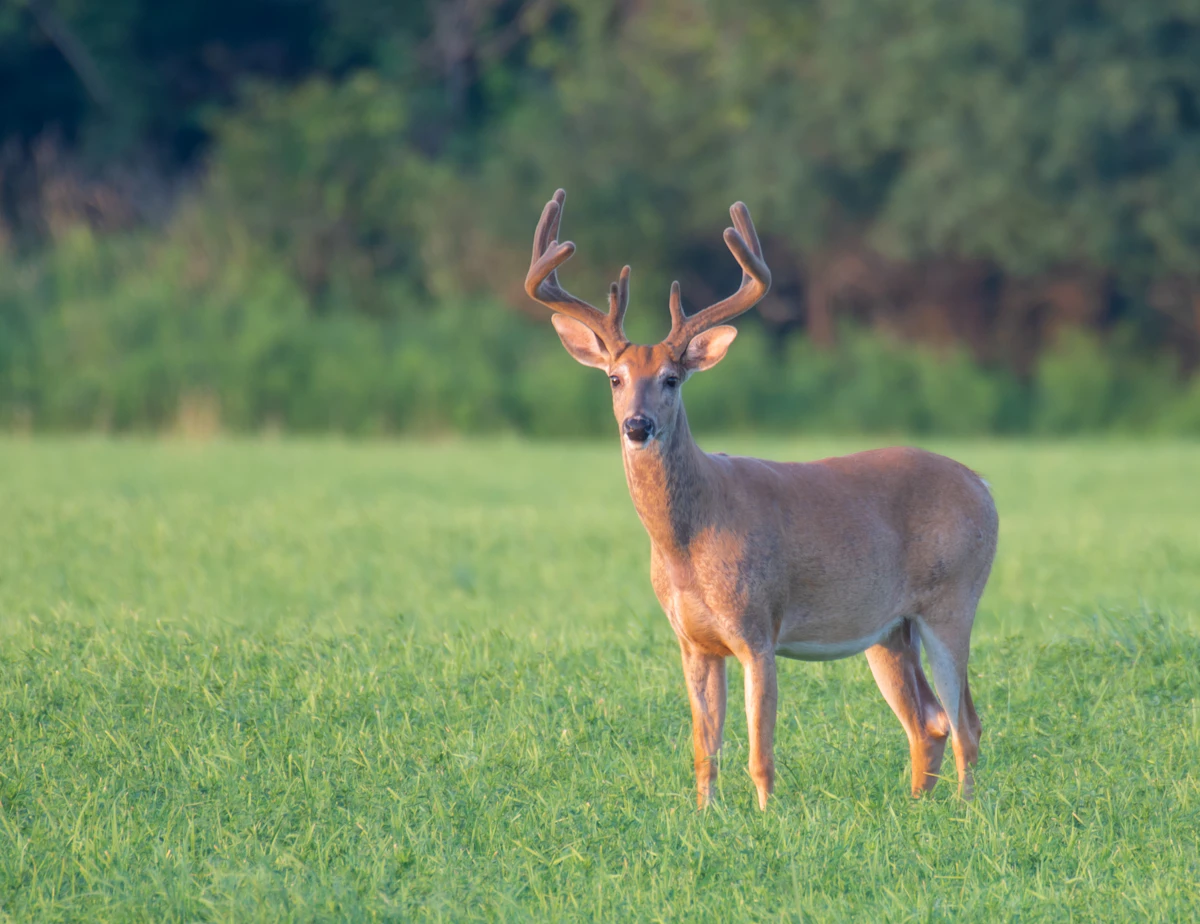
Mature bucks do not move randomly. They follow predictable patterns dictated by food, cover, breeding pressure, and sanctuary zones where they feel safe. The difference between killing a shooter and watching does filter past your stand comes down to how well you read those patterns before opening day. This is not about luck. It is about layering intel from multiple sources until a buck's routine becomes clear enough to intercept.
Start with Trail Camera Data
Trail cameras are your eyes when you are not in the woods. Set them on primary scrapes, field edges, funnels, and transition zones between bedding and feeding areas. Check them every 7-10 days during summer and early fall to avoid bumping deer. Pay attention to three things: which bucks are present, when they show up, and whether they appear in daylight.
Mature bucks often move at night during early season, especially in pressured areas. If a buck consistently shows up between 10 p.m. and 4 a.m., he is using that route but staying nocturnal. That does not mean he is unhuntable. It means you need to adjust your setup closer to his bedding area or wait until the rut pulls him into daylight movement. Bucks that appear within an hour of shooting light are telling you they feel comfortable in that zone. Those are the ones you can hunt immediately.
Organize your photos by individual buck and timestamp. Look for weekly trends. A buck that hits the same scrape line every third day has a pattern. A buck that shows up randomly across multiple cameras is either transient or pressured. Focus your efforts on bucks with consistent appearance intervals and narrow travel corridors.
Identify Core Areas and Bedding Zones
Mature bucks spend 90 percent of daylight hours within a small core area, often less than 100 acres. This core includes preferred bedding cover, nearby food, and multiple escape routes. If you can pinpoint where a buck beds, you can predict his evening travel to food and his morning return route.
Bedding areas in hill country are typically on points, benches, or saddles where bucks can monitor thermals and see approaching danger. In flat timber, look for the thickest, nastiest cover within 200 yards of a food source. Mature bucks rarely bed more than a quarter mile from their primary feed unless hunting pressure pushes them deeper.
Do not walk directly into suspected bedding areas during early season. Use aerial maps and topography tools to study terrain from a distance. TAGZ provides terrain breakdowns and unit maps that help you visualize elevation changes, cover types, and likely bedding zones without burning boot leather. Glass from a distance with binoculars during midday to confirm buck movement in and out of suspected beds. Once you know where he sleeps, you can set up along his travel corridor without educating him.
Read Sign and Connect Movement Corridors
Rubs and scrapes tell you where bucks are traveling and how often they use a route. A rub line along a creek bottom or ridgeline is a highway. Single rubs scattered randomly across open timber mean less. Focus on clusters of rubs and scrapes within 100 yards of each other. These are staging areas or territorial markers where bucks spend time.
Scrapes under licking branches get checked repeatedly throughout October and November. Set a trail camera over active scrapes and note the direction bucks approach from. If multiple bucks use the same scrape but all approach from the east, your stand should cover that entry point. Bucks rarely approach scrapes from open ground. They use cover and follow terrain breaks that provide concealment.
Track patterns over time. A scrape that gets hit weekly in September may go cold in October if does shift feeding areas. Bucks follow does, and does follow food. When acorns drop or agricultural fields get combined, deer movement shifts. Your pattern work has to account for changing food sources, which is why you should scout every two weeks through fall.
Factor in Hunting Pressure and Rut Phases
Opening weekend changes everything. Mature bucks that moved predictably in September go nocturnal or shift core areas entirely once they smell humans on their home turf. If your area sees heavy pressure, hunt the rut instead of early season. Bucks lose caution during peak breeding and will cruise doe bedding areas in daylight.
During the pre-rut, bucks expand their range and check doe groups for estrous females. This is when you see bucks in places they never showed up on camera during summer. Set up on the downwind side of doe bedding areas and let the bucks come to you. During peak rut, bucks move all day. Hunt midday sits near doe bedding or staging areas. After the rut crashes, bucks return to core areas near the best remaining food source. Find the last standing corn or the densest oak flat, and you will find bucks recovering body weight.
Pressure also dictates entry and exit routes for your stand. If other hunters push deer during morning drives, mature bucks will relocate to sanctuaries by 9 a.m. Identify the thickest, most remote cover in your area and set up on the edge. Bucks will filter into sanctuaries from multiple directions, often using subtle terrain features like dry creek beds or shallow ditches that provide concealment.
Use Terrain to Predict Travel Routes
Mature bucks move efficiently. They rarely cross open ground unless forced. Instead, they follow ridgelines, creek bottoms, fence lines, and timber edges that provide cover while moving between bedding and feeding areas. Study your terrain and ask where you would walk if you wanted to stay hidden.
Saddles and pinch points are gold. A saddle is a low spot on a ridgeline where bucks naturally cross from one drainage to another. Pinch points are narrow strips of cover between two open areas. Both force deer into predictable corridors. Set your stand on the downwind side of these features and you increase odds dramatically.
In flat ground, focus on transition zones where cover types change. The edge between timber and CRP, or between hardwoods and pines, creates natural travel lanes. Bucks cruise these edges during the rut and use them as safe routes to feeding areas during early season. TAGZ users can overlay terrain maps with public land boundaries to identify transition zones and pinch points without trespassing or wasting time in low-probability areas.
Put It All Together: From Intel to Execution
Once you have trail camera data showing a buck's schedule, identified his core bedding area, mapped his travel corridors, and accounted for pressure and rut timing, it is time to set your stand. Choose a location that gives you wind advantage, covers his most likely travel route, and allows quiet entry and exit. Hang your stand at least two weeks before you plan to hunt it so human scent dissipates and deer accept the intrusion.
Hunt your best setups sparingly. If you have a stand positioned perfectly for a northwest wind, only hunt it when the wind is right. Burning a good location with bad wind educates mature bucks fast. Have multiple setups for different wind directions and rut phases. Flexibility is what separates guys who kill mature bucks consistently from guys who get lucky once.
Patterning is not a one-time event. It is an ongoing process that adjusts as food sources change, hunting pressure increases, and the rut progresses. Stay mobile, stay disciplined with wind and entry routes, and trust the intel you have gathered. Mature bucks are not ghosts. They are creatures of habit. Learn the habit, and you will get your chance.
FAQ — Patterning Mature Bucks
How many trail cameras do I need to pattern a buck?
Start with four to six cameras covering primary scrapes, field edges, and funnels between bedding and feeding areas. More cameras give better data, but placement matters more than quantity.
Can you pattern a buck that only moves at night?
Yes. Nocturnal bucks still have core areas and travel routes. Move your setup closer to bedding or wait for the rut when breeding pressure pulls them into daylight movement.
How long does it take to pattern a mature buck?
Four to six weeks of trail camera data and scouting gives you enough information to identify core areas and predict movement. Patterns become clearer as you narrow down bedding zones and preferred travel corridors.
Do mature bucks use the same routes every year?
Often, yes, if food sources and cover remain consistent. Bucks have home ranges they return to annually, but specific routes shift based on hunting pressure, acorn crops, and doe distribution.
What is the biggest mistake hunters make when patterning bucks?
Over-scouting and bumping deer out of core areas before season. Use trail cameras and aerial maps to gather intel from a distance instead of walking through suspected bedding zones.
Is it worth patterning bucks on public land?
Absolutely. Public land bucks are pressured, but they still have core areas and sanctuaries where they feel safe. Focus on remote pockets of cover away from parking areas and you will find mature bucks that see less pressure.
Continue Planning Your Hunt
Patterning mature bucks is only part of the equation. Once you identify where a buck lives, you need to know if the unit you are hunting offers the age class, terrain, and hunting opportunity to make it worth your time. TAGZ helps you compare units side by side using terrain maps, public land boundaries, and historical harvest data so you can focus your scouting efforts in areas that actually hold mature bucks. Track your preference points and bonus points across multiple states, filter hunts by weapon and season, and never miss a draw deadline. Whether you are planning a backcountry bowhunt or a rifle opener on accessible public land, TAGZ gives you the tools to make smarter decisions before you ever hang a stand. Create your free account at getmytagz.com and start planning your next hunt with the same precision you use to pattern bucks.
For more strategies on scouting and hunting mature animals, explore the full library of articles at TAGZ Insights. If you are ready to take your hunt planning to the next level, check out TAGZ pricing to see which plan fits your hunting goals. The platform walks you through every step, from application strategy to terrain analysis, so you can hunt smarter and apply with confidence.
Was this article helpful?
Previous
Best Beginner Elk Calling Setup: Essential Gear for Your First Hunt
Learn which elk calls every beginner needs, how to build a complete calling setup for under $150, and which techniques to master before your first September hunt.
Next
Best Elk Calls for 2025 — Diaphragm, Tube, and Electronic Calls Tested
Choosing the right elk call can make or break your hunt. We break down diaphragm calls, external reed calls, and electronic options with field-tested recommendations for beginners and experienced callers alike.