How to Learn a New Unit Fast: A Realistic Western Hunter’s Guide
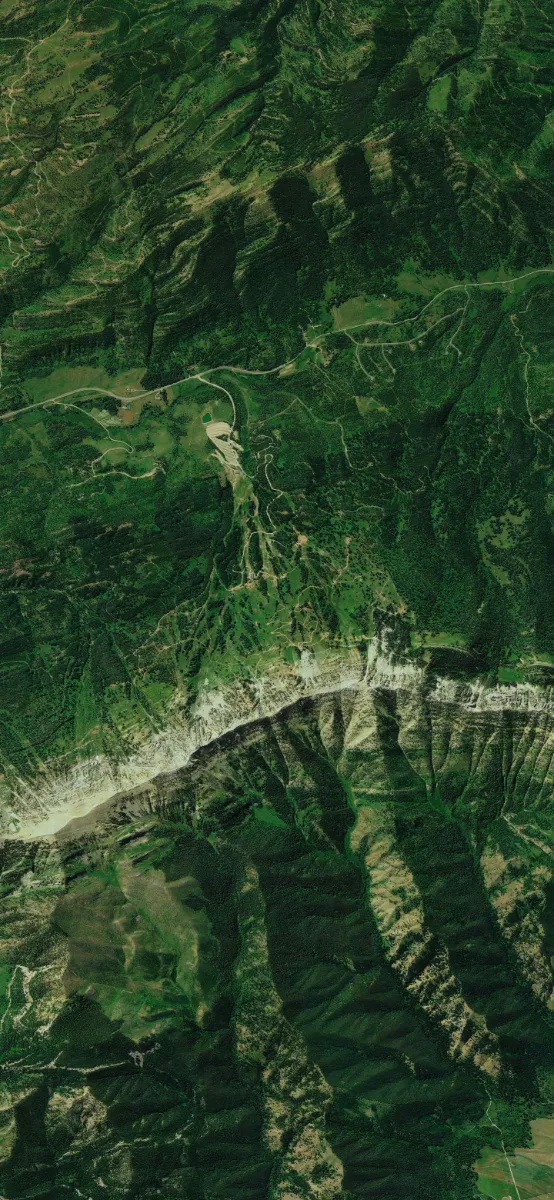
You learn a new unit fast by combining real map work, honest expectations, and smart time on the ground. There’s no shortcut, but there are ways to get up to speed quicker and avoid rookie mistakes.
Why Most Hunters Struggle with New Units
If you’ve ever burned points on a promising tag, only to feel lost when you hit the trailhead, you’re not alone. New units have unfamiliar terrain, weird access quirks, and a pressure dynamic you don’t understand yet. The learning curve can be steep, especially in states like Wyoming or Colorado where units vary wildly. Most hunters get overwhelmed by sheer size or try to copy what worked somewhere else.
Map Work: Laying the Foundation
Before you ever lace up boots, the first step is digital. Pull up maps — satellite imagery, topo, and public/private overlays. Mark every legal access, trailhead, and road. Look for habitat edges: north slopes holding timber, south slopes with feed, water sources, and glassing points. Drop pins on spots that look like they might hold elk or deer, but remember, maps don’t tell you about actual pressure. Cross-reference with past harvest data (many state sites offer it), not just what looks good from space.
Scouting and Ground Truthing
Nothing replaces boots on the ground. Even a single afternoon can teach you more than days of e-scouting. Focus on:
- Checking your mapped access points for real-world conditions
- Glassing from high points early and late for movement
- Looking for tracks, droppings, and old campsites (pressure indicators)
Set realistic expectations. In 2026, most Western units see more hunters and smarter game. Don’t get discouraged if your first glassing spot is already claimed — move, adapt, and keep notes.
Reading Pressure and Hunter Behavior
Most animals respond first to hunting pressure, not terrain. When you scout, pay attention to:
- Road and trail density
- Where camps are concentrated
- Fresh tire tracks, boot prints, and ATV paths
If you see obvious sign of recent hunters, expect the animals to be in cover or pushed into rougher terrain. Don’t waste time where everyone else is set up. Sometimes, walking a half-mile farther or glassing overlooked pockets pays off.
Adapting Your Strategy on the Hunt
The best-laid plans change fast when you’re in a new unit. Don’t lock yourself into one spot or method. If you’re not seeing what you expected, pivot. Try:
- Glassing different elevations or slopes
- Moving midday to scout pressure pockets
- Still-hunting through timber if glassing isn’t working
Keep a running log of what you see. By day two or three, you’ll start to see patterns — where elk are moving, where hunters aren’t going, and what terrain is holding animals.
Leveraging Tools Like TAGZ
Honestly, a big part of learning units now is using tools that cut down on the guesswork. TAGZ lets you compare units, analyze draw odds, and see pressure trends so you can focus your scouting. It won’t do your hiking for you, but it does make planning a new unit way less intimidating.
FAQ: Fast Answers for New Unit Hunters
How much time do I need to scout a new unit?
A weekend is better than nothing, but three to five days is ideal. If you can’t scout before the hunt, arrive a day or two early and glass.
Is it better to hunt near roads or go deep?
Both can work. If pressure is heavy near roads, go farther. Sometimes animals pattern around easy access if it’s overlooked.
What’s the biggest mistake hunters make in a new unit?
Getting stuck on a Plan A. Be flexible, adapt to what you see, and don’t be afraid to move.
For more practical hunting tips, check out our articles on Scouting Elk After the Draw and Understanding Real-World Hunting Pressure.
Was this article helpful?
Previous
OTC Elk Hunting Strategy: Real-World Tips for Western Hunters
Breaking down honest, boots-on-the-ground OTC elk hunting strategy—from terrain and pressure to realistic expectations and smart planning.
Next
Choosing Your First Elk Rifle — Complete Beginner Guide
Your first elk rifle should prioritize reliability, accuracy, and shootability over raw power. Proven rifles like the Tikka T3X, Howa 1500, Savage 110, Ruger American, and CVA Cascade paired with calibers such as .30-06, .308, 7mm Rem Mag, or 7 PRC provide excellent elk hunting performance for new hunters.