How to Hunt Sage Country Elk in 2026: Honest Advice for Western Hunters
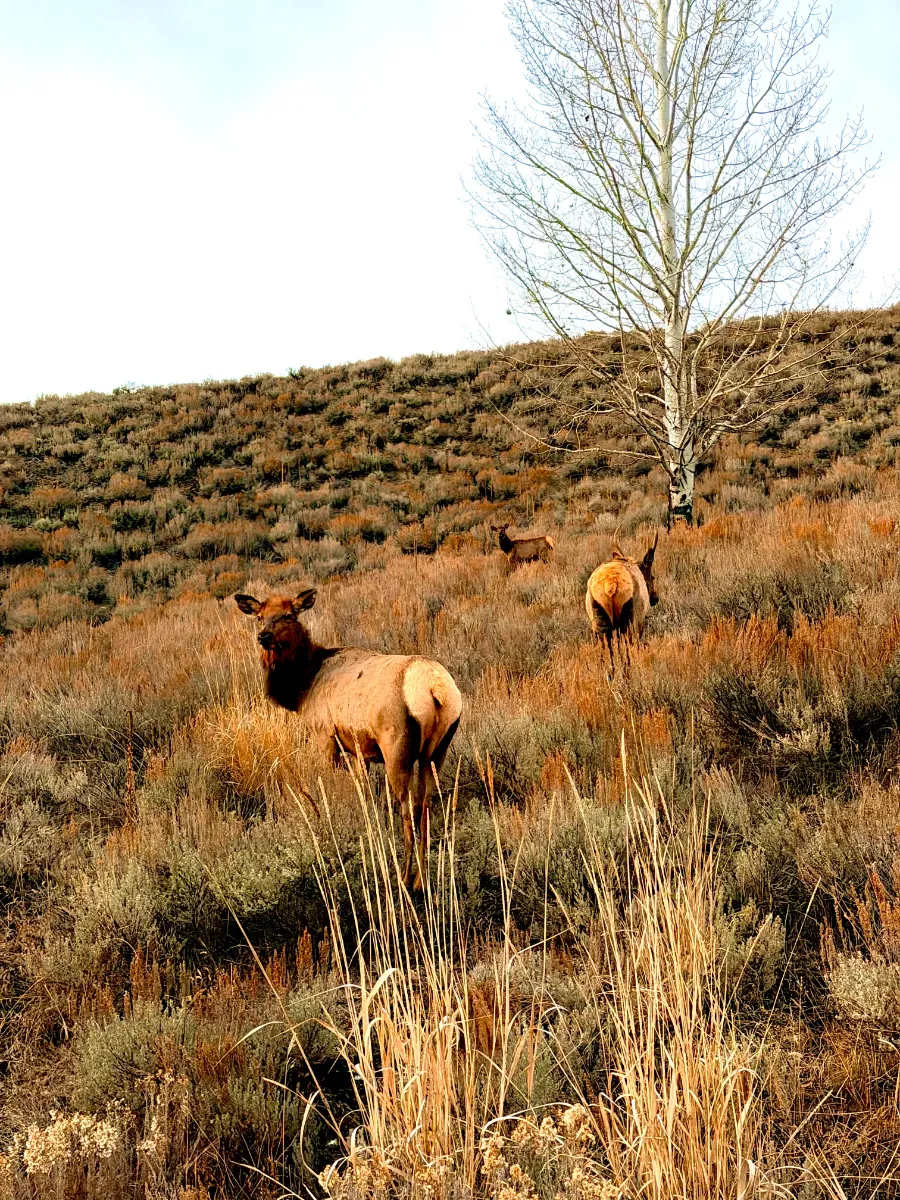
Hunting elk in sage country in 2026 is a game of patience, glassing, and adapting to pressure. It’s not a classic timber hunt, and the learning curve can be steep. But if you approach it realistically, sage country can deliver some of the most exciting elk encounters in the West.
Why Sage Country Elk Are Different
Elk living in sage country behave differently than their timber-dwelling cousins. The open terrain means you’ll see farther, but so will the elk. They rely on their eyes and the wind. You won’t get away with sloppy stalks or lazy approaches. Sage flats, rolling hills, and patchy cover define these units. Expect to spend long hours behind your glass spotting elk before you ever lace up your boots for a stalk.
Pressure and Access: The Double-Edged Sword
Many sage country units in 2026 will see moderate to heavy hunting pressure, especially in easy-access spots. Roads and two-tracks bring hunters deeper into the landscape, and elk often shift to overlooked pockets or private land as pressure ramps up. If you want an unpressured bull, plan to hike farther or hunt the fringes—think rougher terrain, odd corners, or spots between popular access points. Don’t expect to find solitude everywhere, but a willingness to walk pays off.
Terrain and Elk Behavior: Read the Land
Sage country elk bed in the open more than you’d think, often on benches with a good view and a breeze. They feed early and late, using draws, scattered juniper, or stands of mahogany for shade and cover. Water sources are magnets, but every other hunter knows that too. Instead, try glassing transition zones—where sage meets broken rimrock, or small fingers of brush lead to feed. Watch for subtle movement at first or last light. Elk here are rarely vocal after opening day, so don’t count on bugling to give them away.
Realistic Strategy and Expectations
This isn’t a numbers game. Sage country elk densities are lower than in prime timber units. Success means covering ground, glassing for hours, and accepting that some days you’ll come up empty. But the bulls you turn up are often older and cagey. When you spot an elk, plan your stalk with the wind and available cover in mind. If you blow it, don’t be afraid to pull back and wait for another chance. Persistence wins out here more than fancy calling or aggressive tactics.
How TAGZ Can Help You Plan Smarter
With so many variables—draw odds, access points, pressure, and land boundaries—TAGZ makes planning a sage country elk hunt in 2026 a lot simpler. Their unit analysis and mapping tools let you compare pressure, terrain, and access side by side so you can focus your efforts on the places that fit your hunting style, not just the places everyone talks about.
FAQ: Hunting Sage Country Elk in 2026
Q: Are sage country elk harder to hunt than timber elk?
A: They’re different, not necessarily harder. You’ll need more patience, glassing skills, and careful stalks.
Q: Do I need a spotting scope?
A: Yes. Good glass is crucial in open country. A spotter or high-power binos will save you miles of hiking.
Q: Can I call elk in sage country?
A: Sometimes, but pressure makes them quiet fast. Focus on glassing and stalking instead of calling.
Q: What’s the best way to avoid hunting pressure?
A: Hike farther, hunt the edges, and look for overlooked pockets away from obvious access.
For more practical tips on elk hunting, check out our guides on scouting with onX and understanding draw odds.
Was this article helpful?
Previous
Best Rifle Calibers for Elk Hunting — 30-06, 300 Win Mag, 7 PRC & More
Quick Summary Almost every modern elk cartridge can kill elk effectively with proper shot placement, but the .30-06, .300 Win Mag, 7mm Rem Mag, and 7 PRC continue to stand out as some of the best options for western hunters.
Next
Best Western Hunting Packs for Elk Hunting — Complete Pack Guide
A quality hunting pack is one of the most important pieces of western hunting gear. The best packs haul heavy meat loads comfortably while supporting long days in rugged elk country.