How to Hunt Small Public Land Parcels: Pressure-Proof Strategies for Western Hunters
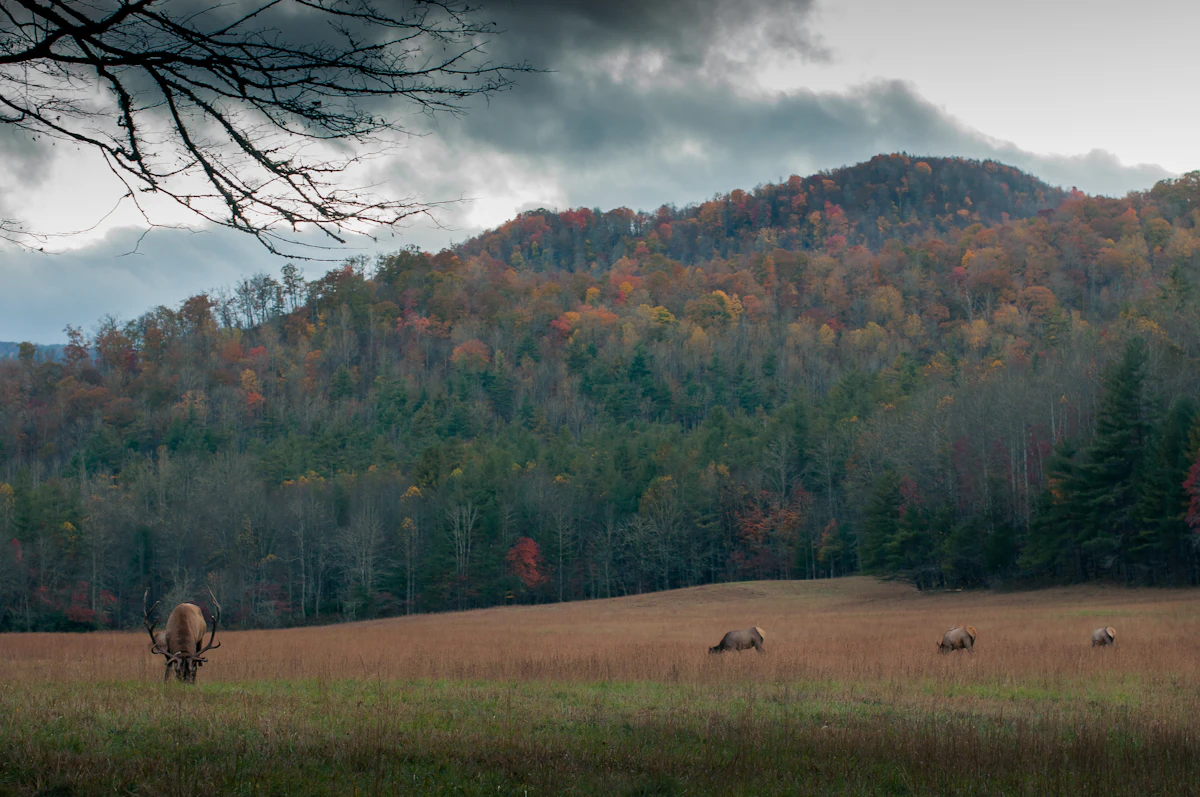
Most western hunters scroll past anything under 100 acres when filtering public land on their maps. They want sprawling wilderness, big mountain ranges, and miles of backcountry solitude. But those small public land parcels scattered between private ranches and subdivisions hold more opportunity than most hunters realize.
I have killed mature mule deer bucks on 40-acre BLM islands surrounded by private ground. I have watched elk herds bed on 80-acre state trust parcels that everyone drives past on the highway. These small tracts are not backup plans. They are strategic hunting zones where animals escape pressure, find sanctuary, and pattern themselves around limited human interference.
The catch is that hunting small parcels requires different tactics than hunting vast public blocks. You cannot bump animals off the property and relocate the next ridge over. You cannot afford sloppy access or midday intrusions. Every move matters when your hunting ground is smaller than a shopping mall parking lot.
Why Small Public Parcels Hold Big Game
Animals do not measure property lines in acres. They measure them in security, food, water, and human activity. A 60-acre hardwood bottom with a spring and thick cover beats 10,000 acres of picked-over ridges crawling with hunters.
Small parcels often sit in transition zones between bedding and feeding areas. A mule deer buck might bed on private timber, cross a 50-acre BLM tract at dawn, and feed in an alfalfa pivot by mid-morning. That 50 acres becomes a highway during legal shooting light.
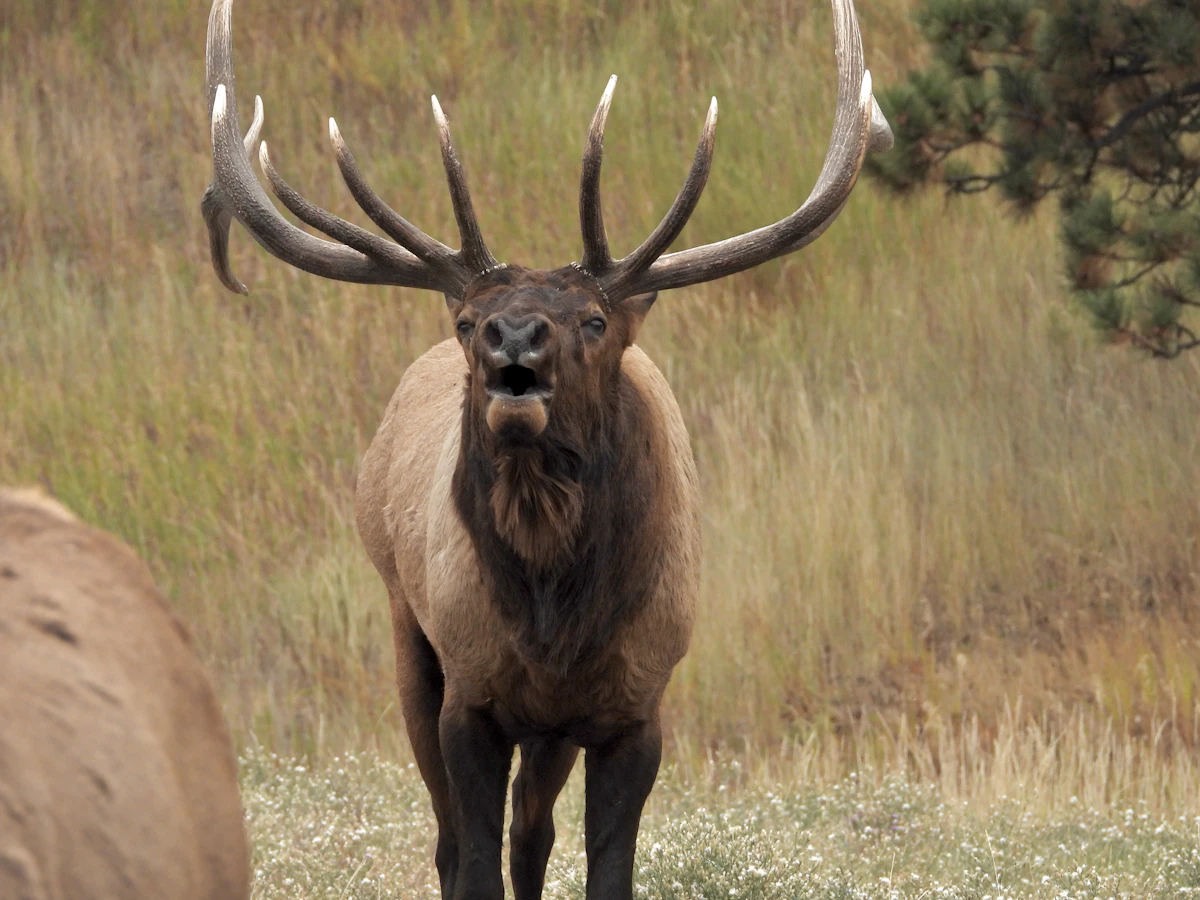
Elk do the same thing. They bed in dark timber on national forest land, move through small state parcels to water, and return before dawn. If you position yourself on that small tract during the right two-hour window, you intercept animals that never spend a full day on public ground.
Pressure pushes animals toward these overlooked spaces. Opening weekend empties the big units. Hunters hike deep, set up trail cameras, and camp for days. Meanwhile, a mature buck slips onto a 30-acre BLM corner nobody bothered to scout because it looked too small on the map.
Scouting Small Parcels Before Season
Small parcels demand precise scouting. You cannot waste an evening sitting the wrong edge or bumping deer out of a bedding pocket you did not know existed.
Start with digital scouting using OnX, GAIA, or the mapping tools inside TAGZ. Identify every public parcel under 200 acres within your hunt unit. Filter by terrain features: water sources, terrain funnels, thick cover, and edges where public meets private. Look for parcels that connect larger blocks or sit between known bedding and feeding zones.
Pay attention to access. A landlocked 100-acre BLM tract is worthless unless you can legally walk in from a county road or navigate a corner crossing where state law allows it. Some small parcels touch forest service roads or utility easements that provide legal entry points most hunters miss.
Once you identify potential spots, visit them in person during summer or early fall. Walk the boundaries. Note how terrain funnels animals through narrow corridors. Find the trails, the rubs, the scrapes, the bedding sign. A small parcel reveals its secrets quickly because there is not much ground to cover.
Set up trail cameras on primary travel corridors and water sources, but pull them a week before season. The goal is to learn patterns without training animals to avoid the spot. Small parcels do not tolerate repeated human intrusion during the rut or migration windows.
Timing Your Hunts on Limited Ground
You cannot hunt a 40-acre tract every day and expect consistent success. Animals will either avoid it or relocate. The key is knowing when to strike.
Morning and evening transitions are prime. If deer or elk cross the parcel moving between bedding and feeding areas, you want to intercept them during legal shooting light. A single sit during peak movement can be more productive than five all-day hunts on bigger public ground.
Pay attention to weather, wind, and hunting pressure on neighboring properties. If rifle season just opened on the national forest to the west, animals will push east toward less pressured ground. A small BLM parcel on the eastern edge of the unit might see a spike in activity for 48 hours before animals settle again.
Rut timing matters for deer and elk. A small parcel with doe groups will pull bucks during the rut. Elk herds moving between summer and winter range will funnel through narrow public corridors. Time your hunts around these predictable movements instead of grinding it out daily.
Some small parcels are best hunted only once per season. If you have a 60-acre spot that holds a mature buck, you might get one clean ambush before he patterns your activity. Make that sit count. Go in with perfect wind, access from a direction that does not blow your scent across bedding areas, and commit to staying until dark.
Access and Wind Management
Bad access ruins more small parcel hunts than any other mistake. You cannot walk across a bedded buck to reach your stand and expect him to stick around.
Plan your entry and exit routes during daylight scouting trips. Identify the path that keeps you downwind of bedding areas and avoids blowing scent across primary travel routes. Sometimes the best access point is a quarter-mile walk around the parcel perimeter instead of a straight-line approach.
Wind is non-negotiable. On small parcels, a bad wind day means you stay home. There is no plan B ridge or alternate drainage to hunt. If your wind is wrong, your scent will cover the entire property within 30 minutes. Wait for the right conditions.
Morning access is easier than evening exits. Animals are moving toward bedding at first light, so careful entry before dawn keeps you undetected. Evening exits are trickier. If deer are feeding on the parcel at dusk, you need an escape route that does not push them off the property. Sometimes that means sitting until full dark and navigating out with a headlamp.
Stand Placement and Shooting Lanes
Small parcels rarely allow for multiple stand locations. You get one good setup, maybe two if terrain and wind cooperate.
Set your stand or blind to cover the highest-traffic corridor with the best wind options. On a 50-acre tract, that might be a saddle, a creek crossing, or the only thick cover connecting two open areas. Your goal is to intercept animals moving through, not to sit over a bedding area you will blow out the first time you climb in.
Keep shooting lanes minimal. Cutting lanes tips off other hunters and educates animals. If you can create a 20-yard window by trimming a few branches, that is enough. On pressured small parcels, shots inside 40 yards are common because animals feel secure and move casually.
Consider ground blinds over tree stands on some parcels. Brushed-in ground blinds disappear into small woodlots and draw less attention from other hunters. They also let you reposition quickly if wind shifts or animal patterns change mid-season.
Dealing with Other Hunters
Small parcels attract attention once other hunters realize animals are using them. A truck parked on the shoulder or a trail camera on a fence post signals opportunity.
If someone else is hunting your spot, do not crowd them. You will ruin the hunting for both of you. Instead, rotate to another small parcel or hunt a different timeframe. Sometimes the best strategy is hunting midweek when weekend warriors are back at work.
Some hunters will stumble onto your setup by accident while road hunting or exploring. If your parcel gets blown out, give it a week to settle before returning. Animals will come back once human activity drops.
In heavily hunted units, small parcels near subdivision edges or highway corridors see less intrusion because they look too obvious. Hunters assume those spots are hunted out. They are often wrong. A buck pushed off national forest land will take sanctuary in the last place most hunters expect.
Using TAGZ to Find Hidden Public Parcels
TAGZ mapping tools let you filter units by public land size, terrain type, and access points. Instead of scrolling through massive wilderness blocks, you can isolate small BLM tracts, state trust parcels, and wildlife management areas under 200 acres that fit your hunting strategy.
Layer in historical draw data and unit boundaries to find overlooked parcels in mid-tier units where most hunters focus on the big country. These small tracts often sit in leftover or general units where you can draw tags with zero points and hunt annually while building points for premium units.
TAGZ also tracks preference points and bonus points across multiple states, so you can plan small-parcel hunts in low-point units while accumulating points for limited-entry opportunities. This keeps you in the field every year instead of sitting out seasons waiting for a trophy tag.
Small Parcel Success Stories
I killed my best mule deer buck on a 45-acre BLM parcel wedged between two ranches. Everyone drove past it because it looked too small and too close to the highway. I found it during a summer scouting trip while glassing from a pullout. Fresh rubs lined a creekbed that funneled bucks from private bedding timber to a hay meadow.
I hunted it once. Morning of day three. Wind was perfect, access was clean, and I was on stand an hour before first light. The buck crossed at 7:15 a.m., 35 yards downwind of my tree. One shot.
A buddy of mine hunts a 60-acre state parcel in eastern Montana every year during rifle season. Elk push off the national forest when pressure spikes and bed in a willow bottom on that tiny tract for two or three days before moving again. He sits it opening weekend and has filled his tag there four years running.
These are not fluke hunts. They are pattern-based strategies on overlooked ground that most hunters ignore.
When Small Parcels Do Not Work
Small parcels are not magic. Sometimes the hunting just is not there.
If the parcel lacks water, cover, or food, animals will not use it consistently. A 100-acre sagebrush flat with no terrain features and no nearby private land might look good on a map but hold nothing worth hunting.
If the parcel sits in a unit with terrible draw odds or low animal densities, the small tract strategy will not fix bad biology. You still need huntable populations and access to animals during legal seasons.
If the parcel is within earshot of constant human activity, like a busy highway, ATV trails, or residential development, animals might avoid it entirely. Some small tracts are too compromised by noise and human presence to hold game during daylight hours.
FAQ — Hunting Small Public Land Parcels
Can you kill mature bucks on parcels under 50 acres?
Yes. Mature bucks use small parcels as transition zones between bedding and feeding areas, especially in pressured units where bigger public tracts get hammered opening weekend.
How do you avoid bumping animals off small public land?
Perfect wind, careful access routes, and limited hunting pressure. Hunt small parcels only during peak movement windows and stay out between sits to let animals settle.
What is the smallest public parcel worth hunting?
It depends on terrain and animal patterns. I have killed deer on 30-acre tracts that sat between private bedding and feeding areas. If animals cross it during legal light, size does not matter.
Do other hunters compete for small public parcels?
Most hunters overlook them. They focus on big wilderness blocks and assume small tracts are too obvious or too pressured. That makes them sleeper spots in crowded units.
Should you set trail cameras on small public parcels?
Yes during summer scouting, but pull them a week before season. Small parcels do not tolerate repeated intrusions. Get your intel early and hunt clean.
How do you find small public parcels that no one else knows about?
Use TAGZ mapping tools to filter public land by size and terrain type. Look for parcels under 200 acres that connect larger blocks or sit between private ranches. Many are unmarked on basic maps and require digital scouting to locate.
Continue Planning Your Hunt
Small public land parcels are not backup plans. They are strategic opportunities where animals escape pressure, find sanctuary, and move predictably during narrow windows. The hunters who succeed on these overlooked tracts are the ones who scout hard, time their sits perfectly, and manage access like their tag depends on it.
TAGZ helps you identify small public parcels, compare terrain and access across units, and track your points so you can hunt annually while building for premium tags. Whether you are targeting leftover tags or planning a multi-state strategy, TAGZ gives you the mapping tools and draw data to make smarter decisions before you ever step into the field.
Explore more hunting strategies, unit breakdowns, and application tips on the TAGZ Insights page. Ready to start planning your next hunt? Check out TAGZ pricing and see how the platform simplifies draw odds, point tracking, and hunt planning across the West.
Was this article helpful?
Previous
Best Beginner Elk Calling Setup: Essential Gear for Your First Hunt
Learn which elk calls every beginner needs, how to build a complete calling setup for under $150, and which techniques to master before your first September hunt.
Next
Best Elk Calls for 2025 — Diaphragm, Tube, and Electronic Calls Tested
Choosing the right elk call can make or break your hunt. We break down diaphragm calls, external reed calls, and electronic options with field-tested recommendations for beginners and experienced callers alike.