How to Find Elk Within One Mile of a Road: Secrets to Hunting Pressured Bulls
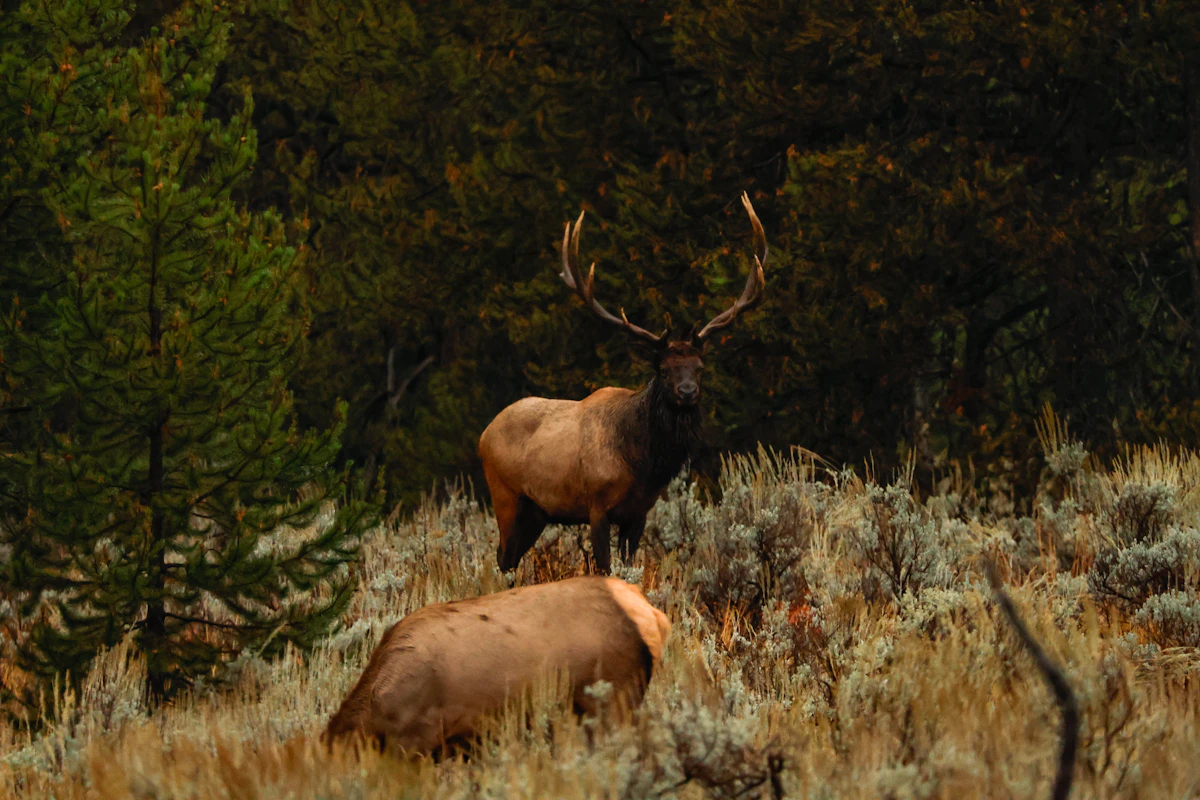
Most western elk hunters believe the best bulls live miles from the nearest trailhead. The reality is far different. Mature elk survive in heavily hunted units by learning human patterns and exploiting terrain features within a mile of roads that most hunters walk right past.
Elk close to roads are not easier to kill. They are more alert, more nocturnal, and more experienced with hunting pressure. But they are also accessible to hunters without peak physical conditioning, and they concentrate in predictable spots once you understand how pressure moves them.
Why Elk Stay Close to Roads
Elk do not flee to the wilderness the moment hunting season opens. They move to areas where they feel safe, and those areas are often closer to roads than you think. Mature bulls survive by reading hunter behavior, not by running ten miles into roadless country.
Roads create a psychological boundary for most hunters. The majority push a half mile to a mile past trailheads, then turn around when they do not see elk. Bulls pattern this behavior within the first few days of rifle season. They bed in thick pockets just outside the pressure zone, knowing hunters will walk past them chasing distant bugles or hiking toward "better" country.
Second, roads provide escape routes. When pressure builds from one direction, elk slip across roads at night and reposition in the next drainage. A mature bull that survives multiple seasons knows every saddle, finger ridge, and creek bottom within his home range, including which ones let him cross roads undetected.
Terrain Features That Hold Pressured Bulls
Elk within a mile of roads rely on micro-terrain to stay hidden. These are not the wide-open parks where you spot herds from a distance. These are the overlooked pockets that require glassing patience and a willingness to hunt the thick stuff.
Finger Ridges and Secondary Drainages
The main drainage everyone hikes into gets pressured hard. The finger ridges running perpendicular to it do not. Bulls bed on the shaded side of these ridges, usually two-thirds of the way up, where they can watch the trail below and slip over the top if pushed. Look for benches with dense timber on north-facing slopes within 800 yards of the main trail.
Saddles and Low Points Between Ridges
Elk do not always bed at high elevation. Saddles that connect two drainages create natural funnels where elk move between feeding and bedding areas. A low saddle a half mile from the road sees more elk traffic at night than the ridgeline above it. Set up above these saddles in the last hour of light or the first hour of morning.
Small Pockets of Dark Timber
Mature bulls do not need acres of cover. A ten-acre pocket of thick lodgepole or spruce is enough if it sits in the right spot. Look for isolated timber patches surrounded by open slopes or aspen groves. Bulls use these as staging areas before moving into larger feeding zones after dark. Glass these pockets hard in the morning as elk return from feeding.
Creek Bottoms and Drainage Heads
The head of a small creek drainage within a mile of the road holds elk that other hunters assume have moved higher. These drainages provide water, cover, and multiple escape routes. Bulls bed in the willows or timber just above the water, where thermals carry their scent uphill and the sound of the creek masks their movement.
Timing Your Hunt Around Pressure Waves
Elk close to roads move in predictable patterns based on when hunters are in the woods. Understanding these pressure waves is more important than knowing where elk were yesterday.
Opening Weekend Push
The first weekend of rifle season creates the biggest pressure pulse of the year. Elk that have been feeding in open parks during archery season disappear. They do not go far. They move into bedding areas a quarter to half mile off the main trails and wait for the chaos to pass. Hunt these bedding areas on Sunday afternoon when most weekend warriors are driving home.
Midweek Lulls
Monday through Thursday see far less pressure in most units. Elk relax and return to feeding patterns closer to roads during these windows. Bulls that were nocturnal on Saturday become visible at dawn and dusk by Tuesday. Plan your vacation days for midweek hunts if you want to target bulls near roads.
Post-Storm Movement
A storm that dumps snow or brings heavy rain resets elk behavior. Bulls that were pressured into thick cover will move back toward feeding areas as soon as conditions improve. The 24 hours after a storm clears is the best time to hunt within a mile of the road, especially if the storm kept hunters out of the woods for a day or two.
Glassing Strategies for Close-In Elk
Finding elk near roads requires different glassing tactics than spotting herds in alpine basins. You are looking for pieces of elk in thick cover, not entire animals in the open.
Glass the Edges
Elk close to roads bed in timber but feed on the edges. Focus your glassing on the transition zones between dark timber and open slopes, especially in the first and last hour of light. A bull standing in the trees ten yards back from an opening is invisible until he steps forward to feed. Glass these edges repeatedly as light conditions change.
Look for Horizontal Lines
A bedded elk's back creates a horizontal line in a landscape of vertical trees. Train your eyes to pick out these unnatural shapes in thick cover. Use your binoculars to slowly scan the shadows under branches and the pockets between tree trunks. Most hunters glass too fast and miss bedded bulls 300 yards away.
Use Thermals to Your Advantage
Morning thermals rise. Glass from below and let your scent blow uphill away from bedded elk. Evening thermals drop. Position yourself above suspected bedding areas and glass down as elk begin moving toward feeding zones. Elk in pressured areas trust their noses more than their eyes.
Hunt Smarter Using TAGZ
Identifying which units have the best road-accessible elk hunting requires more than a gut feeling. TAGZ helps you filter units by terrain characteristics, public land percentages, and historical draw odds so you can focus on areas where hunting close to roads actually produces results.
Use TAGZ to compare units side by side using terrain maps and unit boundaries. See which units have the right mix of accessible roads and huntable public land. Track your preference points and bonus points across multiple states so you can target the best road-accessible elk units when you have enough points to draw.
Whether you are chasing OTC tags or planning a limited-entry hunt, TAGZ gives you the tools to make smarter decisions before you ever step into the field. Filter hunts by weapon type, season dates, and draw odds to find opportunities other hunters overlook.
Calling Pressured Bulls
Elk within a mile of roads hear more calling than elk in the backcountry. Bad calling pushes them deeper into cover. Strategic calling brings them within range.
Use Location Bugles Sparingly
A locator bugle works in unpressured areas. Near roads, it tells every bull within earshot that another hunter just arrived. Limit location bugles to first light when elk are still vocal naturally. After 9 AM, rely on glassing and still-hunting instead of calling.
Cow Call from Thick Cover
A bull that has been pressured will not come charging to a bugle, but he might investigate soft cow calls from inside heavy timber. Position yourself in the thickest pocket you can find near suspected bedding areas. Use light mews and chirps, not aggressive calling sequences. Give the bull 20 to 30 minutes to work in silently.
Mimic Real Elk Movement
Pressured elk listen for the sounds of other elk moving through the woods. Snap a branch occasionally while cow calling. Rake a tree with a stick to imitate antler rubs. These subtle sounds make your calling more believable to a bull that has heard every aggressive bugling sequence in the book.
Still-Hunting Thick Pockets
When glassing fails to locate elk, still-hunting lets you cover ground quietly and check bedding areas up close. This is the most effective method for hunting pressured bulls in thick timber near roads.
Move slowly. Take three to five steps, then stop and glass for two to three minutes. You are not covering miles. You are checking every pocket and bench where a bull might be bedded. Wind direction matters more than distance traveled. Always move into the wind or across it, never with it at your back.
Focus on transition zones between bedding and feeding cover. Bulls bed in the thick stuff but position themselves where they can watch approaches from below. Still-hunt the benches and finger ridges that connect these areas. A mature bull will often bed where he can see 50 yards downhill and slip over the ridge behind him if needed.
Access Points Most Hunters Ignore
Not all roads provide equal access to elk habitat. The most productive access points are the ones other hunters drive past looking for prettier trailheads or more remote entry points.
Unmarked Pullouts and Spur Roads
The official trailhead with the parking lot and wilderness boundary sign gets hammered. The unmarked pullout a quarter mile down the road sees a fraction of the pressure. Look for spur roads that dead-end in small clearings or areas where you can park a truck and walk into huntable country without following a maintained trail.
Road Ends and Turnarounds
The end of a forest service road often provides the best access to elk habitat with the least competition. Most hunters assume if the road goes that far, everyone hunts there. In reality, road ends see light pressure because hunters keep driving until they find a trailhead. Park at the turnaround and hunt the drainages within a half mile.
Low-Elevation Access in High-Elevation Units
In units known for alpine elk hunting, the low-elevation access points near roads get ignored. Mature bulls learn to use these areas during heavy pressure, knowing hunters are focused on the high country. Check the lower third of the unit for road-accessible timber and creek bottoms that hold elk when pressure pushes them out of traditional areas.
Shot Opportunities on Pressured Elk
Elk close to roads do not stand broadside at 200 yards like they do in YouTube videos. They offer quick glimpses through timber, moving shots across openings, or standing partially obscured by branches. Be ready for these opportunities or you will go home empty-handed.
Practice Shooting from Field Positions
A rifle zeroed from a bench rest means nothing if you cannot shoot from sitting, kneeling, or off a tree. Practice these positions before the season. Pressured elk do not wait for you to set up shooting sticks or find the perfect prone position.
Know Your Maximum Effective Range
Shooting through timber requires confidence in your rifle and your ability to place the shot. If you cannot consistently hit a ten-inch circle at 300 yards from field positions, your maximum effective range is not 300 yards. Hunt closer and pass on shots that exceed your skill level.
Take the First Good Shot
A pressured bull that offers a clean shot through an opening is not going to stand there while you wait for a better angle. If the shot is ethical and within your range, take it. Elk near roads do not give second chances.
Reading Sign Near Roads
Fresh elk sign tells you where to focus your hunting effort. Knowing what to look for and how to interpret it separates successful hunters from those who wander aimlessly.
Rubs and Wallows
A cluster of fresh rubs on small trees indicates a bull is working the area. Rubs near roads are usually made at night, but the bull is bedding within a half mile. Follow the rub line to find the direction he is traveling between feeding and bedding areas. Fresh wallows with wet mud and elk hair mean a bull is using the area actively, likely returning every few days.
Tracks and Droppings
Tracks crossing roads at night tell you which drainages elk are using. Fresh droppings in thick timber mean elk are bedding there. The size of the pellets matters less than the moisture content. Soft, moist droppings mean elk were there within the last few hours. Dry, crumbly droppings could be days old.
Feeding Sign
Elk feeding in small openings near thick cover leave cropped grass and disturbed forest floor. Look for areas where the grass is grazed unevenly, with some patches eaten down and others untouched. This feeding pattern indicates elk are nervous and feeding quickly before returning to cover, a sign of pressured animals.
Mental Game of Hunting Pressured Bulls
Hunting elk close to roads tests your patience and your willingness to hunt differently than everyone else. Most hunters fail because they lack the discipline to hunt the same small areas repeatedly and trust their strategy.
Hunt the Same Area Multiple Times
Just because you did not see elk in a drainage on Monday does not mean they are not there. Pressured elk bed in the same pockets repeatedly. Return to productive-looking terrain multiple times throughout the season. Elk move in and out of these areas based on pressure, weather, and time of day.
Trust the Sign Over the Scenery
The prettiest meadow in the unit might hold zero elk if it is getting pounded by hunters. The ugly patch of blowdown timber a half mile from the road might hold the biggest bull in the drainage. Trust fresh sign and terrain features over aesthetic appeal.
Accept That Some Days Are Scouting Days
Not every hunt ends with a kill. Use slow days to learn terrain, find new access points, and identify bedding areas for future hunts. Every hour you spend in elk country increases your odds of success on the next hunt. Hunting close to roads rewards hunters who invest time learning small areas thoroughly.
FAQ — Finding Elk Near Roads
Can you really kill mature bulls within a mile of a road?
Yes. Mature bulls survive by learning hunter behavior, not by running into roadless wilderness. They use terrain breaks and thick cover close to roads to avoid pressure while staying near food and water.
What time of day are elk near roads most active?
Elk close to roads are most active at night, especially after opening weekend. Your best shot opportunities are the first hour of morning and the last hour of evening when they move between bedding and feeding areas.
Do elk cross roads during hunting season?
Elk cross roads regularly at night to move between drainages and escape pressure. Look for fresh tracks on roads in the morning to identify which areas elk are using. They rarely cross during daylight in heavily hunted units.
How do you hunt pressured elk without spooking them?
Hunt into the wind, move slowly, and focus on glassing instead of covering ground. Pressured elk rely on their noses and their knowledge of human patterns. Hunt the pockets other hunters ignore and avoid midday movement in bedding areas.
What terrain features hold elk closest to roads?
Finger ridges, secondary drainages, saddles, and isolated timber pockets hold pressured elk near roads. These features provide cover, multiple escape routes, and allow elk to monitor hunter movement without being seen.
Are OTC units too pressured to hunt near roads?
OTC units have more pressure, but they also have elk that adapt to it. Focus on midweek hunts, hunt thick cover instead of open parks, and avoid the most popular trailheads. Plenty of hunters kill bulls in OTC units within a mile of roads every season.
Continue Planning Your Hunt
Hunting elk close to roads is not about taking shortcuts. It is about understanding how pressure moves elk and exploiting terrain features other hunters overlook. Whether you are targeting OTC units or applying for limited-entry tags, the same principles apply.
TAGZ helps you compare units side by side using terrain maps, unit boundaries, and historical draw data. Track your preference points and bonus points across multiple states so you never miss a draw deadline. Filter hunts by weapon, season, and species to find opportunities that match your hunting style and physical ability.
Whether you are chasing OTC tags or planning a trophy limited-entry hunt, TAGZ gives you the tools to make smarter decisions before you ever step into the field. Learn more about how TAGZ simplifies western hunting applications and hunt planning at getmytagz.com.
For more elk hunting strategies, terrain analysis, and draw system breakdowns, explore the full library of articles on the TAGZ Insights page. Ready to start building your hunt strategy? Check out TAGZ pricing options and see how the platform helps you track deadlines, analyze draw odds, and filter thousands of hunts across the West.
Was this article helpful?
Previous
Best Budget Elk Calls — Proven Options for Under $40
You do not need expensive gear to call in a bull. These budget elk calls under $40 deliver proven performance for bugle tubes, diaphragms, and cow calls without breaking the bank.
Next
Complete Guide to Whitetail Hunting: Strategies, Tactics & Year-Round Planning
Master whitetail hunting with proven strategies for scouting, stand placement, rut tactics, and shot selection. This complete guide covers everything from pre-season preparation to post-season evaluation for consistent success on whitetail deer.