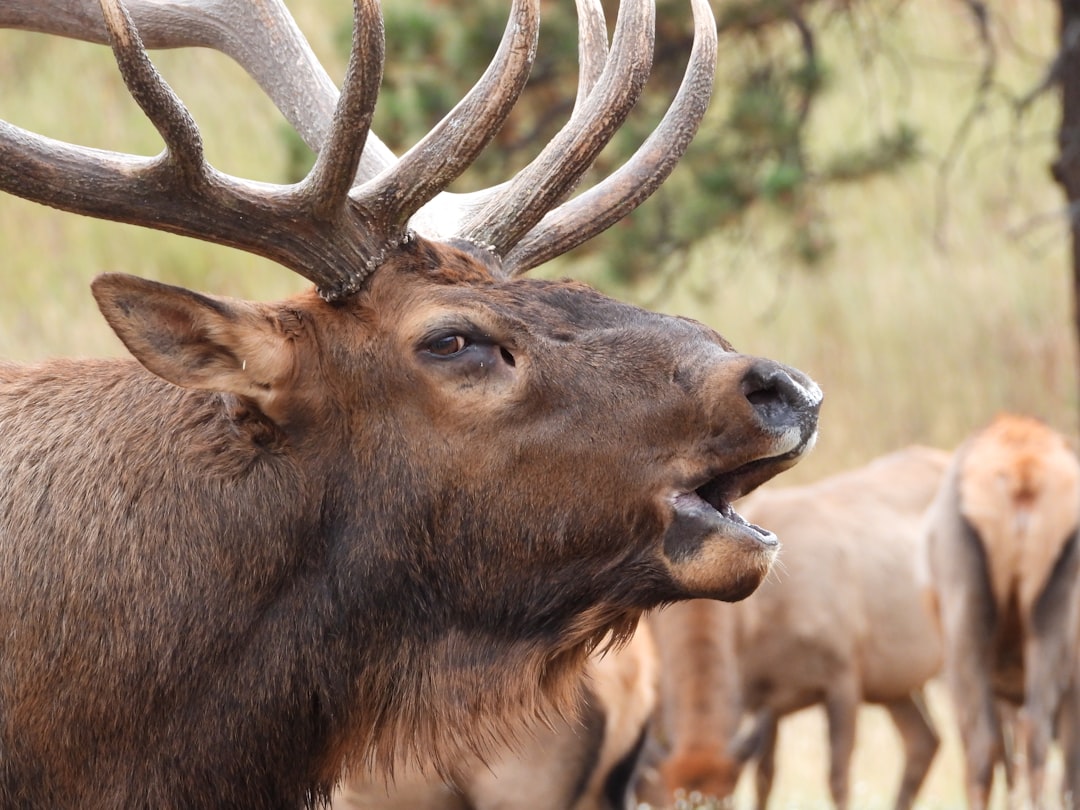
How Professional Guides Find Bulls Fast — Proven Elk Scouting Methods
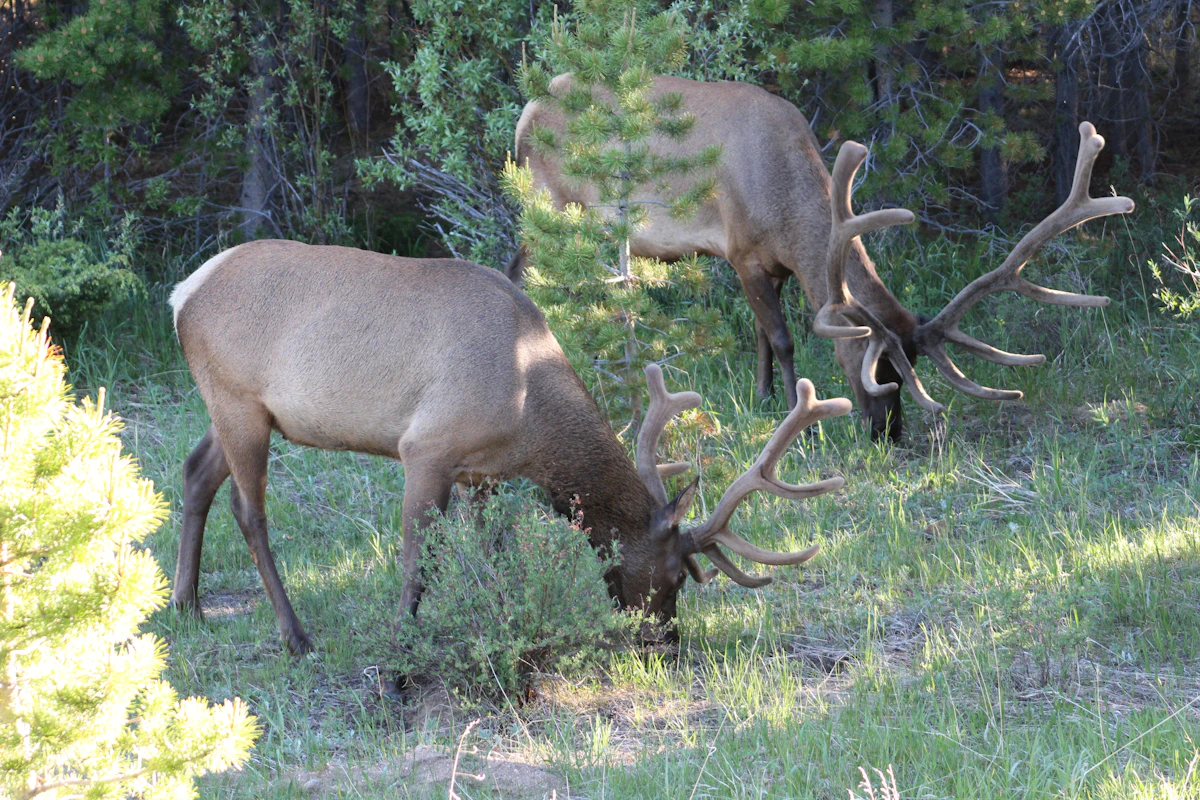
Professional elk guides don't stumble onto bulls by accident. They follow a systematic process built on terrain reading, decades of field observation, and brutal efficiency. While most hunters wander drainages hoping to glass a distant herd, guides use terrain features to predict exactly where elk will be — then confirm it in minutes with strategic glassing.
The difference isn't luck or local knowledge. It's method. Guides run the same mental checklist on every new ridge, drainage, and basin they scout. That checklist eliminates 80% of available habitat before they ever raise their binoculars. What's left gets dissected with a glassing grid that reveals elk sign invisible to rushed sweeps. Here's how they do it.
Terrain Analysis Comes First
Guides don't glass everything. They glass predictable zones based on three terrain factors: security cover, feed quality, and water proximity. Elk aren't randomly distributed across the landscape. They congregate where all three overlap — typically on north-facing slopes with mature timber, adjacent to parks or meadows, within a quarter-mile of seeps or creeks.
Before stepping out of the truck, experienced guides scan topographic maps for convergence zones. They look for timbered benches that break steep slopes, saddles connecting feeding and bedding areas, and finger ridges that allow elk to move between elevations without exposing themselves in open country. These features show up on OnX or GAIA long before boots hit the ground.
Once they identify high-probability areas, guides plan glassing positions that cover multiple drainages simultaneously. They're not hiking into the elk. They're positioning above them, using optics to eliminate water sources, wallows, and meadow edges one grid at a time. A single morning glassing session from a strategic ridgetop can rule out or confirm elk presence across 2,000 acres.
TAGZ helps hunters replicate this approach by layering terrain data, public land boundaries, and unit maps into a single planning tool. You can identify convergence zones, mark glassing positions, and build a hit list of drainages before you ever apply for a tag — the same pre-season work guides get paid to do.
Glassing Grids Replace Random Sweeps
Most hunters glass like they're watching a movie — a slow pan across distant hillsides, hoping something moves. Guides glass in grids. They divide visible terrain into overlapping sections, then methodically work through each zone at different magnifications. Nothing gets skipped. Nothing gets rushed.
The process starts with naked eye observation to catch movement or color contrast — a tan rump patch against dark timber, the flicker of an antler tine in morning sun. Then 10x binoculars on a tripod to confirm shapes and textures. Finally, a spotting scope at 30–45x to age bulls, count cows, and determine herd behavior. Each magnification serves a purpose. Skipping straight to the spotter wastes time and misses the obvious.
Guides also glass backwards. After working a drainage from top to bottom, they reverse the sequence and glass from the valley floor upward. Elk bedded on timbered benches often disappear when viewed from above due to overhead canopy, but their legs, bellies, or antler tips become visible when viewed from below at a flatter angle. A second pass catches what the first missed.
Timing matters. Early morning and late afternoon are feeding periods when elk move into open parks and meadows — the easiest time to locate herds. Mid-morning, guides shift focus to bedding zones along timbered ridge spines and dark-timber pockets where bulls retreat after feeding. Each time window requires different glassing locations and a different mental map of where elk should be.
Sign Interpretation Confirms Patterns
Guides don't just look for elk. They look for evidence of elk — and they read it like a timeline. Fresh rubs on aspen or pine saplings indicate rutting activity within the last 48 hours. Torn bark at eye level means a mature bull. Lower rubs suggest younger satellite bulls shadowing the herd.
Wallows tell even more. A muddy depression with fresh tracks, urine scent, and wet ground means a bull is claiming that wallow as a rutting hub. Guides check wallows at midday when elk aren't visible, then return at dawn or dusk to glass surrounding timber. Bulls rarely wallow more than 400 yards from bedding areas during peak rut.
Track size and gait reveal bull behavior. A single track line moving uphill at a steady pace indicates a lone bull heading to a bedding area. Multiple track lines converging on a wallow or meadow edge suggest a herd gathering point. Guides use this information to position themselves along travel corridors instead of chasing elk through heavy cover.
Droppings and elk pellets offer freshness indicators. Wet, soft pellets mean elk passed through within hours. Dry, cracked pellets mean the sign is a day or more old. Guides don't waste time on cold trails. They move to the next drainage and start the glassing grid again.
Platforms like TAGZ compile unit harvest data, terrain layers, and historical success rates so hunters can focus scouting efforts on drainages where bulls are actually present — not where they were five years ago. That data filter is the digital version of a guide's experience.
Bedding Area Patterns Are Predictable
Elk bed in the same types of terrain across every Western state: dark timber on north-facing slopes, benches 50–200 feet below ridgetops, and saddles connecting feeding and bedding zones. Bulls want thermal updrafts carrying scent from below, overhead cover blocking aerial predators, and quick escape routes into thick timber or off the back side of a ridge.
Guides identify bedding areas by walking ridge spines and glassing down into adjacent timber. They're not looking for elk. They're looking for beds — oval depressions in duff or grass where elk compress vegetation while resting. A cluster of fresh beds indicates a herd bedding area. A single large bed set apart from the others marks a mature bull's preferred spot.
Once a bedding area is confirmed, guides don't push into it. They mark it on GPS, note the wind direction, and plan a setup location downwind where they can intercept bulls moving between bedding and feeding zones at dawn or dusk. Bumping bedded elk scatters the herd and makes them nocturnal. Patience wins.
Mature bulls often bed alone or with one or two raghorns, separate from the main cow herd. These loner bulls pick the nastiest, thickest cover — blowdown tangles, Doug fir thickets, or steep shale slides where hunters won't follow. Guides glass these marginal zones specifically because most hunters ignore them.
Calling Strategies That Trigger Responses
Guides use calling sparingly and strategically. They don't blast cow calls or bugles hoping for a response. They listen first, then match the tone, cadence, and volume of the bull they're targeting. A fired-up herd bull gets aggressive bugles and raking sounds. A quiet satellite bull gets soft cow chirps or a single estrous mew.
Location bugles at first light serve one purpose: confirm a bull's position before he beds. Guides bugle from a glassing point, wait five minutes, then move 200 yards and bugle again. If a bull responds twice from the same location, he's likely holding cows in a bedding area. If he moves between responses, he's traveling — an opportunity to cut him off.
Mid-morning calling targets bedded bulls. Guides position downwind of a known bedding area and use soft cow calls or a single bugle to mimic a rival bull moving through the territory. Mature bulls often respond with a warning bugle but won't leave their beds. That response confirms the bull's exact location, allowing guides to plan an evening ambush along his exit route to feeding areas.
Over-calling is the fastest way to educate elk. Guides limit calling sessions to 10–15 minutes, then move or go silent for an hour. Elk pattern repetitive sounds quickly, especially in heavily hunted units where they've heard every mouth call and electronic device made. Silence and patience kill more bulls than constant noise.
Weather and Wind Dictate Daily Strategy
Guides adjust their entire approach based on weather. High pressure and calm winds mean elk stay bedded longer and move less during daylight. Guides focus on glassing bedding zones and water sources instead of feeding areas.
Storm fronts and dropping temperatures trigger movement. Elk feed aggressively before weather hits, making mornings and evenings the most productive glassing windows. Guides prioritize high-country basins and alpine parks during these periods because elk move into the open to feed before the storm pushes them downslope into heavy timber.
Wind direction controls setup locations. Guides never glass or call from upwind positions. They use terrain to funnel their scent away from known bedding and feeding areas, even if it means taking a longer approach or glassing a drainage from the opposite ridge. A single wind mistake educates an entire herd and makes them nocturnal.
Snow changes everything. Fresh snow reveals elk travel patterns, rut activity, and exact bedding locations that were invisible on dry ground. Guides hit the field at first light after a snow event to track herds back to their bedding areas, then plan setups for the following morning when elk repeat the same route.
Multi-State Scouting With Limited Time
Guides who work multiple states don't scout every unit in person. They use topographic analysis, trail camera data from previous seasons, and harvest reports to narrow focus areas before stepping into the field. Digital platforms like TAGZ compress this process by centralizing unit maps, terrain layers, and draw odds into a single dashboard.
Hunters applying across several states face the same time crunch. Pre-season e-scouting identifies high-probability drainages, glassing positions, and public land access points without burning vacation days on speculative road trips. Once you draw a tag, you're scouting known elk habitat instead of gambling on guesswork.
Successful guides treat every scouting trip as a data collection mission. They note bedding areas, feeding zones, rub lines, and wallow locations on GPS. That information compounds season after season, building a library of elk patterns that holds true regardless of annual weather variation. You can replicate that system by marking waypoints, uploading photos, and tagging observations in mapping apps.
The goal isn't to find every bull in the unit. It's to identify three or four high-probability drainages where elk are present, predictable, and accessible within your fitness level and hunting style. Guides focus their effort instead of spreading it thin — and they kill bulls because of it.
FAQ — How Guides Find Bulls Fast
What's the single most important skill for finding elk quickly? Terrain reading. Guides eliminate 80% of habitat before glassing by focusing only on zones where security cover, feed, and water overlap — typically timbered benches near meadows or parks.
How do guides know where to glass without hiking everywhere? They use topographic maps to identify convergence zones, then position on ridges that allow them to glass multiple drainages simultaneously. One morning session can cover 2,000 acres.
Do guides rely on trail cameras? Some do for pattern confirmation, but most rely on glassing grids, sign interpretation, and terrain analysis. Trail cameras work on travel corridors and wallows, but mature bulls often avoid them.
What time of day is most productive for locating bulls? Early morning and late afternoon when elk move into feeding areas. Mid-morning focuses on glassing bedding zones where bulls retreat after feeding.
How do guides avoid spooking elk while scouting? They stay downwind, glass from ridges instead of pushing into drainages, and avoid bumping bedding areas. Once a bedding zone is confirmed, they mark it and plan setups along travel corridors.
Can a DIY hunter replicate a guide's scouting strategy? Yes. Use topographic maps to identify high-probability terrain, glass systematically instead of randomly, and focus on sign interpretation over hiking miles. Platforms like TAGZ centralize unit data so you can pre-scout before boots hit the ground.
What's the biggest mistake hunters make when scouting? Random wandering instead of methodical glassing. Most hunters hike drainages hoping to bump into elk. Guides position strategically, glass grids, and let optics do the work.
How does weather change a guide's scouting strategy? Storm fronts trigger feeding activity, so guides focus on meadows and parks. High pressure means elk bed longer, shifting focus to timbered benches and water sources. Wind direction dictates every setup location.
Was this article helpful?
Previous
Best Crossbows for Whitetail Deer Hunting in 2025
Choosing the right crossbow can make or break your whitetail season. This guide breaks down the top crossbows for different hunting styles, budgets, and state regulations, helping you find the perfect setup for treestand, ground blind, or spot-and-stalk hunting.
Next
Complete Beginner's Guide to Elk Calling — Master the Basics
Learn the fundamentals of elk calling from bugle basics to cow calls. This guide covers when to call, which sounds to use, and common mistakes that spook bulls instead of bringing them in.