Utah Nonresident Mule Deer Draw Odds 2027: Units, Points & Strategy
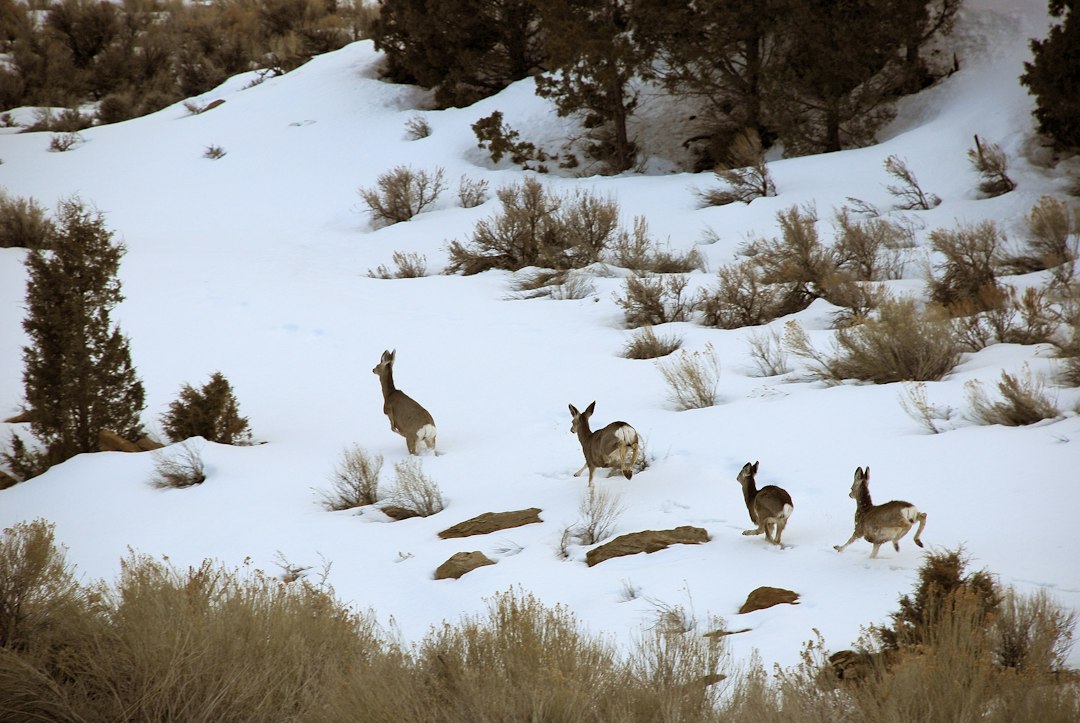
Utah's nonresident mule deer draw splits into two distinct opportunity tiers: premium limited-entry units where mature bucks thrive but point requirements stretch into double digits, and general-season units offering solid hunting with minimal or zero points. For 2027, nonresidents face a 10% quota cap on most limited-entry permits and compete within a bonus-point system that rewards patience but still allows first-year applicants a mathematical chance. The state's consistent tag allocation and transparent draw reports make Utah one of the more predictable Western mule deer draws, but competition has intensified as point creep pushes top-tier units further out of reach for hunters just entering the system.
Limited-Entry Units: The Long Game
Utah's premier mule deer units — Paunsaugunt, Henry Mountains, San Juan Elkridge — consistently produce Boone & Crockett caliber bucks and draw hunters willing to accumulate points for a decade or longer. Paunsaugunt's any-weapon hunt typically requires 18-20 bonus points for nonresidents to draw with reasonable odds, while the Henry Mountains hover around 15-17 points depending on weapon choice. San Juan Elkridge, Book Cliffs, and Southwest Desert units fall into the 10-15 point range, offering slightly faster timelines while still delivering quality buck hunting. These units receive intense pressure from resident and nonresident applicants alike, and the 10% nonresident cap means only a handful of tags go to out-of-state hunters each year. For perspective, Paunsaugunt's any-weapon muzzleloader hunt might issue three to five nonresident tags total.
Bonus points in Utah do not guarantee a tag — they square your chances in the draw. A hunter with 10 points has 100 entries (10 squared), while a hunter with 15 points has 225 entries. This system favors long-term applicants but never fully locks out newcomers. First-year applicants still draw limited-entry tags in units with lower demand, particularly on late-season or archery hunts where fewer hunters apply. If you are starting from zero points in 2027, focus on mid-tier units like Nine Mile, Cache, or Wasatch Mountains rather than chasing Paunsaugunt or the Henrys.
General-Season Units: Accessible Hunting
Utah's general-season mule deer hunts are not true over-the-counter tags — they still require drawing a permit — but odds remain favorable for hunters with zero to five points. The state divides general seasons into regions (Northern, Central, Southeast, Southwest, etc.), and nonresidents may draw these tags with relatively low point totals depending on weapon and timing. Archery general-season hunts often draw with zero or one point, while any-weapon rifle hunts may require two to four points in popular regions. Late-season hunts, particularly those running into November, tend to draw more applicants due to rut activity and better weather, pushing point requirements slightly higher.
General-season success rates vary by region and weapon. Northern and Central regions see moderate hunting pressure and lower buck-to-doe ratios, while Southeast and Southwest regions offer more remote country and potentially better age-class structure. Utah's general-season hunts are not trophy-focused — expect mature 3x4 and 4x4 bucks rather than 180-inch giants — but public-land access is abundant, and DIY hunters who commit to scouting can find solid opportunities. If you are new to Utah or testing the waters before committing points to a limited-entry unit, a general-season tag provides a realistic entry point.
Nonresident Quota & Application Strategy
Utah caps nonresident participation at 10% for most limited-entry hunts, though general-season hunts follow a separate allocation formula. This quota applies unit by unit, so a high-demand unit issuing 30 total tags will allocate only three to nonresidents. The remaining tags go to residents, who also compete in a bonus-point draw. Nonresident odds lag behind resident odds in nearly every unit, and the gap widens as point requirements climb. A resident with 12 points may draw a tag that a nonresident with 15 points still misses.
Utah allows applicants to list up to five choices on a single application. Your first choice receives priority — the system evaluates all first-choice applications before moving to second choices. This structure rewards strategic choice ordering. Place your dream unit in the first slot if you have competitive points, then list progressively easier units in slots two through five to maximize your chance of drawing something. Avoid the temptation to list five ultra-premium units if you lack the points to draw any of them — you will burn a year and a point application fee with nothing to show. Instead, balance aspiration with realism: one or two reach units, two mid-tier backups, and one near-certain draw as your fifth choice.
Weapon Choice & Season Timing
Utah offers archery, muzzleloader, and any-weapon rifle hunts across both limited-entry and general-season categories. Archery hunts generally require fewer points due to lower applicant numbers, but they demand higher skill and often coincide with hot, dry conditions before the rut kicks in. Muzzleloader hunts fall between archery and rifle in both point requirements and season timing, frequently overlapping early rut behavior in late September. Any-weapon rifle hunts draw the heaviest competition and the highest point requirements, but they offer the longest effective range and the best weather for spot-and-stalk hunting.
Season timing also affects point requirements and hunt quality. Early archery hunts (mid-August) see bucks in summer patterns and velvet, while late archery hunts (early September) catch the beginning of rut activity. Muzzleloader hunts run late September into early October, prime rut timing on many units. Rifle hunts vary from mid-October general seasons to late-October limited-entry hunts that coincide with peak rut chasing. Late-season hunts (November) push bucks into winter ranges and lower elevations, concentrating animals but also concentrating hunters. Match your weapon proficiency and hunt-quality priorities to the season that fits your skill set and point total.
Free to join
Download mobile app
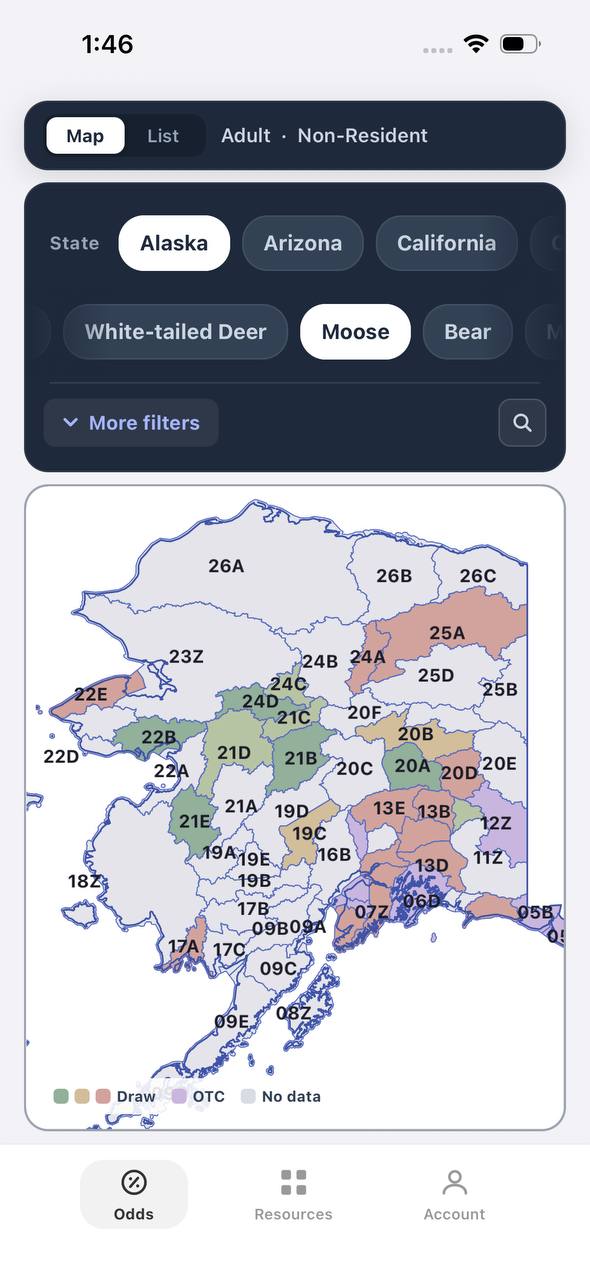
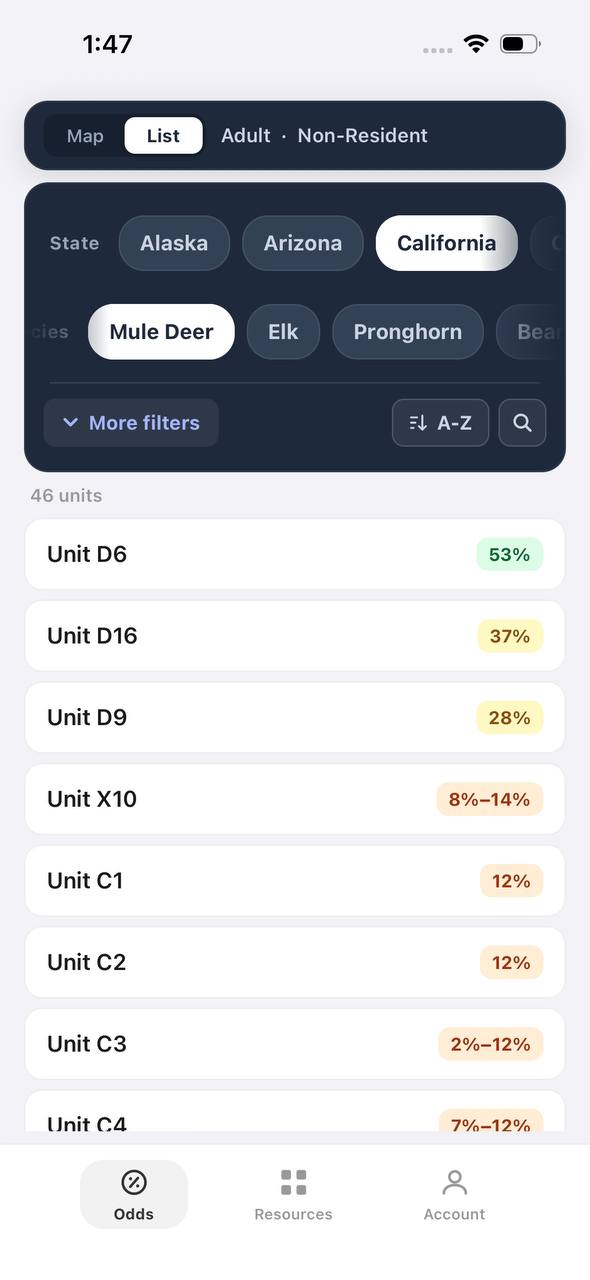
- Detailed draw odds
- Point tracking
- Deadline reminders
- 19 states covered

Free to join
Download mobile app
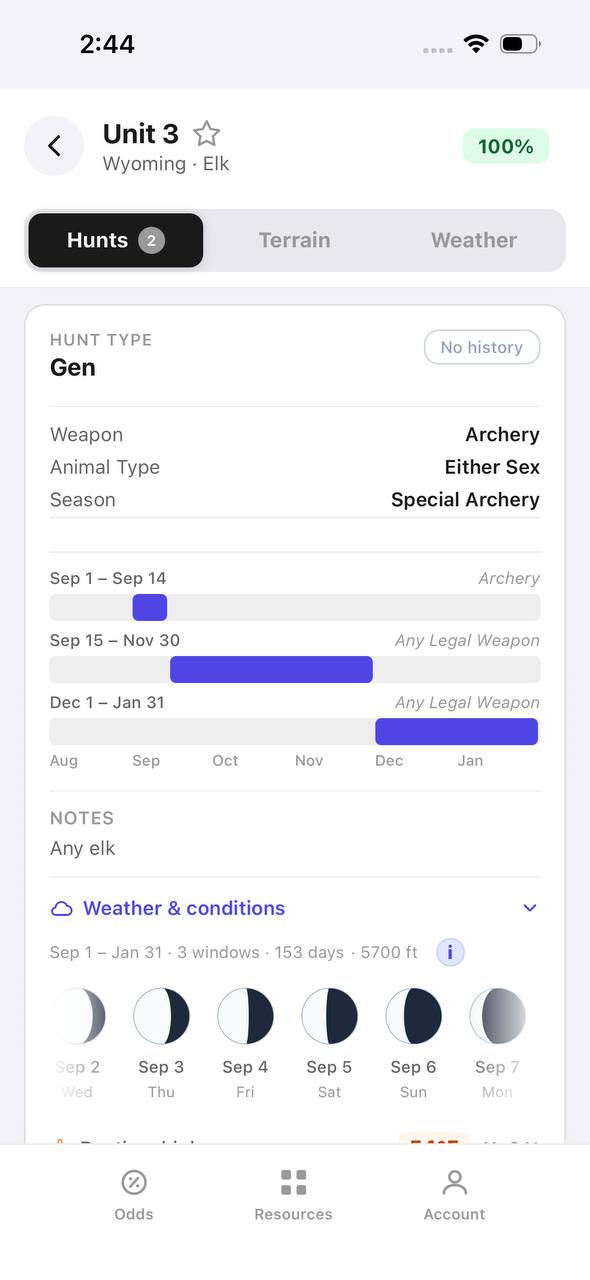
- Detailed draw odds
- Point tracking
- Deadline reminders
- 19 states covered
Free to join
Download mobile app
- Detailed draw odds
- Point tracking
- Deadline reminders
- 19 states covered
Point-Building vs. Drawing Now
Utah's bonus-point system creates a strategic choice: apply for a premium unit and build points while unlikely to draw, or apply for a unit you can draw now and use your points. There is no right answer — the decision depends on your age, hunting timeline, and willingness to wait. Hunters in their 20s and 30s can afford to build points for a decade and target Paunsaugunt or the Henrys in their peak hunting years. Hunters in their 50s or 60s may prefer to draw a mid-tier limited-entry tag or a quality general-season hunt within the next two to three years rather than gambling on drawing a premium tag before physical ability declines.
Point creep — the annual increase in points required to draw a given unit — compounds the waiting game. A unit that drew at 12 points five years ago may now require 15 points, and by the time you reach 15, it may require 18. This trend affects every competitive Western state, and Utah is no exception. If you are entering the Utah draw for the first time in 2027, do not assume that current point requirements will hold steady. Build points conservatively, monitor draw odds annually, and be ready to pull the trigger on a good unit when your points align with realistic odds rather than waiting indefinitely for a dream tag that may never come.
How to Research Draw Odds
Utah publishes detailed draw-odds reports on the DWR website, broken down by hunt number, weapon, residency, and point level. These reports show how many applicants applied at each point level and how many drew, allowing you to calculate exact odds for any combination. For example, if 50 nonresident applicants with 10 points applied for a hunt and five drew, your odds with 10 points were 10%. Cross-reference multiple years of data to identify trends — units with stable odds versus units experiencing point creep or declining tag numbers.
Pay attention to hunt codes. Utah assigns a unique hunt number to every unit and weapon combination, and mixing up codes can land you in the wrong hunt. Double-check the hunt-code table in the proclamation against the codes in your application before submitting. Also note that Utah's draw odds report includes all applicants, including those who applied with group applications or landowner permits. Filter your analysis to solo nonresident applicants at your point level for the most accurate picture of your personal odds.
FAQ — Utah Nonresident Mule Deer Draw
How many bonus points do I need for a premium Utah mule deer tag?
Premium units like Paunsaugunt and the Henry Mountains typically require 15-20 bonus points for nonresidents. Mid-tier limited-entry units may draw at 8-12 points, while general-season hunts often draw with zero to four points.
Does Utah use preference points or bonus points for mule deer?
Utah uses a bonus-point system, not preference points. Each bonus point is squared to create additional entries in the draw, so 10 points equals 100 chances. This gives long-time applicants a strong advantage but does not guarantee a tag.
Can I draw a Utah mule deer tag with zero points as a nonresident?
Yes. General-season archery hunts and some general-season rifle hunts draw regularly with zero or one point. Limited-entry units are far less likely, but the bonus-point system allows a mathematical chance even for first-year applicants.
What is the nonresident quota for Utah mule deer hunts?
Utah caps nonresident participation at 10% for most limited-entry hunts. General-season hunts follow a separate allocation formula. The quota applies unit by unit, so a hunt with 30 tags allocates approximately three to nonresidents.
Should I apply for a limited-entry or general-season hunt?
If you have fewer than five points, target general-season hunts or low-demand limited-entry archery hunts. If you have 8-12 points, consider mid-tier limited-entry units. If you have 15+ points, you can compete for premium units, but expect heavy competition and no guarantees.
When is the Utah mule deer application deadline?
Utah's big-game application period typically runs from late January through early March, with the deadline falling in early to mid-March. Verify the exact date on the Utah DWR website each year, as deadlines occasionally shift.
Utah's mule deer draw rewards both patience and pragmatism. Nonresidents chasing premium tags need double-digit points and a willingness to wait, while hunters seeking immediate opportunity can find accessible general-season tags with minimal investment. Study the draw-odds reports, choose your weapon and season thoughtfully, and align your expectations with your point total. For more on Western draw strategy, see Understanding Western Big Game Draw Systems and How to Use Draw Odds to Plan Your Hunt.
Was this article helpful?
Previous
Washington Rifle Elk Hunting 2027: Units, Draws, and Success Strategies
Washington offers both general and special permit rifle elk hunts across diverse terrain, from Cascade alpine basins to eastside ponderosa forests. Success hinges on unit selection, realistic draw expectations, and adapting tactics to heavily timbered public land.

Related
Washington Mule Deer Draw Odds 2027: Full Analysis & Application Strategy
Washington mule deer controlled hunts require anywhere from 0 to 15+ preference points in 2027, with eastern units seeing the heaviest competition and Columbia Basin hunts offering the best odds for newer applicants.
Next
Washington Guided Roosevelt Elk Hunts 2027: Tags & Outfitters
Washington's Roosevelt elk hunts offer exceptional opportunities for guided hunters targeting the largest-bodied elk subspecies in North America. Quality tags are available through controlled hunts, with top outfitters operating on the Olympic Peninsula and Cascade foothills.