OTC Alternatives Explained
There was a time you could just buy a tag and go. No planning, no points, no waiting. If you wanted to hunt elk, you grabbed an OTC tag and made it happen.
That’s not the reality anymore.
OTC isn’t gone, but it’s shrinking fast. More hunters, more pressure, and tighter management have changed how states handle tags. What used to be wide open is now getting controlled, and that shift isn’t slowing down.
If your entire plan is built around OTC, you’re going to feel it.
The reason is simple—too many people started doing the same thing. As access to maps, draw data, and online content exploded, more hunters started heading west. Units that used to spread people out started getting hit harder and harder.
Same trailheads. Same drainages. Same spots everyone heard about.
That kind of pressure breaks an open system. Animals adjust, success drops, and agencies step in to fix it the only way they can—by limiting tags.
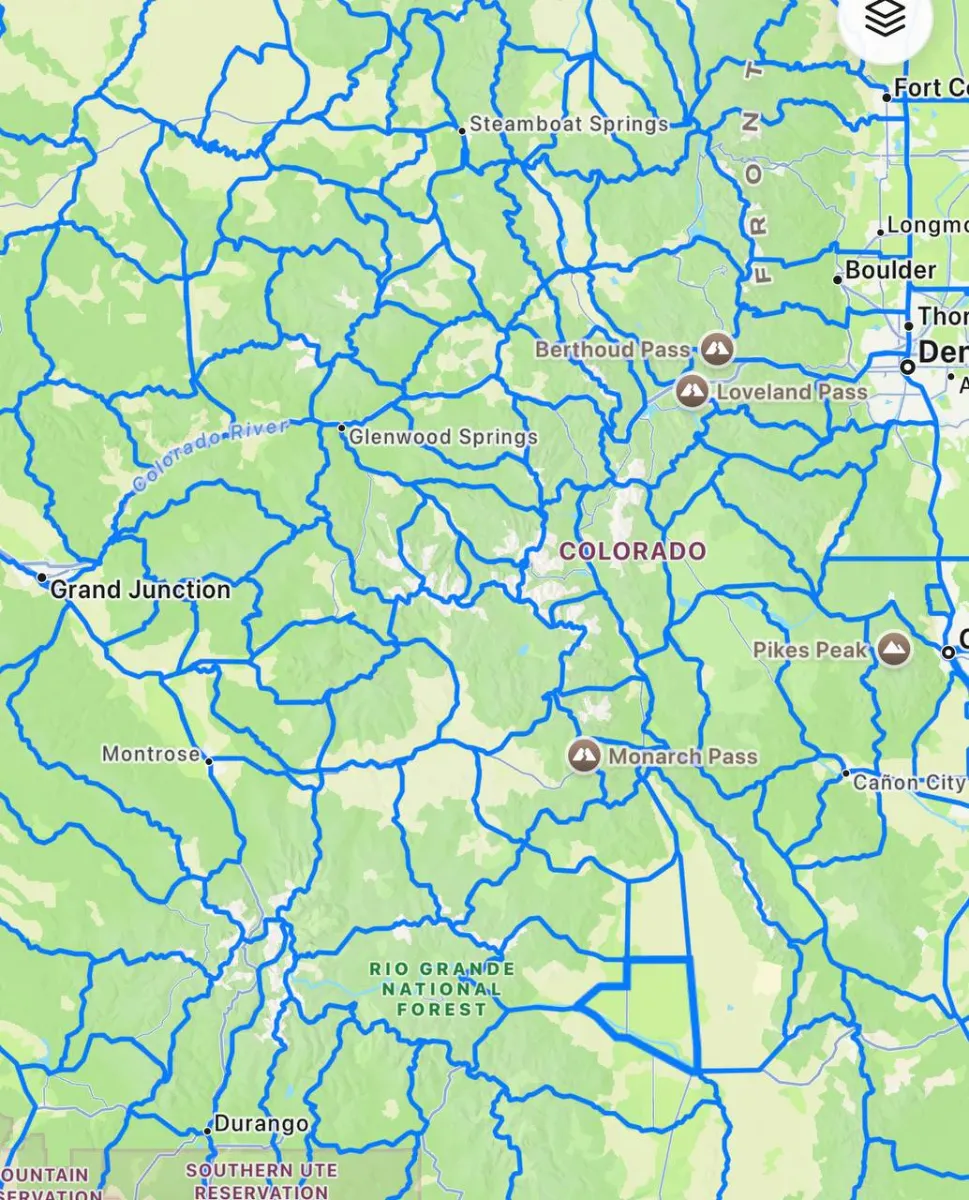
That’s why you’re seeing states tighten things up. Idaho moved nonresident elk and deer tags into a draw. Colorado has already started cutting back OTC opportunity and restructuring seasons to control pressure.
And more states are heading the same direction.
That doesn’t mean opportunity disappeared—it just moved.
There are still ways to hunt every year, but they don’t look like they used to. You’re not just buying a tag anymore—you’re working for one. That’s the shift.
Leftover tags are one of the closest things to old OTC. These are tags that didn’t get picked up in the main draw. Some states release them in draws, others first-come, first-served. Either way, they’re still out there.
But you have to be ready.
They go fast, and if you’re late, you miss them. The guys who treat leftover tags as part of their plan—not a last resort—are the ones still getting into the field.
Secondary draws fall into that same category. They’re still a draw, but the pressure is lower and the odds are better. A lot of hunters don’t even pay attention to them, which is exactly why they work.
If you’re willing to be flexible, they can save your season.
The other shift is toward opportunity states. Places that still give you a real shot every year, even if it’s not the easiest path. Colorado still has accessible options through its draw and leftover system. Idaho, even with changes, is still a random draw with no points. New Mexico stays one of the best because it’s completely random.
These are the states that keep you hunting.
The guys who are still getting out every year aren’t relying on one option—they’re stacking these together. A little here, a little there, and suddenly you’ve got multiple chances instead of one.
That’s how you replace OTC.
Another thing that’s changed is where the opportunity sits. It’s not in the top-tier units everyone talks about. It’s in the middle. Mid-tier units are where most hunters should be looking now.
Solid animal numbers, less hype, better odds.
You might not be chasing the biggest bull on the mountain, but you’re hunting—and that’s what matters if your goal is consistency.
Timing matters more now too. Early season still draws the most attention. Better weather, more activity, more excitement. That’s where demand stacks up.
Later hunts don’t get the same interest. Conditions are tougher, but so is the competition. If you’re willing to deal with that, your odds improve.
Flexibility opens doors.
The biggest change, though, is mindset. The old system was simple—buy a tag and go. The new system takes planning. Multiple states, different options, backup plans already in place.
You’re not relying on one path anymore.
The guys who stay consistent are the ones who built a system around this. They’re watching leftover releases, tracking secondary draws, and applying across states. They’re not guessing—they’re prepared.
That’s what keeps them hunting.
Where most people mess this up is holding onto the old way. They expect OTC to still be there like it used to be. They don’t adjust, and when they don’t draw or can’t buy a tag, the season’s gone.
Others ignore the new opportunities sitting right in front of them because it’s not as simple as it used to be.
That’s the tradeoff.
At the end of the day, OTC isn’t disappearing because hunting is going away. It’s disappearing because too many people relied on it, and the system had to change.
Opportunity didn’t vanish—it just moved into a system that requires a little more effort.
If you adapt, you’ll still hunt every year.
If you don’t, you’ll spend more time waiting than you will in the field.
Was this article helpful?
Previous
Planning a Western Hunt
A successful western hunt plan includes multiple states, a mix of opportunity and point strategies, and backup options so you can hunt every year.
Next
Best Mule Deer Units in Arizona (2026) — Where the Big Bucks Actually Come From
The best Arizona mule deer units are the Strip (13A, 13B) and Kaibab (12A West/East), with 3A/3C and 27 as strong secondary options. Residents have better odds, while non-residents face a longer wait.