Understanding Migration Corridors: The Key to Western Big-Game Success
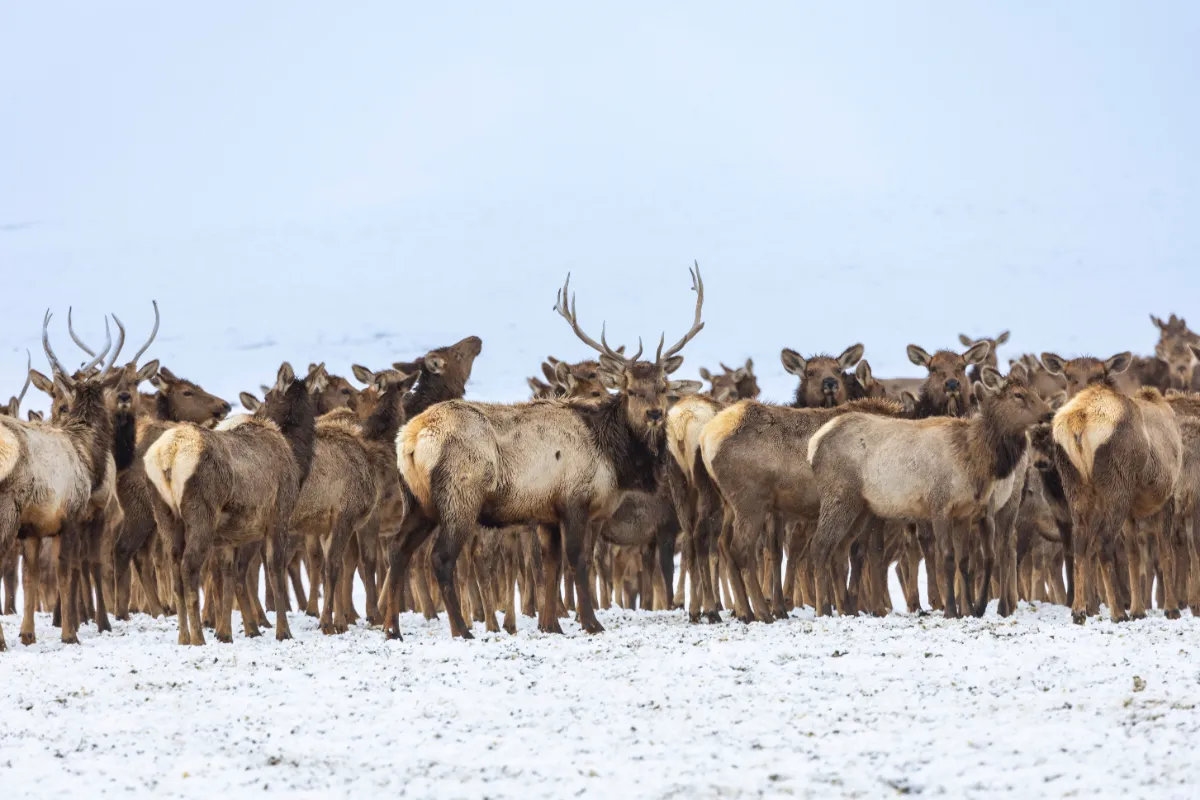
If you want to consistently find elk, mule deer, or pronghorn in the West, understanding migration corridors is one of the smartest moves you can make. These routes aren’t just lines on a map; they’re the highways animals use to move between summer and winter ranges, and knowing how, when, and why they use these paths can make or break your 2026 hunting season.
What Exactly Is a Migration Corridor?
Migration corridors are seasonal paths that big-game herds travel as they follow food, water, and shelter. In places like Wyoming and Colorado, elk and mule deer might summer in high-country basins and then drop thousands of feet to winter ranges. These corridors are shaped by topography, tradition (passed down through generations), and sometimes by human barriers like highways or subdivisions. If you figure out the key migration bottlenecks and timing in your unit, you’ll usually find animals — and sometimes, a lot of other hunters trying to do the same.
Pressure, Terrain, and Access: The Corridor Equation
Here’s the honest truth: migration corridors attract both animals and hunters. That means you’ll face more pressure, especially in OTC units or during the peak of the migration. Animals often move at night or stick tight to cover, and smart bulls and bucks have learned to avoid obvious crossings during daylight.
Terrain is everything. Corridors might be narrow strips of timber between open ag fields, steep creek bottoms, or sagebrush benches. Access is another big factor. If a corridor cuts through private or landlocked ground, your options shrink fast. Public access points can get crowded, so plan to either get there early, go farther than most, or focus on overlooked “secondary” corridors that see less pressure.
Scouting and Strategy — How to Hunt Migration Corridors
Scouting is king. Use mapping tools (like the unit overlays on TAGZ) to identify likely corridors by connecting summer and winter range polygons, then ground-truth them with boots on the ground or trail cams. Look for well-worn game trails, fresh tracks, and droppings. Pay attention to weather — an early snow can kickstart migration, while a mild fall might stall it.
When it’s game time, hunt the edges. Set up where cover meets open travel lanes or at natural pinch points. Be patient and glass a lot. Animals using these routes are moving; you might only get a short window. Remember, migration hunts are all about timing and persistence. Don’t expect every day to be action-packed, and don’t be surprised if corridors that were hot last year are quiet this time around. Adaptability is key.
How TAGZ Makes Corridor Planning Easier
Sorting through public maps, migration updates, and access info can get overwhelming fast. That’s where TAGZ comes in. The platform lets you overlay migration corridors, compare draw odds, and analyze unit access in one spot. It takes a lot of the guesswork out of planning, so you can focus on boots-on-the-ground scouting and making a good hunt plan for 2026.
FAQ: Migration Corridor Hunting
How do I know when migration is happening in my unit?
- Watch for early snow, cold snaps, and local reports. State wildlife agencies often provide updates during peak periods.
Are all migration corridors crowded with hunters?
- Not always. Main corridors can get busy, but secondary routes or less obvious funnels often see less pressure.
Do animals always use the same corridors year after year?
- Usually, but big weather swings, fires, or new development can shift patterns. Always verify with fresh scouting.
Is hunting a migration corridor a guarantee?
- Never. Corridors improve your odds, but nothing in western hunting is certain. Be ready to adapt.
If you want to dig deeper, check out our draw odds breakdowns, or learn more about scouting western units to boost your 2026 season.
Was this article helpful?
Previous
Summer Scouting for Elk in 2026: Realistic Strategies for Western Hunters
Get a practical breakdown of summer elk scouting in 2026, from boots-on-the-ground tactics to honest expectations and planning tools that actually help.
Next
How Colorado Preference Points Work — Complete Draw Guide
Colorado's preference point system rewards hunters with the most points by giving them priority in the draw. Understanding point accumulation, point creep, and application strategy can help hunters maximize opportunities and make better decisions when planning western hunts.