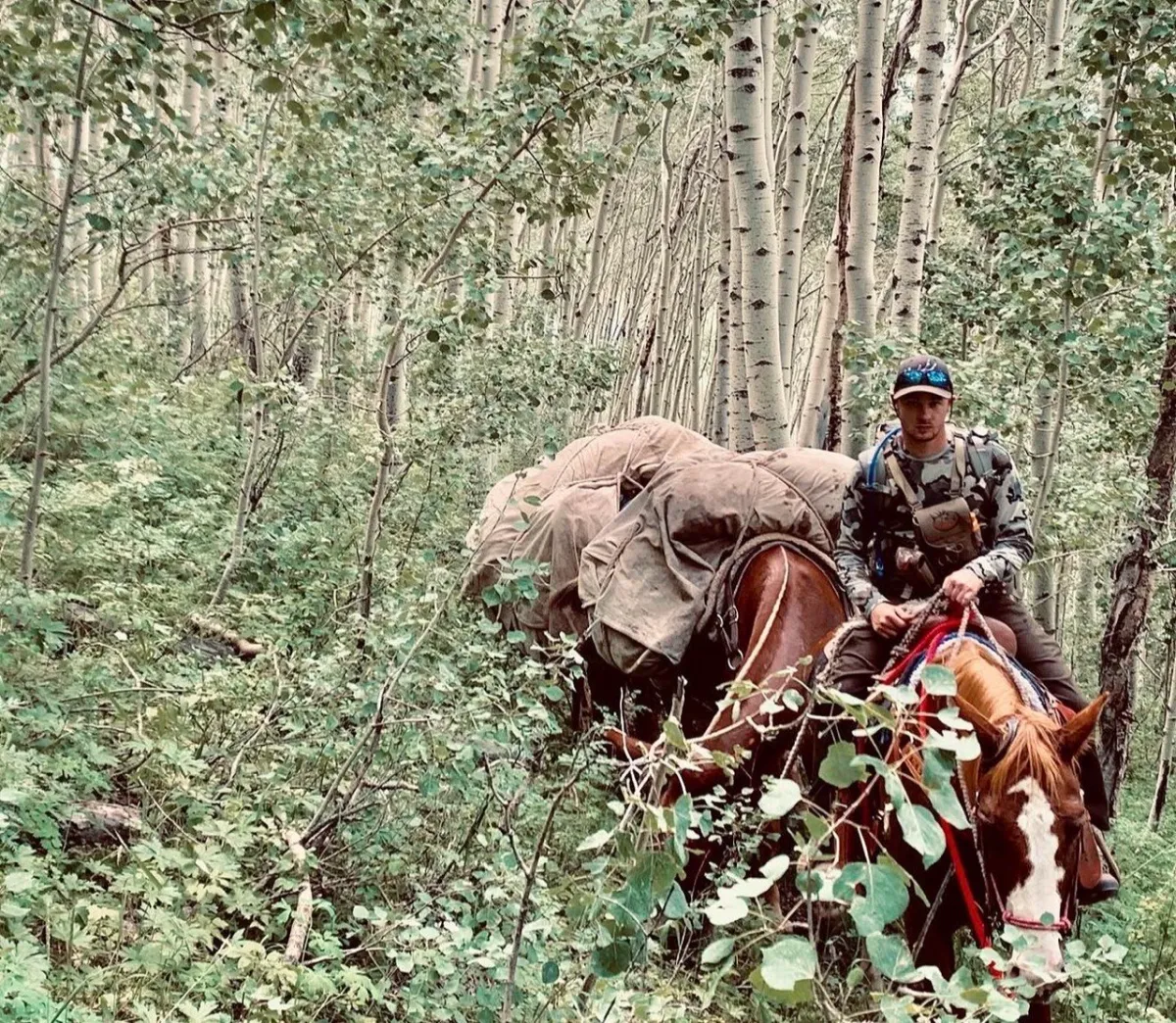
How Arizona Bonus Points Work — Complete Draw Guide
Arizona holds some of the most coveted tags in North America, from giant desert mule deer and world-class elk to bighorn sheep and pronghorn. It also runs one of the most misunderstood draw systems in the West. The key thing to grasp is that Arizona uses bonus points, not preference points, so every applicant has a chance to draw, but hunters with more points carry significantly better odds. Get that distinction right and you can build a real long-term strategy instead of guessing.
Bonus points, not preference points
In a preference-point state like Colorado, the hunters with the most points draw first, and once the tags are gone everyone else is shut out. Arizona works differently. Every applicant stays in the draw every year, and more points simply mean more chances. That cuts both ways: a hunter with zero points can technically draw a premium tag, and a hunter sitting on 20 points is never guaranteed one. Each year you apply and don't draw, you earn a bonus point, and Arizona squares those points when calculating your chances, which is what makes a long-term application so powerful.
The bonus pass and the random draw
Arizona allocates permits in two phases. The first is the bonus pass, where up to 20 percent of a hunt's tags go to the applicants with the highest point totals, which is where max-point holders tend to cash in. Everything left over drops into the random draw, where every applicant participates and even a zero-point hunter still has a shot. That second phase is what makes Arizona unique, because you never become completely locked out. Drawing with zero points happens every year, especially on lesser-known hunts, archery hunts, and some deer tags, so the trick is knowing which hunts offer realistic odds rather than only chasing the famous ones.
Species, point by point
Elk is Arizona's headliner and produces some of the largest bulls in North America, with premium units demanding many years of points, though archery elk often offers better odds, more hunt choices, and an easier way in. Mule deer rewards patience, and the state's Coues deer, its little desert whitetail, fly under the radar with more accessible odds and excellent glassing. Pronghorn are among the hardest western tags to draw, with hunters often applying for decades, and sheep and mountain goat are true long-game, once-in-a-lifetime pursuits where the odds stay tough at any point level. Two extras are easy to miss: completing an approved hunter education course earns a permanent bonus point, and applying consistently earns a loyalty point, both of which add up over time.
Building a smart strategy
The biggest Arizona mistake is fixating on the most famous units and ignoring archery hunts, mid-tier units, and realistic opportunities, because the state offers far more than its trophy reputation suggests. Unit rankings and internet hype pull hunters toward the hardest tags while excellent bulls and bucks get taken all over the state, and a tag in hand usually beats waiting forever. The hunters who do well pair short-term goals like easier deer and archery hunts with long-term goals like premium elk, sheep, and antelope, which keeps them hunting while their points build. Pay attention to nonresident quotas and historical draw odds, since not every hunt is equally realistic. Arizona's system gets complicated fast, and TAGZ helps you analyze draw odds, compare units, track points, and find realistic opportunities before the deadline hits.
Was this article helpful?
Previous
Best States for DIY Desert Bighorn Sheep Hunting
Desert bighorn sheep tags are among the rarest in North America, but a handful of Western states offer realistic DIY opportunities. Here's where to focus your applications and what it takes to draw.
Next
Understanding Wind and Thermals for Elk Hunting — Complete Guide
Wind and thermals are often the deciding factor in elk hunting success. Hunters who understand how air moves through terrain can avoid getting busted by an elk's nose, plan better stalks, and consistently get closer to mature bulls.