Florida Black Bear Habitat: Where Bears Live and How to Hunt Them
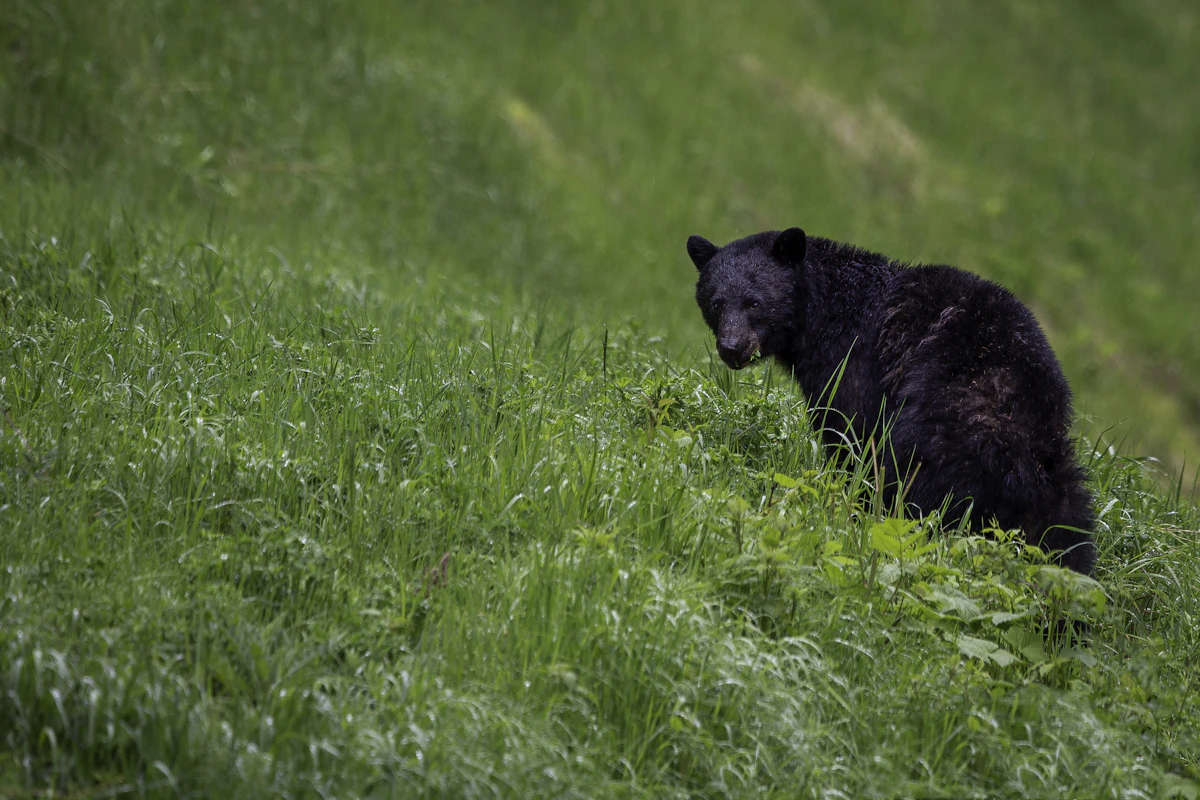
Florida black bears are not roaming randomly across the state. They occupy six genetically distinct population zones, each defined by specific habitat types, food sources, and seasonal movement patterns. If you drew a Florida bear tag or you are planning your application strategy for next season, understanding where bears actually live and how they use different habitat types will determine whether you spend opening morning glassing productive oak flats or sitting in empty pinewoods.
Florida's bear season is a limited-entry draw hunt with strict quotas. Most units fill in one or two days once the season opens. That means your scouting window is short and your hunt plan needs to be dialed in before you ever pull a tag. The difference between success and going home empty-handed often comes down to knowing which habitat types hold bears during early October and how to identify high-use feeding areas without spending weeks in the field.
The Six Florida Black Bear Population Zones
Florida Fish and Wildlife Conservation Commission (FWC) recognizes six distinct bear population zones. These are not arbitrary management boundaries. They represent isolated or semi-isolated bear populations separated by highways, urban development, and large-scale agricultural conversion. Each zone has different habitat composition, bear density, and hunting pressure.
Apalachicola Bear Management Unit (BMU) covers the Panhandle from the Apalachicola River west to the Alabama line. This is longleaf pine country mixed with hardwood bottomlands along rivers and creeks. Bears here move between upland turkey oak sandhills and river swamps depending on seasonal food availability. Public land access is excellent on Apalachicola National Forest.
Osceola BMU stretches across central Florida from the Green Swamp north to the Ocala National Forest. This zone includes the largest contiguous bear habitat in the state. Scrub oak, sand pine, and wet prairies dominate the landscape. Bears here have access to year-round food sources and rarely need to leave core habitat.
South Central BMU runs from Kissimmee Prairie south through the headwaters of the Everglades. Habitat is a mix of dry prairie, palmetto flats, and cypress domes. Bear densities are lower here than in the Ocala zone, but so is hunting pressure. This is where Florida's bear recovery began in the 1970s.
Big Cypress BMU covers southwest Florida's Big Cypress National Preserve and surrounding private lands. This is swamp country. Bears feed heavily on saw palmetto berries and move through cypress strands and hardwood hammocks. Access is limited and terrain is brutal, but bear numbers are strong.
Chassahowitzka BMU is a small coastal zone north of Tampa Bay. This population is isolated and lightly hunted. Habitat is mostly coastal hardwood forest and salt marsh transition zones.
Ocala BMU is managed separately from the larger Osceola zone despite overlapping geographically. Ocala National Forest is the core of this zone. Sand pine scrub, longleaf pine flatwoods, and hardwood swamps provide year-round habitat. This is the most hunted bear zone in the state.
Each zone has different draw odds, quota limits, and season dates. TAGZ helps hunters compare draw odds across BMUs using historical data so you can apply strategically based on your point total and hunting goals.
Prime Black Bear Habitat Types in Florida
Florida black bears do not use all forest equally. They concentrate in specific habitat types based on food availability, security cover, and denning requirements. Recognizing these habitats on maps and aerials before your hunt saves days of scouting.
Hardwood swamps and bottomlands are top-tier bear habitat. River corridors lined with laurel oak, live oak, sweetgum, and tupelo produce heavy acorn and berry crops. Bears feed heavily in these areas during late summer and early fall before the hunt. Look for hardwood fingers extending into pine uplands. These transition zones concentrate bear movement.
Oak scrub and sandhills produce turkey oak and bluejack oak acorns. These upland ridges are drier and easier to hunt than swamps. Bears move into oak scrub when acorns drop, typically late September through early October. Turkey oak acorns are smaller than white oak acorns but bears hammer them when available.
Palmetto prairies and flatwoods provide saw palmetto berries, which are a critical fall food source in south Florida zones. Palmetto thickets also provide excellent thermal and security cover. Bears bed in dense palmetto during the day and move into feeding areas at dawn and dusk.
Cypress domes and strands serve as travel corridors and bedding cover. Bears do not feed heavily in pure cypress, but they use these wetland features to move between feeding areas undetected. Cypress edges adjacent to hardwood or oak scrub are ambush points during morning and evening movement windows.
Mixed pine-hardwood forests are productive when pine overstory is open enough to allow hardwood understory. Longleaf pine with wiregrass understory is poor bear habitat. Longleaf pine with a hardwood midstory of oak, hickory, and dogwood is excellent. The difference is canopy closure and understory composition.
Florida bears are opportunistic. They will feed on anything available, including cabbage palm fruit, gallberry, blackberry, wild grape, and agricultural crops like corn when accessible. Scouting productive feeding areas two to three weeks before the season starts tells you where bears are concentrating during the early October hunt window.
Seasonal Movement Patterns and Fall Feeding Behavior
Florida black bears are not migratory, but they do shift their home range use seasonally based on food availability. Understanding these patterns helps you predict where bears will be during the narrow October hunt window.
Summer movements are driven by fruit and berry availability. Bears feed heavily on saw palmetto berries, blackberries, and early ripening acorns. They are widely dispersed across their home range and less predictable. By late August, bears begin shifting toward concentrated fall food sources.
Fall is hyperphagia season. Bears need to pack on fat reserves before winter dormancy. In Florida, this feeding frenzy peaks in September and early October, which aligns perfectly with the bear season. Acorns, palmetto berries, and hard mast crops dominate the diet. Bears will travel miles to access productive oak stands or palmetto flats.
Winter dormancy in Florida is not true hibernation. Female bears with cubs den from late December through March. Adult males and non-breeding females may den briefly during cold snaps but remain active most of the winter. By the time bear season opens in early October, bears are still feeding hard and moving predictably between bedding and feeding areas.
Spring and early summer movements are driven by new vegetation growth and breeding behavior. Males expand their home ranges looking for receptive females. This is not relevant for fall hunting but understanding year-round patterns helps you interpret sign and trail camera data.
The key takeaway for hunters is this: early October bears are food-focused. They are not denning yet. They are not distracted by breeding behavior. They are feeding hard on whatever high-calorie food source is available in their home range. Find the food and you will find the bears.
Using Terrain and Public Land Maps to Locate Bear Habitat
Most Florida bear hunters rely on public land because private land access is limited in core bear zones. Learning to read terrain maps and identify productive bear habitat from satellite imagery cuts your scouting time in half.
Start with FWC's Bear Management Unit maps. These show legal hunt boundaries, quota zones, and major roads. Overlay these with public land ownership layers from the Florida Forest Service and National Forest Service. Identify the largest contiguous public land blocks within your drawn BMU. Bears need space. Small isolated public land parcels under 1,000 acres rarely hold resident bears.
Next, pull up satellite imagery on Google Earth or onX Hunt. Look for the habitat types described earlier: hardwood swamps along river corridors, oak scrub ridges, and palmetto prairies. Zoom in until you can see individual tree canopies. Hardwoods have rounded, irregular canopies. Pines are pointed and uniform. Mixed pine-hardwood looks textured with dark green hardwood patches breaking up lighter green pine overstory.
Identify terrain features that concentrate bear movement. Creek crossings, saddles between ridges, and narrow hardwood fingers extending into pine uplands are natural funnels. Bears follow the path of least resistance. They avoid wide-open pine savannas and prefer cover.
Mark water sources. Bears need water daily. In dry years, isolated creeks, seeps, and stock ponds become high-traffic areas. In wet years, water is everywhere and less useful as a predictor. Florida's early October weather is usually dry, making water sources more relevant.
TAGZ provides unit maps and terrain breakdowns for every Florida BMU, helping hunters identify productive public land areas before they ever apply. You can compare terrain features across units and filter by public land access to build a scouting plan before the draw results come out.
Pre-Season Scouting: Sign, Trails, and Feeding Areas
Physical scouting is still necessary even if you have done all your map homework. Florida's vegetation is thick. What looks like open hardwood forest on a satellite image may be an impenetrable palmetto jungle on the ground. You need boots-on-the-ground time to confirm what the maps suggest.
Look for fresh sign within two weeks of the opener. Bear scat is obvious. Fall scat is full of acorn fragments, palmetto seeds, and berry skins. Old scat from summer feeding is drier and less fibrous. Fresh scat is dark, moist, and smells sour. If you find multiple fresh piles in one area, you have located an active feeding zone.
Claw marks on trees indicate territory marking and climbing behavior. Bears will claw vertical tree trunks and twist off small limbs to reach acorns or fruit. Fresh claw marks show lighter-colored wood beneath the bark. Old marks are weathered gray. Bears also bite and rub trees during breeding season, but by October this sign is mostly old.
Trails are less defined than elk or deer trails but still visible. Look for disturbed leaf litter, broken palmetto fronds, and mud displaced along creek crossings. Bears walk through obstacles rather than around them. A bear trail through dense palmetto looks like a narrow tunnel with flattened vegetation on both sides.
Feeding areas show concentrated sign. Check under oak trees for freshly opened acorns. Bears bite acorns in half rather than swallowing them whole like deer. Look for torn-up palmetto clumps where bears have ripped apart plants to access the berries. Fresh digging around stumps and logs indicates grub feeding, which is common in late summer but less so during fall mast season.
Trail cameras are legal for scouting in Florida but must be removed before the hunt. Set cameras on trails between bedding and feeding areas, near water sources, and along habitat edges. Morning and evening photos tell you when bears are moving and which direction they travel.
Stand Placement and Ambush Strategies for Florida Bears
Florida bear hunting is an ambush game. The season is short, quotas are strict, and most units close within 48 hours once harvest limits are reached. You will not have time to chase bears through palmetto thickets. You need to be set up where bears are already moving.
Treestands and elevated platforms give you a visibility and scent advantage in thick cover. Florida vegetation is dense at ground level but opens up 12 to 15 feet off the ground. A stand placed along a hardwood edge overlooking a palmetto flat or creek bottom gives you shooting lanes and keeps your scent above bears approaching from downwind.
Identify travel corridors between bedding and feeding areas. Bears move predictably at dawn and dusk during early October. They bed in thick palmetto, cypress, or dense hardwood during midday heat and move to feeding areas in late afternoon. Set up along these routes within 100 yards of the feeding area. Any closer and you risk spooking bears before shooting light.
Wind direction matters. Florida's October wind is typically light and variable, but morning thermals drop and evening thermals rise. Hunt elevated stands when possible and position yourself so approaching bears are crosswind or into the wind. Bears have excellent noses. They will wind you from 200 yards if conditions are wrong.
Ground blinds work in areas where elevation is not an option. Set blinds along field edges, old logging roads, or creek crossings where visibility is naturally open. Brush in the blind two weeks before the hunt so bears accept it as part of the landscape. Avoid setting up in the middle of a feeding area. Position your blind on the edge where you can see multiple approach routes.
Baiting is illegal in Florida. All hunting must be fair chase on natural food sources. Do not set up near known bear feeding stations or areas where people are intentionally feeding bears. FWC enforcement takes this seriously and violations result in loss of hunting privileges.
Understanding Florida's Bear Draw System and Hunt Planning
Florida's bear season operates on a limited-entry quota system. Each BMU has a set harvest limit based on population estimates and management goals. Once the quota is reached, the season closes immediately. Some zones close opening day. Others stay open for a week. Understanding how the draw works and how quotas are managed helps you apply strategically.
Applications open in early summer. Hunters apply for a specific BMU. You cannot apply for multiple zones. Florida does not use preference points or bonus points for bear tags. Every applicant has an equal chance each year. Draw odds vary by zone. High-density zones like Ocala and Osceola are heavily subscribed. Smaller zones like Chassahowitzka have better odds but lower bear densities.
Harvest reporting is mandatory. If you kill a bear, you must report it to FWC within 12 hours. FWC tracks harvest in real time and closes zones once quotas are met. Check the FWC website daily during the season to see which zones are still open. Some hunters apply for less popular zones knowing they can hunt longer if the quota does not fill quickly.
Weapon restrictions vary by zone. Some BMUs allow rifles, shotguns, muzzleloaders, and archery equipment. Others are muzzleloader or archery only. Check the specific regulations for your drawn zone before the hunt. Florida requires non-toxic ammunition in some wildlife management areas, so verify ammo requirements as well.
TAGZ tracks draw odds for every Florida BMU and helps hunters compare odds across zones. You can see historical harvest data, average days to quota, and success rates by weapon type. Whether you are chasing your first bear tag or planning a multi-year strategy, TAGZ gives you the data to apply smarter and hunt with confidence.
FAQ — Florida Black Bear Habitat
Where are Florida black bears most common? The Ocala and Osceola Bear Management Units hold the highest bear densities. Ocala National Forest and the Green Swamp-Kissimmee corridor provide the largest blocks of contiguous habitat in the state.
What type of habitat do Florida black bears prefer? Hardwood swamps, oak scrub, and palmetto prairies are prime bear habitat. Bears concentrate in areas with heavy acorn production, palmetto berry crops, and dense cover for bedding.
Do Florida black bears hibernate? No. Female bears with cubs den from late December through March, but adult males and non-breeding females remain active year-round. They may den briefly during cold snaps but do not true hibernate like northern bears.
Can you hunt Florida black bears on public land? Yes. Most bear hunting occurs on national forest land and state wildlife management areas. Apalachicola National Forest, Ocala National Forest, and Big Cypress National Preserve all offer public land bear hunting opportunities.
What do Florida black bears eat in the fall? Acorns are the primary fall food source, especially turkey oak and live oak acorns. Bears also feed heavily on saw palmetto berries, cabbage palm fruit, and wild grapes when available.
How hard is it to draw a Florida bear tag? Draw odds vary by zone. Ocala and Osceola zones are heavily subscribed with draw odds around 20-30 percent. Smaller zones like Chassahowitzka and South Central have better odds, often above 50 percent, but lower bear densities.
Continue Planning Your Hunt
Florida's bear season is one of the most competitive limited-entry hunts in the Southeast. Understanding bear habitat, seasonal movement patterns, and draw strategy gives you an edge whether you are applying for the first time or planning your fifth hunt. TAGZ helps western hunters navigate complex draw systems across multiple states, but the same principles apply to Florida's quota-based bear season.
Use TAGZ's draw odds tool to compare Florida bear units side by side. Track your application history, map productive public land areas, and filter units by weapon type and season dates. Whether you hunt Florida black bears or chase western elk and mule deer, TAGZ simplifies the planning process so you spend less time researching regulations and more time preparing for the hunt.
Explore more hunting insights and application strategies on the TAGZ blog. From draw odds analysis to unit breakdowns and hunt planning timelines, TAGZ gives you the tools to apply smarter and hunt with confidence. Ready to start planning your next hunt? Check out TAGZ pricing and see how the platform helps hunters maximize draw opportunities across the West and beyond.
Florida black bears occupy some of the most challenging and rewarding habitat in the Southeast. Learn the terrain, scout the food sources, and apply strategically. The season is short, but the preparation pays off when you are sitting over a productive oak flat on opening morning with a bear tag in your pocket and a solid hunt plan in place.
Was this article helpful?
Previous
Best Beginner Elk Calling Setup: Essential Gear for Your First Hunt
Learn which elk calls every beginner needs, how to build a complete calling setup for under $150, and which techniques to master before your first September hunt.
Next
Best Elk Calls for 2025 — Diaphragm, Tube, and Electronic Calls Tested
Choosing the right elk call can make or break your hunt. We break down diaphragm calls, external reed calls, and electronic options with field-tested recommendations for beginners and experienced callers alike.