Florida Bear Hunting Mistakes First-Time Hunters Make
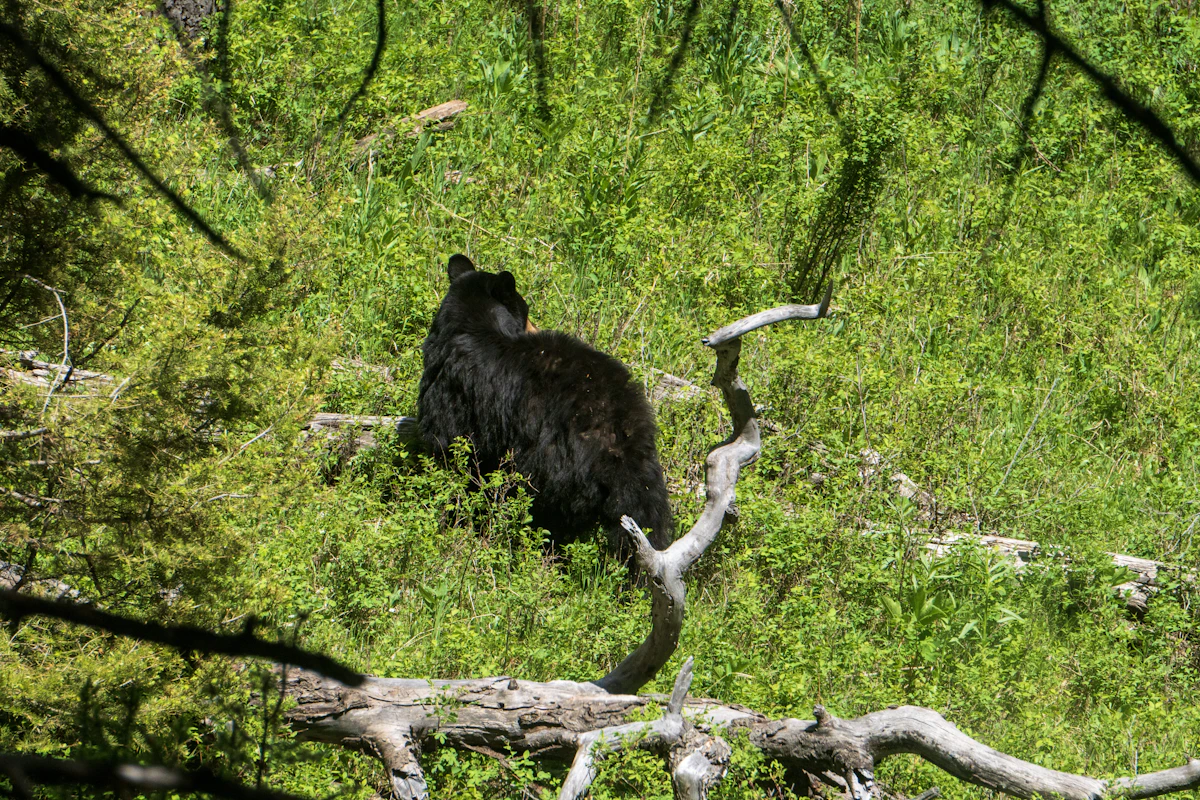
Florida's bear season runs just two days in most units, and for hunters used to chasing elk or deer in the West, the swamp is a different animal entirely. Bears here move through dense palmetto and hardwood hammocks where visibility might be 30 yards on a good day. First-time hunters commonly blow opportunities by setting up wrong, taking marginal shots, or simply not understanding how Florida Wildlife Conservation Commission regulations work.
The mistakes below come from guides who run bear hunts in the Apalachicola and Osceola management areas. If you drew a Florida bear permit or plan to apply, these are the errors that cost hunters their only chance at a bruin.
Ignoring the Two-Day Window
Florida bear season is not a multi-week affair. Most Bear Management Units run Saturday and Sunday only, typically in late October. If weather turns bad or you get sick, you are done. Hunters who treat this like a casual deer hunt and show up unprepared waste half their season sorting gear or finding bait sites.
Scout at least two weekends before the season. Identify active travel corridors using trail cameras and fresh sign. Have your stand or blind positioned a week out, not the night before. The clock starts the moment legal shooting light begins Saturday morning.
Underestimating Scouting Requirements
Bears in Florida are not concentrated like elk around water or feeding areas you can glass from a ridge. They move through thick cover following mast crops, garbage, and carrion. Finding them requires boots on the ground, not satellite imagery.
First-time hunters often rely on outdated intel or assume bears will show up anywhere there are oaks. Acorn production varies wildly year to year. A spot that held bears last season might be dead this fall if the white oaks failed. Check current mast surveys from FWC, talk to locals who live near the WMA, and confirm fresh sign within 72 hours of opening day.
Palmetto thickets and swamp edges are prime travel routes. Look for scat, claw marks on cabbage palms, and torn-apart logs where bears dig for grubs. Set cameras on trails between bedding cover and feeding areas, not just at bait sites.
Misunderstanding Baiting Regulations
Baiting is legal in Florida bear units, but the rules are strict and different from what deer hunters know. You must obtain a Bear Bait Station Permit and register your site with FWC at least 48 hours before placing bait. The permit costs extra and is unit-specific.
Bait must be placed at least 100 yards from any road and cannot contain fermented foods or liquids. Hunters commonly violate the 48-hour registration rule or forget to mark their coordinates accurately when filing the permit online. If a game warden checks your site and the GPS location does not match your permit, you are hunting illegally even if the bait itself is compliant.
Only hunt over bait you personally registered. Hunting over another person's bait station without their written permission is a violation.
Setting Up Too Close to Bait or Trails
Bears have exceptional noses. In the humid Florida swamp, scent carries farther than in dry Western climates. Hunters who set stands 20 yards from bait sites get winded before bears commit. The bear circles downwind, catches human scent, and vanishes.
Position your stand or blind 40 to 60 yards from the bait or trail, accounting for prevailing wind. In Florida, afternoon thermals often shift as temperatures drop toward evening. A spot that smells clean at 3 p.m. might betray you by 5 p.m. when bears are most active.
Use scent-eliminating spray on your boots and clothing. Avoid smoking, using scented deodorant, or eating strong foods before the hunt. One whiff of Marlboro or Axe body spray and the bear is gone.
Taking Marginal Shots Through Brush
Palmetto and dense hardwoods create shot windows measured in seconds. A bear steps into a 10-yard opening, pauses, and disappears. Hunters panic and shoot through intervening brush, hoping the bullet will punch through.
Bullets deflect off even small branches. A twig you barely notice at 40 yards will turn a shoulder shot into a gut wound. Wait for a clear lane. If the bear does not offer one, let it walk. A two-day season is short, but a wounded bear that runs into a swamp is worse than an unfilled tag.
Practice shooting from an elevated stand or blind at realistic yardages before the season. Know your maximum effective range in thick cover. For many hunters, that is 50 yards, not 150.
Using Inadequate Calibers or Bullets
Florida bears are not grizzlies, but they are tough. A mature boar can weigh 400 pounds and has a thick fat layer and heavy shoulder bones. Hunters who show up with .243 Winchester or lightweight deer bullets often fail to achieve clean kills.
Use a caliber appropriate for heavy game: .30-06, .308 Winchester, .300 Winchester Magnum, or similar. Controlled-expansion bullets like Nosler Partition, Swift A-Frame, or Barnes TSX are better choices than thin-jacketed varmint rounds.
Shot placement matters more than caliber. Aim for the shoulder or just behind it to hit the heart and lungs. Avoid neck shots unless you are confident in your marksmanship. A wounded bear in palmetto is nearly impossible to recover.
Not Bringing Enough Help for the Pack Out
A 300-pound bear gutted and quartered is still 200-plus pounds of meat and hide to drag or carry out of the swamp. Florida terrain is not Idaho backcountry, but mud, water, and thick brush make pack outs brutal.
First-time hunters often attempt solo recoveries and give up halfway through, ruining meat in the heat. Line up two or three partners before the hunt. Bring game bags, a sturdy cart if terrain allows, and headlamps. Plan to work into the night if necessary.
Florida heat accelerates spoilage. Get the bear skinned and cooled as fast as possible. Bring ice, a large cooler, and access to a walk-in freezer or processor within hours of the kill.
Failing to Understand Female and Cub Protections
Florida law prohibits harvesting female bears with cubs. In the field, this is not always obvious. Cubs can be yearlings that weigh 80 pounds and wander 50 yards from the sow. Hunters see a lone bear, assume it is legal, and shoot.
If you see two bears together, assume one is a sow and do not shoot either unless you are certain both are mature boars. Use binoculars to confirm sex and independence before taking the shot. Cubs often follow sows into bait sites minutes after the adult arrives.
A violation here carries serious penalties and reflects poorly on all bear hunters. When in doubt, pass the shot.
Ignoring Safety in Dense Cover
Florida bear hunts often happen in thick cover where other hunters are nearby. Shooting at movement or sound is a recipe for tragedy. Know your target and what lies beyond it.
Wear blaze orange even though it is not required. Communicate with other hunters in your area before the season. Establish boundaries and safe shooting lanes. Carry a GPS and mark your stand location so partners know where you are.
Black bears are not aggressive, but a wounded bear in dense cover is dangerous. Do not track alone. Wait 30 minutes before following up on a marginal hit, and bring an experienced partner with a heavy rifle as backup.
Overlooking TAGZ for Draw Strategy and Unit Research
Florida's bear season is managed through a limited-entry draw system. Understanding which Bear Management Units have the best draw odds and success rates is critical before you burn your application.
TAGZ helps you compare Florida bear units side by side using historical draw data, unit boundaries, and terrain maps. Track your application deadlines across Florida and other states so you never miss a draw window. Whether you are targeting the Apalachicola Unit for higher bear densities or Osceola for easier access, TAGZ gives you the tools to make smarter decisions before you ever step into the swamp.
Filtering by weapon type, season dates, and success rates lets you avoid units where first-time hunters commonly struggle. The platform also tracks your preference points in other states, so you can build a multi-state hunt plan that maximizes your opportunities each fall.
FAQ — Florida Bear Hunting
Is baiting required to successfully hunt Florida bears?
No, but it significantly increases your odds. Most successful hunters use bait or hunt near natural food sources like oak mast or swamp edges where bears travel between bedding and feeding areas.
What is the minimum caliber for Florida black bear?
Florida does not mandate a minimum caliber, but experienced guides recommend .30-06 or larger with controlled-expansion bullets for reliable performance on heavy-bodied bears.
Can you hunt over another hunter's bait site?
Only with written permission from the permit holder. Hunting over an unregistered or unpermitted bait site is illegal, even if you did not place the bait yourself.
How do you tell a sow from a boar in the field?
Boars are larger with broader heads and wider-set ears. If you see multiple bears together, assume one is a sow and do not shoot unless you are certain both are independent adults.
What happens if you wound a bear and cannot recover it?
You must report the incident to FWC. Florida law requires you to make every reasonable effort to recover wounded game. Bring help, track carefully, and do not give up prematurely.
Are Florida bear hunts worth applying for as a nonresident?
Yes. Nonresident draw odds are competitive, and Florida offers one of the few huntable black bear populations in the Southeast. Success rates are low but fair for hunters who scout properly and understand the terrain.
Continue Planning Your Hunt
Florida's bear season rewards preparation and punishes guesswork. The two-day window leaves no room for trial and error. If you are serious about drawing a bear tag in Florida or planning hunts across multiple states, TAGZ simplifies the entire process.
Compare draw odds, research unit maps, and track application deadlines for Florida and every other western state from one dashboard. Whether you are chasing your first black bear or building a multi-year big-game strategy, TAGZ helps you make confident decisions before you ever apply.
Explore the platform at getmytagz.com and start planning smarter hunts today. For more hunting strategies and unit breakdowns, visit the TAGZ Insights blog. Ready to dive in? Check out pricing options or see the full product features to learn how TAGZ helps hunters maximize draw opportunities across the West and Southeast.
Was this article helpful?
Previous
50 Guide Secrets for Killing More Elk
Professional elk guides share hard-won field tactics that consistently put hunters on bulls—from glassing techniques and shot placement to calling sequences and wind management strategies that separate successful elk hunters from those who tag out early.
Next
Best Compound Bows for Mule Deer Hunting in 2025
Choosing the right compound bow for mule deer hunting means balancing draw weight, speed, and accuracy for Western terrain. This guide breaks down the top bows for spot-and-stalk hunting, key specs to prioritize, and how to match your setup to your hunting style.