Florida Bear Hunting Ethics and Conservation: Balancing Harvest and Population Health
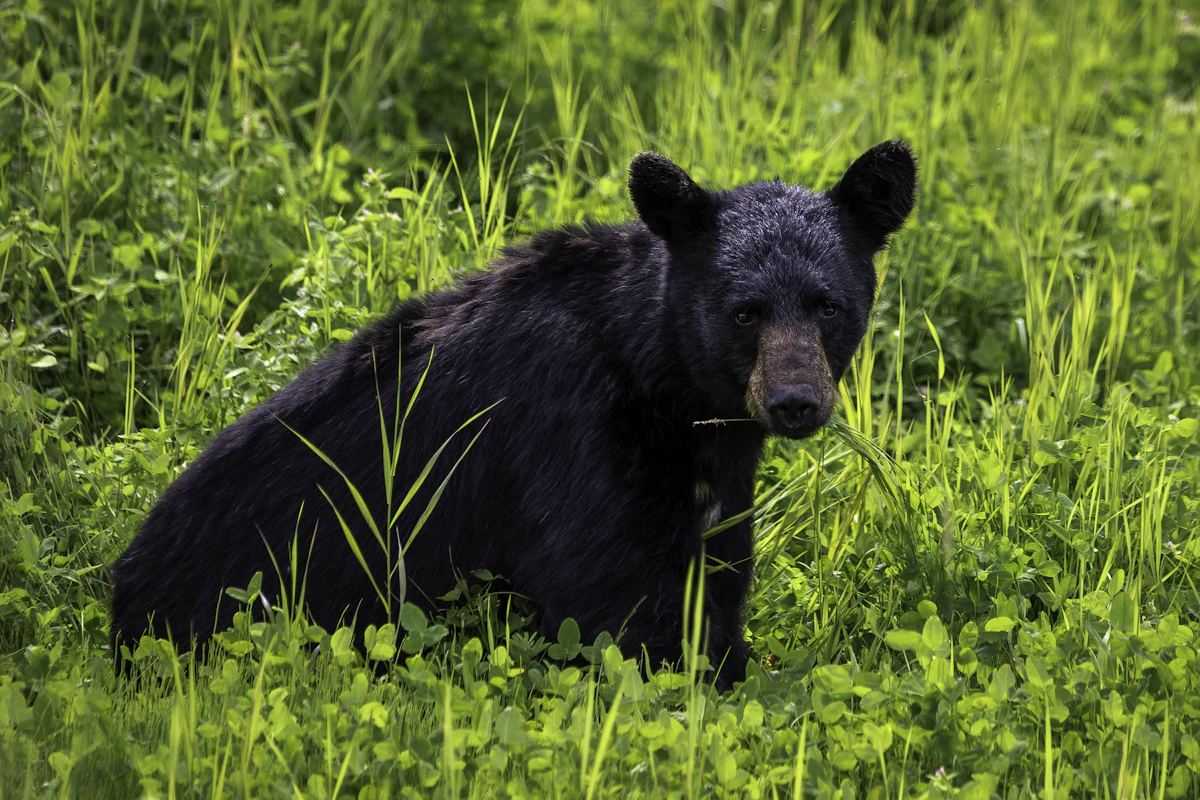
Florida's black bear population stands as one of the Southeast's greatest conservation success stories. From fewer than 300 bears in the 1970s to an estimated 4,000+ animals today, the species has rebounded across much of its historic range. This recovery has sparked necessary conversations about the role of hunting in managing a thriving bear population and the ethical responsibilities hunters carry when pursuing one of North America's most iconic game animals.
Why Florida Manages Bears Through Hunting
The Florida Fish and Wildlife Conservation Commission uses regulated hunting as one tool among many to manage black bear populations. Limited harvest seasons serve multiple conservation objectives: reducing human-bear conflicts in areas where populations exceed habitat capacity, generating funding for research and habitat protection through license sales, and maintaining public tolerance for bears by demonstrating active management.
Florida's bear management units are assessed individually based on population estimates, habitat quality, human conflict rates, and long-term population trends. Hunt quotas are set conservatively — typically targeting 1-2% annual harvest rates in units where hunting occurs. This approach ensures hunting mortality remains well below the rate at which bear populations can sustain growth.
The ethical foundation rests on science-based quotas that prioritize population stability over opportunity. When a unit's quota is reached, the season closes immediately, sometimes within hours. This real-time management protects against overharvest while allowing controlled take in units where bears are abundant.
The Conservation Case for Limited Bear Seasons
Controlled hunting addresses specific management challenges that arise when bear populations recover beyond historic levels. In suburban interface zones like Seminole and Volusia counties, bears regularly raid trash cans, damage property, and lose their natural wariness of humans. Removing a small percentage of bears from these high-density areas can reduce conflict frequency without impacting overall population trends.
Harvest data also provides irreplaceable biological information. Every bear checked by FWC biologists yields age, sex, reproductive status, body condition, and genetic samples. This data refines population models, identifies population health trends, and informs future management decisions far more accurately than observation-based estimates alone.
Hunting revenue funds bear-specific conservation programs that benefit the entire population. License fees, application charges, and excise taxes on hunting equipment directly support habitat acquisition, wildlife corridor protection, bear-proof trash can distribution programs, and public education initiatives. In Florida's case, hunters contribute disproportionately to conservation outcomes that serve both hunted and non-hunted wildlife.
Ethical Responsibilities of Florida Bear Hunters
Hunting black bears carries ethical obligations beyond legal compliance. Shot placement is non-negotiable — bears are tough animals, and marginal hits result in suffering and lost animals. Ethical hunters pass on shots beyond their proven effective range, wait for broadside or quartering-away presentations, and aim for the vitals with full understanding of bear anatomy.
Sow identification separates responsible hunters from those chasing any legal bear. Florida law prohibits shooting sows with cubs, but identifying family groups requires patience and observation skills. Ethical hunters glass feeding bears for extended periods, looking for smaller animals nearby or behavioral cues that indicate a sow. When doubt exists, the trigger stays cold.
Respect for the animal extends through the entire hunt. Bears are intelligent, sentient animals with complex social structures and individual personalities. Hunters who approach bear hunting with reverence rather than cavalier attitudes honor both the animal and the privilege of participating in wildlife management. Social media posts, field photos, and public discussions should reflect this respect, recognizing that every image shapes public perception of hunting's role in conservation.
Understanding Florida's Bear Management Units
Florida divides bear range into seven Bear Management Units (BMUs), each managed according to its unique population characteristics. The Central BMU, stretching from the Green Swamp to the Wekiva Basin, holds the state's densest bear population and experiences the highest human-bear conflict rates. Limited hunting here targets population stabilization rather than reduction.
The North BMU, encompassing the Osceola and Apalachicola National Forests, supports a robust population with lower conflict rates. The East Panhandle and Big Bend BMUs hold smaller, recovering populations where hunting has not been authorized. The South-Central and South BMUs face unique challenges with habitat fragmentation and connectivity issues.
Ethical hunters understand these unit-specific contexts. Drawing a tag in the Central BMU means participating in conflict reduction and high-density population management. A North BMU tag represents opportunity in prime bear habitat with lower human interface issues. Understanding why FWC opens specific units to hunting — and why others remain closed — demonstrates respect for science-based management.
Addressing Common Ethical Criticisms
Bear hunting opponents often raise trophy hunting concerns, arguing that bears serve greater value alive than dead. This perspective deserves honest engagement rather than dismissal. The reality is that Florida's limited bear seasons are not trophy-driven — skull measurements and hide size are secondary to population management objectives. Most harvested bears are young males, which have minimal impact on reproductive rates since female bears drive population growth.
The "killing for fun" criticism misunderstands hunting's role in modern wildlife management. Regulated hunting is a conservation tool that generates funding, provides population data, and maintains public support for predator conservation in human-dominated landscapes. The fact that hunters derive satisfaction from the experience does not diminish the conservation outcomes. Ethical hunters acknowledge this nuance rather than denying that hunting involves both purpose and enjoyment.
Concerns about ecosystem impacts deserve consideration too. Black bears are not keystone predators like wolves or apex predators like grizzlies. Their removal at the conservative rates Florida employs does not cascade through food webs or destabilize ecosystems. The greater threat to Florida's bear population remains habitat loss, vehicle strikes, and human intolerance — all issues that hunting-generated revenue helps address.
The Future of Bear Hunting in Florida
Florida's bear hunting future depends on sustained public support, transparent management practices, and ethical hunter behavior. Anti-hunting sentiment grows when seasons appear driven by politics rather than science, when quotas are filled in minutes suggesting opportunity trumps conservation, or when hunters behave disrespectfully in the field or online.
The path forward requires hunters to be vocal advocates for science-based management while holding each other accountable to high ethical standards. This means supporting conservative quotas even when opportunity is limited, speaking out against unethical behavior within the hunting community, and engaging respectfully with non-hunters who question hunting's role in conservation.
Climate change and continued development pressure will test Florida's bear management in coming decades. Hunting can remain a viable management tool only if it demonstrably serves population health rather than simply providing recreational opportunity. Ethical hunters recognize they are temporary stewards of a public resource, not entitled consumers of a product.
FAQ — Florida Bear Hunting Ethics
Is bear hunting in Florida necessary for population control?
Not for control in the traditional sense. Florida's limited seasons target 1-2% annual harvest rates, which reduce human-bear conflicts in specific areas without controlling overall population growth. The primary goal is managing distribution and conflict rates, not population reduction.
How does Florida ensure bear hunting is sustainable?
FWC sets unit-specific quotas based on population estimates, reproductive rates, and habitat assessments. Seasons close immediately when quotas are reached, often within hours. Biologists track harvest data, age structure, and population trends annually to adjust future quotas.
What should hunters know before applying for a Florida bear tag?
Understand the Bear Management Unit you are applying for and why it is open to hunting. Familiarize yourself with sow identification, effective shooting ranges for bear anatomy, and tracking wounded bears in thick cover. Physical conditioning matters too — bears often travel dense palmetto thickets and swamps.
Why do some conservation groups oppose Florida bear hunting?
Opposition stems from concerns about population monitoring accuracy, the speed at which quotas fill, and philosophical disagreement with hunting bears as a management tool. Some groups advocate for non-lethal conflict management exclusively, arguing that trash management and education can address human-bear issues without hunting.
Can you eat Florida bear meat?
Yes. Bear meat is rich and flavorful when properly handled. Field dress immediately, cool the meat quickly, and cook to 160°F internal temperature to eliminate trichinosis risk. Many hunters compare bear to pork, using similar recipes and preparation methods.
What is the ethical difference between hunting bears and deer in Florida?
Bears are longer-lived, slower to reproduce, and more intelligent than deer. Their family structures are more complex, and the emotional response to seeing a dead bear differs significantly from deer. Ethical bear hunting requires greater patience, more conservative shot selection, and deeper understanding of individual animal behavior and population dynamics.
Was this article helpful?
Previous
Afternoon Elk Bedding Patterns: Where Bulls and Cows Rest During Midday
Elk retreat to predictable bedding areas during afternoon hours to ruminate and escape midday heat. Understanding these patterns helps hunters position for evening movements and increases success during midday stalks.
Next
Best Draw Weight for Elk Hunting: What You Really Need
Choosing the right draw weight for elk hunting balances arrow energy, accuracy, and shooter comfort. Most adult hunters succeed with 60-70 pounds, but your ideal weight depends on draw length, shooting form, and practice commitment.