Florida Alligator Harvest Units Explained: Maps, Seasons & How to Apply
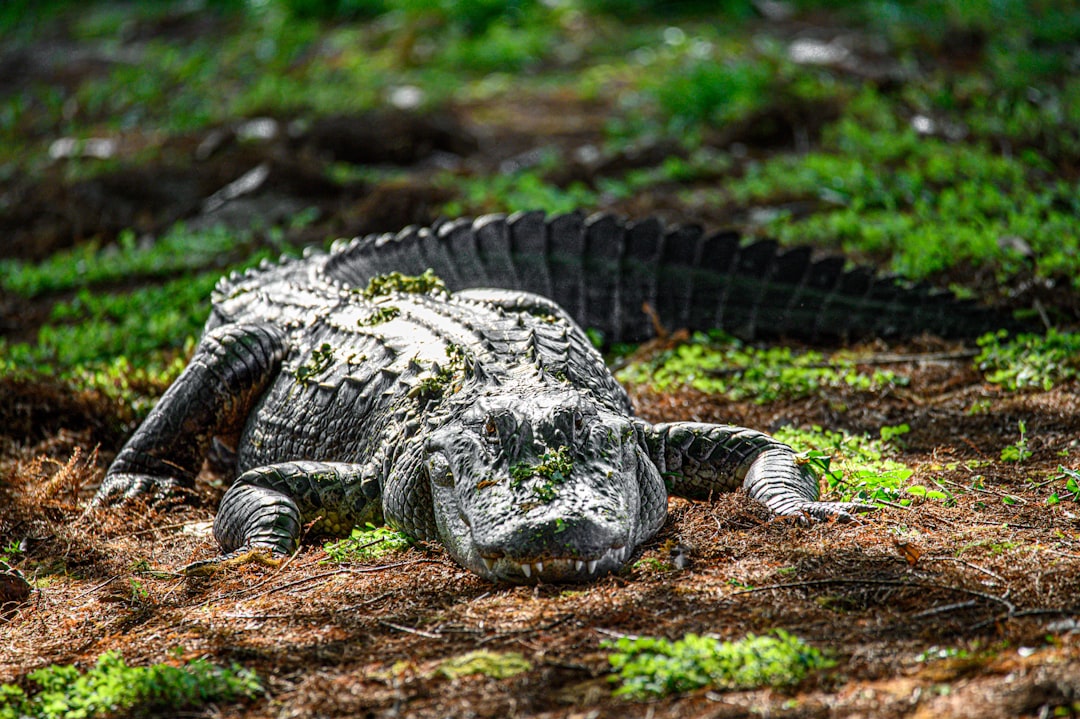
Florida manages alligator harvest through a regulated permit system that divides the state into distinct harvest units. Each unit operates under specific quotas, season dates, and permit allocation rules designed to maintain sustainable populations while giving hunters controlled access to one of the most unique big-game opportunities in North America.
Understanding which units align with your experience level, available time, and success expectations is critical before you apply. Florida's alligator program offers multiple pathways into the field, from private land permits to the highly competitive statewide harvest quota system.
How Florida Alligator Units Work
Florida Fish and Wildlife Conservation Commission (FWC) divides the state into Management Units for alligator harvest. These units correspond to major waterways, lakes, and coastal systems. Each unit receives an annual harvest quota based on population surveys and habitat quality.
Permit types determine where and when you can hunt. Statewide Alligator Harvest Permits allow harvest in any open unit during the two-phase season. Private Land Authorization Permits are issued directly to landowners with suitable habitat and can be transferred to hunters.
The harvest quota determines how many alligators can be taken from each unit annually. High-demand units like Lake Kissimmee or the St. Johns River system fill quickly during the application period. Smaller, less pressured units often provide better draw odds for first-time applicants.
Major Alligator Harvest Units in Florida
Lake Okeechobee represents one of the largest and most productive alligator units in the state. The lake's expansive shallow water habitat supports a dense population, making it a top choice for experienced hunters willing to navigate open water conditions.
The St. Johns River system stretches across multiple counties in northeast Florida. This unit offers excellent access points, abundant alligators, and consistent success rates. The river's mixture of open water, marshy shorelines, and tributary creeks provides diverse hunting terrain.
The Everglades and Big Cypress units appeal to hunters seeking true wilderness experiences. These vast wetlands hold massive alligators but require specialized equipment, navigation skills, and physical endurance. Draw odds are often better than more accessible units.
The Harris Chain of Lakes in central Florida includes lakes Harris, Eustis, Griffin, Yale, and Dora. This interconnected system offers convenient access from Orlando and Tampa, which increases competition but also provides multiple hunting locations within a single permit area.
Permit Types and Allocation
Statewide Alligator Harvest Permits are allocated through a random lottery drawing each year. Florida residents and nonresidents can apply, though residents receive preference in the draw. Each permit allows harvest of two alligators and includes a harvest assistant designation so a partner can help with the hunt.
Permit holders can select their harvest phase during the application process. Phase One typically runs for four weeks starting in mid-August. Phase Two follows immediately afterward for another four weeks. Choosing an earlier phase does not affect draw odds but may influence hunting conditions and alligator behavior.
Private Land Authorization Permits are issued directly to qualifying landowners who maintain at least 40 contiguous acres of suitable alligator habitat. These permits can be transferred to hunters, creating opportunities outside the lottery system. Many outfitters operate under private land permits.
Youth Alligator Harvest Permits are available for hunters aged 16 and 17. These permits function identically to adult statewide permits but are issued through a separate drawing. Youth hunters must be supervised by a licensed adult during the harvest.
Season Dates and Phases
Florida's alligator season operates in two phases across most units. Phase One typically begins in mid-August and runs four weeks. Phase Two follows immediately for another four weeks, extending the season through September.
Some units operate under modified seasons based on population dynamics or habitat considerations. The FWC announces exact dates each spring after population assessments are complete. Hunters should verify their specific unit's season dates after receiving permit confirmation.
Night hunting is required in most units. Alligators are most active after dark, and regulations restrict harvest to the hours between sunset and sunrise. This requirement shapes equipment choices, hunting methods, and safety protocols.
Weather patterns influence hunting success more than permit phase selection. Early-season hunts face hot, humid conditions with frequent afternoon thunderstorms. Late-season hunts may encounter cooler nights and changing water levels as summer rainfall tapers off.
Draw Odds and Application Strategy
Draw odds for statewide permits vary significantly between resident and nonresident applicants. Recent years have shown resident draw odds ranging from 5 to 10 percent depending on total applications received. Nonresident odds typically run lower, often below 5 percent.
Florida does not use a preference point system for alligator permits. Every applicant enters the drawing with equal odds regardless of how many times they have applied previously. This structure benefits first-time applicants but offers no advantage for building points over multiple years.
Unit-specific quotas are not published during the application period. The FWC manages alligator harvest at the statewide level rather than allocating specific numbers of permits to individual units. Permit holders can hunt any open unit during their designated phase.
Timing your application provides no advantage in the draw. All applications received during the open period enter the lottery with equal weight. However, applying early ensures you do not miss the deadline and allows time to correct any application errors before the window closes.
Success Rates Across Units
Statewide harvest success rates typically range from 70 to 80 percent for permit holders who actively hunt. This high success rate reflects Florida's robust alligator populations and the extended season length that allows multiple attempts.
Unit selection impacts success rates more than many hunters realize. Heavily pressured units near major population centers see lower success rates as alligators become more wary throughout the season. Remote units with limited access often produce higher success rates despite requiring more effort to reach hunting areas.
Weapon choice influences harvest efficiency. Most successful hunters use harpoons, snatch hooks, or fishing gear to secure alligators before dispatching them. Firearms can only be used for the final kill shot, not for the initial capture.
Experience level affects success rates more than any other factor. First-time alligator hunters face a steep learning curve in locating active alligators, executing successful captures, and handling large animals in dark conditions. Hiring a guide or hunting with an experienced partner dramatically improves odds.
Gear and Preparation Requirements
Successful alligator hunting requires specialized equipment different from any other big-game pursuit. At minimum, you need a strong handheld light, harpoon or snatch hook, heavy rope, firearm for dispatch, and a boat capable of handling large loads in potentially rough water.
Most hunters use bowfishing equipment, bangsticks, or harpoons for the initial capture. Florida regulations require using a restraining line attached to the alligator before attempting dispatch. This prevents losing wounded animals and ensures ethical harvest.
Boat selection matters more than many first-time hunters expect. Alligator hunting occurs entirely at night in areas with submerged logs, shallow water, and unpredictable conditions. A stable platform with good lighting and adequate freeboard for handling large animals improves both safety and success.
Physical preparation should not be overlooked. Wrestling a 200-pound alligator into a boat in the dark while managing lines, lights, and firearms demands strength, coordination, and composure. Consider practicing line handling and weight management before the season.
Private Land Opportunities
Private Land Authorization Permits create opportunities outside the lottery system. Landowners with qualifying properties receive permits based on their acreage and habitat quality. These permits can be transferred to hunters, sold, or used by the landowner.
Many Florida outfitters operate under private land permits. Guided hunts provide access to productive properties, experienced assistance with capture and handling, and higher success rates than DIY hunts on public waters. Costs typically range from $1,500 to $3,500 depending on the property and services included.
Hunting private land often means smaller, less pressured water bodies compared to major public lakes and rivers. This can translate to easier hunting conditions and less competition from other permit holders during the season.
Building relationships with landowners in prime alligator habitat offers long-term hunting access without depending on lottery draws. Consider reaching out to ranches, fish camps, and agricultural properties with suitable wetlands well before the season.
Regulations and Legal Requirements
All alligator hunters must possess a valid Florida hunting license plus either a statewide permit or private land authorization. Nonresidents pay higher fees for both licenses and permits. Each permit allows harvest of two alligators of any size.
Tagging requirements are strict and must be completed immediately after harvest. Each alligator receives two CITES tags — one attached to the tail and one to the hide. Failure to properly tag harvested alligators results in confiscation and potential criminal charges.
Alligator hunting is prohibited in certain areas regardless of permit type. National parks, wildlife refuges, state parks, and designated no-harvest zones are closed to alligator harvest. Check FWC maps before hunting to ensure your chosen area is open.
Meat and hide must be handled according to specific regulations. While alligator meat is edible and the hide has commercial value, you must report your harvest within 24 hours and present the animal for inspection at designated FWC check stations.
Best Practices for First-Time Hunters
Your first alligator hunt should prioritize learning and safety over trophy expectations. Focus on executing a successful harvest on any legal alligator before worrying about size or hide quality. The experience you gain from that first harvest is invaluable.
Hunt with an experienced partner or guide if possible. Alligator hunting involves unique challenges and potential dangers that videos and articles cannot fully convey. Having someone who has successfully completed multiple harvests dramatically improves your odds and safety.
Scout your chosen unit during daylight before the season opens. Identify boat ramps, navigate the water body, note shallow areas and hazards, and observe alligator activity patterns. This prep work pays off when you are hunting at night under pressure.
Start your hunt early in your designated phase. Technical problems, weather delays, and learning curve setbacks are common. Beginning your hunt on opening night gives you multiple opportunities to adjust tactics and improve your approach throughout the season.
FAQ — Florida Alligator Harvest Units
Does Florida use preference points for alligator permits?
No. Florida uses a random lottery drawing for statewide alligator permits with no preference or bonus point system. Every applicant has equal odds regardless of past applications.
Can I choose which unit to hunt after receiving a permit?
Yes. Statewide Alligator Harvest Permits allow you to hunt any open unit during your designated phase. You are not locked into a specific water body when you apply.
What are draw odds for nonresident alligator permits?
Nonresident draw odds typically run below 5 percent in recent years due to high demand and limited permit allocation. Resident odds range from 5 to 10 percent depending on total applications.
How long is Florida's alligator season?
The season runs eight weeks total, divided into two four-week phases starting in mid-August. Exact dates are announced each spring after population surveys are complete.
Do I need a boat to hunt alligators in Florida?
Yes for most units. Nearly all productive alligator harvest areas require boat access to reach hunting locations. Some private land permits may offer bank hunting, but this is uncommon.
Are alligator hides and meat worth keeping?
Yes. Alligator meat is excellent table fare, and properly tanned hides have commercial value or make memorable trophies. Many hunters have their hides professionally tanned and mounted.
Continue Planning Your Hunt
Florida's alligator harvest units offer one of the most unique hunting opportunities available in North America, but success requires understanding the permit system, unit characteristics, and season structure before you apply. Whether you are targeting the St. Johns River system or the vast Everglades, matching your unit choice to your experience and equipment improves your odds dramatically.
TAGZ helps you track application deadlines, compare harvest units using detailed maps, and plan hunts across multiple states from one platform. Explore the TAGZ Insights blog for more hunting strategy articles, draw deadline updates, and unit breakdowns.
Ready to start planning your hunt and tracking applications. Explore TAGZ pricing and see how the platform simplifies hunt planning from application season through the harvest.
Was this article helpful?
Previous
Best Muzzleloaders for Deer in 2025: Top Picks for Accuracy and Performance
From CVA's Paramount to Thompson/Center's Strike series, modern muzzleloaders deliver rifle-level accuracy at extended ranges. We break down top picks for deer hunters across budget tiers, break-action vs. bolt-action designs, and what features actually matter in the field.
Next
Diaphragm Calls vs External Reed Calls: Which Elk Call Should You Use?
Diaphragm calls offer hands-free convenience and versatility for close encounters, while external reed calls deliver louder, more consistent bugles for long-distance communication. Most serious elk hunters carry both.