Escape Cover: Where Mature Bull Elk Hide When Pressure Hits
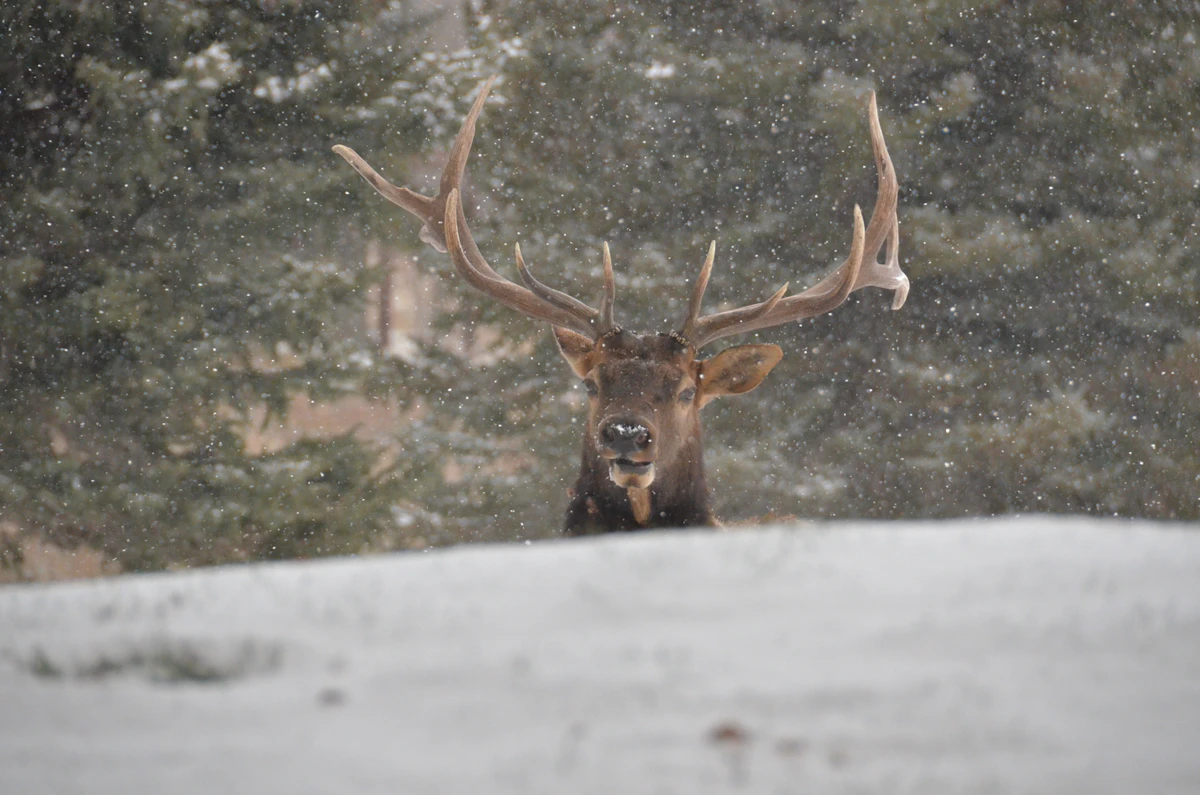
The mature bull you glassed yesterday isn't where you left him. Between opening morning pressure and midday thermals, he slipped into terrain most hunters won't touch. Escape cover isn't just thick timber—it's specific types of nasty country where big bulls feel invisible. If you understand what makes effective escape cover and how to hunt it without spooking everything inside, you gain access to elk that other hunters push around but never see.
What Makes Effective Escape Cover
Mature bulls choose escape cover based on three factors: concealment, thermal advantage, and proximity to feed. The best hideouts offer all three. Dark timber stands on north-facing slopes provide shade and cooler temperatures during midday heat. Logging slash and blowdown create physical barriers that force hunters to make noise or detour around. Creek bottoms with overhanging willows and alder thickets offer both water and screening cover within short distances of meadows.
Not all thick timber qualifies as escape cover. Bulls avoid uniform pole stands where visibility extends twenty yards in every direction. They prefer broken canopy with pockets of darkness—places where a six-point frame disappears at fifteen yards. Mature bulls also favor terrain with multiple exit routes. A single ridgeline covered in blowdown might hold a spike, but a bull that survived five seasons wants escape options toward heavy timber, a hidden drainage, or a saddle leading to the next canyon.
How Bulls Use Terrain Features as Hideouts
Dark timber pockets function as daybeds where bulls bed with the wind at their backs and eyes on their backtrail. These pockets typically sit fifty to two hundred yards below ridgelines, positioned where thermals shift during midday and carry scent uphill. Bulls bed in the shade while monitoring movement below. When pressure arrives from above, they slip downhill into thicker cover or circle around hunters using terrain folds.
Blowdown tangles and slash piles create physical obstacles that most hunters avoid. A mature bull will bed in the middle of a blowdown field, using downed logs as both concealment and early-warning systems. Any hunter trying to push through creates enough noise that the bull moves out the back door before you get close. These tangles work best when adjacent to heavy timber escape routes.
Thermal pockets along creek drainages offer cool air and dense vegetation. Bulls bed in willow thickets and alder patches during midday, moving uphill to feed at dusk. These pockets stay ten to fifteen degrees cooler than surrounding slopes, making them magnets during warm weather. The combination of water, shade, and thick cover creates micro-environments where bulls can hide within a quarter mile of feeding areas.
Hunting Escape Cover Without Spooking Bulls
Still-hunting escape cover requires patience and perfect wind. Move at one-tenth your normal pace. Take three steps, glass for two minutes, repeat. Most hunters blow through escape cover too fast, pushing bulls out before ever seeing them. Your goal is to spot the bull before he knows you exist. Use terrain folds and timber edges to stay concealed while covering ground.
Glass from above whenever possible. Position yourself on a ridge or high point where you can look down into escape cover without entering it. Use binoculars to pick apart shadows and dark pockets. Look for horizontal lines, antler tines, or ear flicks. A bedded bull in dark timber shows only fragments—a patch of hide, the curve of a beam, or a tail flick. Spend twenty minutes glassing a hundred-yard section before moving.
Plan your approach with wind and escape routes in mind. Bulls bed where they can smell danger from below and see movement from above. If you approach from downwind and stay below the bull, you can cut off his primary escape route while keeping your scent out of his zone. Use terrain features to stay hidden during the final approach. A dry creek bed, a fallen log, or a rock outcrop can hide your final stalk.
Timing Your Hunt Around Pressure Patterns
Escape cover hunts work best during high-pressure periods when other hunters push bulls out of preferred feeding areas. Opening weekend, the day after a full moon, and warm weather stretches all drive mature bulls into hideouts. Monitor hunting activity in your area. If trucks line the trailhead and shots echo across the basin, mature bulls are already tucked into escape cover by midmorning.
Midday offers the best window for hunting escape cover. Most hunters return to camp or glass feeding areas during the middle of the day. Bulls bed in escape cover from late morning through mid-afternoon, giving you a four-hour window when they are stationary and other hunters are absent. The trade-off is difficult shooting conditions—thick timber, steep angles, and limited shooting lanes require confidence in close-range shots.
Late-season hunting shifts escape cover patterns. After weeks of pressure, mature bulls become nocturnal and spend daylight hours in the nastiest cover available. They feed in darkness and bed in places where access requires bushwhacking through blowdown or climbing into rocky outcrops. Late-season escape cover sits farther from roads and trails, often requiring overnight camps to hunt effectively.
Terrain Types That Hold Pressured Bulls
North-facing slopes above 9,000 feet provide cool temperatures and dense timber. These slopes hold snow longer in early fall and offer shade during warm weather. Bulls bed in pockets of spruce and fir where canopy density blocks ninety percent of sunlight. Look for breaks in the canopy where a fallen tree or small clearing creates a window for glassing.
Saddles connecting two drainages offer escape routes in multiple directions. A mature bull bedded in a saddle can slip into either drainage without exposing himself on a ridgeline. Hunt saddles by approaching from below and glassing upward into the saddle from a concealed position. Avoid walking through saddles—mature bulls monitor these crossings and will hear you coming.
Rock outcrops and cliff bands create natural barriers that limit hunter access. Bulls bed in timber pockets immediately below cliffs, using the rock wall as protection from above. These spots require unconventional approaches—often climbing to the same elevation as the cliff and working along the base rather than approaching from below. The effort eliminates competition from other hunters.
Using TAGZ to Identify Escape Cover Before You Hunt
TAGZ terrain maps show slope aspect, canopy density, and elevation changes that reveal escape cover before you step into the field. Use the mapping tools to identify north-facing slopes above 8,500 feet with dense timber coverage. Look for drainages that connect multiple basins—these offer movement corridors that mature bulls use to relocate when pressure hits.
Unit boundaries and public land layers help you find escape cover with limited access. Bulls often bed in corners where unit boundaries meet wilderness areas or roadless zones. These spots receive less pressure because hunters focus on accessible feeding areas. Filter units by terrain features and overlay hunting pressure data to find pockets where mature bulls retreat.
Draw odds and preference point tracking help you target units where escape cover hunting offers better success rates. Some units attract more rifle hunters, pushing bulls into escape cover earlier in the season. Other units with limited archery pressure let you hunt escape cover during the rut when bulls are less wary. Compare draw statistics across multiple units to find hunts that match your escape cover strategy.
Reading Sign in Escape Cover
Fresh rubs on tree trunks indicate recent bull activity. Look for rubs on dark timber edges where bulls enter and exit escape cover. Mature bulls rub higher on trees and tear bark more aggressively than younger bulls. A cluster of rubs along a ridgeline or near a water source shows a travel corridor between bedding and feeding areas.
Beds in dark timber reveal size and recent activity. A mature bull bed measures four to five feet long with flattened vegetation and a depression in the dirt. Fresh beds show wet ground where the bull's body heat released moisture. Multiple beds in one area indicate a bull using the same escape cover repeatedly. Position yourself downwind and wait for evening movement.
Droppings and tracks in escape cover confirm bulls are using the area. Fresh droppings appear moist and dark green. Tracks in soft dirt or mud show hoof size and direction of travel. Follow tracks from feeding areas into escape cover to locate bedding zones. Avoid walking directly on tracks—use parallel routes to preserve sign and minimize scent contamination.
Adjusting Your Strategy for Weather and Moon Phases
Warm weather pushes bulls into higher elevation escape cover with cooler temperatures. When daytime highs exceed sixty degrees, mature bulls abandon south-facing slopes and concentrate in shaded north aspects. Focus your hunt on the darkest timber pockets where thermal inversions trap cool air. Bulls bed in these pockets all day and only move during the last hour of shooting light.
Full moon phases shift feeding activity to nighttime and extend bedding periods. Bulls feed under moonlight and bed earlier in the morning, often tucking into escape cover before sunrise. Hunt escape cover throughout the day during full moon periods. The extended bedding window gives you more time to locate bulls in thick cover.
Snow and cold fronts alter escape cover locations. Early-season snow pushes bulls to lower elevations where thermal pockets and south-facing slopes offer warmer bedding. Late-season snow concentrates bulls in windblown ridges and timber edges where forage remains accessible. Adjust your escape cover strategy based on snow depth and temperature patterns.
Common Mistakes Hunters Make in Escape Cover
Moving too fast through escape cover is the most common mistake. Mature bulls detect movement and sound long before you see them. Slow down to the point where covering two hundred yards takes an hour. Use every tree and rock for concealment. Stop frequently to glass and listen. The bull that slips away while you walk past is the bull you came to find.
Ignoring wind direction in thick timber costs more shot opportunities than any other factor. Thermals shift throughout the day, carrying your scent in unpredictable directions. Hunt escape cover during stable wind periods—early morning before thermals rise or late evening after thermals settle. Use powder or milkweed to monitor wind shifts every five minutes.
Assuming escape cover only holds small bulls limits your success. Mature bulls use escape cover more effectively than younger bulls because they understand pressure patterns and terrain advantages. The thickest, nastiest cover often holds the biggest bulls. Commit to hunting difficult terrain and you will encounter bulls that other hunters never see.
Building a Long-Term Escape Cover Strategy
Scout escape cover during summer scouting trips when bulls are still in bachelor groups. Identify terrain features before hunting season pressure scatters elk. Mark waypoints for dark timber pockets, blowdown fields, and thermal drainages. Document access routes and glassing points. A summer scouting trip builds a mental map that guides your hunting strategy when pressure hits.
Track your observations across multiple seasons. Note which escape cover areas hold bulls consistently and which become less productive over time. Logging activity, wildfires, and changing access patterns alter escape cover quality. Revisit productive areas annually and adapt your strategy based on current conditions.
Use TAGZ to organize your escape cover waypoints and compare terrain features across multiple units. Store notes about wind direction, access routes, and bedding locations. Filter units by terrain characteristics that match your escape cover hunting style. Build a database of high-quality escape cover areas so you can plan future hunts with confidence.
FAQ — Escape Cover Hunting
What is escape cover for elk?
Escape cover is thick, difficult terrain where mature bulls hide when hunting pressure arrives. It includes dark timber pockets, blowdown tangles, north-facing slopes, and creek drainages with dense vegetation that provides concealment and thermal advantage.
When do bulls move into escape cover?
Bulls retreat to escape cover when hunting pressure increases, typically starting on opening morning and intensifying throughout the season. They also use escape cover during warm weather, full moon phases, and midday periods regardless of pressure.
Can you call bulls out of escape cover?
Calling works best at dawn and dusk when bulls are already moving between bedding and feeding areas. Midday calling in escape cover rarely works because bedded bulls are locked down. Still-hunting and glassing produce better results during midday hours.
How do you approach a bull bedded in escape cover?
Approach from downwind using terrain features for concealment. Move slowly, glassing constantly. Position yourself to cut off escape routes while keeping your scent below the bull. Use dry creek beds, ridges, and timber edges to hide your approach.
Does escape cover change during the rut?
Yes. During the rut, bulls spend more time in feeding areas near cows and less time in escape cover. However, satellite bulls and subordinate bulls still use escape cover to avoid dominant herd bulls. Post-rut, mature bulls return to escape cover and become extremely wary.
Is escape cover worth hunting for archery hunters?
Yes, especially during warm weather and high-pressure periods. Archery hunters benefit from quieter movement and better close-range shooting in thick timber. The challenge is getting within bow range without being detected, which requires perfect wind and extreme patience.
Continue Planning Your Hunt
Understanding escape cover gives you access to mature bulls that most hunters never encounter. The combination of terrain knowledge, timing, and patience separates successful escape cover hunters from those who chase fresh sign in pressured feeding areas. Focus on the nastiest terrain with multiple escape routes and you will find bulls that survive season after season.
TAGZ helps you identify escape cover using terrain maps that show slope aspect, elevation, and canopy density across every western unit. Compare units side by side to find drainages with limited road access and thick timber pockets where mature bulls retreat when pressure hits. Track your preference points and bonus points across multiple states so you can target units that match your escape cover hunting strategy.
Whether you are planning your first backcountry elk hunt or refining your approach after years in the field, TAGZ gives you the tools to make smarter decisions before you ever step into the mountains. Filter hunts by weapon type, season dates, and terrain features. Use unit maps to scout escape cover from home and build a hit list of high-quality bedding areas. When opening day arrives, you will know exactly where to find the bull other hunters pushed out of the meadow.
Explore more elk hunting strategies and unit breakdowns on the TAGZ Insights page. Ready to start planning your next hunt? Check out TAGZ pricing and see how the platform simplifies draw applications and unit research. Learn more about terrain mapping and draw odds analysis on the TAGZ product page.
Was this article helpful?
Previous
Best Budget Elk Calls — Proven Options for Under $40
You do not need expensive gear to call in a bull. These budget elk calls under $40 deliver proven performance for bugle tubes, diaphragms, and cow calls without breaking the bank.
Next
Complete Guide to Whitetail Hunting: Strategies, Tactics & Year-Round Planning
Master whitetail hunting with proven strategies for scouting, stand placement, rut tactics, and shot selection. This complete guide covers everything from pre-season preparation to post-season evaluation for consistent success on whitetail deer.