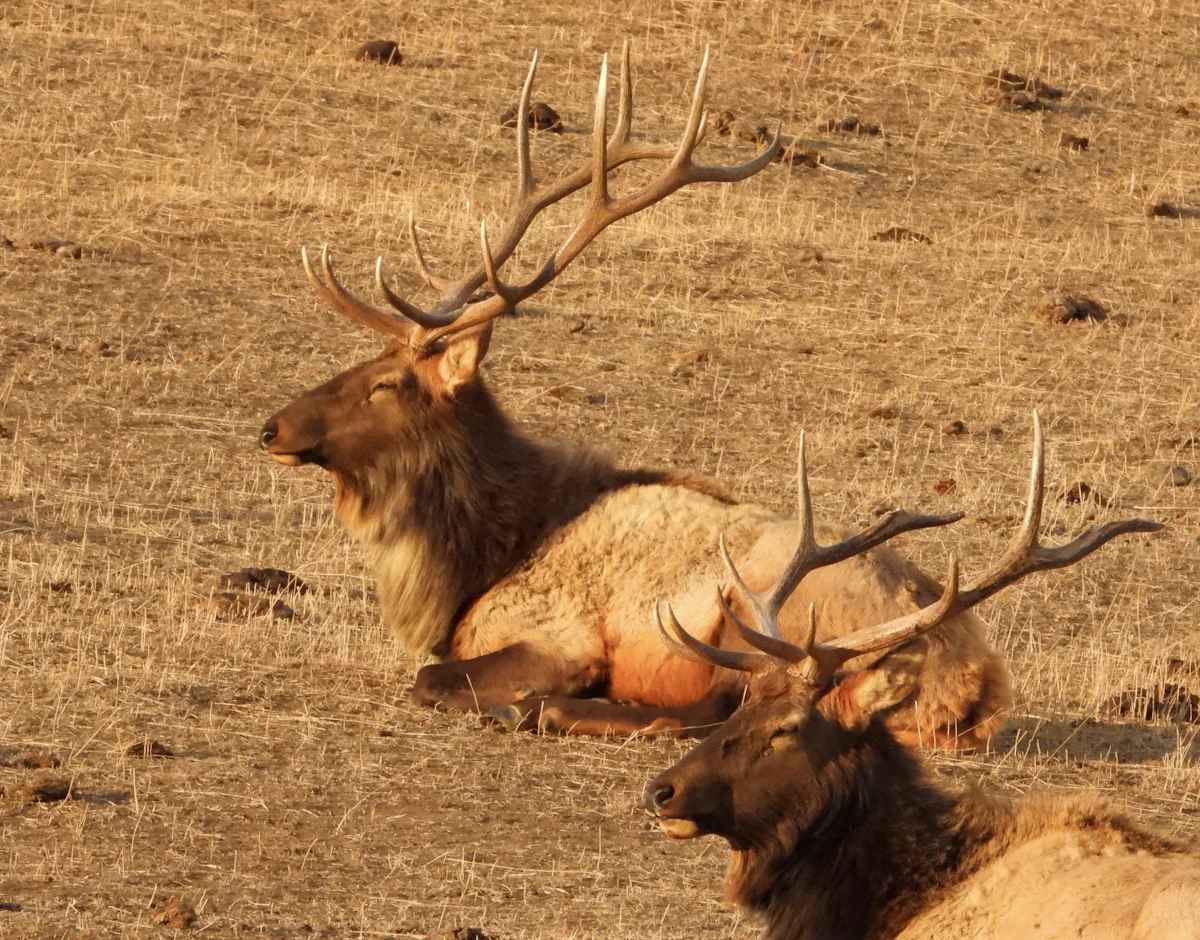
Elk Contact Calls vs Assembly Calls: When to Use Each
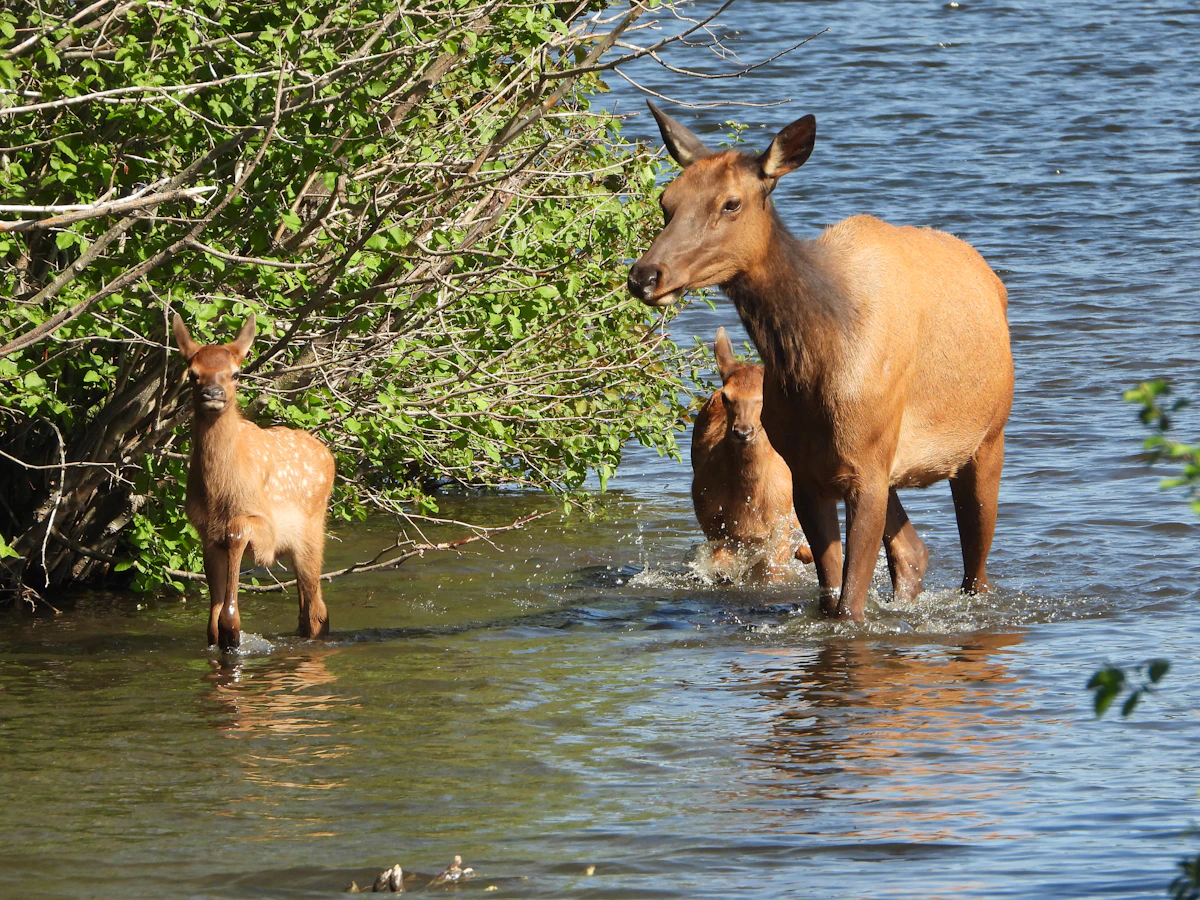
Most elk hunters know how to bugle and cow call, but few understand the critical difference between contact calls and assembly calls. These two cow vocalizations serve completely different purposes in herd communication, and using the wrong one at the wrong time can turn a promising setup into a silent hillside.
Contact calls are the soft mews and chirps cows use throughout the day to maintain contact while feeding or traveling. Assembly calls are the louder, more urgent lost calls cows use to reunite scattered herds during morning and evening transitions. Bulls respond differently to each, and your calling strategy should change based on time of day, elk behavior, and whether you're targeting herd bulls or satellites.
What Are Elk Contact Calls?
Contact calls are the steady background chatter of a calm herd. Cows use them to communicate location without urgency — think of them as the elk equivalent of friends talking while walking together. These are soft, nasally mews that last one to two seconds, often delivered in sequences of two or three calls with short pauses between.
You'll hear contact calls most frequently during mid-morning through mid-afternoon when herds are feeding or bedded. A cow might mew every few minutes to let other cows know where she is, or a calf might chirp to stay close to its mother. The tone is relaxed and conversational, never frantic or loud.
Herd bulls largely ignore contact calls during daylight hours because they signal that the herd is calm and together. Satellite bulls, however, sometimes investigate contact calls hoping to find a lone cow or a group without a dominant bull. This makes contact calling effective for bringing in younger bulls during midday when herd bulls are bedded with their cows.
What Are Elk Assembly Calls?
Assembly calls are the urgent, repetitive lost calls cows use when separated from the herd. These are louder, more insistent mews delivered in rapid sequences — often five to ten calls in a row with minimal pause. The tone rises slightly in pitch and carries real urgency, like someone calling out for a missing friend.
Cows use assembly calls most often at dawn and dusk when herds are transitioning between bedding and feeding areas. If a cow gets separated during the night or a group splits up during an evening move, she'll assembly call to relocate the main herd. These calls carry much farther than contact calls and are designed to be heard across drainages.
Bulls respond aggressively to assembly calls during the rut because they signal vulnerability. A separated cow is an opportunity for a satellite bull to steal breeding, which makes herd bulls come in fast to reclaim their cows. This is why assembly calling at first light or last light can trigger immediate responses when contact calling midday produces nothing.
When to Use Contact Calls
Contact calling works best during midday when elk are feeding or bedded and herd bulls are less aggressive. Between 10 a.m. and 3 p.m., most mature bulls are resting with their cows and won't respond to aggressive bugles or loud cow calls. But soft contact calling can pull in curious satellite bulls or convince a feeding herd to drift your direction.
Use contact calls when you're still-hunting through timber or posted on a wallow during midday. Call every five to ten minutes with soft mews, mimicking a cow feeding her way through the timber. If you hear other cows calling, match their cadence and volume — the goal is to blend in and sound like part of the herd.
Contact calling also works when elk have been pressured and are call-shy. Aggressive bugles and loud cow calls often spook educated bulls, but soft contact calling sounds natural and non-threatening. Bulls that won't respond to traditional calling sometimes circle downwind to a hunter making quiet contact calls, thinking they've found an undisturbed herd.
When to Use Assembly Calls
Assembly calls are most effective during the first and last two hours of daylight when herds are moving and bulls are actively guarding cows. At dawn, bulls are rounding up cows that scattered during the night. At dusk, they're moving herds toward feeding areas and competing with satellites trying to steal cows during the transition.
Use assembly calling when you hear bugles or cow calls in the distance and want to pull the herd your direction. Make a series of six to eight urgent mews, pause for 30 seconds, then repeat. The urgency tells the bull that a cow is separated and needs the herd, which triggers his instinct to investigate and reclaim her before a rival does.
Assembly calling also works when you've located a herd but can't get close enough for a shot. Set up 200 to 400 yards from the herd, assembly call aggressively, then immediately relocate 50 to 100 yards. This mimics a cow that was spooked away from the herd and is now trying to get back. Bulls often leave their cows to investigate, giving you a setup opportunity on the approach.
Mixing Contact and Assembly Calls
The most effective elk callers don't rely on one call type — they blend contact and assembly calls based on elk behavior and time of day. Start mornings with assembly calling to locate herds and trigger responses. Switch to contact calling midday when you're still-hunting or sitting water. Return to assembly calling during the evening transition.
Pay attention to how elk respond and adjust your calling. If a bull bugles back to your assembly calls but hangs up, switch to soft contact calls to sound less threatening. If elk respond to contact calls by drifting closer but won't commit, throw in a few assembly calls to create urgency and make the bull think another cow is leaving.
The biggest mistake hunters make is calling too aggressively all day long. Constant loud cow calling sounds unnatural and spooks pressured elk. Use contact calls as your baseline, then switch to assembly calls only when the situation warrants urgency — sunrise, sunset, or when you need to pull a bull away from his cows.
Reading Elk Responses to Different Calls
Elk tell you which call to use based on how they respond. If you assembly call and a bull bugles once but doesn't move, he's telling you he's with cows and not interested in a separated cow. Switch to soft contact calling — you might convince the herd to feed your direction, or a satellite bull might slip in thinking he found an unguarded group.
If you contact call and hear cows calling back, match their rhythm and volume. You've found a herd that's calm and feeding, and you don't want to disrupt that with aggressive calling. If the cows go silent after you call, you either spooked them or they've pinpointed your location and are waiting to see what you do next. Shut up and wait — bulls often circle downwind to investigate without making a sound.
When a bull responds aggressively to assembly calls — bugling repeatedly and crashing through timber — he's coming to reclaim what he thinks is his cow. Get ready fast, because these bulls often cover ground in a hurry and don't stop to offer clean shots. When a bull responds to contact calls by mewing back without bugling, he's likely a younger satellite trying to locate the source without alerting the herd bull.
How TAGZ Helps You Scout Productive Elk Terrain
Successful elk calling depends on setting up in areas where elk naturally move and vocalize. TAGZ helps hunters identify these high-probability zones by analyzing terrain, public land access, and unit-specific elk behavior. Use TAGZ maps to find transition zones between bedding and feeding areas where assembly calling works best at dawn and dusk. Filter units by terrain type to locate timbered benches and aspen pockets where contact calling pulls in midday bulls.
TAGZ also tracks draw odds and preference point requirements across western states, helping you target units where calling pressure is lower and elk are less educated. Bulls in high-pressure units often go silent by mid-September, but TAGZ helps you find overlooked units where elk still respond to calling throughout the season. Plan your applications around units with the right mix of elk density, public access, and terrain that favors calling setups.
FAQ — Elk Contact Calls vs Assembly Calls
What is the main difference between contact and assembly calls?
Contact calls are soft, relaxed mews cows use to maintain communication while feeding or traveling. Assembly calls are louder, urgent lost calls used to reunite separated herds at dawn and dusk.
When should I use contact calls instead of assembly calls?
Use contact calls during midday when elk are feeding or bedded and bulls are less aggressive. Switch to assembly calls at sunrise and sunset when herds are transitioning and bulls are actively guarding cows.
Do bulls respond differently to contact calls versus assembly calls?
Yes. Herd bulls often ignore contact calls during the day but respond aggressively to assembly calls because they signal a separated cow. Satellite bulls investigate both call types but respond more readily to soft contact calling.
How many calls should I make in a sequence?
Contact calls work best in sequences of two to three soft mews with pauses between. Assembly calls are more effective in rapid sequences of six to ten urgent mews to mimic a truly lost cow.
Can I use both call types in the same setup?
Yes. Start with assembly calling to locate elk and trigger responses, then switch to contact calling if bulls hang up or seem call-shy. Adjust based on how elk respond.
What happens if I use assembly calls at the wrong time?
Assembly calling midday when herds are calm can sound unnatural and spook pressured elk. Bulls that are bedded with cows rarely respond to lost calls during mid-morning through mid-afternoon.
Continue Planning Your Hunt
Elk calling is only part of a successful hunt — choosing the right unit and understanding draw odds matters just as much. TAGZ helps western hunters research units, track preference points, and build multi-state application strategies that maximize draw success. Explore the TAGZ Insights blog for more elk hunting tactics, draw strategy breakdowns, and unit-specific research. Ready to simplify your hunt planning? Check out TAGZ pricing and see how the platform helps thousands of hunters draw better tags every year.
Was this article helpful?
Previous
How to Hunt Effectively in the Rain — Tactics for Wet Weather Success
Rain changes animal behavior and hunter strategy. Learn how to adapt your tactics, gear, and mindset to turn wet weather into a tactical advantage in the field.
Next
Afternoon Elk Bedding Patterns: Where Bulls and Cows Rest During Midday
Elk retreat to predictable bedding areas during afternoon hours to ruminate and escape midday heat. Understanding these patterns helps hunters position for evening movements and increases success during midday stalks.