Hardest Pronghorn (Antelope) Units to Draw With the Highest Trophy Potential Across the West (2026)
Introduction
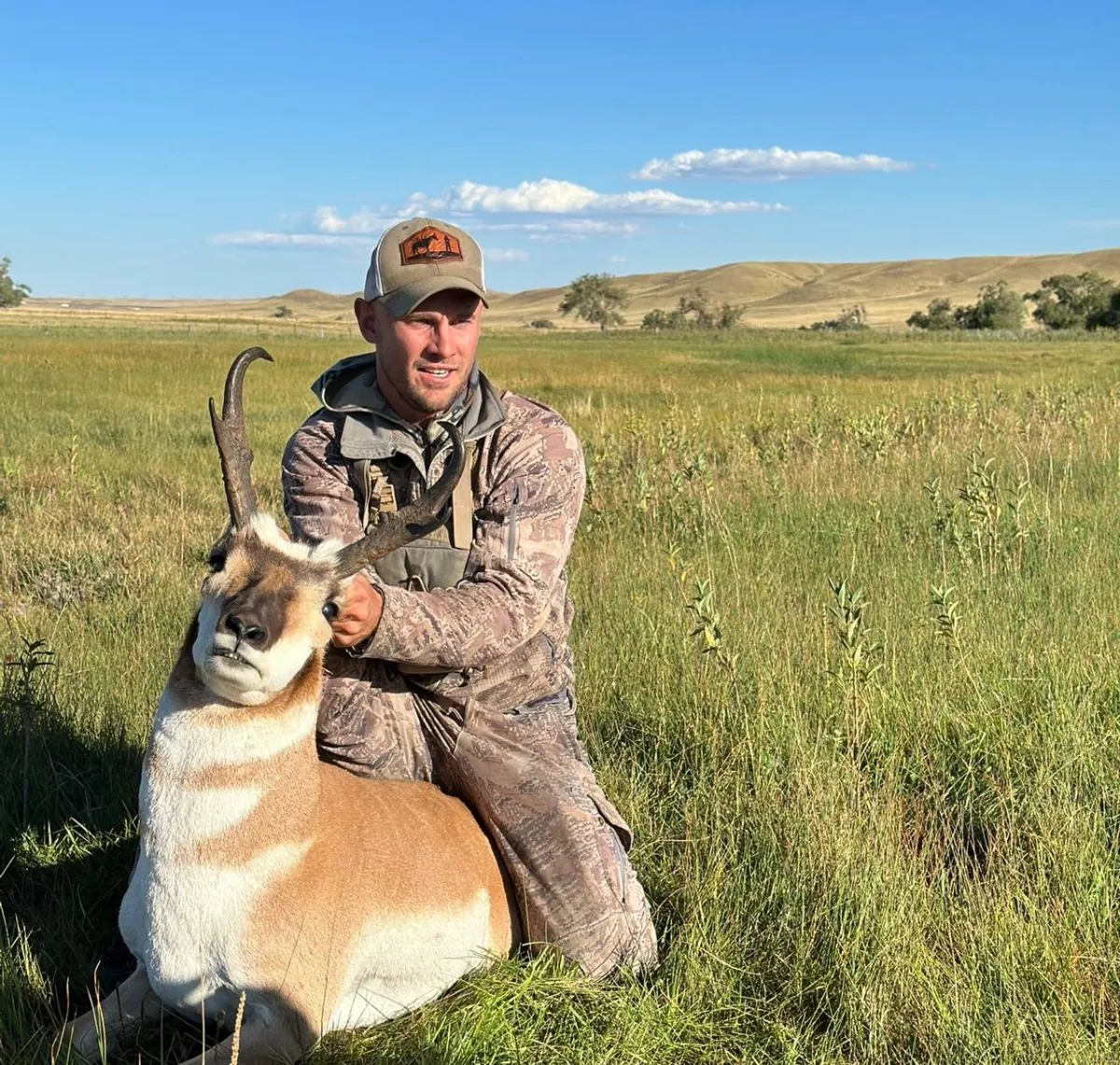
If you’ve spent any time looking into pronghorn hunting out West, you’ve probably noticed the same thing—there’s a huge gap between easy-to-draw units and true trophy areas. Most antelope hunts are about opportunity, but a handful of units are on a completely different level. These are the places where 80-inch bucks aren’t rare and where guys are willing to wait years, sometimes decades, for a tag. If you’re chasing top-end pronghorn, this is the side of the game you’re playing.
What Makes a Trophy Pronghorn Unit
Trophy antelope units aren’t just random areas with a few big bucks. They’re managed for age class, buck-to-doe ratios, and limited tag numbers. That combination is what allows bucks to reach older age and grow the kind of horns people travel across the country for. The tradeoff is simple—limited tags mean long waits, high demand, and tough draw odds.
Wyoming — The Gold Standard
Wyoming is the heart of pronghorn hunting, and it’s home to some of the best antelope units in the country. If you’re chasing a true trophy, this is where most hunters look first. Units like 60, 61, 62, 63, 64, 67, 68, and 69 are known for producing top-end bucks year after year. These areas have strong genetics, great habitat, and tight tag numbers, which is why demand is so high. You’ll find bucks here that push well past 80 inches, with some getting into that upper tier most hunters never see. The downside is draw odds—these units take years of points, especially for non-residents.
Arizona — Limited Tags, Giant Bucks
Arizona doesn’t give out many pronghorn tags, but when it does, the quality is hard to beat. Units like 1, 2B, 3A, 3C, and 10 are consistently at the top for trophy antelope. Low tag numbers and careful management allow bucks to reach full maturity. The bonus point system gives everyone a chance, but realistically, this is a long-term play. When it finally comes together, you’re hunting some of the best antelope country in the West.
New Mexico — Random Chance, Big Reward
New Mexico stays in the conversation because there are no points. Every year you apply, you’ve got a shot. Units like 15, 16, 17, 19, and 20 have all produced strong bucks over the years. They don’t always get the same spotlight as Wyoming or Arizona, but the potential is there. You might draw your first year or wait a long time, but it’s always worth being in the mix.
Nevada — Quietly Elite
Nevada pronghorn hunting doesn’t always get the same attention, but it’s as good as it gets when it comes to quality. Units like 011, 012, 013, 014, 033, and 041 consistently produce mature bucks with strong horn growth. Limited tags and low pressure allow bucks to age, and that shows in the quality. Like Arizona, this is a long game, but the payoff is worth it.
Utah — Limited Entry Quality
Utah’s limited-entry system produces high-quality antelope hunts. Areas like the Book Cliffs, Nine Mile, and Fillmore regions are known for solid bucks with good horn length and mass. These hunts are tightly controlled, and while they take time to draw, they offer a high-end experience once you’re there.
Colorado — More Than Just the Plains
Colorado doesn’t get talked about enough for trophy pronghorn, but there are definitely units that can produce if you know where to look. Most people focus on the eastern plains, and for good reason—Units 2, 3, 10, 11, and 201 have a track record of producing bigger bucks with good genetics and open country that lets them grow.
What gets overlooked are some of the western slope and northwest units. Areas like 3, 4, 5, 10, and 11 in the northwest corner of the state offer lower pressure, big country, and the kind of terrain that allows bucks to age. You won’t always see the same consistency as Wyoming’s top units, but there’s real trophy potential there, especially in years with good moisture.
These western slope units don’t always get the same number of applicants because they’re less predictable, but that’s also what makes them interesting. Fewer eyes, less pressure, and the chance to turn up a better buck than most people expect.
The Reality of Trophy Pronghorn Hunting
The biggest thing to understand about trophy antelope hunting is that it’s a waiting game. These units are popular for a reason, and demand doesn’t go away. Most hunters chasing top-end bucks are applying in multiple states every year, building points where needed, and staying in the mix wherever they can.
Final Thoughts
If your goal is to hunt the biggest pronghorn bucks in the West, you’re going to have to play the long game. There’s no shortcut around that. But when it finally comes together, you’re stepping into a hunt that’s on a completely different level. At the same time, the smartest hunters balance these applications with easier tags so they can keep hunting while they wait.
Was this article helpful?
Previous
What Is a Controlled Hunt
Controlled hunts limit tag numbers through a draw system to reduce pressure, improve success rates, and maintain healthy wildlife populations.
Next
What Is OTC Hunting
OTC hunting allows you to buy a tag without a draw, but increasing pressure and changing regulations mean success now depends on strategy and timing.