What to do if you don’t draw a hunting tag
Most hunters treat the draw like it’s all or nothing. Results come out, they don’t draw, and that’s it—they’re done for the year.
That’s the wrong way to look at it.
Not drawing doesn’t end your season. It just means you move to the next option. The guys who stay in the field every year expect to miss draws. They don’t get stuck on it—they already know what they’re doing next.
That’s the difference.
When results hit, a few things happen depending on the state. In preference point systems, you usually gain a point if you didn’t draw your top choice. In bonus states, your odds improve moving forward. In random states, nothing carries over—but you still had a shot.
Either way, you didn’t lose anything unless you stop there.
The first place to look is leftover tags. After the main draw, a lot of tags go unclaimed. Some weren’t picked, some got passed over, some just didn’t have enough applicants.
Those tags don’t disappear.
They get released again, and in a lot of cases, they can be picked up with little to no points. Sometimes it’s another draw. Sometimes it’s first-come, first-served. Either way, it’s one of the most consistent ways to stay in the field.
Most hunters don’t even check.
Secondary draws are another shot. These are separate from leftovers and usually come with better odds because demand drops off after the main draw. You’re not pulling from the top shelf, but you’re still hunting.
And that’s what matters if your goal is consistency.
Then there’s what’s left of OTC and limited sales. It’s not what it used to be, but it’s still there in certain states and situations. If you’re willing to adjust your expectations—different unit, different timing—you can still make something happen.
The key is not being locked into one outcome.
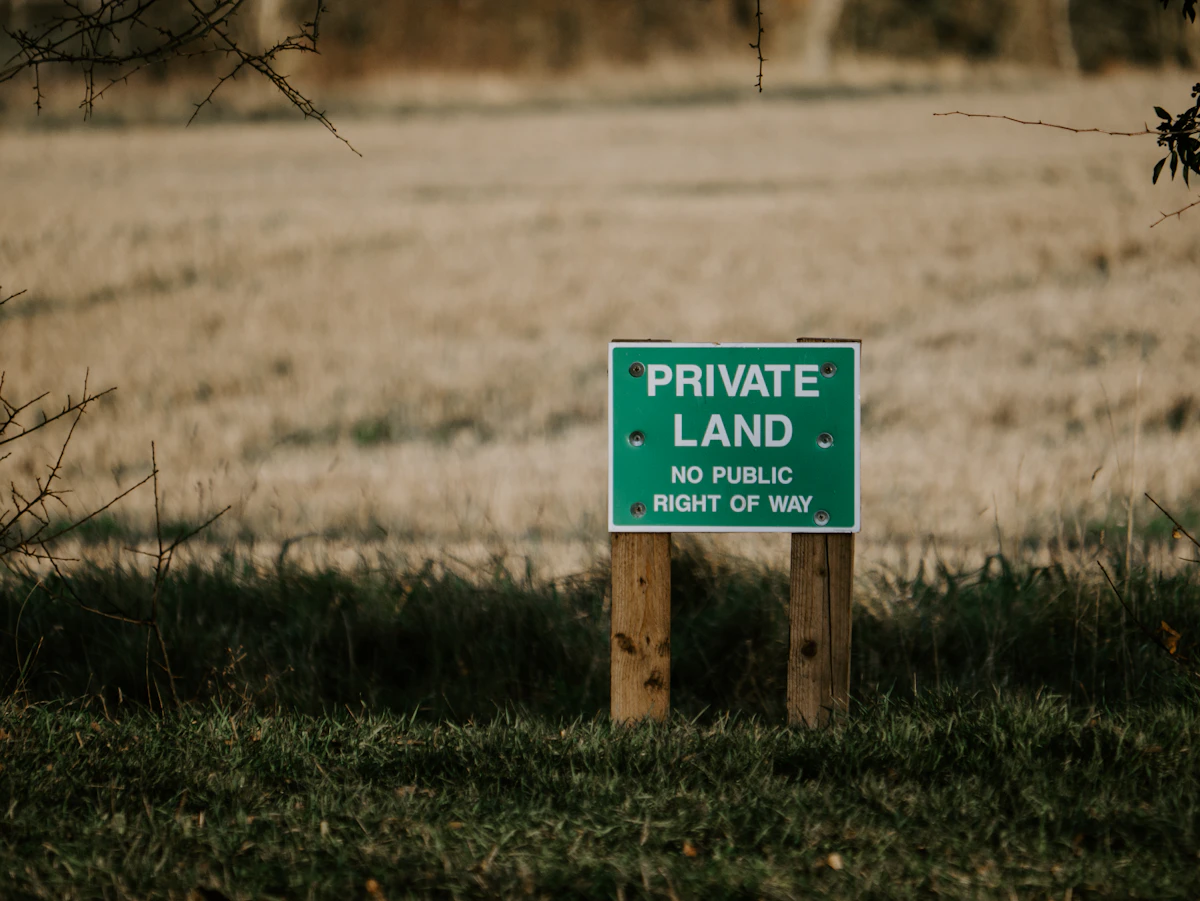
The option a lot of guys ignore is private land. Landowner tags, vouchers, outfitter allocations—these exist whether you draw or not. In some states, those tags can be transferred or sold, which means you can still hunt even if you struck out in the main draw.
It’s not the cheapest option, but it’s one of the most reliable.
If your goal is to be in the field, it needs to be on the table.
The biggest shift is mindset. Experienced hunters don’t wait around after results. They pivot immediately. They’re checking leftover releases, watching secondary draw dates, and already thinking through backup plans.
They don’t waste time.
That’s how they stay consistent.
There’s also long-term value in missing a draw that most people overlook. In point systems, you’re still building toward something. Your odds improve over time, even if it doesn’t feel like it right now.
At the same time, if you’re finding other ways to hunt, you’re building experience. And that experience matters more than any point total.
That’s what makes future hunts successful.
Where most hunters mess this up is treating the draw like the only opportunity. They don’t draw, and they shut it down. Or they ignore leftovers and secondary options because they’re not “ideal.”
Or they won’t even consider private land because it’s different from how they planned it.
All of that leads to the same result—no hunt.
At the end of the day, the system isn’t built around one chance. It’s built with multiple entry points. The main draw is just one of them.
If you stop there, you’re choosing to sit out.
If you keep moving, you’ll find a way to hunt.
Was this article helpful?
Previous
Easiest Pronghorn (Antelope) Units to Draw With 0–Low Points Across the West (2026)
Wyoming, Colorado, Montana, and New Mexico all offer antelope units you can draw with 0–3 points. Focus on access, opportunity, and hunting smart to stay in the field.

Next
Planning a Western Hunt
A successful western hunt plan includes multiple states, a mix of opportunity and point strategies, and backup options so you can hunt every year.