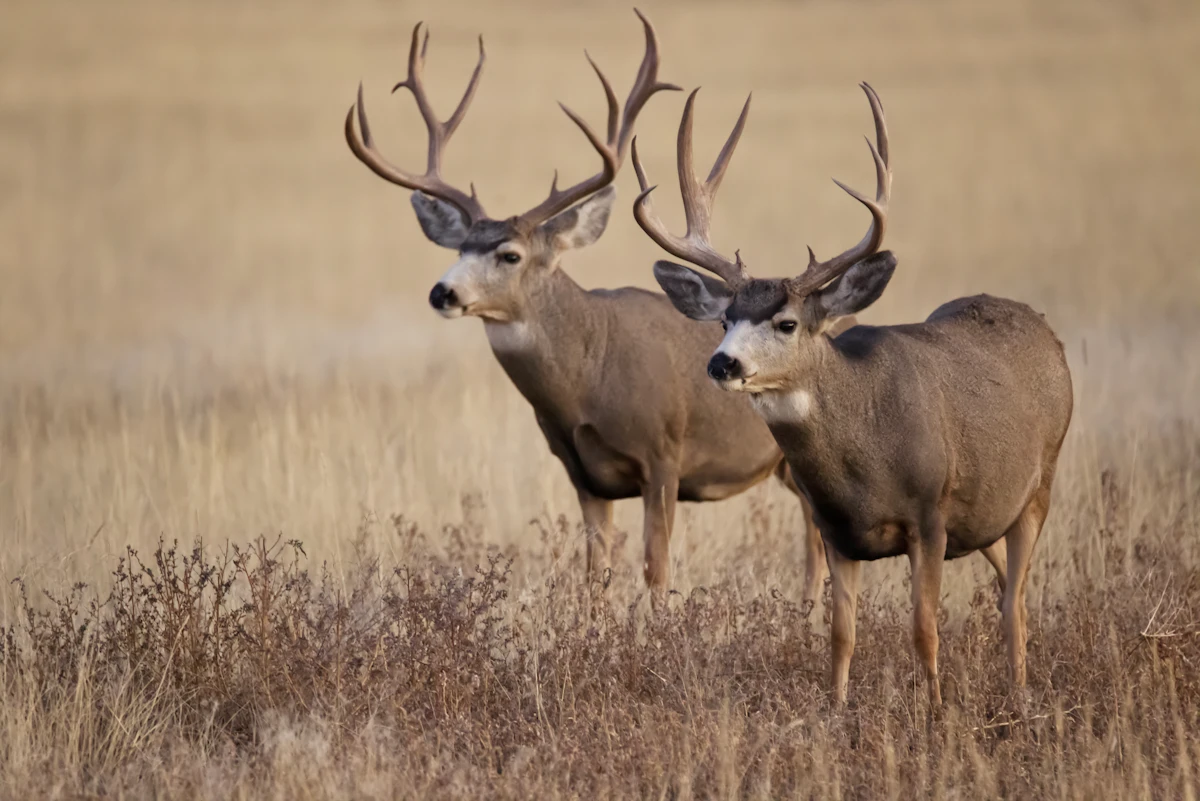
Calling Solo Bulls: Strategies That Work When You're Hunting Alone
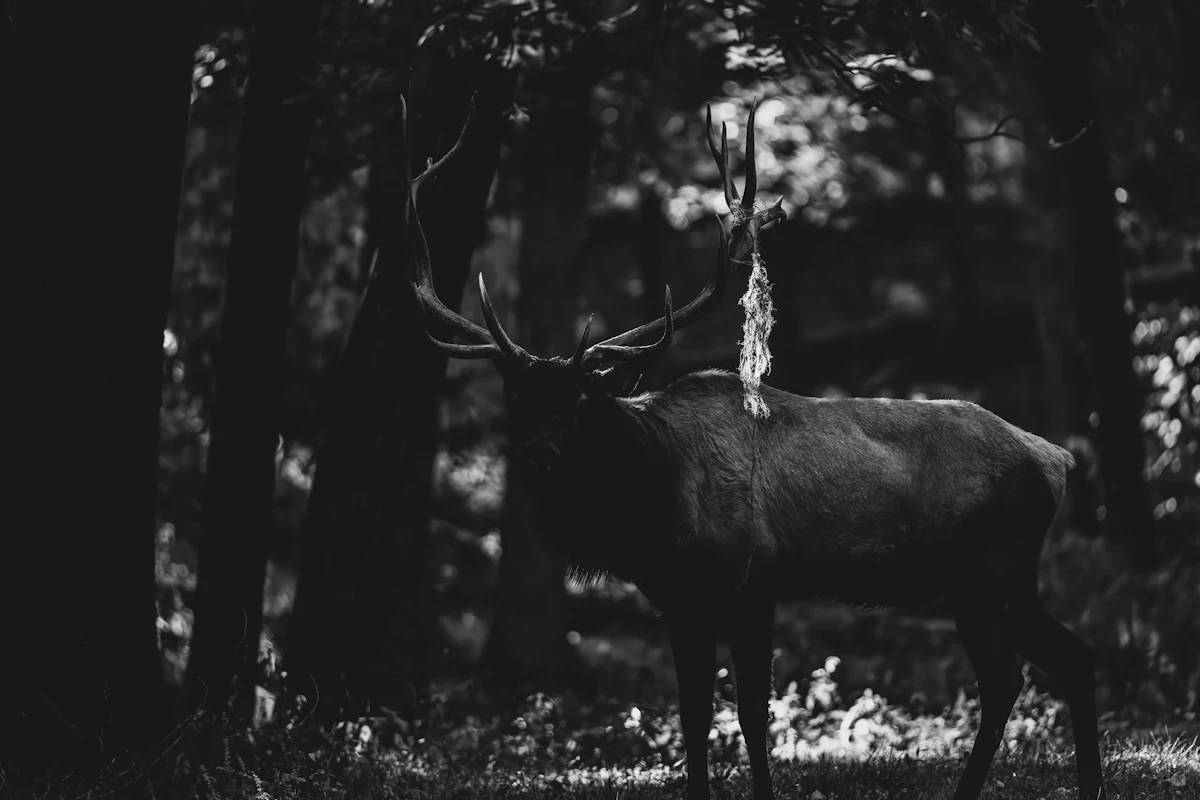
Calling elk solo is one of archery season's biggest challenges. Without a partner to distract the bull or work multiple setups, every decision falls on you. Move too soon and the bull hangs up. Call too much and he circles downwind. But master the rhythm of solo calling and you'll consistently bring bulls into range without backup.
The core principle is simple: you must sound like multiple elk, control the bull's approach angle, and stay mobile enough to capitalize on his mistakes. Here's how to do it.
Why Solo Calling Changes Everything
When you hunt with a caller, the setup is straightforward. One hunter calls from behind while the shooter stays silent 30 to 50 yards ahead. The bull commits to the caller's position, walks past the shooter, and the shot happens before he realizes the setup.
Solo hunters don't have that luxury. You are the caller and the shooter. The bull is coming straight to your exact position. If he hangs up at 60 yards in thick timber, you can't close the distance without spooking him. If he circles downwind, there's no second hunter to intercept him.
This forces a different approach. Instead of calling from a static position, solo hunters must use terrain, wind, and calling sequences that pull the bull into close range on a predictable path. The goal is to make the bull commit hard enough that he walks into bow range before he stops to look for the cow he heard.
The Best Solo Setups
Terrain matters more when you're alone. Open meadows and ridge tops sound appealing, but they expose you too early. The bull sees no elk where your calls came from and either hangs up or circles to investigate.
Instead, set up in terrain that funnels the bull's approach. Look for:
Saddles and benches. Bulls moving uphill naturally follow the path of least resistance. A saddle between two ridges or a flat bench halfway up a slope forces the bull onto a predictable line. Set up 20 yards downhill from the saddle so he crests into bow range.
Thick creek bottoms. Calling from dense cover along a drainage gives you concealment and makes it harder for the bull to pinpoint your exact location. He'll push through the brush toward the sound, often closing to 30 yards before he sees anything.
Downwind of bedding areas. If you know where bulls are bedding, set up 150 to 200 yards downwind in the direction they'll travel to feed. Call sparingly. A bull leaving his bed will often drift toward soft cow calls without committing hard, closing the distance on his own terms.
Avoid calling from the bottom of a canyon or the top of an exposed ridge. Bulls approaching from below will stop to look uphill before committing. Bulls approaching from above will skyline you before they're in range.
Calling Sequences That Work Solo
Your calling must sound like multiple elk, not a single cow standing in one spot. Bulls expect cows to move, feed, and interact with each other. A solo cow mewing in the same location for 10 minutes raises suspicion.
Start with soft cow calls. Two or three mews, spaced five to 10 seconds apart, then silence for two to three minutes. If the bull bugles back, resist the urge to call again immediately. Let him wonder if the cow heard him. Wait 60 to 90 seconds, then call again from a slightly different position—move 10 to 15 yards if possible, or just turn your body to change the sound's origin point.
If the bull is coming but hangs up, switch to aggressive cow calls. A sharp estrous whine or a series of excited mews can trigger his jealousy. Mix in a single soft bugle—not a challenge, just a young bull sound—to suggest competition. This often tips a cautious bull into committing.
If the bull goes silent, don't panic. He may be closing the distance without vocalizing. Wait five minutes before calling again. If he still doesn't respond, move 100 yards toward his last known position and call again. You're mimicking a cow that lost interest and walked away. This works especially well on pressured bulls that have been called to before.
Managing Wind and Scent
Wind discipline is non-negotiable when calling solo. The bull is coming to your exact location. If he hits your scent cone, the hunt is over.
Always set up with the wind in your face, angling toward where you expect the bull to approach. If the wind is swirling or shifting, don't call. Wait for stable conditions or reposition to a different drainage.
Use scent control, but don't rely on it. Wash your clothes in scent-free detergent, spray down with scent killer, and keep your wind checker handy. But the real defense is setup location. Choose spots where the terrain forces the bull to approach from downwind or crosswind. If he tries to circle, he'll run into a barrier—a cliff, a thick blowdown, or a creek—that turns him back toward your position.
If you're set up in a saddle, position yourself on the downwind side so the bull must cross the saddle into your scent-free zone before he reaches shooting distance. If you're in a drainage, set up on the downwind bank so the bull has to commit to the bottom before he can wind you.
When to Move and When to Stay Put
The biggest mistake solo hunters make is staying put when the bull hangs up. If he bugles from 200 yards and then goes silent, he's either coming in quiet or he's lost interest. Waiting five more minutes won't change that.
Instead, move toward him. Not aggressively, but like a cow feeding through the timber. Call softly as you move, then stop and call again from the new position. This often sparks a bull's territorial instinct. He hears the cow leaving and rushes to catch up before she disappears.
If the bull is bugling consistently but not closing, he wants the cow to come to him. You have two options: call less and wait him out, or aggressively move toward him while calling. The first works on lazy bulls that eventually give in. The second works on territorial bulls that won't tolerate another elk in their space.
Never sit in one spot calling for more than 15 minutes without a response. You're better off relocating and trying a different setup than waiting for a bull that isn't interested.
Safety Considerations When Calling Alone
Calling solo on public land during archery season carries real risk. Other hunters hear your bugles and cow calls. Some of them are experienced enough to recognize your setup. Others are not.
Wear blaze orange when moving between setups, even during archery season where it's not required. A blaze orange hat or vest makes you visible to other hunters without spooking elk at distance. Remove it before you start calling.
If you hear another hunter calling nearby, stop immediately. Either relocate to a different drainage or wait until they move on. Calling back and forth with another hunter creates a dangerous situation where neither of you knows the other's exact location.
If you're calling near a road or trailhead, expect other hunters in the area. Avoid aggressive bugling that might pull in someone who mistakes you for a bull. Stick to soft cow calls and be hyper-aware of your surroundings.
Carry a whistle. If you shoot a bull and need help packing it out, three sharp whistle blasts are the universal distress signal. It's far safer than yelling, which can sound like elk vocalizations to other hunters.
How TAGZ Helps You Find Solo Calling Country
Finding elk country where you can call solo without running into other hunters starts with the right unit research. TAGZ lets you compare terrain maps, public land boundaries, and access points across western units so you can identify drainages and basins far from trailheads.
Use the terrain breakdown feature to find units with saddles, benches, and funnels that favor solo setups. Filter by weapon type and season to see which units have limited archery pressure. Track your preference points and bonus points across multiple states so you can apply for tags in units where the draw odds favor serious elk hunters, not just easy-access general units.
Whether you're planning an OTC Colorado hunt or applying for limited-entry tags in Wyoming or Montana, TAGZ gives you the unit-by-unit breakdown you need to find calling country where the bulls respond and the pressure stays low.
FAQ — Calling Solo Bulls
Can you successfully call in a bull elk while hunting alone?
Yes. Solo hunters regularly call in bulls during archery season using terrain setups that funnel the bull's approach and calling sequences that mimic multiple elk. The key is controlling wind and positioning yourself where the bull must commit before he can pinpoint your exact location.
What is the best call to use when hunting elk solo?
Soft cow calls work best for solo hunters. Start with two to three mews spaced five to 10 seconds apart, then go silent for two to three minutes. If the bull responds but hangs up, switch to aggressive estrous whines or mix in a soft bugle to suggest competition.
Should you move toward a bull that bugles but won't come in?
Yes. If a bull bugles from 200 yards and then goes silent, move toward him while calling softly like a cow feeding through timber. This often triggers his territorial instinct and pulls him into range. Sitting still and calling repeatedly from the same spot usually fails on bulls that want the cow to come to them.
How do you keep a bull from circling downwind when you're alone?
Set up in terrain that blocks the bull's ability to circle. Saddles, benches, and creek bottoms force the bull onto a predictable approach path. Position yourself on the downwind side of the terrain feature so the bull must commit to close range before he can catch your scent.
Is it safe to bugle on public land when hunting solo?
Bugling on public land carries risk because other hunters may respond or move toward the sound. Stick to soft cow calls in high-pressure areas and avoid aggressive bugling near roads or trailheads. Always wear blaze orange when moving between setups and stop calling if you hear another hunter nearby.
How long should you wait before moving if a bull goes silent?
Wait five minutes after the bull goes silent, then move 100 yards toward his last known position and call again. If he still doesn't respond, reposition to a different drainage. Bulls often go quiet because they're closing the distance without vocalizing, but if they've lost interest, sitting still won't change that.
Continue Planning Your Hunt
Calling solo bulls successfully requires the right terrain, the right setup, and the right units. TAGZ helps you find elk country where the pressure stays manageable and the terrain favors lone hunters. Compare units side by side using terrain maps and public land boundaries. Track your preference points and bonus points across multiple states so you never miss a draw deadline. Whether you're chasing OTC tags or planning a trophy limited-entry hunt, TAGZ gives you the tools to make smarter decisions before you ever step into the field.
Explore more elk hunting strategies on the TAGZ Insights blog, compare draw odds and terrain breakdowns on the TAGZ product page, or start planning your next hunt at getmytagz.com.
Was this article helpful?
Previous
50 Guide Secrets for Killing More Elk
Professional elk guides share hard-won field tactics that consistently put hunters on bulls—from glassing techniques and shot placement to calling sequences and wind management strategies that separate successful elk hunters from those who tag out early.
Next
Best Compound Bows for Mule Deer Hunting in 2025
Choosing the right compound bow for mule deer hunting means balancing draw weight, speed, and accuracy for Western terrain. This guide breaks down the top bows for spot-and-stalk hunting, key specs to prioritize, and how to match your setup to your hunting style.