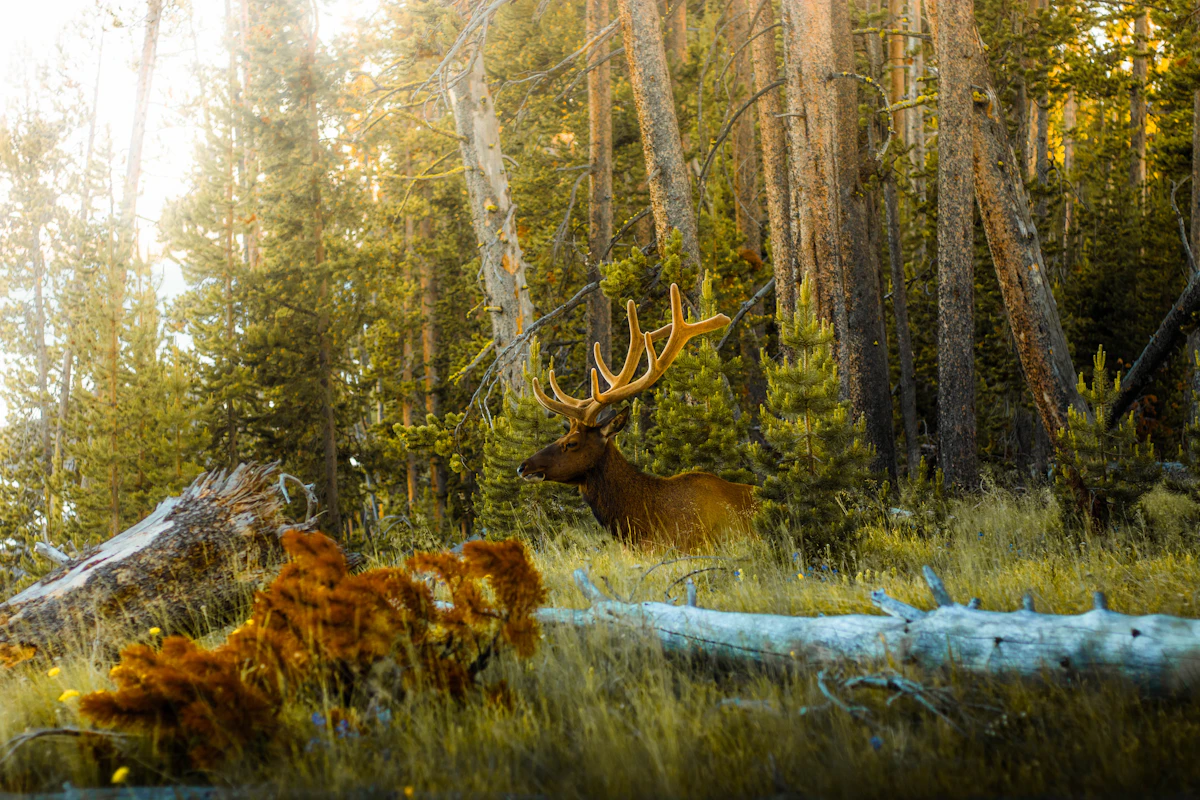
Best Oregon Mule Deer Hunts to Draw in 2027: Top Areas, Draw Odds & Nonresident Guide
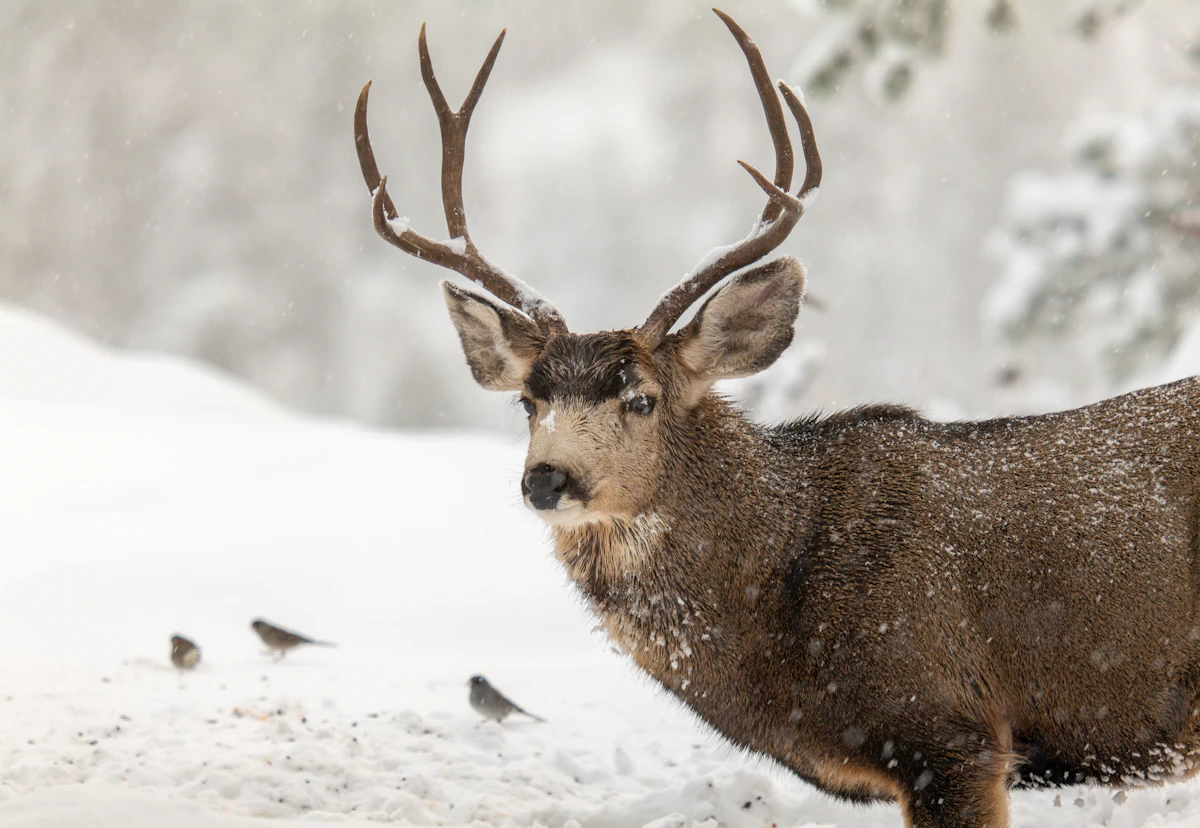
Oregon mule deer hunters preparing for the 2027 drawing face a new landscape. In 2026, ODFW replaced the old Wildlife Management Unit structure with a Deer Hunt Area system designed to align hunting opportunities more closely with actual deer herd ranges. This means traditional names like Steens Mountain, Silvies, Beulah, Murderers Creek, and Owyhee remain useful geographic references, but the hunt boundaries and codes have changed. Oregon also retained its hybrid preference-point drawing system, allocating roughly 75% of controlled deer tags to applicants with the most points while keeping 25% available through a random draw. Understanding the new hunt areas, researching 2026 drawing results as the first direct comparison under the new system, and matching your preference-point balance to realistic opportunities are now the keys to a successful 2027 Oregon mule deer application.
What Changed for Oregon Mule Deer Hunting in 2026 and 2027
Oregon's transition to Deer Hunt Areas represents one of the most significant changes in the state's mule deer management in recent years. Historically, many eastern Oregon deer hunts were organized around established Wildlife Management Units. Beginning in 2026, ODFW transitioned eastern Oregon controlled deer hunts to areas more closely aligned with mule deer herd ranges. The change was designed to improve monitoring of individual deer herds, manage hunting pressure more effectively, adjust license quotas based on herd conditions, and support long-term mule deer population management.
Names such as Steens, Silvies, Beulah, and Murderers Creek remain useful geographic references, but hunters should not assume that the old unit boundaries match the current controlled hunt boundaries. For 2027, applications must use the current Deer Hunt Area and hunt code published by ODFW. Oregon retained its existing deer preference-point system, so hunters who accumulated points under the former unit structure can use those points under the new hunt-area system.
The transition creates some uncertainty because hunt boundaries changed, some hunt areas became larger, some former hunts were combined or reorganized, applicants may change their preferred areas, tag quotas may shift, and historical demand may not align perfectly with new hunt codes. Use 2026 drawing results as the first direct comparison under the new system, while using earlier data for broader historical context.
How the Oregon Mule Deer Draw Works
Oregon uses a hybrid preference-point and random drawing for most controlled deer hunts. Approximately 75% of available controlled hunt tags are awarded through the preference-point phase, where applicants with higher point totals receive priority for their first-choice hunt. The remaining 25% of tags are awarded randomly among eligible first-choice applicants who did not receive a tag in the preference phase. This gives lower-point applicants a chance to draw even highly desirable hunts.
Oregon does not have a statewide guaranteed preference-point threshold. A particular hunt may historically draw at a predictable point level, but the required number can change because of demand and quotas. Oregon's random allocation means a zero-point applicant can potentially draw a desirable regular controlled hunt, although competition can be substantial for the most sought-after areas.
Oregon allows up to five ranked choices on a controlled hunt application. The first-choice drawing receives preference-point and random allocation priority. Second through fifth choices are considered if tags remain. Hunters who do not draw their first choice can receive a preference point even if they draw an eligible later choice, so choosing additional hunts you would genuinely accept can improve your chances without risking your accumulated points.
Top Oregon Mule Deer Regions to Research for 2027
The following regions are among the most interesting areas for mule deer hunters researching 2027 opportunities. These are geographic research recommendations, not verified rankings of 2027 draw probability. Each must be matched to its current Deer Hunt Area and hunt code.
Steens Mountain Mule Deer Hunts
Steens Mountain is one of Oregon's most recognizable mule deer hunting landscapes. Located in southeastern Oregon, the region rises dramatically above surrounding desert basins and offers extensive public-land landscapes, high desert and mountain habitat, steep rimrock and canyons, long-distance glassing opportunities, and a well-established mule deer hunting tradition. Steens Mountain presents several challenges including large elevation changes, limited water, remote access, steep terrain, weather-dependent travel, and significant distances between deer. Some desirable hunts in the region have historically attracted significant interest, although drawing odds now depend on the new hunt-area structure. Identify the current Deer Hunt Area covering the desired portion of Steens country, review 2026 point reports, compare hunt quotas, research access, evaluate season timing, and determine whether the area fits your physical capabilities. Best suited for hunters who enjoy remote, open-country mule deer hunting and are comfortable with demanding terrain.
Silvies Region Mule Deer Hunts
The Silvies region of central and eastern Oregon offers extensive mule deer habitat including sagebrush basins, timbered mountain habitat, diverse elevation ranges, public-land hunting opportunities, and traditional mule deer hunting country. The region offers a mixture of open glassing country and timbered cover. Hunters may encounter deer using sagebrush ridges, transition zones, timber edges, mountain draws, and remote bedding areas. Whether Silvies is a good hunt for hunters with fewer points depends on the current hunt area and quota; do not assume the historical Silvies unit draw requirements apply directly to 2027. Compare the current hunt codes associated with Silvies country and review recent applicant demand.
Beulah Region Mule Deer Hunts
The Beulah region of eastern Oregon is another established mule deer hunting area offering high desert habitat, sagebrush and rimrock, public-land opportunities, open-country glassing, diverse terrain, and traditional deer hunting interest. Mule deer distribution can change with weather, hunting pressure, forage, water, seasonal movement, and local population conditions. Identify the current Deer Hunt Area, compare 2026 drawing reports, review harvest success, research public and private boundaries, and consider the amount of time available for scouting.
Murderers Creek Region Mule Deer Hunts
Murderers Creek country in eastern Oregon offers rugged terrain and a distinctive mountain mule deer experience. The region provides mountain and canyon habitat, public-land hunting, timber and open-country transitions, rugged terrain, and historical mule deer hunting interest. Challenges include steep terrain, timber cover, changing weather, limited access in some areas, and deer distribution that varies by season. Review the new hunt-area boundaries and identify the portions that overlap traditional Murderers Creek country, then compare harvest success and drawing demand for the new hunt codes.
Owyhee Region Mule Deer Hunts
The Owyhee region of southeastern Oregon is known for remote desert landscapes. The region offers vast open country, rimrock and canyon systems, extensive public lands, remote hunting conditions, long-distance glassing, and traditional high desert mule deer habitat. Main challenges include water availability, road conditions, remote travel, low deer density in some areas, limited shade, and difficult meat recovery. The Owyhee may appeal to nonresidents who are comfortable with remote desert hunting, although nonresident drawing probability depends on the specific current hunt and allocation. Research the current hunt-area boundaries, license quota, and recent harvest reports before applying.
Trout Creek Mountains Mule Deer Hunts
The Trout Creek Mountains along the Oregon-Nevada border offer another remote mule deer hunting environment with rugged mountain terrain, open desert habitat, remote public lands, glassing opportunities, and low-density hunting conditions in some areas. Hunters may need to cover substantial distances to locate deer. Access can be challenging, and success often depends on scouting and understanding seasonal habitat use. Compare current hunt codes with the former Trout Creek geographic area and evaluate historical harvest and population trends.
Warner Mountains Mule Deer Hunts
The Warner Mountains of south-central Oregon offer a combination of mountain and high desert habitat including mountain mule deer habitat, forested slopes, open ridges, high desert transitions, public-land hunting, and variable elevation. Hunting considerations include weather, elevation, seasonal deer movement, road access, hunting pressure, and habitat conditions. Research the current Deer Hunt Areas overlapping Warner country and compare their quotas and applicant demand.
Blue Mountains Mule Deer Hunts
Northeastern Oregon's Blue Mountains region provides a different mule deer hunting environment from the southeastern desert. The region offers forest and mountain habitat, public-land opportunities, steep terrain, mixed deer habitat, changing seasonal conditions, and diverse hunting experiences. Some northeastern Oregon landscapes include both mule deer and white-tailed deer; hunters must verify the legal species and bag limit for their specific tag. Private timberlands and managed access areas can influence hunting opportunity. ODFW announced changes to access on certain Manulife properties beginning in 2026, so hunters should confirm current permit requirements rather than assuming historical public access remains unchanged.
John Day Region Mule Deer Hunts
The John Day region offers a combination of rugged mountain terrain, river breaks, and open-country habitat including sagebrush and timber transitions, mountain and canyon terrain, public-land opportunities, established mule deer habitat, and diverse access conditions. Research the current hunt areas overlapping traditional John Day hunting country, then compare quotas, access, and recent harvest reports.
Sumpter and Baker Region Mule Deer Hunts
The mountains and basins around Sumpter and Baker County offer additional northeastern Oregon hunting opportunities with mountain habitat, mixed public and private land, diverse elevations, established deer hunting country, and variable weather and access. Identify current hunt-area boundaries and evaluate both deer populations and access restrictions.
Which Oregon Mule Deer Hunts Are Easiest to Draw in 2027
There is no single Oregon mule deer hunt that is universally easiest to draw. The answer depends on resident or nonresident status, preference-point balance, current Deer Hunt Area, number of available tags, first-choice applicant demand, season and weapon restrictions, and changes in hunt boundaries.
Start with the official 2026 Buck Deer Preference Point Draw Report. Look for hunt areas where lower-point applicants drew tags, applicant demand was relatively low, more tags were issued, some licenses remained for later choices, and the current hunt structure provides access to suitable public land. A hunt with better drawing odds may still be physically demanding or have lower deer densities, so compare draw odds and harvest success together.


Free to join
Download mobile app
- Detailed draw odds
- Point tracking
- Deadline reminders
- 19 states covered





Free to join
Download mobile app
- Detailed draw odds
- Point tracking
- Deadline reminders
- 19 states covered






Free to join
Download mobile app
- Detailed draw odds
- Point tracking
- Deadline reminders
- 19 states covered

Best Oregon Mule Deer Hunts With Zero to Two Preference Points
Hunters with few points should focus on realistic opportunities while understanding the value of Oregon's random drawing. Zero-point applicants can consider regular controlled hunts with lower historical demand, hunts that have reached second or later choices, premium deer hunts (which use a separate random drawing), and general-season deer opportunities where legally available. Zero-point applicants still have a chance at highly desirable controlled hunts through the random allocation.
For hunters with one point, research hunts historically drawn with zero or one point, but remember that the 2026 hunt-area transition makes earlier comparisons less reliable. Two points may provide access to additional controlled hunts depending on demand, although hunters should not assume that a particular hunt is guaranteed simply because it required two points in a previous year.
Best Oregon Mule Deer Hunts With Three to Five Points
Three to five points can create more options for hunters who want to draw rather than continue accumulating points. Research current hunt areas with moderate applicant demand, traditional Silvies and Beulah country, selected central Oregon mule deer opportunities, eastern Oregon hunts with suitable public access, and different season and weapon options where available.
Whether you should use five points in 2027 depends on your priorities. Five points can represent a meaningful investment, especially for a nonresident. Before applying, ask whether you would be satisfied with the hunt, whether it offers the terrain you want, whether the public access is sufficient, how applicants with five points performed in 2026, and whether waiting another year would materially improve your options. If a hunt matches your goals and is realistically attainable, using your points may be worthwhile.
Best Oregon Mule Deer Hunts With Six to Ten Points
Hunters with six to ten points may be considering more competitive opportunities. Potential research areas include Steens Mountain country, Warner Mountains, Trout Creek Mountains, selected northeastern Oregon hunts, and other high-demand controlled deer areas. These are not guaranteed six-to-ten-point hunts.
Consider continuing to build points if you want a specific hunt, historical point requirements remain above your balance, you have other hunting opportunities, and you are comfortable waiting. Consider applying now if you have found a desirable hunt, your point balance has historically been competitive, you prefer hunting sooner, and you have enough time to scout and prepare.
Best Oregon Mule Deer Hunts With More Than Ten Points
Hunters with more than ten points should carefully evaluate the cost of continuing to wait. Consider recent preference-point requirements, current tag quotas, population trends, changes in hunting boundaries, public access, harvest success, and the possibility of continued point creep.
A hunt requiring substantial points reflects competition for licenses, not a guarantee of a mature buck. Hunting conditions, deer populations, scouting, and hunter experience remain critical to success.
Oregon Mule Deer Draw Odds for Nonresidents in 2027
Nonresident applicants should evaluate Oregon's drawing rules separately from resident applicants. Oregon limits nonresident participation in controlled deer hunts under its applicable allocation rules. For many regular controlled buck deer hunts, nonresident awards are subject to a percentage cap, generally up to 5% of the authorized tags, with exceptions and special provisions. The cap is not a guarantee that nonresidents receive that percentage of licenses.
Nonresident odds differ because of limited nonresident allocation, smaller hunt quotas, competition from high-point applicants, changes in applicant demand, hunt-area restructuring, and differences between individual hunt codes. Nonresidents should use the ODFW point reports to examine nonresident first-choice applications, nonresident successful applicants, preference-point balances, available nonresident tags, and historical trends.
Oregon is worth applying to as a nonresident for hunters interested in Oregon's distinct mule deer habitats and willing to build a long-term application strategy. However, the cost of annual participation and the limited nonresident allocation should be considered.
Free to join
Download mobile app
- Detailed draw odds
- Point tracking
- Deadline reminders
- 19 states covered
Free to join
Download mobile app
- Detailed draw odds
- Point tracking
- Deadline reminders
- 19 states covered
Free to join
Download mobile app
- Detailed draw odds
- Point tracking
- Deadline reminders
- 19 states covered
Oregon Mule Deer Archery vs Rifle vs Muzzleloader
Weapon selection can influence drawing probability and hunting experience. Rifle hunts are popular because they offer opportunities during fall deer seasons, but important considerations include hunting pressure, season dates, public-land access, deer distribution, weather, and permit quotas.
Archery opportunities can provide different hunting dates, high-country scouting opportunities, close-range hunting challenges, and potentially different application demand. However, not every eastern Oregon archery opportunity follows the same tag structure, so check whether the desired hunt requires a controlled tag.
Muzzleloader hunts may provide different seasons and quotas. Important considerations include equipment restrictions, season timing, weather, effective shooting distance, and drawing demand. There is no statewide answer to which weapon has the best odds; compare the exact hunt codes and applicant data.
Oregon Premium Mule Deer Hunts 2027
Oregon's Premium Hunt program provides another opportunity for hunters interested in desirable deer hunting experiences. Premium deer hunts are special drawing opportunities that can provide extended hunting seasons and are separate from regular controlled deer hunts.
Premium hunts are allocated randomly without using regular preference points, so hunters with zero points can compete on equal footing with applicants who have accumulated many regular preference points. Premium hunts often have extremely limited quotas and significant application demand, so they are not easy to draw.
Hunters apply for a Premium Hunt because of no preference-point requirement, extended season opportunity, separate application opportunity, potential access to desirable hunting areas, and opportunity for applicants who do not want to wait for a high-point controlled hunt. You can apply for a Premium Hunt and a regular controlled deer hunt, subject to the current regulations and application requirements.
How to Read Oregon Mule Deer Draw Odds Reports
Oregon publishes detailed point reports that can help hunters evaluate their applications. First, find the current hunt code using the 2027 Deer Hunt Area system (do not rely on old unit-based hunt numbers). Identify your preference-point balance and review the applicant distribution for your point level. Separate resident and nonresident results, as the two applicant groups can have very different outcomes.
Review the preference drawing to examine how many applicants drew through the 75% preference-point allocation. Review the random drawing to examine how many tags were awarded in the 25% random allocation. Compare multiple years carefully; the 2026 transition makes direct comparisons with earlier hunts more complicated, so use ODFW's old-to-new hunt-area transition guide when reviewing historical data.
Check harvest statistics and compare the number of hunters, harvest success, hunting effort, deer population trends, and available public land.
Oregon Mule Deer Populations and Why They Matter
Oregon's mule deer populations face challenges that can influence hunting opportunities. These include habitat loss and fragmentation, wildfire, invasive grasses, drought, severe winter conditions, disease, predation, and changes in forage availability.
ODFW reduced eastern Oregon deer tags by approximately 9% during the transition to the new hunt-area system. Tag adjustments were tied to population management and the new hunt structure. ODFW's September 2026 announcement stated that 2027 seasons and tag numbers would be broadly similar to 2026, with calendar adjustments, so hunters should still review the final hunt-specific quotas.
A reduction in available tags can increase competition even if the number of applicants stays the same. Changes in hunt boundaries may also shift demand between areas.
Free to join
Download mobile app
- Detailed draw odds
- Point tracking
- Deadline reminders
- 19 states covered
Free to join
Download mobile app
- Detailed draw odds
- Point tracking
- Deadline reminders
- 19 states covered
Free to join
Download mobile app
- Detailed draw odds
- Point tracking
- Deadline reminders
- 19 states covered
Oregon Mule Deer Hunting Public Land and Access
Oregon has extensive public-land hunting opportunities, particularly in the eastern portion of the state, although access varies significantly. Important public-land agencies include the Bureau of Land Management, U.S. Forest Service, Oregon Department of Fish and Wildlife, and other public land managers.
Hunters should research public and private boundaries, legal road access, seasonal road closures, motor vehicle restrictions, wilderness boundaries, fire restrictions, private timberland permits, and landowner access agreements. Access is particularly important for nonresidents who may have limited scouting time. An area that looks accessible on a map may contain private-land barriers, locked gates, seasonal closures, difficult terrain, or limited road access. Research before applying, not after drawing.
Oregon Mule Deer Application Deadline 2027
Oregon's regular controlled big game application deadline is May 15. The 2026 reference date was May 15, 2026. The expected controlled hunt application deadline for 2027 is May 15, 2027, under Oregon's established calendar, subject to confirmation in the final 2027 regulations. Hunters should not wait until the deadline to research the new Deer Hunt Areas.
ODFW generally publishes controlled hunt results in June. The exact 2027 release date should be confirmed through the agency.
How to Apply for Oregon Mule Deer in 2027
First, verify your preference points by logging in to your ODFW licensing account. Review the 2027 regulations to confirm the current hunt codes, dates, quotas, and eligibility requirements. Study the new Deer Hunt Areas using ODFW's official maps and transition guide. Research historical draw results by reviewing the 2026 point reports and earlier data where comparable.
Choose your first hunt carefully, as your first choice is the most important for the preference-point drawing. Consider additional choices and use second through fifth choices for hunts you would genuinely accept. Review nonresident rules to confirm the applicable nonresident quota restrictions. Consider a Premium Deer application, as Premium hunts provide a separate random opportunity.
Submit your application through ODFW's official licensing system before the deadline. If successful, confirm hunt boundaries, season dates, tag purchase requirements, legal animal, public access, and hunting regulations.
Common Oregon Mule Deer Draw Mistakes
Common mistakes include using outdated unit numbers (eastern Oregon deer hunts transitioned to Deer Hunt Areas in 2026), assuming preference points guarantee a tag (quotas and demand can change), ignoring the 25% random drawing (zero-point hunters can still draw desirable hunts), comparing old and new hunt codes directly (boundaries and quotas may differ), ignoring nonresident limits (nonresident drawing results can differ substantially), applying based only on trophy reputation (public access and deer populations matter), failing to research harvest statistics (drawing a tag does not guarantee success), overlooking Premium Hunts (these provide a separate random opportunity), assuming every archery hunt is over the counter (some require controlled tags), ignoring timberland access changes (private access programs can change), using outdated application deadlines (always verify the current calendar), and applying for a hunt you cannot physically complete (remote terrain can be demanding).
Plan Your Oregon Mule Deer Hunt With TAGZ
Oregon's mule deer hunting opportunities offer everything from remote desert glassing to rugged mountain hunting, but the transition to Deer Hunt Areas makes accurate research more important than ever. Hunters need to compare current hunt codes, preference-point requirements, harvest statistics, and access before submitting their applications.
TAGZ was built by hunters, guides, and outfitters who understand the challenges of Western big game hunting. The idea grew from firsthand guiding experience in Idaho, where complicated drawing systems and hunting regulations inspired a more accessible approach to planning hunts. TAGZ helps hunters research supported states and species, compare available drawing information, track preference points, and organize their hunting applications.
Whether you're researching Steens Mountain, evaluating the new Oregon Deer Hunt Areas, or planning a multistate mule deer application strategy, TAGZ can help you make more informed decisions. Explore TAGZ Hunting Draw and Planning Platform, Explore TAGZ Features, Hunting Research and Insights, and About TAGZ.
For more state-specific mule deer research, see Oregon Mule Deer Draw Odds and Tag Guide 2027, Oregon Nonresident Mule Deer Draw Odds 2027, New Mexico Nonresident Mule Deer Draw Odds 2027 Units Strategy, and Nevada Mule Deer Draw Odds With Five Points 2027 Best Units Bonus Points Nonresident Strategy.
FAQ — Oregon Mule Deer Hunts 2027
What are the best Oregon mule deer hunts to draw in 2027? Steens Mountain, Silvies, Beulah, Murderers Creek, Owyhee, Trout Creek Mountains, Warner Mountains, and northeastern Oregon are important research areas. The best hunt depends on the current Deer Hunt Area, draw odds, and access.
Does Oregon use preference points for mule deer? Yes, Oregon uses a hybrid preference-point and random drawing for regular controlled deer hunts.
Can you draw Oregon mule deer with zero points? Yes, the remaining 25% random allocation gives eligible first-choice applicants an opportunity even with zero points.
Did Oregon change its mule deer units? Yes, eastern Oregon controlled mule deer hunts transitioned to Deer Hunt Areas beginning in 2026.
Are Oregon mule deer tags difficult for nonresidents? Some are, particularly desirable hunts with limited nonresident availability under the applicable allocation rules.
What is the easiest Oregon mule deer hunt to draw? There is no single easiest hunt; compare current hunt codes, applicant demand, quotas, and residency.
Was this article helpful?
Previous
Arizona Mule Deer Draw Odds With Five Points 2027: Best Units & Nonresident Strategy
Arizona's hybrid bonus-point system gives applicants with five points six random-number entries in the draw, improving odds for mid-demand units while premium Strip and late Kaibab hunts remain highly competitive.
Related
Colorado Fourth Rifle Elk Draw Odds 2027: Best Units, Points & Nonresident Guide
Colorado's fourth rifle elk season runs November 17-21, 2027, offering a late-season hunt after weeks of pressure and changing weather that shifts elk distribution and behavior across public and private land.
Next
Montana Elk Permit Draw Odds 2027: Best Units, Bonus Points & Nonresident Guide
Montana uses separate preference points for nonresident combination licenses and squared bonus points for limited-entry elk permits, with nonresidents capped at 10% of most permit quotas and varying draw odds by district and weapon type.