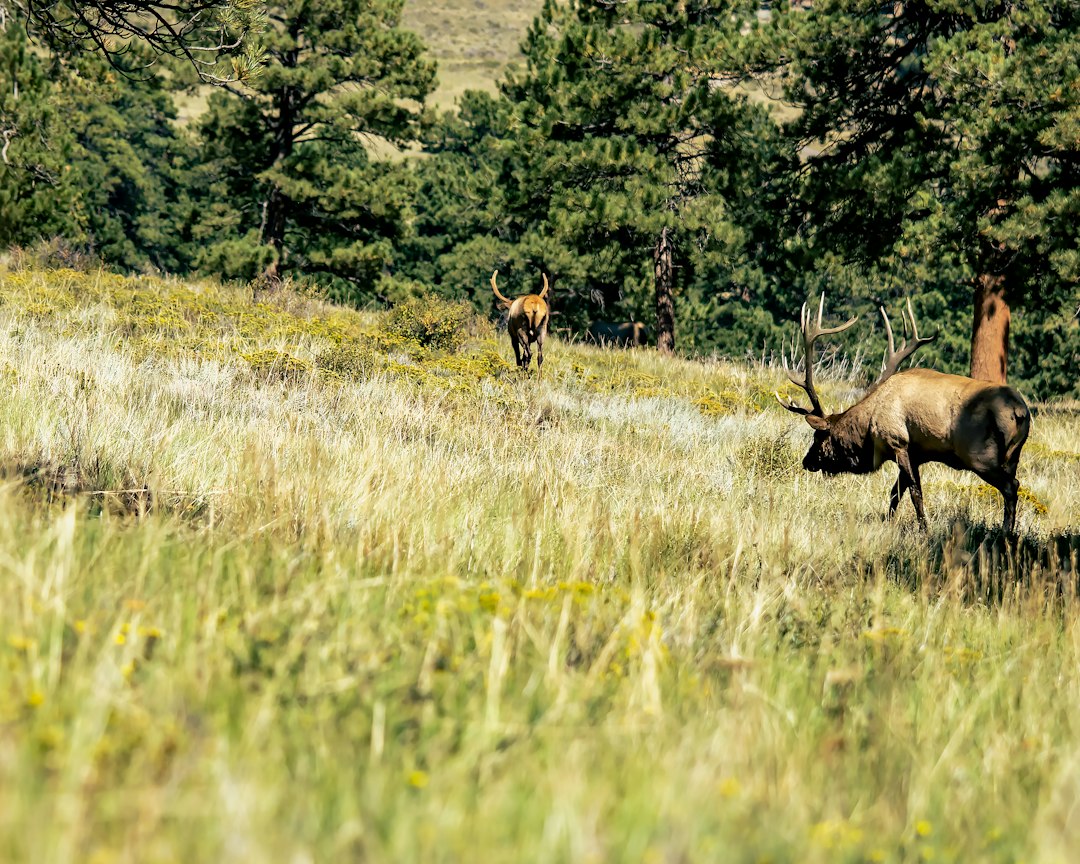
Guided Elk Hunts With Zero Preference Points in 2027
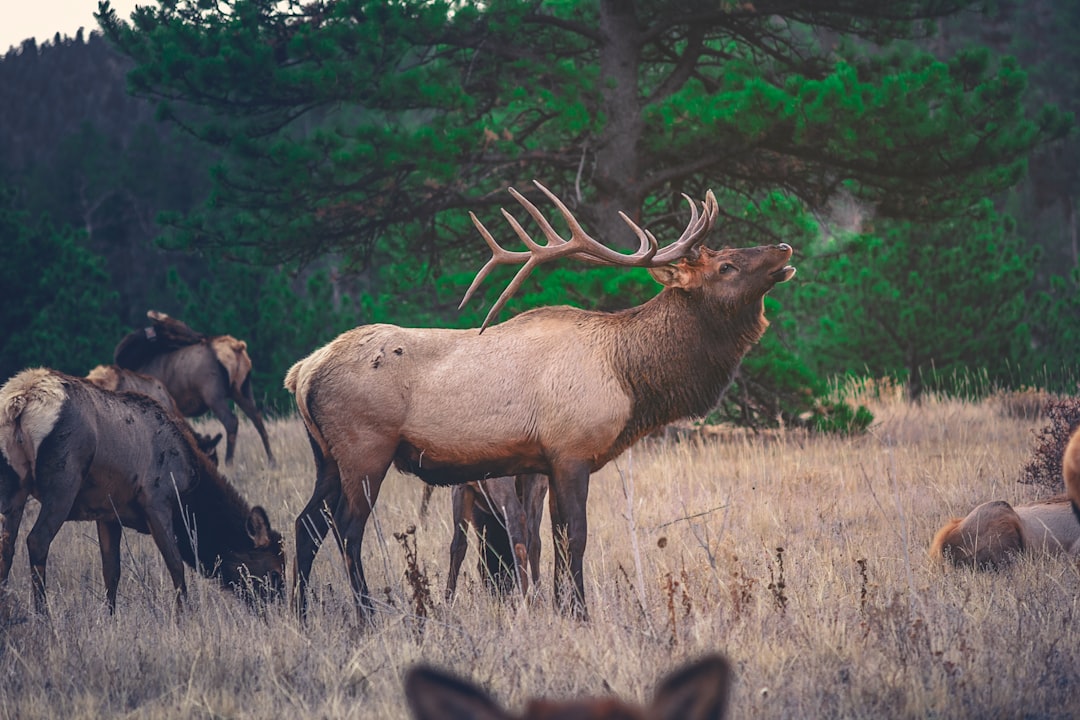
Guided Elk Hunts With Zero Preference Points in 2027
One of the biggest misconceptions in Western hunting is that you need ten or fifteen years of preference points before you can hunt elk.
You don't.
You may need years of points for certain highly demanded limited-entry hunts.
But those aren't the only elk opportunities in the West.
Hunters starting with zero preference points can still build legitimate elk hunts through several different licensing pathways.
And adding an outfitter can make those opportunities easier to navigate.
The key is understanding what "zero points" actually means in each state.
Zero Points Does Not Mean the Same Thing Everywhere
Western states don't all use the same drawing system.
Some use preference points.
Some use bonus points.
Some use a combination of random and point-based drawings.
Some don't use points at all.
Some offer OTC opportunities.
Others have outfitter allocations or landowner programs.
So a hunter shouldn't ask:
"Which state requires the fewest points?"
without first understanding how that state's system works.
For example, Idaho doesn't use preference or bonus points for its controlled-hunt system.
Having "zero Idaho points" doesn't put you behind another hunter because there aren't Idaho preference points to accumulate for those hunts.
Wyoming is different.
Colorado is different again.
That's why state-by-state research matters.
What Is a Zero-Point Elk Hunt?
For this guide, a zero-point elk opportunity means a hunt that a hunter can potentially pursue without first accumulating years of preference or bonus points.
That can include several different tag pathways.
Over-the-Counter Elk Licenses
An OTC license can be purchased without drawing the license first.
Availability depends on:
State
Residency
Unit
Season
Weapon
Current regulations
OTC doesn't mean every unit is available.
Random Draw Opportunities
Some drawings provide hunters a chance regardless of point total.
A zero-point applicant may therefore still have a chance at the tag.
Hunts Historically Available at Zero Points
In point-based systems, certain hunts may historically be obtainable by applicants with zero points.
That doesn't guarantee they'll remain zero-point hunts the following year.
Demand and quotas change.
Outfitter-Allocated Tags
Some states have tag structures that allocate licenses for hunters using licensed outfitters.
These shouldn't automatically be called "guaranteed tags."
The exact availability depends on the state, outfitter, allocation and season.
Landowner Tags or Vouchers
Certain states have landowner programs that can create another path to a license.
Rules vary substantially.
A landowner opportunity isn't automatically valid statewide and isn't necessarily included in an outfitter's advertised hunt price.
Leftover and Reissued Licenses
Limited licenses can sometimes remain after drawings or return to the available pool.
These can create opportunities for hunters who didn't draw during the primary application period.
Colorado Guided Elk Hunts With Zero Points
Colorado remains one of the most important states for hunters looking for elk opportunities without building a large preference-point balance.
But Colorado's system has changed.
Colorado OTC Rifle Elk
Colorado continues to offer certain over-the-counter rifle elk licenses.
These licenses:
Don't require participation in the primary draw
Don't use preference points
Are restricted to eligible units and seasons
That makes Colorado one of the clearest states to research for a guided elk hunt where the hunter doesn't want to wait years for a limited license.
An outfitter operating in an eligible OTC area can potentially build a guided hunt around a license the hunter purchases without using preference points.
Colorado Archery Changed for Nonresidents
Hunters need to be careful with outdated articles about Colorado OTC archery elk.
Nonresidents can no longer purchase the traditional unlimited OTC archery elk license across the western Colorado GMUs that previously offered it.
Those western opportunities became limited for nonresidents.
There are still certain OTC nonresident archery opportunities east of I-25, but you shouldn't assume Colorado archery elk is universally OTC for nonresidents.
Colorado Limited Licenses With Zero Points
A limited license doesn't automatically mean you need years of points.
Some hunts may historically be obtainable with zero points.
Others can potentially be available through:
Secondary draw
Leftover licenses
Reissued licenses
Historical draw information matters here.
A hunt that drew at zero points previously isn't guaranteed to do so in 2027.
Applicant demand and tag quotas can change.
Colorado Landowner Vouchers
Colorado's landowner preference program can also create opportunities through transferable vouchers in applicable circumstances.
A voucher isn't the same thing as an elk license.
The hunter generally uses the eligible voucher to obtain the corresponding license.
If an outfitter advertises a Colorado guided elk hunt with a landowner opportunity, ask exactly:
What voucher is included?
What hunt code does it correspond to?
What dates are valid?
What additional license costs apply?
Never assume "landowner tag included" means unrestricted elk hunting anywhere in the state.
Idaho Guided Elk Hunts With Zero Points
Idaho is another interesting option because:
Idaho doesn't use preference or bonus points for its controlled-hunt system.
There is no point ladder to climb.
A first-time applicant can potentially draw a controlled elk hunt.
But Idaho's nonresident general elk system changed beginning with the 2026 season.
Idaho Nonresident General Elk Tags Are Now Drawn
Older hunting articles often describe Idaho nonresident general elk tags as a simple first-come OTC purchase.
That's outdated.
Beginning with the 2026 season, Idaho changed standard nonresident general deer and elk tag distribution to an application and random drawing process.
For the 2026 elk drawing, Idaho reported an overall applicant success rate of about 32.15%, although results varied substantially by elk zone and tag type.
That's a great example of why hunters shouldn't treat "Idaho elk" as one set of odds.
Idaho Doesn't Have Elk Preference Points
This is what makes Idaho particularly relevant to a zero-point article.
You don't need to accumulate:
1 point
then:
2 points
then:
5 points
before having a chance.
There are no Idaho elk preference or bonus points to build for the traditional controlled-hunt system.
The question is instead:
What are the historical odds for the specific opportunity?
Idaho Outfitter-Allocated Elk Tags
Idaho also allocates a portion of its nonresident general elk tags for outfitted hunter use.
For the 2026 season, Idaho allocated 2,975 elk tags for outfitted hunters from the statewide nonresident elk quota.
That's particularly relevant to someone specifically searching for a guided elk hunt with no points.
But don't assume every Idaho outfitter automatically has tags available.
Ask the outfitter:
Do you have access to an outfitter-allocated tag?
What elk zone is it valid in?
Is it an A or B tag?
What season does it cover?
Is the tag included in the hunt price?
Are there additional licensing costs?
Is availability confirmed?
That's much more useful than simply asking whether the hunt is "guaranteed."
Montana Guided Elk Hunts With Zero Points
Montana needs another distinction.
For most nonresident hunters, Montana's standard General Elk Combination isn't simply an OTC elk license.
Nonresidents generally apply for the combination license through Montana's drawing.
That doesn't mean a first-time hunter shouldn't consider Montana.
It means the licensing pathway needs to be understood correctly.
Montana General Elk Combination
Most nonresident hunters seeking Montana's General Elk License need to draw:
Big Game Combination
or:
Elk Combination
through the nonresident drawing.
Preference points can affect that combination-license drawing.
So an outfitter can't simply make the standard nonresident drawing disappear.
Montana Outfitter Preference Point
Montana also has an outfitter-related preference-point structure for qualifying nonresident applicants using licensed outfitters.
Hunters considering a guided Montana elk hunt should ask the outfitter exactly how the current system applies to their application.
Don't rely on a statement such as:
"We'll get you a tag."
Ask:
Which license?
Which drawing?
What application deadline?
What point structure applies?
What happens if I don't draw?
Montana Elk Permits
The General Elk Combination and a limited elk permit aren't the same thing.
A hunter may need the appropriate general license and then separately draw a permit for certain limited opportunities.
That's why a guided Montana hunt advertised as "no points required" needs to clearly identify the actual license and permit structure.
Wyoming Guided Elk Hunts With Zero Points
Wyoming is another state where the phrase "OTC nonresident elk" can be misleading.
Nonresident full-price elk licenses are generally distributed through Wyoming's drawing system.
Wyoming also uses preference points for the nonresident elk draw.
But zero-point hunters aren't necessarily shut out.
Wyoming's Random Draw Component
Wyoming's nonresident elk system includes both:
Preference-point allocation
and:
Random allocation.
Historically, 75% of applicable licenses have gone through the preference-point side and 25% through the random side.
That means a zero-point hunter can potentially have a chance in the random portion of applicable drawings.
But "can draw" and "good odds" are very different things.
Research the exact hunt area and license type.
Wyoming General Elk Licenses
Wyoming's General Elk License is still a draw license for nonresidents.
Don't confuse the word "General" with "over the counter."
That's a major distinction.
An outfitter may guide hunters holding General Elk Licenses, but the outfitter doesn't automatically eliminate the nonresident licensing process.
Wyoming Special Draw
Wyoming also has a higher-priced nonresident Special Draw.
The Special Draw doesn't create additional elk tags.
It creates a separate applicant pool for a portion of the nonresident quota.
Depending on the hunt and year, historical odds can differ between the Regular and Special draws.
Hunters should compare the actual historical data before assuming paying more automatically produces dramatically better odds.
What About New Mexico?
New Mexico deserves consideration for hunters who don't want to build preference points because:
New Mexico doesn't use preference points for its standard big-game draw.
That means a first-time applicant can potentially draw.
But there are other pathways worth understanding too.
New Mexico Landowner Opportunities
New Mexico's landowner authorization system can create elk opportunities outside the standard public draw.
These can be associated with participating private properties and specific elk-management structures.
For someone searching specifically for a guided hunt without years of point building, New Mexico can therefore be worth researching.
But again:
Landowner authorization doesn't mean unlimited statewide hunting.
Verify exactly what you're purchasing.
Guided Elk Hunt vs Guaranteed Elk Tag
These phrases shouldn't automatically be treated as synonyms.
Booking an outfitter doesn't necessarily guarantee that you'll receive an elk license.
A guided hunt can fall into several categories:
Tag Already Secured
The hunter has already obtained the required license.
OTC Opportunity
The hunter can legally purchase an eligible OTC license.
Outfitter Allocation
The outfitter has access to a state-recognized allocation structure.
Landowner Opportunity
A transferable voucher or authorization may provide a pathway to the required license.
Draw Required
The hunter still needs to successfully draw.
High Historical Draw Odds
The hunt has historically been obtainable with relatively favorable odds, but the license isn't guaranteed.
Those are very different situations.
Questions to Ask an Elk Outfitter Before Booking
Before sending a deposit, ask:
What exact elk license do I need?
Is the license guaranteed, OTC, allocated, landowner-based or drawn?
If there's a drawing, what were the historical odds for someone in my situation?
Does the hunt require preference or bonus points?
Is the license or voucher included in the advertised price?
What happens to my deposit if I don't obtain the tag?
What unit or hunt area will I hunt?
What weapon and season does the license cover?
Is the hunt on public land, private land or both?
What services are actually included?
A reputable outfitter should be able to clearly explain the licensing pathway.
Don't Confuse Draw Odds With Harvest Odds
This is another common mistake.
Draw odds tell you your historical probability of obtaining the license.
Hunter success tells you something about how hunters performed after obtaining it.
They're different numbers.
A hunt might have relatively favorable draw odds but difficult hunting.
Another could have difficult draw odds but relatively high hunter success.
Research both.
Zero Points Doesn't Mean Low-Quality Elk Hunting
A hunt doesn't become good simply because it's difficult to draw.
And a hunt doesn't become bad because it's obtainable without ten years of points.
Demand can be influenced by:
Unit reputation
Trophy history
Season timing
Rut dates
Publicity
Tag quota
Access
Hunting media
There are legitimate elk opportunities outside famous limited-entry units.
The challenge is finding them.
How TAGZ Helps Find Zero-Point Elk Opportunities
This is exactly the kind of problem TAGZ is built to help solve.
Instead of searching only:
"Best elk unit in Colorado"
or:
"Best elk unit in Wyoming"
you can build your research around your actual situation.
Set your:
Residency
Age group
Point totals
Then filter by:
State
Elk
Season
Weapon
Animal type
License type
Point level
TAGZ uses those parameters to help identify opportunities relevant to your application profile.
Search at Zero Points
If you have zero preference points, set your point level accordingly.
Then compare the available opportunities.
Instead of spending hours opening individual state draw reports, you can use TAGZ's color-coded maps to identify hunts worth researching further.
That can help answer:
Where am I competitive right now?
rather than:
How long do I have to wait?
Compare Different Elk Seasons
Don't stop at one season.
A unit might have very different drawing competition for:
Archery
Muzzleloader
1st Rifle
2nd Rifle
3rd Rifle
or other state-defined seasons.
Changing season or weapon can uncover opportunities a hunter might otherwise miss.
Compare Resident and Nonresident Opportunity
A hunt that looks easy for residents may be difficult for nonresidents.
TAGZ allows hunters to account for residency when researching applicable opportunities.
That's particularly important when you're comparing guided hunts in multiple states.
Research the Unit Behind the Odds
Once you identify a realistic opportunity, research the actual hunt.
TAGZ can help you evaluate unit information such as:
Terrain
Land characteristics
Public/private land
Access
Season structure
Draw history
Other available unit intelligence
A hunt isn't worth booking simply because you can obtain the tag.
It still needs to fit your goals.
Build a Zero-Point Elk Strategy
A hunter starting from zero can take a systematic approach.
Step 1: Set Your Budget
Guided elk hunts can vary enormously in price.
Include:
Hunt cost
Tag/license
Application fees
Travel
Tips
Lodging
Meat processing
Taxidermy
Shipping
Step 2: Decide Your Weapon
Choose whether you're willing to hunt:
Archery
Muzzleloader
Rifle
More flexibility can create more opportunities.
Step 3: Choose Your States
Research several states rather than assuming one is automatically best.
Step 4: Identify the Tag Pathway
Determine whether the hunt uses:
OTC license
Random draw
Preference-point draw
Outfitter allocation
Landowner authorization/voucher
Leftover/reissue
Step 5: Research Your Actual Odds
Don't rely on generic statewide statistics.
Look at the specific hunt and your applicant profile.
Step 6: Research the Outfitter
Verify licensing, reputation, hunt structure and what is included.
Step 7: Research the Unit
Understand the terrain and access before sending a deposit.
Step 8: Have Backup Opportunities
Don't make your entire season depend on one low-probability drawing.
FAQ — Guided Elk Hunts With Zero Preference Points
Can you hunt elk without preference points?
Yes. Depending on the state and hunt, opportunities can exist through OTC licenses, random drawings, hunts historically obtainable at zero points, outfitter allocations, landowner programs and leftover/reissued licenses.
Can a first-time elk applicant draw?
Yes. It depends on the state and hunt. Some states include random drawing components, while states such as Idaho don't use preference or bonus points for traditional controlled hunts.
Does Colorado have elk hunts that require zero points?
Yes. Colorado currently has certain OTC rifle elk licenses that don't require preference points. Some limited licenses may also historically be obtainable at zero points.
Is Colorado archery elk OTC for nonresidents?
Not across most of western Colorado anymore. Nonresident archery elk licenses west of I-25 and in GMU 140 became limited, although certain OTC nonresident archery opportunities remain east of I-25.
Does Idaho require elk preference points?
No. Idaho doesn't use preference or bonus points for its traditional controlled-hunt drawing.
Are Idaho nonresident general elk tags OTC?
Not under the current system. Beginning with the 2026 season, standard nonresident general deer and elk tags moved to an application and random drawing process.
Does Idaho have outfitter elk tags?
Idaho allocates a portion of its nonresident elk tags for outfitted hunter use. Availability depends on the outfitter, zone and current allocation.
Is Montana elk OTC for nonresidents?
Most nonresidents seeking a standard Montana General Elk License need to draw the applicable nonresident combination license. Certain specialized exceptions exist, but the normal nonresident pathway shouldn't be described as universally OTC.
Can you hunt Montana elk with zero points?
Potentially. But your opportunity depends on the applicable combination-license drawing, permits and current rules.
Does Wyoming have OTC elk tags for nonresidents?
The standard nonresident full-price elk licensing system uses a draw. Don't assume a Wyoming General Elk License is OTC simply because it's called "General."
Can you draw Wyoming elk with zero points?
Potentially. Wyoming's nonresident elk drawing includes a random component, so zero-point applicants can have opportunities depending on the hunt.
Does New Mexico use preference points for elk?
No. New Mexico's standard big-game drawing doesn't use a preference-point system.
Are guided elk tags guaranteed?
Not automatically. The licensing pathway may involve OTC tags, a drawing, outfitter allocation, landowner authorization or another system. Verify exactly how the tag is obtained before booking.
Does booking an outfitter improve my draw odds?
Not automatically. It depends on the state's licensing system. In certain states there are specific outfitter-related allocations or programs, but simply hiring a guide doesn't generally change the drawing.
Is a zero-point elk hunt a lower-quality hunt?
Not necessarily. Draw difficulty measures demand relative to available licenses. It doesn't directly measure hunt quality.
How can TAGZ help me find zero-point elk hunts?
Set your residency and applicable point totals, select elk, and filter opportunities by state, season, weapon, license type and other available parameters. TAGZ can then help identify hunts relevant to your profile.
Continue Planning Your Elk Hunt
You don't necessarily need ten years of points to hunt elk.
You need to understand how each state's tag system actually works.
Colorado can provide certain OTC opportunities.
Idaho has no preference-point system and has outfitter-allocated nonresident tags.
Montana has its own nonresident combination-license structure.
Wyoming provides point-based and random opportunities.
New Mexico doesn't use preference points and has additional landowner pathways.
The opportunity is there.
The challenge is finding the one that fits:
Your points.
Your residency.
Your weapon.
Your budget.
Your schedule.
Your hunting goals.
Use TAGZ to research Western elk opportunities based on your actual profile.
Explore TAGZ Insights for elk draw guides, state-specific application information and Western hunting strategy.
Explore the TAGZ Product to compare draw opportunities across the West.
Always verify final 2027 tag availability, application dates, outfitter allocations, landowner programs, fees and hunting regulations with the applicable state wildlife agency before booking or applying.
Was this article helpful?
Previous
Guided Elk Hunts With No Preference Points: 2027 Guide
You don't necessarily need years of preference points to book a guided Western elk hunt. Hunters starting with zero points can find opportunities through several different licensing systems: Over-the-counter licenses Random drawings General-license drawings Outfitter allocations Landowner vouchers or authorizations Leftover or reissued licenses Hunts historically available at zero points But the system varies dramatically by state. For 2027 planning: Colorado — Certain nonresident OTC rifle elk opportunities remain available without preference points. Idaho — Idaho doesn't use preference or bonus points, but standard nonresident general elk tags moved to a drawing beginning with the 2026 season. Idaho also has outfitter-allocated nonresident tags. Montana — Most nonresidents need to draw the appropriate General Elk Combination or Big Game Combination license. Montana isn't simply an OTC nonresident elk state. Wyoming — Nonresident elk licenses generally go through the draw, but Wyoming has a random component that can create opportunities for zero-point applicants. New Mexico — New Mexico doesn't use preference points and also has private-land/landowner elk opportunities. The key is finding the right tag pathway, not simply searching for an "OTC state."
Next
Colorado Guided Elk Hunts 2027: Tags, Odds & Costs
Colorado remains one of the most diverse states in the West for hunters planning a guided elk hunt. Depending on the hunt, a hunter may obtain an elk license through: Colorado's primary limited-license draw Secondary draw Over-the-counter licenses Leftover licenses Reissued licenses Landowner Preference Program vouchers Colorado uses preference points for first-choice limited elk licenses in the primary draw, but not every Colorado elk hunt requires years of points. Certain OTC rifle elk opportunities remain available to nonresidents without entering the draw or using preference points. Nonresident archery hunters need to be especially careful with older information: most western Colorado OTC archery elk opportunities were converted to limited licenses for nonresidents, while certain OTC archery opportunities remain east of I-25. For hunters considering a guide, the first question shouldn't be: "What's the best Colorado elk unit?" It should be: "What license can I realistically obtain, and which hunt fits my goals, budget, points and hunting style?"