Best Compound Bows for Mule Deer Hunting in 2025
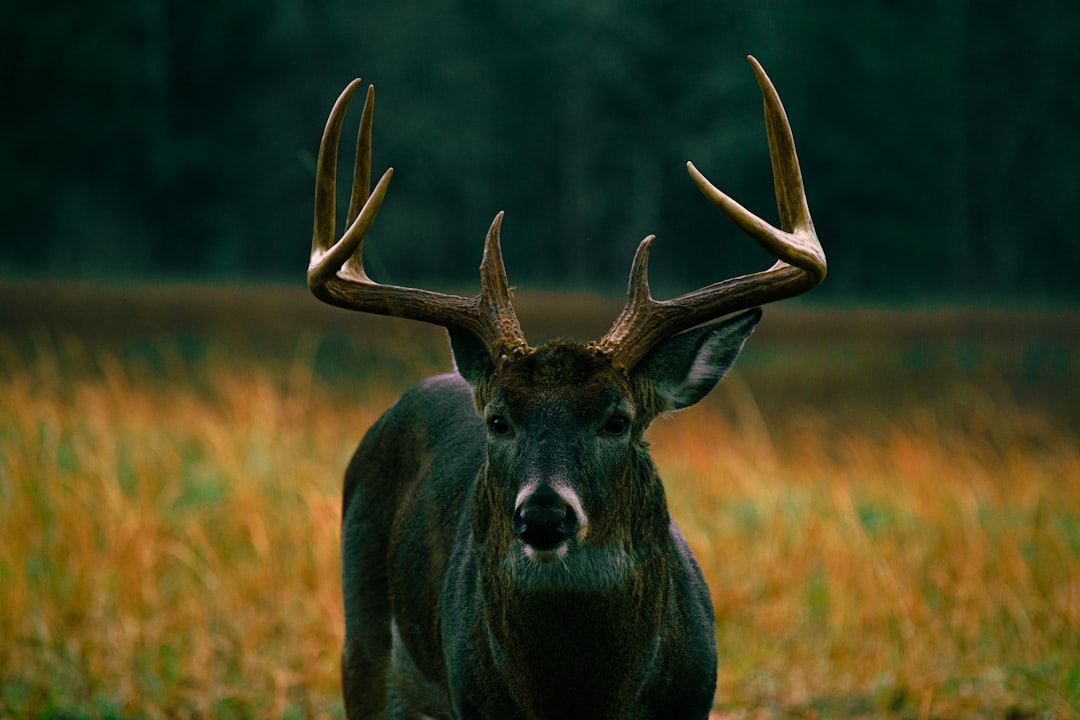
Mule deer bowhunting in the West is nothing like whitetail hunting from a treestand. You are covering miles of steep country, glassing from ridges, and taking shots at odd angles after a stalk that might have taken hours. Your bow needs to be fast enough to flatten trajectory on a 40-yard shot, light enough to carry all day, and forgiving enough to shoot well when your legs are shaking from the climb. The right compound bow makes those high-country stalks manageable and gives you confidence when the shot finally presents itself.
What Makes a Good Mule Deer Bow Different
Mule deer hunting demands different priorities than whitetail hunting. You are not sitting in one spot waiting for a deer to walk by. You are hiking, climbing, and glassing for hours before you ever draw your bow. That means weight matters. A seven-pound bow feels fine in the pro shop but becomes a burden after five miles of ridge walking. Look for bows in the 4.0 to 4.5-pound range if you hunt backcountry units or plan to cover serious ground.
Speed is another consideration. Mule deer often present shots at longer distances than whitetails, especially in open sage basins or rimrock country. A bow shooting 300+ fps gives you a flatter trajectory and more margin for error on distance estimation. Draw length and let-off also matter when you are contorting into shooting positions on steep slopes or shooting uphill at a bedded buck.
Top Compound Bow Models for Mule Deer
Mathews V3X — The V3X has become a standard in the western hunting world for good reason. It weighs 4.6 pounds, shoots 342 fps with a 70-pound draw, and has one of the smoothest draw cycles in its class. The short 30-inch axle-to-axle length makes it maneuverable in tight spots or when shooting from unconventional positions. The V3X's bridged riser design reduces hand shock and stays quiet on the shot, which matters when you are hunting pressured public land bucks that have heard bow noise before.
Hoyt RX-8 Ultra — Hoyt's RX-8 Ultra is built specifically for mountain hunters who prioritize weight savings. At 3.9 pounds, it is one of the lightest flagship bows available. Speed is impressive at 335 fps, and the In-Line Draw Technology makes the bow easy to draw even when you are winded from a stalk. The trade-off is a slightly shorter brace height (6 inches), which means less forgiveness on form inconsistencies. If you are a confident shooter and want the lightest rig possible, the RX-8 Ultra is hard to beat.
Elite Omnia — The Omnia is a sleeper bow that does not get enough attention from western hunters. It weighs 4.4 pounds, shoots 338 fps, and has a 7-inch brace height that makes it forgiving without sacrificing speed. The Omnia's draw cycle is exceptionally smooth, which helps on steep uphill or downhill shots where your anchor point might feel different. The bow is also dead quiet, which matters when you are hunting mule deer that bed in rimrock and can hear everything.
Bowtech Solution — If you want maximum adjustability without visiting a bow shop, the Solution is worth considering. The DeadLock Cam System lets you adjust draw length and cam timing in the field with an Allen wrench. That flexibility is useful if you share a bow with a hunting partner or want to fine-tune settings at camp. The Solution weighs 4.5 pounds and shoots 335 fps. It is not the lightest or fastest bow on this list, but the adjustability and solid performance make it a practical choice for hunters who prioritize versatility.
Prime Nexus 7 — Prime's parallel cam system produces one of the most consistent draw cycles available. The Nexus 7 weighs 4.7 pounds and shoots 330 fps, which is not class-leading but more than adequate for mule deer hunting. The 7-inch brace height provides excellent forgiveness, and the bow's balance makes it easy to hold steady during long glassing sessions when you are waiting for a bedded buck to stand. Prime bows tend to hold their value well, which is a bonus if you upgrade every few years.
Key Specs That Actually Matter
Draw weight is the most important spec to get right. Most western mule deer hunters shoot 60 to 70 pounds. That range provides enough kinetic energy for complete pass-throughs on broadside shots while remaining manageable to draw at altitude or after a hard stalk. If you are hunting high-elevation units above 9,000 feet, consider dropping five pounds from your normal draw weight. The thin air makes everything harder, including drawing your bow.
Axle-to-axle length affects maneuverability. Bows in the 30 to 33-inch range are easiest to handle in thick pinyon-juniper or when shooting from awkward positions. Longer bows (34+ inches) are more stable for long shots but harder to manage in tight cover. Most mule deer hunters prefer the shorter end of that range because stalking situations require flexibility.
Brace height determines forgiveness. A 7-inch brace height is more forgiving than a 6-inch brace height, meaning small form mistakes have less impact on arrow flight. That matters when you are shooting with an elevated heart rate after a stalk or when cold weather forces you to wear bulky layers that change your anchor point. Speed-focused bows often sacrifice brace height to achieve higher fps numbers. Decide whether you value forgiveness or flat trajectory more.
Let-off percentage affects how long you can hold at full draw. Most modern bows offer 80% to 85% let-off. Higher let-off makes it easier to hold your bow drawn while waiting for a buck to turn broadside or stand from his bed. That extra holding time can make the difference between a filled tag and watching a buck disappear over a ridge.
What About Used Bows
Buying a used compound bow can save you 30% to 50% compared to new retail pricing. Flagship bows from two or three years ago still perform excellently for mule deer hunting. A used Mathews VXR or Hoyt RX-5 will kill mule deer just as dead as the latest models. Check the limbs for cracks, inspect the cams for wear, and have a bow shop verify the draw weight and timing before committing. Avoid bows with visible damage to the riser or limb pockets.
The best used bow deals appear in late winter and early spring when hunters are upgrading before the next season. Local archery shops sometimes take trade-ins that they resell at reasonable prices. Online forums and classified sites can also yield good finds, but you lose the ability to shoot the bow before buying. If you are new to bowhunting, buying used makes sense because you might not know your preferences yet. Once you have killed a few mule deer and understand what you value in a bow, you can upgrade with more confidence.
Setting Up Your Bow for Western Hunting
Once you choose a bow, proper setup makes a bigger difference than most hunters realize. Start with arrow selection. For mule deer, arrows in the 400 to 450-grain range provide a good balance of speed and penetration. Lighter arrows fly faster but carry less kinetic energy. Heavier arrows penetrate better but drop more at distance. Most western hunters land in the middle and prioritize fixed-blade broadheads that fly like field points.
Sight setup matters for steep-angle shots. Mule deer often bed on ridges or in basins where you are shooting uphill or downhill at 20+ degrees. A three-pin or four-pin sight is more versatile than a single-pin slider because you can gap-shoot at odd distances without adjusting your sight. Set your pins at 20, 30, 40, and 50 yards. Practice shooting uphill and downhill from your knees or from sitting positions. Those uncomfortable practice sessions pay off when a buck appears on a steep slope and you only have seconds to execute.
Stabilizer length affects balance and steadiness. Short stabilizers (6 to 8 inches) are easier to carry and maneuver in brush. Longer stabilizers (10 to 12 inches) make the bow steadier for long shots but add bulk. Many western hunters run a short front stabilizer and a lightweight back bar to balance the rig without adding excessive weight. Experiment with different configurations during practice sessions to find what feels best when you are winded and shooting at odd angles.
How TAGZ Helps You Plan Bowhunts
Finding the right mule deer unit for bowhunting takes more than knowing which bow to carry. Draw odds, public land access, and terrain all factor into whether a unit is worth applying for. TAGZ helps you compare units side by side using terrain maps, unit boundaries, and historical draw data. Track your preference points and bonus points across multiple states so you never miss a draw deadline. Whether you are chasing OTC tags or planning a trophy limited-entry hunt, TAGZ gives you the tools to make smarter decisions before you ever step into the field. Filter units by weapon type, season dates, and species to find archery-season opportunities that match your schedule and skill level.
Practice for the Conditions You Will Hunt
Owning a great bow means nothing if you cannot execute under field conditions. Most archery ranges are flat and offer perfect shooting conditions. Mule deer hunting rarely provides that luxury. Practice shooting uphill and downhill. Practice shooting after running wind sprints or hiking uphill to simulate the elevated heart rate you will experience during a stalk. Practice shooting from your knees, from sitting positions, and with a backpack on. These uncomfortable practice sessions reveal weaknesses in your form and build the muscle memory you need when a buck appears.
Ranging errors are the most common cause of missed shots on mule deer. Practice estimating distances without your rangefinder, then check your guess. Over time, you will develop a sense for what 30 yards looks like in open sage versus thick oak brush. When you range a buck at 43 yards, you will instinctively know whether to aim at your 40-yard pin or gap-shoot halfway to your 50-yard pin.
Shooting in different weather conditions also matters. Cold mornings, wind, and high altitude all affect arrow flight. If you are hunting Colorado in September, practice shooting at 9,000 feet if possible. The thin air makes your bow feel different, and your muscles fatigue faster. A bow that shoots perfectly at sea level might feel heavy and unwieldy at elevation. The more variables you expose yourself to during practice, the fewer surprises you will face during the hunt.
FAQ — Compound Bows for Mule Deer Hunting
What is the best draw weight for mule deer hunting?
Most western hunters shoot 60 to 70 pounds. That range provides enough kinetic energy for complete pass-throughs while remaining manageable to draw at altitude or after a stalk.
Do I need a fast bow for mule deer hunting?
Speed helps flatten trajectory on longer shots, which are common in open mule deer country. A bow shooting 300+ fps gives you more margin for error on distance estimation and reduces the impact of small form mistakes.
How important is bow weight when hunting backcountry units?
Extremely important. A seven-pound bow becomes a burden after miles of steep hiking. Look for bows in the 4.0 to 4.5-pound range if you hunt backcountry or cover serious ground daily.
Should I prioritize speed or forgiveness?
It depends on your shooting ability and hunting style. If you are a confident shooter who practices regularly, a faster bow with a shorter brace height works well. If you want more margin for error or hunt in cold weather with bulky clothing, choose a more forgiving bow with a 7-inch brace height.
Is buying a used compound bow a good idea?
Yes, if the bow is in good condition. Flagship models from two or three years ago still perform excellently. Inspect the limbs, cams, and riser carefully, and have a bow shop verify draw weight and timing before buying.
What axle-to-axle length is best for mule deer hunting?
Bows in the 30 to 33-inch range offer the best balance of maneuverability and stability. Shorter bows are easier to handle during stalks and in tight cover. Longer bows are more stable for long shots but harder to manage in awkward positions.
How do I practice for steep-angle shots?
Shoot uphill and downhill from your knees or sitting positions. These uncomfortable practice sessions build the muscle memory you need when a buck beds on a steep slope and you only have seconds to execute.
What arrow weight should I use for mule deer?
Arrows in the 400 to 450-grain range provide a good balance of speed and penetration for mule deer hunting. Lighter arrows fly faster but carry less energy. Heavier arrows penetrate better but drop more at distance.
Continue Planning Your Hunt
Choosing the right bow is only one piece of the puzzle. Finding the right unit, understanding draw odds, and timing your application strategy all impact whether you fill your tag. TAGZ helps you compare units across multiple states, track your points, and plan your application strategy so you maximize your draw opportunities every year. Whether you are applying for your first mule deer tag or managing a decade-long preference point strategy for a trophy unit, TAGZ gives you the data and tools to make confident decisions. Explore the platform at getmytagz.com and see how smarter planning leads to better hunts.
For more insights on mule deer hunting strategy, read our full library of articles at TAGZ Insights. If you are ready to start building your point strategy and comparing draw odds across the West, check out TAGZ Pricing to find the plan that fits your hunting goals.
Was this article helpful?
Previous
50 Guide Secrets for Killing More Elk
Professional elk guides share hard-won field tactics that consistently put hunters on bulls—from glassing techniques and shot placement to calling sequences and wind management strategies that separate successful elk hunters from those who tag out early.
Next
Whitetail Deer Food Sources Throughout the Season — What They Eat and When
Whitetail deer shift food sources dramatically from spring through winter based on nutrition needs and availability. Understanding these seasonal changes helps hunters predict movement patterns and locate deer during each phase of the hunting season.