Bear Baiting Rules and Legal Methods in Florida
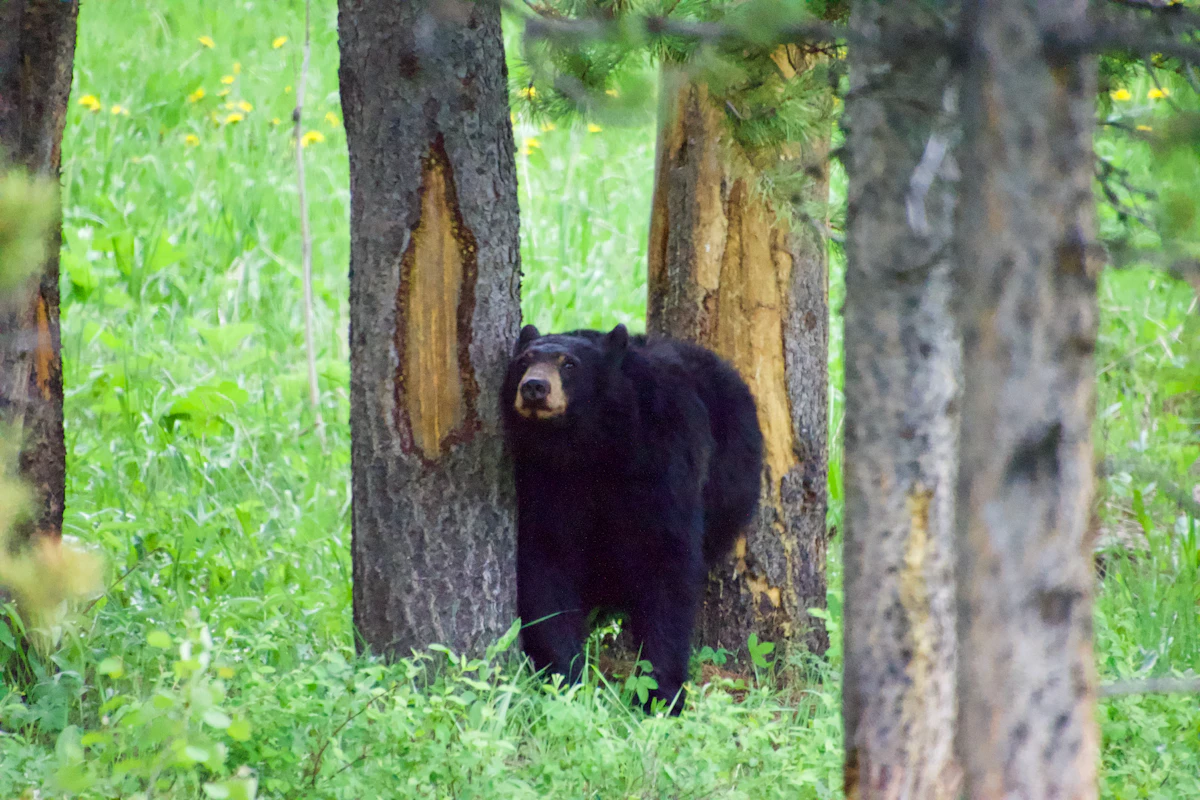
Bear baiting is illegal in Florida. State law prohibits the use of any food, bait, or attractant to lure black bears for hunting or any other purpose. This regulation applies statewide and carries serious penalties, including fines up to $500 and potential loss of hunting privileges. Florida's ban stems from public safety concerns and wildlife management priorities, not from a lack of bear populations. The state supports a limited bear hunting framework when seasons are open, but baiting has never been part of the legal toolkit.
Understanding these rules matters whether you are a resident hunter, a visitor planning a Florida hunt, or someone simply trying to stay compliant while recreating in bear country. This guide breaks down what Florida law prohibits, why the state takes this approach, and what legal hunting methods remain available during open bear seasons.
Why Florida Bans Bear Baiting
Florida's prohibition on bear baiting originated as a public safety measure. Black bears in Florida live in closer proximity to human populations than in most other states. Residential neighborhoods, campgrounds, and recreational areas frequently overlap with bear habitat across Central and North Florida. Baiting concentrates bears in predictable locations, increasing the likelihood of dangerous encounters with people, pets, and livestock.
The Florida Fish and Wildlife Conservation Commission (FWC) has also found that intentional feeding — whether for hunting, photography, or casual observation — conditions bears to associate humans with food. This behavior change leads to property damage, aggressive interactions, and ultimately results in bears being euthanized. The baiting ban applies year-round, not just during hunting seasons, because the wildlife management concern extends beyond harvest regulations.
What Counts as Baiting in Florida
Florida law defines baiting broadly. Any substance placed or distributed to attract bears qualifies as bait. This includes:
- Corn, grain, dog food, or livestock feed
- Pastries, donuts, or baked goods
- Meat scraps or fish
- Cooking grease or oils
- Fruit or produce
- Commercially sold bear attractants
- Salt blocks or mineral licks
The statute does not require intent to hunt. Placing bait for any reason — wildlife viewing, photography, or nuisance control — violates the law. This extends to accidental attractants like unsecured garbage, pet food left outdoors, or bird feeders accessible to bears. While the FWC typically issues warnings for unintentional attractants, repeat violations or flagrant disregard can result in citations.
Legal Bear Hunting Methods in Florida
When Florida holds a bear hunting season, which has occurred only twice since 1994 (in 2015 and briefly considered in subsequent years), hunters must use still hunting or spot-and-stalk methods. These techniques rely on locating bears through field observation, tracking sign, or glassing likely habitat. Dogs are not legal for bear hunting in Florida, unlike in several Southern states where hound hunting remains traditional.
Still hunting involves moving slowly through bear habitat, watching for movement, and positioning for ethical shot opportunities. Productive habitats include palmetto thickets, oak hammocks, cypress swamps, and pine flatwoods where bears feed on acorns, palmetto berries, and saw palmetto hearts. Early morning and late evening offer the best activity windows.
Spot-and-stalk hunting requires identifying bears from a distance — often along forest edges, power line cuts, or agricultural field margins — then closing the gap for a shot. Quality optics and wind awareness become critical. Florida's dense vegetation and flat terrain make this more challenging than in Western states, but hunters who pattern bear movements around mast crops and water sources can succeed.
Penalties for Violating Florida's Baiting Ban
Violating Florida's bear baiting law carries a second-degree misdemeanor charge. Fines range up to $500 for a first offense. Repeat violations can result in higher fines, suspension of hunting licenses, and forfeiture of equipment used in the violation, including firearms, tree stands, or trail cameras placed near bait sites.
The FWC conducts routine patrols in known bear habitat and investigates tips from the public. Officers use trail cameras and GPS tracking of known bait sites to document violations. Evidence of baiting — even if no bear is harvested — constitutes a violation. The state does not differentiate between baiting for harvest and baiting for other purposes when applying penalties.
How Florida's Rules Compare to Other States
Florida's outright ban on bear baiting contrasts sharply with regulations in other bear hunting states. Maine, Wisconsin, and Michigan all permit baiting during specific seasons with restrictions on bait types, quantities, and placement distances from roads or property lines. Alaska allows baiting for brown bears in many game management units. These states argue that baiting provides selective harvest opportunities and helps manage bear populations in areas where other methods prove difficult.
Florida's approach reflects different priorities. The state's bear population remains robust but concentrated in areas with high human densities. Public tolerance for bear hunting is lower than in rural Northern or Western states, and any hunting framework must balance harvest opportunity with public safety concerns. The FWC determined that allowing baiting would increase human-bear conflicts beyond acceptable levels, even during controlled hunting seasons.
Managing Bear Encounters Without Baiting
Hunters and outdoor enthusiasts in Florida must adjust tactics to avoid unintentionally attracting bears. When camping or hunting from base camps, store all food, trash, and scented items in bear-proof containers or locked vehicles. Never leave coolers, game meat, or cooking supplies unattended. Clean cooking areas thoroughly and pack out all waste.
If you encounter a bear while hunting or hiking, give it space to retreat. Do not approach for photos or observation. Make noise by talking calmly or clapping hands to alert the bear to your presence. Back away slowly while facing the bear. If a bear approaches aggressively, stand your ground, make yourself appear larger, and shout firmly. Black bear attacks in Florida remain extremely rare, but the FWC documents increasing bear activity in suburban areas where attractants are present.
The Future of Bear Hunting in Florida
Florida has not held a bear hunting season since 2015, when public backlash over harvest numbers and perceived mismanagement led to the suspension of future seasons. The FWC continues to monitor bear populations and could reinstate hunting if population objectives and public support align. Any future season would maintain the baiting prohibition and likely include strict harvest quotas, mandatory reporting, and limited permit availability.
Hunters interested in Florida bear hunting should monitor FWC announcements and participate in public comment periods when regulations are under review. The agency uses harvest data, population surveys, and public input to inform decisions. Even without active seasons, understanding baiting restrictions remains important for hunters pursuing other species in bear habitat. Violating the baiting ban while deer hunting or hog hunting can result in the same penalties, even if bears were not the target species.
FAQ — Florida Bear Baiting
Is bear baiting legal anywhere in Florida?
No. Florida law prohibits bear baiting statewide, year-round, for any purpose. This includes hunting, wildlife viewing, and photography.
Can I use bait for hogs if bears are in the area?
Yes, but with caution. Baiting for feral hogs is legal in Florida, but if bears frequent the bait site, you could face citations for unintentionally attracting bears. The FWC recommends removing bait if bears begin visiting regularly.
What should I do if a bear enters my hunting area?
Remain calm and give the bear space to leave. Do not attempt to harvest the bear unless a legal hunting season is open and you hold the required permits. Report aggressive or habituated bears to the FWC.
Are trail cameras legal near bear habitat?
Yes. Trail cameras are legal in Florida as long as they are not placed near bait intended to attract bears. Using cameras to scout bears during closed seasons is legal, but you cannot use bait to draw them to the camera.
How often does Florida hold bear hunting seasons?
Florida held one bear hunting season in 2015 and has not opened another since. The FWC evaluates population data annually but has not reinstated hunting due to public opposition and management concerns.
What is the fine for baiting bears in Florida?
First-time violations carry fines up to $500. Repeat offenses can result in higher fines, license suspension, and equipment forfeiture.
Continue Planning Your Hunt
Florida's bear baiting ban reflects the state's commitment to reducing human-wildlife conflicts while maintaining healthy black bear populations. Whether you are planning a future bear hunt, pursuing other game in bear country, or simply recreating responsibly, understanding these regulations keeps you legal and supports long-term conservation.
For hunters managing applications across multiple states, TAGZ helps you track draw deadlines, compare unit regulations, and stay current on rule changes. From preference point tracking to terrain breakdowns, TAGZ gives you the tools to make smarter decisions before you step into the field. Explore TAGZ Insights for more state-specific regulations and hunting strategy guides, or visit our Pricing page to see how TAGZ simplifies multi-state hunt planning.
Was this article helpful?
Previous
Best Bugle Tubes for Elk Hunting in 2025: Field-Tested Picks
The right bugle tube amplifies your elk calls and projects sound farther into the timber. We break down the best options for backcountry hunters, their sound profiles, and how to match a tube to your calling style.
Next
How to Cow Call Elk Effectively: A Complete Guide for Western Hunters
Master the art of cow calling to bring elk into range. This guide covers call selection, realistic cadence, common mistakes, and when to let your calls do the talking versus when to stay silent.