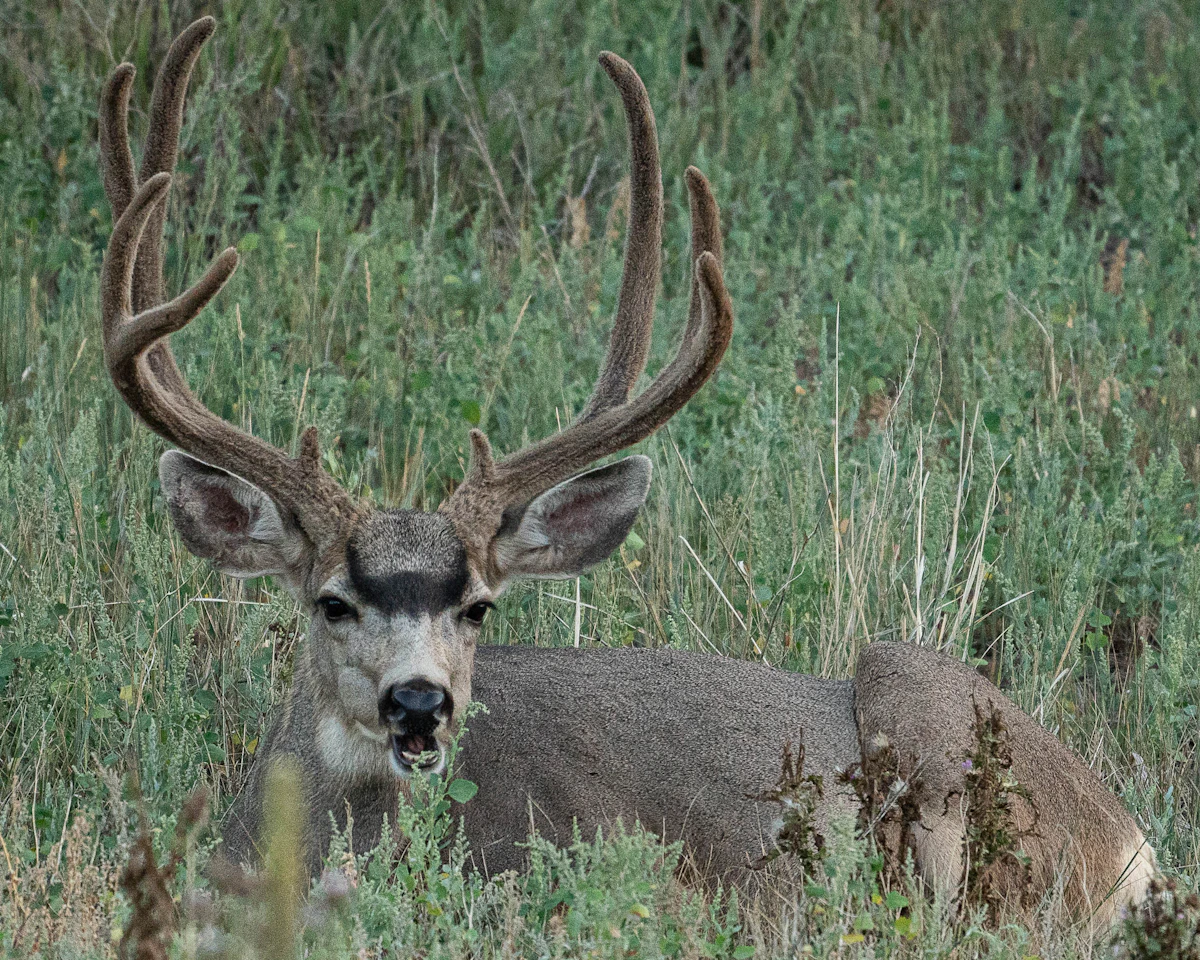
Arizona Elk Bonus Points 2027: Draw Strategy Guide
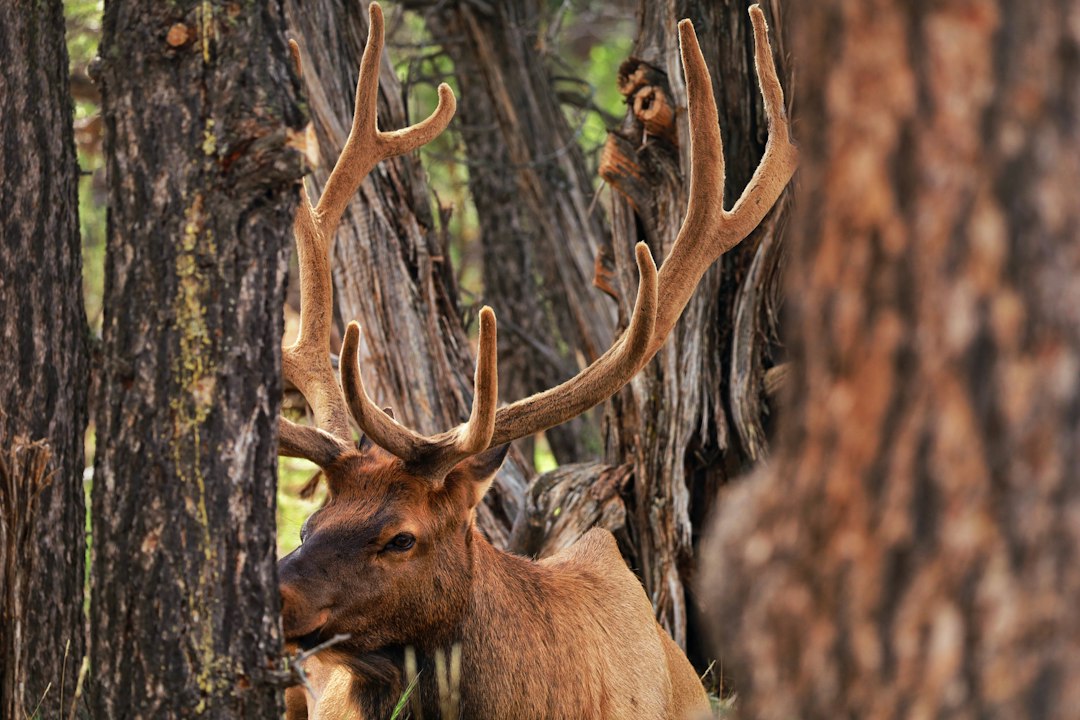
Does Arizona Use Bonus Points or Preference Points for Elk?
Arizona uses:
Bonus Points.
Calling Arizona a traditional preference-point state is misleading.
A pure preference system generally awards tags to the applicants with the most points before lower-point applicants are considered.
Arizona is different.
It combines:
High-Point Opportunity
with:
Random Drawing Opportunity.
How Arizona's Elk Draw Works
Arizona's big-game draw currently contains three phases.
Phase 1 — Bonus Point Pass
This phase gives the highest-point applicants an opportunity to receive up to a portion of the available hunt permit-tags.
Phase 2 — First/Second Choice Pass
Remaining applicable tags are considered using applicants':
First
and:
Second
hunt choices.
Phase 3 — Third/Fourth/Fifth Choice Pass
If tags remain, Arizona can consider:
Third
Fourth
and:
Fifth
choices.
Understanding those phases is far more useful than simply asking:
"How many Arizona elk points do I need?"
Arizona's Bonus Point Pass
The Bonus Point Pass is the part of Arizona's system that can resemble a preference system.
Up to:
20% of available hunt permit-tags
can be awarded through this phase.
Applicants with the highest bonus-point totals are positioned for this portion of the drawing.
But this doesn't mean:
20% of applicants draw.
It means up to 20% of the applicable:
Permit Quota
can be allocated through the Bonus Point Pass.
What Happens to the Other Tags?
The remaining applicable permits continue through Arizona's other drawing passes.
That's why an applicant below the Bonus Pass point level can still potentially draw.
This is one of the most important concepts in Arizona elk strategy:
Not Enough Points for Bonus Pass ≠ Zero Chance.


Free to join
Download mobile app
- Detailed draw odds
- Point tracking
- Deadline reminders
- 18 states covered





Free to join
Download mobile app
- Detailed draw odds
- Point tracking
- Deadline reminders
- 18 states covered






Free to join
Download mobile app
- Detailed draw odds
- Point tracking
- Deadline reminders
- 18 states covered

How Bonus Points Help in the Random Draw
Before each draw pass, Arizona generates:
One Random Number for the Application
plus:
One Additional Random Number for Each Group Bonus Point.
The application uses:
The Lowest Random Number Generated.
So an applicant with more bonus points gets more chances to generate a competitive low random number.
That's the core mathematical benefit of Arizona bonus points.
Bonus Points Don't Create a Guaranteed Ladder
Suppose Hunter A has:
10 Bonus Points
and Hunter B has:
2 Bonus Points.
Hunter A has substantially more random-number opportunities.
But outside the highest-point Bonus Pass dynamics, that doesn't mean Hunter A automatically beats Hunter B.
Hunter B can still potentially receive a lower random number.
That's why:
More Points = Better Probability
but:
More Points ≠ Guaranteed Draw.
Can a Zero-Point Hunter Draw Arizona Elk?
Yes.
A zero-point hunter can potentially draw through the applicable random drawing process.
The odds can be extremely low for high-demand hunts.
But:
0 Points ≠ 0 Chance.
This makes Arizona fundamentally different from a pure highest-points-first system.
Does an Arizona Elk Hunt "Take X Points"?
Be careful with that language.
Hunters often say:
"That Arizona elk hunt takes 15 points."
Usually, they're referring to the historical:
Bonus Pass Point Level.
That doesn't necessarily mean someone below that point level has:
Zero Chance.
A better description is:
"The Bonus Pass historically reached approximately this point level, while lower-point applicants still had applicable random-draw opportunity."
Bonus Pass Odds vs Random Odds
These should be analyzed separately.
Bonus Pass
Ask:
At what point level were Bonus Pass permits historically allocated?
Random Draw
Ask:
What probability did applicants at my point level historically have after the Bonus Pass?
A useful Arizona odds tool should help hunters understand both.
How Do You Earn an Arizona Elk Bonus Point?
An applicant can generally earn an elk bonus point by submitting a:
Valid Elk Application
and being:
Unsuccessful in the Drawing.
The application must be valid.
A rejected application isn't the same as an unsuccessful valid application.
Can You Buy a Point Without Trying to Draw?
Arizona also allows eligible hunters to submit a:
Bonus Point Only
application.
This is useful when:
You can't hunt that year
You want to build points
Your schedule is uncertain
You don't want to risk drawing an elk hunt
You're working toward a longer-term strategy
Don't Apply for a Hunt You Don't Want Just to Build Points
This is one of the biggest corrections to the original article.
The draft suggested:
Applying for difficult hunts to accumulate points faster.
That doesn't work.
You don't earn:
More Bonus Points
because the hunt was harder to draw.
An eligible unsuccessful application generally earns the applicable annual bonus point regardless of whether the hunt was:
Extremely Difficult
or:
Moderately Difficult.
If your only goal is building:
Use the appropriate Bonus Point Only option.
You Can't Build Points Faster by Choosing a Harder Unit
There is no strategy where:
Harder Unit = More Annual Bonus Points.
Your accumulated point total comes from Arizona's point rules—not from the prestige or difficulty of the hunt you select.
That's important because applying for a hunt you don't actually want creates unnecessary risk of:
Drawing It and Losing Your Accumulated Species Bonus Points.
What Happens When You Draw an Elk Tag?
If you're drawn for elk:
Your accumulated elk species bonus points are generally zeroed out.
However, applicable:
Hunter Education
and:
Loyalty
bonus points can be retained according to Arizona's current rules.
So don't casually list a hunt you're unwilling to accept.
Arizona Loyalty Bonus Point
Arizona also offers a:
Loyalty Bonus Point.
An applicant can earn one by submitting a valid application for the same species:
At Least Once Per Year for Five Consecutive Years.
Once earned, the loyalty point can be retained as long as the hunter continues meeting Arizona's annual application requirements for that species.
Free to join
Download mobile app
- Detailed draw odds
- Point tracking
- Deadline reminders
- 18 states covered
Free to join
Download mobile app
- Detailed draw odds
- Point tracking
- Deadline reminders
- 18 states covered
Free to join
Download mobile app
- Detailed draw odds
- Point tracking
- Deadline reminders
- 18 states covered
Loyalty Means Consistency Matters
This is one reason skipping Arizona entirely can matter.
A long-term Arizona elk strategy isn't just about:
Regular Species Bonus Points.
It can also involve maintaining your:
Loyalty Bonus Point.
Always review current requirements before deciding to skip an application year.
Hunter Education Bonus Point
Arizona also offers an applicable:
Hunter Education Bonus Point.
This is separate from the normal annual unsuccessful-application point.
Hunters interested in maximizing their long-term Arizona point position should research the current:
Arizona Hunter Education Bonus Point
requirements directly through AZGFD.
Your Total Bonus Point Position Can Include More Than Annual Points
For applicable applicants, Arizona's group bonus-point calculation can include:
Species Bonus Points
plus:
Loyalty Bonus Point
plus:
Hunter Education Bonus Point.
That's why two hunters who have applied the same number of ordinary years may not necessarily have the same total point position.
Residents and Nonresidents Build Points Under the Same Core System
The original article suggested:
"Consider applying as a nonresident if it offers better bonus-point accumulation."
That's incorrect.
Residency isn't something you choose strategically to accumulate points faster.
Arizona residents and nonresidents participate under the applicable draw rules based on their actual residency status.
Nonresidents also face additional allocation limitations for certain elk permits.
Arizona Nonresident Elk Limits
Arizona limits nonresident opportunity for applicable:
Bull Elk Hunt Permit-Tags.
That means a nonresident shouldn't use:
Overall Draw Odds
as if those numbers automatically represent their personal probability.
Research:
Resident
and:
Nonresident
results separately where available.
Nonresident Bonus Pass Opportunity Can Be Especially Limited
The nonresident allocation rules can also affect how many permits are available during the:
Bonus Pass.
For extremely low-quota hunts, the practical nonresident Bonus Pass opportunity can therefore be very limited.
Don't assume:
20% Bonus Pass = 20% Nonresident Tags.
Those are different concepts.
Hunt Number Matters More Than Unit Number
This is critical in Arizona.
Don't research only:
"Arizona Elk Unit 10."
Research:
Hunt Number + Unit(s) + Weapon + Season + Legal Elk + Residency + Bonus Points.
A single Arizona unit can contain multiple elk hunts with dramatically different:
Seasons
Weapons
Permit quotas
Applicant demand
Draw odds
Some Arizona Hunts Span Multiple Units
Arizona also has elk hunts valid across:
Multiple Units.
For example, TAGZ's verified Arizona Unit 18B currently shows elk hunts whose valid-unit list includes:
17A, 17B, 18B, 19B, 20A and 20C.
That illustrates why:
Unit Number Alone
doesn't always identify the hunt.
The:
Hunt Number
is critical.
Hunt Choice Strategy Matters
Arizona applications can include multiple:
Hunt Choices.
But these shouldn't be thought of as:
Five Independent Applications.
Arizona processes choices through its drawing passes.
Your:
First
and:
Second
choices are particularly important because they're processed before the third-through-fifth-choice pass.
First and Second Choices
Arizona's:
First/Second Choice Pass
processes those choices before later choices.
This means your first two selections should generally be hunts you'd actually be willing to draw.
Don't place an undesirable hunt second simply because it appears easier.
Third, Fourth and Fifth Choices
Arizona later processes:
Third
Fourth
and:
Fifth
choices if applicable tags remain.
That can create additional opportunity.
But a high-demand hunt that fills during the first/second-choice process won't suddenly become available because you list it:
Third.
Don't "Diversify Across Multiple Units" Like Independent Draws
The original article suggested:
Applying for multiple units to diversify chances.
That's too simplistic.
You're ranking hunt choices within Arizona's draw process.
Those choices aren't independent lottery tickets.
A better approach is:
First/Second Choices = Priority Hunts
and:
Third/Fourth/Fifth Choices = Hunts Worth Accepting if Permits Survive Earlier Passes.
Free to join
Download mobile app
- Detailed draw odds
- Point tracking
- Deadline reminders
- 18 states covered
Free to join
Download mobile app
- Detailed draw odds
- Point tracking
- Deadline reminders
- 18 states covered
Free to join
Download mobile app
- Detailed draw odds
- Point tracking
- Deadline reminders
- 18 states covered
Does Applying Early Improve Arizona Elk Draw Odds?
No.
Submitting the application earlier in the application window doesn't improve your random number or drawing priority.
Apply early because it helps you:
Avoid technical issues
Confirm your hunting license
Verify bonus points
Check hunt numbers
Update payment information
Avoid missing the deadline
But:
Early Application ≠ Better Draw Odds.
When Is the Arizona Elk Application Deadline?
Arizona's:
Pronghorn and Elk
drawing takes place early in the year.
For the 2026 cycle, the application deadline was:
February 3, 2026.
Arizona typically publishes its pronghorn and elk draw booklet around:
Mid-January.
Don't automatically carry the 2026 date into 2027.
Verify the official:
2027 Pronghorn and Elk Hunt Draw Information
when AZGFD publishes it.
Don't Call Historical Odds "2027 Draw Odds"
Before the 2027 drawing occurs:
Actual 2027 Draw Results Don't Exist.
You can use:
2026 and Earlier Historical Data
to estimate how competitive a hunt may be.
But label those numbers:
Historical Draw Odds
or:
Projected Odds.
Don't present them as known 2027 results.
How to Analyze Your Bonus Point Position
For every Arizona elk hunt you're considering, research:
1. Hunt Number
2. Unit or Units
3. Weapon
4. Season
5. Legal Elk
6. Residency
7. Your Bonus Points
8. Bonus Pass History
9. First/Second Choice Results
10. Permit Quota
11. Applicant Demand
Then compare multiple years where comparable.
Strategy #1: Know Your Actual Point Total
Start by confirming your current:
Elk Bonus Point Total.
Then determine whether that total includes applicable:
Loyalty
and:
Hunter Education
points.
Don't build a strategy from memory.
Verify your Arizona account before applying.
Strategy #2: Decide Hunt Now vs Build
Ask:
Do I actually want an Arizona elk tag in 2027?
If the answer is:
No, I only want another point
consider:
Bonus Point Only.
If the answer is:
Yes
then build an application around hunts you'd genuinely accept.
Strategy #3: Compare Bonus Pass Position
Look at the historical:
Bonus Pass Point Levels
for your target hunt.
Ask:
Am I near the highest-point pool?
If yes, your application strategy may be different from someone sitting far below the historical Bonus Pass level.
Strategy #4: Don't Ignore Random Opportunity
If you're below the historical Bonus Pass level:
You're Not Automatically Out.
Research historical results at your point level.
The random-number system means lower-point applicants can still potentially draw.
That's why Arizona can support:
Long-Shot Applications.
Strategy #5: Compare Weapon and Season
Don't evaluate only:
Unit Reputation.
Arizona elk opportunities can differ substantially by:
Early archery
Late archery
Early rifle
Late rifle
Muzzleloader
Antlerless
Other hunt structures
A different weapon or season can have dramatically different applicant demand.
Strategy #6: Compare Hunt Numbers, Not Just Units
A famous elk unit can contain:
Several Different Hunts.
Each can have different:
Quota + Season + Weapon + Draw Demand.
Your application strategy should operate at the:
Hunt Number Level.
Strategy #7: Research Access and Terrain
Draw odds aren't the entire hunt.
Before applying, research:
Public land
Private land
Tribal boundaries
Access
Roads
Wilderness
Terrain
Elevation
Water
Seasonal closures
A tag is only valuable if it fits how you actually intend to hunt.
Free to join
Download mobile app
- Detailed draw odds
- Point tracking
- Deadline reminders
- 18 states covered
Free to join
Download mobile app
- Detailed draw odds
- Point tracking
- Deadline reminders
- 18 states covered
Free to join
Download mobile app
- Detailed draw odds
- Point tracking
- Deadline reminders
- 18 states covered
Draw Odds vs Harvest Success
These statistics answer different questions.
Draw Odds
How difficult was obtaining the permit?
Harvest Success
How frequently did hunters report harvesting?
Don't confuse them.
A hunt can have:
Extremely Low Draw Odds
and:
Moderate Harvest Success.
Another can be easier to draw but physically difficult to hunt.
Harder Draw Doesn't Guarantee Bigger Bulls
A highly competitive Arizona elk hunt doesn't guarantee:
A Trophy Bull.
High applicant demand can result from:
Reputation
Season timing
Limited quota
Rut timing
Public-land access
Historical trophy production
Draw difficulty measures:
Demand Relative to Available Permits.
It doesn't guarantee antler size.
More Bonus Points Don't Guarantee Harvest Success
Bonus points help with:
Getting the Tag.
They don't improve:
Your Probability of Harvest After Drawing.
Once you're hunting, success depends on factors such as:
Elk distribution
Weather
Hunting pressure
Access
Scouting
Season
Skill
Time available
Keep:
Draw Probability
and:
Hunt Probability
separate.
Arizona PointGuard
Arizona also offers:
PointGuard
products.
Under applicable current rules, PointGuard can allow eligible hunters who surrender a hunt permit-tag to have expended bonus points reinstated.
That's useful protection when:
Work changes
Family emergencies happen
Injury occurs
Travel becomes impossible
Another major conflict develops
Review the current PointGuard rules before relying on it.
Don't Assume Surrender Means Everything Is Automatically Restored
PointGuard has:
Eligibility Rules
and:
Deadlines.
Purchase and surrender requirements matter.
Read current AZGFD instructions rather than assuming you can simply return a tag at any time and receive every point back.
How TAGZ Helps With Arizona Elk Strategy
TAGZ helps hunters organize Arizona elk research around the variables that actually matter.
For Arizona elk, compare:
Bonus points
Residency
Hunt number
Unit or units
Weapon
Season
Legal elk
Permit quota
Historical applicants
Historical draw probability
Bonus Pass position
Terrain
Public/private land
Access
Browse Arizona hunting opportunities through the TAGZ Arizona Game Units page.
When researching a specific unit—such as Arizona Unit 18B—use the actual TAGZ unit page alongside the exact hunt number rather than relying on a generic statewide ranking.
Don't Search Only "How Many Points Do I Need?"
A stronger Arizona research workflow is:
My Points → Hunt Number → Bonus Pass Position → Random Probability → Hunt Quality.
For example:
12 Bonus Points
by itself doesn't tell you enough.
You still need:
Residency + Hunt Number + Unit + Weapon + Season + Quota + Applicant Demand.
That's the level where useful application decisions happen.
Build a Hunt-Now vs Build Strategy
A useful Arizona elk strategy can separate opportunities into:
Hunt Now
Build
and:
Long-Shot Random.
Hunt Now
Historical data suggests your point position gives you a probability you're comfortable accepting.
Build
You're not ready to hunt or want to continue accumulating bonus points.
Consider:
Bonus Point Only.
Long-Shot Random
You're below the historical Bonus Pass position but willing to pursue a highly competitive hunt because random opportunity still exists.
None of these is automatically the correct strategy.
It depends on your goals.
Historical Odds Are Planning Tools
TAGZ can help hunters compare Arizona's historical draw information and projected odds.
But historical data can't guarantee:
2027 applicants
2027 permit quotas
2027 Bonus Pass thresholds
2027 random probability
2027 hunt conditions
Harvest success
Use historical information to make better decisions—not promise a future result.
Built by Hunters, Guides and Outfitters
TAGZ was started by hunters, guides and outfitters with firsthand Western hunting experience.
Arizona demonstrates why draw planning needs to go deeper than:
"How many points does Unit X take?"
Ask:
What's my actual bonus-point total?
Am I competitive for the Bonus Pass?
What's my random opportunity?
Which hunt number am I applying for?
Which weapon and season?
Resident or nonresident?
Would I actually hunt this tag if I drew it?
Those questions create a much stronger Arizona elk strategy.
Learn more through About TAGZ.
Does Arizona use bonus points or preference points for elk?
Arizona uses bonus points for elk.
How does the Arizona elk draw work?
Arizona currently uses three drawing phases: the Bonus Point Pass, First/Second Choice Pass, and Third/Fourth/Fifth Choice Pass.
How do Arizona elk bonus points improve your odds?
Each bonus point gives the application an additional random number during the applicable draw pass. The application's lowest random number is used.
Does Arizona give tags to the highest-point applicants?
Up to 20% of applicable hunt permit-tags can be allocated through the Bonus Point Pass. Remaining permits continue through the other drawing passes.
Can you draw Arizona elk with zero bonus points?
Yes. Lower-point and zero-point applicants can potentially draw through the applicable random process.
Do Arizona elk bonus points guarantee a tag?
No.
Do harder hunts earn more bonus points?
No. Applying for a harder-to-draw hunt doesn't make you accumulate bonus points faster.
Can I buy an Arizona elk bonus point without trying to draw?
Arizona provides a Bonus Point Only application option for eligible applicants.
What is an Arizona loyalty bonus point?
An applicant can earn a loyalty bonus point for a species after submitting a valid application for that species at least once annually for five consecutive years and can retain it by continuing to meet the annual requirement.
Does applying early improve Arizona elk draw odds?
No.
Does Arizona have a nonresident elk cap?
Arizona limits nonresident opportunity for applicable bull elk hunt permit-tags, so nonresidents should analyze residency-specific data.
Are actual 2027 Arizona elk draw odds available yet?
No. Before the 2027 drawing, use historical data or clearly labeled projections.
FAQ — Arizona Elk Bonus Point Strategy 2027
How many bonus points do I need to draw Arizona elk?
There isn't one statewide number. It depends on the hunt number, unit, weapon, season, residency, quota and applicant demand.
Are Arizona bonus points squared?
Arizona's current elk draw gives an application one random number plus an additional random number for each applicable bonus point. It isn't a squared-points system like some other states use.
Can a lower-point applicant beat a higher-point applicant?
Yes, outside the highest-point dynamics of the Bonus Pass, the random-number system allows lower-point applicants to potentially draw ahead of applicants with more points.
Do I earn an elk point if I'm unsuccessful?
An eligible applicant who submits a valid elk application and is unsuccessful can accrue the applicable elk bonus point under Arizona's current rules.
What happens to my points if I draw?
Your accumulated species bonus points are generally zeroed out when you're drawn. Applicable Hunter Education and Loyalty bonus points can be retained according to current rules.
Should I apply for the hardest hunt just to build points?
No. If your goal is only to accumulate another point, use Arizona's applicable Bonus Point Only option rather than risking a hunt you don't want.
Does first choice matter?
Yes. Arizona processes first and second choices before third, fourth and fifth choices.
Can I apply for multiple elk units?
You can list multiple applicable hunt choices on one elk application, but those choices aren't independent applications.
Should I apply as a nonresident to build points faster?
No. Residency doesn't create a faster bonus-point accumulation system. Apply under your actual residency classification.
Is PointGuard worth understanding?
Yes. It can protect accumulated points when an eligible hunter must surrender a drawn permit, subject to current purchase, eligibility and surrender requirements.
When is the 2027 Arizona elk deadline?
The 2026 pronghorn and elk deadline was February 3, 2026. Arizona says the pronghorn and elk deadline is in February and typically publishes the booklet in mid-January. Verify the final 2027 deadline when AZGFD publishes the 2027 booklet.
What's the best Arizona elk unit?
There isn't one universal answer. Unit reputation, draw probability, weapon, season, access and hunting goals all matter. Analyze the exact hunt number rather than relying on a generic unit ranking.
Continue Planning Your 2027 Arizona Elk Application
Start with:
Your Current Elk Bonus Points.
Then determine:
Hunt Number + Unit(s) + Weapon + Season + Residency + Bonus Pass Position + Random Probability + Permit Quota + Access.
From there, choose a strategy:
Hunt Now
Apply for hunts where the historical probability fits your goals.
Build
Use the appropriate Bonus Point Only option if you don't want to risk drawing in 2027.
Long-Shot Random
Apply for a highly competitive hunt even if you're below the historical Bonus Pass level, knowing the random portion can still provide an opportunity.
And remember:
More Bonus Points Improve Probability.
They don't guarantee:
A Tag
or:
A Successful Hunt.
Use TAGZ to research Arizona elk units, projected draw odds and hunt-planning information.
Browse Arizona opportunities through TAGZ Arizona Game Units.
Explore additional draw research through TAGZ Insights.
See how TAGZ works through TAGZ Product.
Learn about the hunters, guides and outfitters behind TAGZ through About TAGZ.
For official bonus-point rules, use Arizona Game & Fish Bonus Point Process.
For the official drawing mechanics, use Arizona Game & Fish Draw Process.
For current hunt regulations and the 2027 elk draw booklet when released, use Arizona Game & Fish Hunting Regulations.
Historical draw results, bonus-point levels and projected odds are planning tools—not guarantees. Permit quotas, applicant demand, nonresident allocation, hunt numbers and regulations can change annually.
Was this article helpful?
Previous
Oregon Nonresident Mule Deer Draw Odds 2027 Guide
Oregon nonresidents can accumulate preference points for controlled buck deer hunts. For applicable controlled hunts, Oregon currently uses a modified preference-point system where: 75% of tags are awarded based on preference points and: 25% are awarded randomly among remaining first-choice applicants. That means: More Preference Points = Better Position in the Preference Portion but: Zero or Low Points ≠ Zero Chance. The random portion keeps lower-point hunters in the drawing. For 2027, nonresident mule deer hunters should research: Exact Hunt + Deer Hunt Area + Residency + Preference Points + First-Choice Applicants + Tag Quota + Historical Draw Results + Access. And remember: Actual 2027 draw odds don't exist until the 2027 drawing occurs. Use completed historical results to plan your application.
Related
Colorado Muzzleloader Elk Draw Odds 2027 Guide
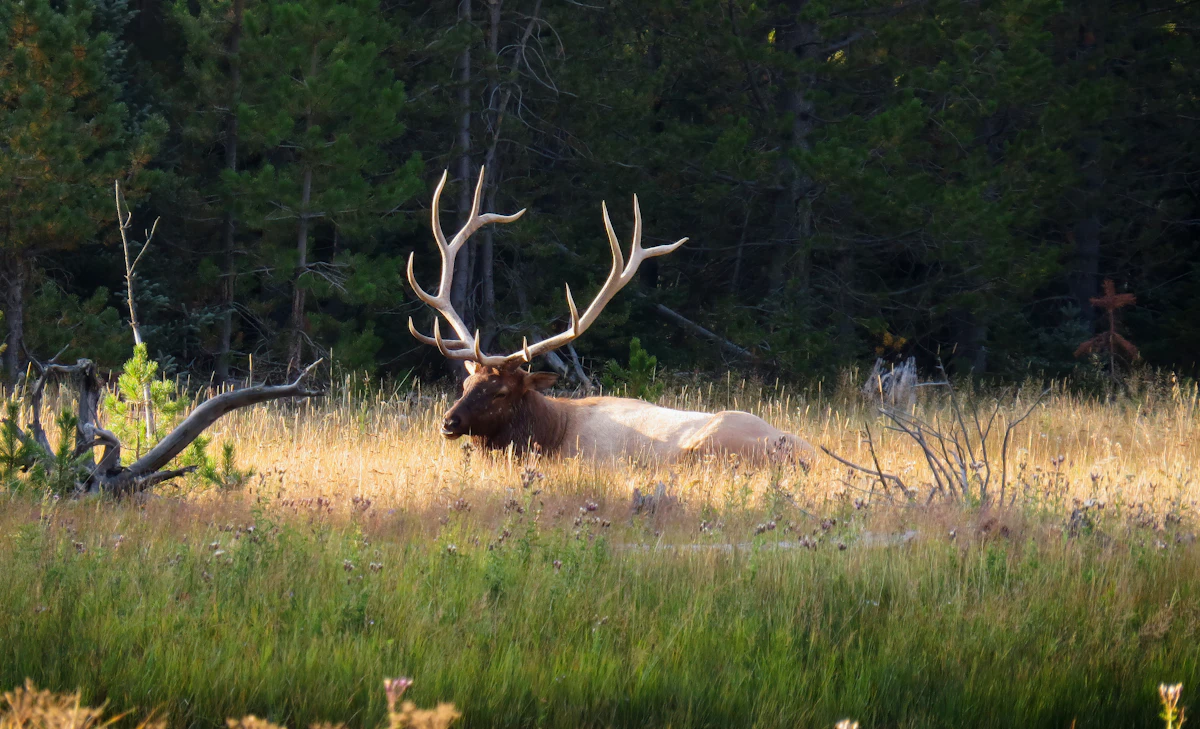
Colorado's 2027 muzzleloader elk season is scheduled for: September 11–19, 2027. Muzzleloader elk licenses are: Limited Licenses and are obtained through Colorado's licensing and draw system. For the 2027 primary draw, Colorado is still operating under its existing: Preference-Point System. The major new: 50% Preference / 50% Bonus Draw doesn't begin until: 2028. For 2027, your historical probability should therefore be analyzed using: Exact Hunt Code + Residency + Preference Points + First-Choice Applicants + License Quota. Don't research only: "GMU 76 Draw Odds." Research the exact: 2027 Muzzleloader Elk Hunt Code.
Next
Wyoming Mule Deer Draw Odds With 2 Points: 2027
If you're entering the 2027 Wyoming mule deer draw with: 2 Preference Points there is no single statewide draw probability. Your historical odds depend on: General Region or Limited-Quota Hunt + Hunt Area + License Type + Regular/Special Draw + Preference Points + First Choice + Quota + Applicant Demand. For applicable nonresident full-price deer licenses, Wyoming currently allocates: At Least 75% — Preference-Point Draw and: Up To 25% — Random Draw. With two points, you can potentially draw through the preference portion if the license reaches your point level. If you don't draw there, you can still participate in the applicable: Random Draw. That means a two-point hunter should compare both: Preference Odds and: Random Odds before deciding where to apply.