Species You Can Hunt
- White-tailed Deer
- Bear
- Alligator
- Wild Hog
State Overview
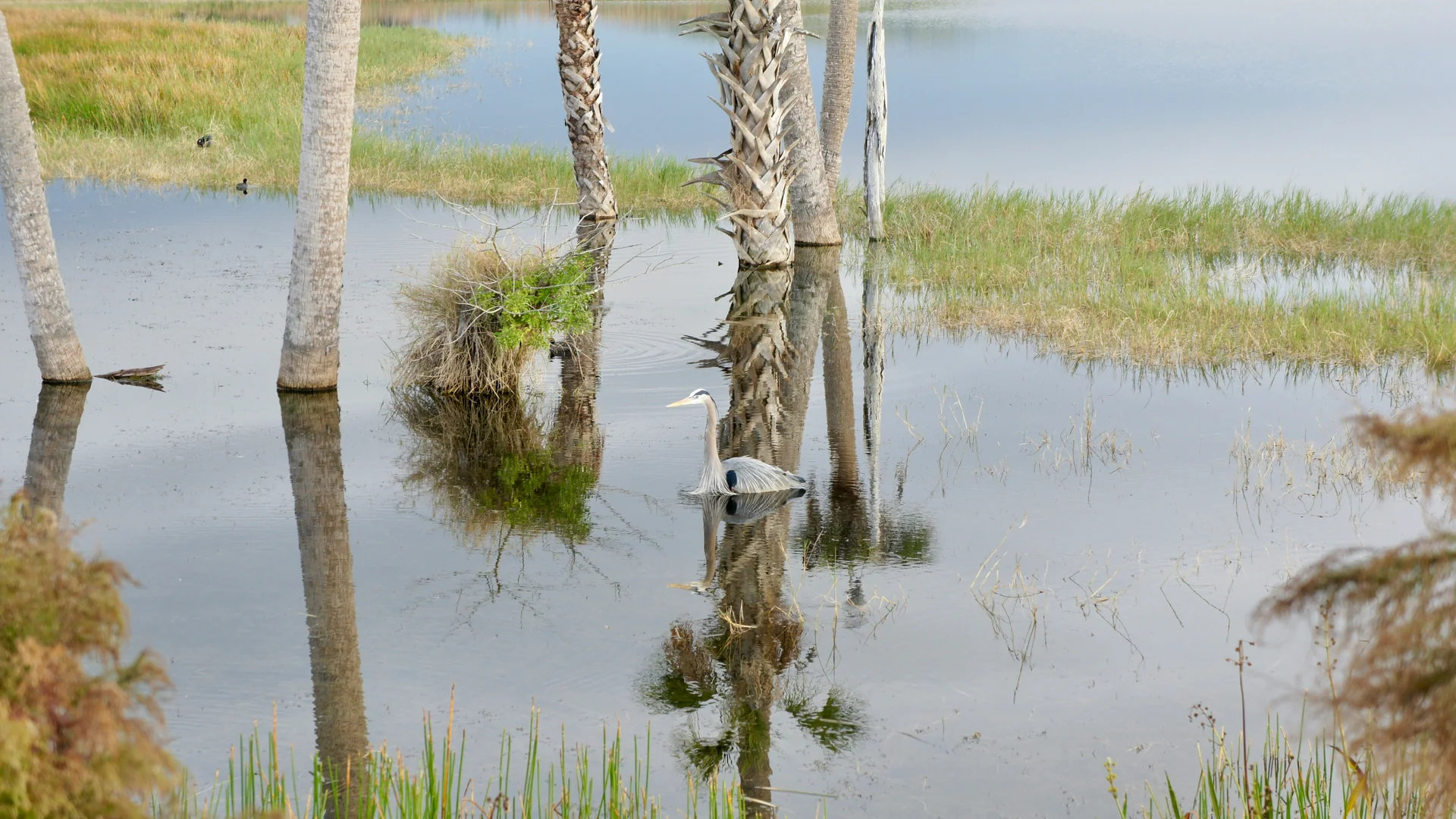
Florida is flat and subtropical, a mosaic of pine flatwoods, palmetto prairie, live-oak hammocks, cypress swamps, and expansive wetlands laced with rivers and marshes.
Its signature big game is the white-tailed deer (smaller-bodied than northern deer) and abundant wild hogs, along with the prized Osceola turkey found only here, plus alligator and small game. Public hunting centers on a large network of Wildlife Management Areas, many of which use limited-entry quota permits.
Licensing & Draw
How it works
Most hunting in Florida is license-and-permit based rather than draw based: buy a hunting license plus the right seasonal or area permits and you can hunt. The Florida Fish and Wildlife Conservation Commission (FWC) uses a limited-entry, quota-hunt lottery only where demand outstrips space — mainly wildlife management area (WMA) deer, hog, and turkey quota hunts plus special programs like bear, alligator, and National Wildlife Refuge (NWR) hunts.
Those quota draws are random lotteries layered with a preference-point system, so building points over unsuccessful years improves your chances for high-demand hunts. Residents and nonresidents can both apply, but nonresident license and alligator pricing is significantly higher, so confirm your residency status is correct on your account before applying.
A Florida hunting license is required to take game. On top of that, hunting most public land calls for a Management Area Permit, and specific seasons require add-on permits (archery, crossbow, muzzleloading, etc.). Species and hunt programs can add their own permits or tags. Check the current regulations for the exact combination your hunt needs.
Preference points are earned by hunt type (for example Archery Quota, General Gun Quota, Muzzleloading, Wild Hog, Spring Turkey, and several NWR hunts). You gain a point each year you apply in Phase I and are not drawn, and points accumulate. You can also "Apply for Points Only," which forgoes any chance at a hunt that season but still builds points for next year. Points are not awarded for every limited-entry hunt, and if you skip Phase I for five consecutive years you forfeit that hunt type's points.
Applying & deadlines
Applications are handled online at GoOutdoorsFlorida.com (log in or create an account) or through a license agent or tax collector's office using the printed worksheet. After selecting a hunt you choose how to apply: as an individual, by creating a group, by joining a group, or for points only.
You then rank hunt choices in order of preference. The number of choices varies by hunt type (General Gun Quota allows up to five 4-digit hunt choices; the Statewide Alligator Harvest lets you rank up to 12 management units). Many quota hunts run through multiple phases, and hunts with application fees cannot be cancelled — those fees are non-refundable.
Windows differ by program, but for the 2026–2027 season many WMA quota hunts opened Phase I on May 15 – June 15, 2026, with Phase II in late June/early July and Phase III leftovers issued immediately thereafter. The Statewide Alligator Harvest ran Phase I May 8–18, 2026 through Phase IV leftovers, and some turkey and refuge hunts use fall dates.
Because each hunt type has its own phase schedule and deadlines, always confirm exact dates on the current FWC application schedule and the specific hunt worksheet before applying.
Draw mechanics
Each quota permit is selected in a random drawing from Phase I applications, ordered by highest accumulated preference points, then a random lottery number, then your ranked hunt choices. Points improve but never guarantee success, since many applicants hold the same or more points. Unsuccessful Phase I applicants receive a point for that hunt type.
Later phases fill remaining permits (Phase II drawings and leftover/immediate-issuance phases) until hunts fill or the season ends. TAGZ draw-odds estimates are calculated separately from FWC's process and are our own methodology, not an official FWC figure.
Fees at a glance
As a rough guide, an annual resident hunting license runs about $17 and an annual nonresident license about $151.50 (a 10-day nonresident option is about $46.50). The Management Area Permit is about $26.50/year, and seasonal permits such as archery, crossbow, and muzzleloading are about $5 each. Alligator and certain premium hunts carry their own, much higher permit and tag pricing.
Online sales add handling fees (about $2.25, or $1.75 plus a small percentage surcharge), and all license and permit fees are non-refundable. These are approximate — see the current FWC fee schedule for exact amounts.
Good to Know
A few things trip people up: you generally need the Management Area Permit (and often a daily-use or area-specific permit) to hunt WMAs, and refuge (NWR) hunts have their own phase dates and rules. There are dedicated draws for family, youth, and mobility-impaired hunters, plus specialty programs like alligator, bear, and track-vehicle hunts.
Florida's points are cumulative — they build up and feed into a weighted random draw rather than a pure system where the most points always wins. Returning a drawn quota permit on time can restore your points, but failing to claim some refuge permits can forfeit them, so read the rules for your specific hunt.
Free to join
Access the full draw odds database for Florida
View up to date season schedule and projected odds across all units.
Regulations
Hunting Regulation Brochures for Florida
Official season brochures published by the state wildlife agency.

All Game Units
12 units — Unit details, topography, landcover, and access are open to everyone. Draw odds projections are available with a TAGZ account.